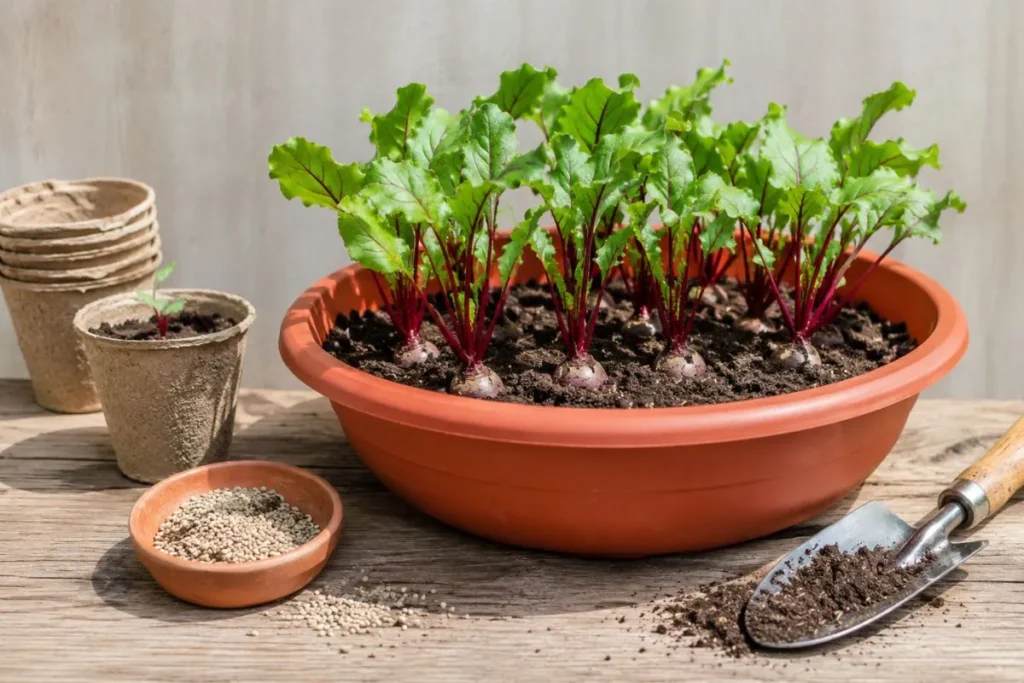
It is widely believed that you need a large backyard and years of gardening experience to grow healthy beets. That’s a common myth. The truth is, how to plant beets in containers is much easier than most people expect.
With a deep pot, quality potting soil, and a sunny spot, you can grow fresh, sweet beets almost anywhere even on a balcony, patio, or small porch.
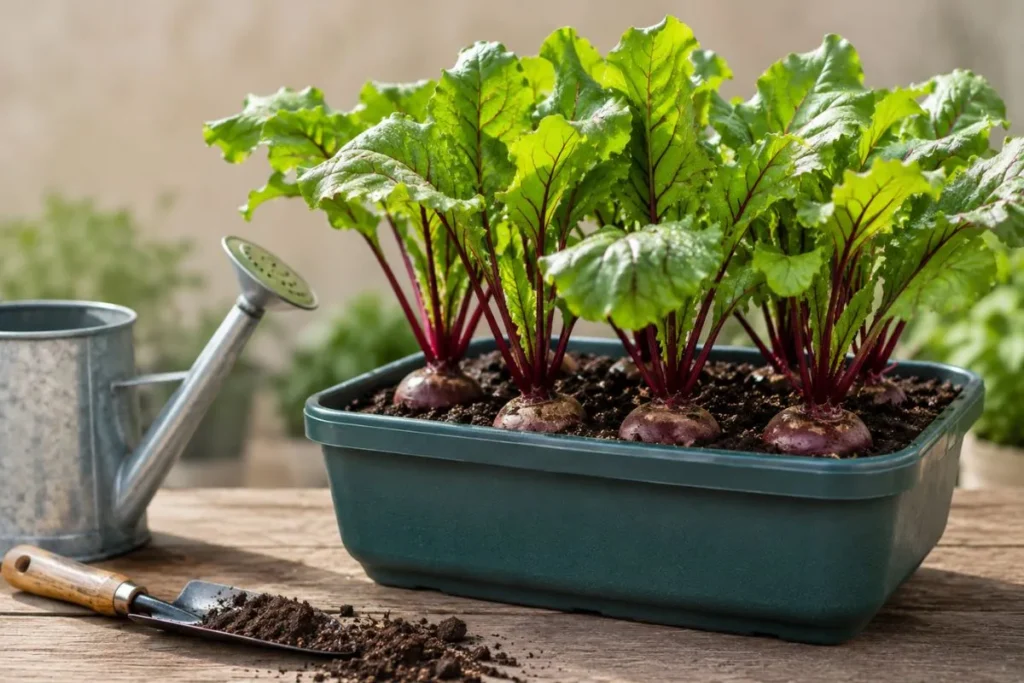
Another misconception is that container-grown vegetables produce poor harvests. In reality, growing beets in pots often gives you better control over soil, watering, and plant care, leading to healthier roots and fewer problems.
In this guide, you’ll learn how to grow beets in pots step by step, from choosing the right container to harvesting your crop, so you can confidently grow beets in containers even if you’re a complete beginner.
Why Grow Beets in Containers?
Growing beets in containers is one of the easiest ways to enjoy fresh, homegrown vegetables, even if you don’t have a traditional garden. Whether you have a balcony, patio, porch, or a small backyard, container gardening for beets lets you make the most of your available space.
It also gives you better control over your plants, making it easier to grow healthy, flavorful beets with less effort.
Perfect for Small Spaces
You don’t need a large yard to grow beets successfully. One or two deep containers are enough to produce a good harvest. That’s why growing vegetables in small spaces has become so popular.
If you’re starting a patio vegetable garden, balcony garden, or trying urban gardening, beets are one of the best vegetables to grow because they don’t require much room.
Better Control Over Soil Quality
Healthy beets start with healthy soil. When you grow beets in containers, you can choose a loose, nutrient-rich potting mix instead of relying on poor garden soil.
This helps the roots grow straight, smooth, and well-shaped while reducing problems caused by compact or rocky soil. It’s one of the biggest reasons many gardeners prefer container vegetable gardening.
Easier Weed Control
Weeds compete with your plants for water and nutrients. In containers, weeds are far less common because you’re using fresh potting soil instead of garden soil.
This means less time weeding and more time enjoying your garden, making growing beets in pots much easier for beginners.
Better Drainage for Healthier Roots
Beets don’t like sitting in wet soil. Containers with drainage holes allow excess water to drain away quickly, preventing root rot and other moisture-related problems. Good drainage encourages stronger root development and helps produce healthier container-grown beets.
Fewer Soil-Borne Diseases
Garden soil may contain fungi, pests, and harmful bacteria that affect plant growth. Using fresh potting mix in containers reduces the risk of many common soil-borne diseases, giving your beet plants a healthier environment from planting to harvest.
Easy to Move Into More Sunlight
One major advantage of growing beetroot in containers is flexibility. If your plants aren’t getting enough sunlight, simply move the container to a brighter location.
This is especially useful for gardeners who grow vegetables on balconies, patios, or other areas where sunlight changes throughout the day.
Great for Beginners
If you’re learning how to plant beets in containers for beginners, this method is an excellent place to start. Container gardening requires less maintenance than traditional gardening, and it’s easier to monitor watering, soil moisture, and overall plant health.
Even first-time gardeners can enjoy a successful harvest with just a little care.
Benefits of Growing Beets in Containers
Here are the main reasons gardeners choose growing beets in pots:
- Ideal for balconies, patios, and other small spaces.
- Gives you complete control over soil quality.
- Improves drainage and root development.
- Reduces weeds and soil-borne diseases.
- Containers are easy to move into better sunlight.
- Requires less maintenance than traditional gardening.
- Perfect for beginners and experienced gardeners alike.
With these advantages, it’s easy to see why more people choose to grow beets in containers. It’s a simple, practical, and rewarding way to enjoy fresh beetroot, no matter how much gardening space you have.
What You Need Before Planting Beets
Many beginners believe that beets can grow well in any pot they have lying around. Unfortunately, that’s one of the biggest mistakes people make. While beets are easy to grow, choosing the wrong container can lead to small, misshapen roots and poor growth.
If you want to grow beets in containers successfully, selecting the right pot is just as important as using good soil or quality seeds.
Choosing the Right Container
The container you choose will directly affect how well your beet plants develop. Since beets are root vegetables, they need enough room below the soil to grow into healthy, round roots. A container that’s too shallow can restrict root growth, leaving you with tiny or deformed beets.
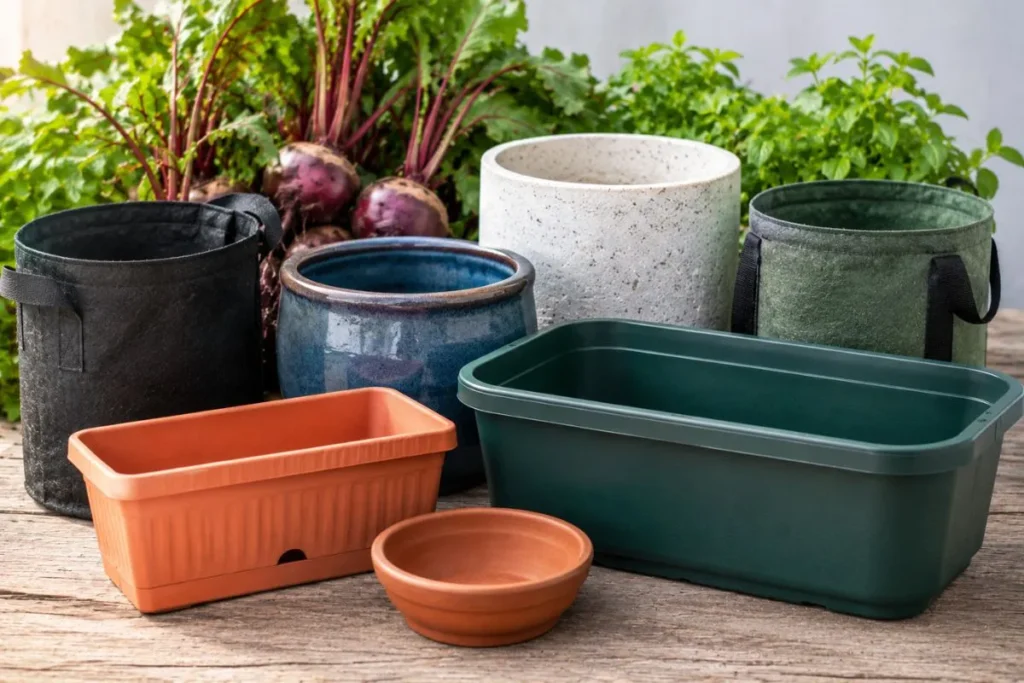
The good news is that you don’t need a huge planter. A medium-sized pot with enough depth and proper drainage is all you need to start growing beetroot in containers.
How Deep Should a Container Be for Beets?
One of the most common questions beginners ask is, “How deep should a container be for beets?”
A container should be at least 10 to 12 inches (25–30 cm) deep. This depth gives beet roots enough space to grow properly without becoming crowded. If you’re planting larger beet varieties, choosing a pot that’s around 12 to 14 inches deep provides even better results.
The width of the container is equally important. A wider pot allows you to grow several beet plants together while maintaining proper spacing between them. This improves air circulation and helps each plant develop healthy roots.
Why Drainage Holes Matter
No matter how attractive a pot looks, don’t use it unless it has drainage holes.
Beets grow best in moist soil, but they don’t like sitting in water. Without proper drainage, excess moisture collects at the bottom of the container, increasing the risk of root rot and fungal diseases.
Always choose a container with several drainage holes so excess water can escape easily. If your favorite planter doesn’t have holes, drill a few before planting. This simple step can make a big difference in the health of your container-grown beets.
Best Container Materials for Growing Beets
Beets can grow well in many different types of containers. The best choice usually depends on your budget, climate, and personal preference.
Here are some popular options:
- Plastic pots are lightweight, affordable, and hold moisture well, making them a great option for beginners.
- Fabric grow bags provide excellent drainage and air circulation, helping roots stay healthy while preventing overwatering.
- Terracotta pots look attractive and allow extra airflow through the sides, but they dry out faster and may need more frequent watering.
- Wooden planters offer plenty of growing space and work well for larger container gardens, especially on patios and balconies.
- Food-safe buckets or recycled containers can also be used as long as they are deep enough and have proper drainage holes.
No matter which material you choose, focus on functionality first. A simple container with the right size and drainage will always perform better than a decorative pot that’s too small.
How Many Beet Plants Can You Grow in One Container?
Avoid overcrowding your plants. Even though beet seedlings look tiny at first, they need room to develop underground.
As a general guide:
- A 10 to 12-inch round pot can comfortably grow about 3 to 5 beet plants.
- A long rectangular planter allows more plants, provided you leave 3 to 4 inches (7–10 cm) of space between each one.
- Larger containers can hold more plants while maintaining the same spacing.
Proper spacing improves airflow, reduces competition for nutrients, and encourages larger, healthier roots.
Choose a Container That Fits Your Growing Space
One advantage of container gardening for beets is flexibility. Think about where you’ll place your container before planting.
If you’re gardening on a sunny balcony, a lightweight plastic pot or fabric grow bag is easy to move. For a patio vegetable garden, larger wooden planters or decorative pots can create an attractive and productive growing space.
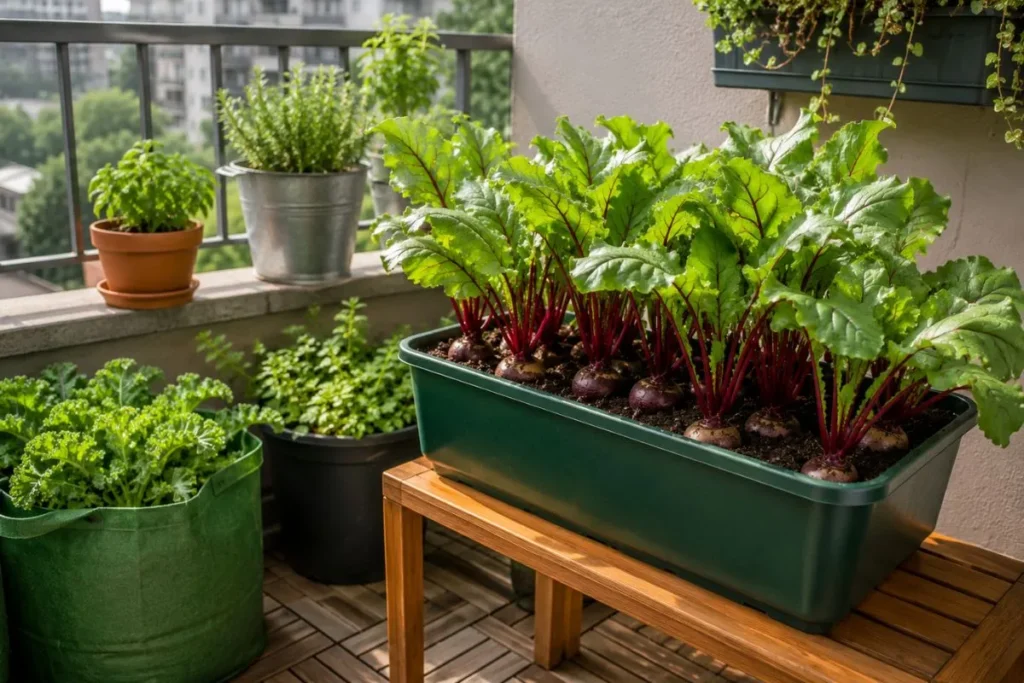
If you’re growing vegetables in small spaces, choose containers that maximize your available area without overcrowding your plants.
Selecting the right container from the beginning sets the foundation for a successful harvest. Once you’ve picked a deep pot with good drainage and enough room for your plants, you’re ready for the next step preparing the perfect soil mix that helps beets grow strong, smooth, and full of flavor.
4. Choosing the Best Soil for Healthy Beet Growth
Many gardeners believe that filling a container with ordinary garden soil is enough to grow healthy beets. That’s one of the biggest reasons beet plants fail to produce large, smooth roots. Garden soil often becomes compact inside containers, making it difficult for beetroots to expand properly.
If you’re wondering about the best soil mix for growing beets in containers, the answer is a light, loose, and well-draining potting mix that allows roots to grow freely.
Why Soil Matters When Growing Beets in Containers
The soil inside your container is the only source of support, water, and nutrients for your beet plants. Unlike vegetables grown in the ground, container-grown beets can’t spread their roots in search of better soil.
That’s why choosing the best soil for beets is one of the most important steps for a successful harvest.
A high-quality potting mix encourages strong root development, improves water drainage, and provides enough air around the roots. As a result, your beets grow larger, healthier, and sweeter.
What Makes the Perfect Potting Mix?
The ideal soil for growing beetroot in containers should be soft enough for roots to expand while holding enough moisture to keep plants healthy.
Look for a potting mix that has these qualities:
- Loose and lightweight texture.
- Excellent drainage to prevent waterlogging.
- Rich in organic matter for steady nutrition.
- Good moisture retention without becoming soggy.
- Free from large stones, sticks, and compacted soil.
Using a premium container garden soil mix gives your plants the best possible start and reduces many common growing problems.
Use Loose, Well-Draining Soil
Beets develop underground, so the soil needs to stay loose throughout the growing season. Hard or compacted soil forces the roots to struggle as they grow, often resulting in small, twisted, or uneven beets.
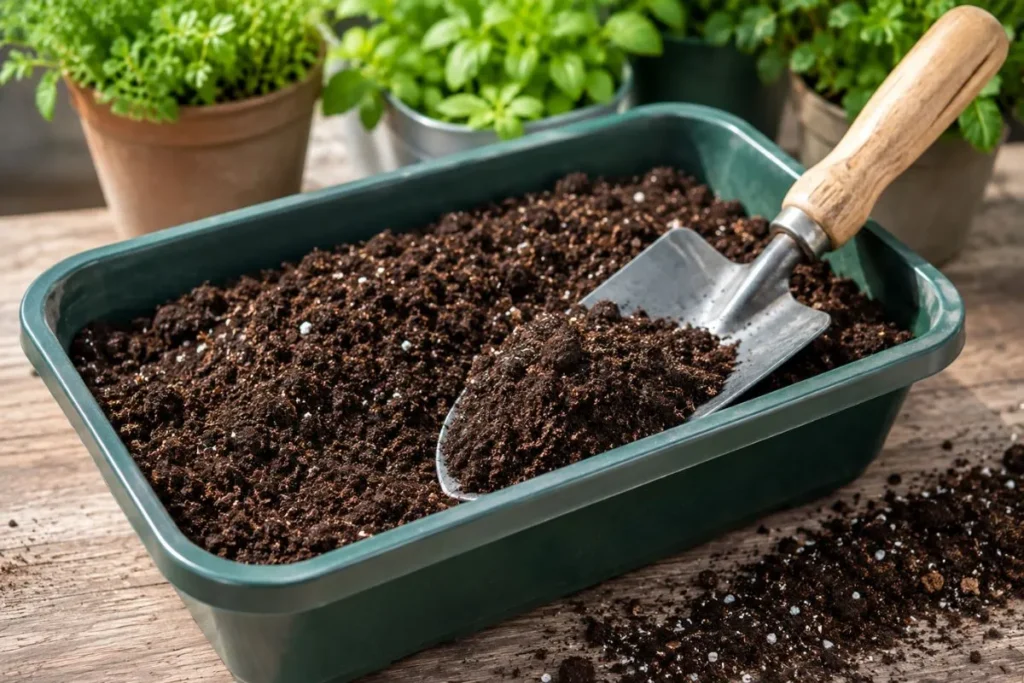
A well-draining soil also prevents excess water from collecting around the roots. Healthy drainage lowers the chances of root rot while allowing roots to absorb oxygen more efficiently.
If the soil feels heavy or sticky when you squeeze it, it’s probably too dense for growing beets in containers.
Add Organic Matter for Healthier Plants
Organic matter improves both soil structure and fertility. Mixing compost into your potting soil helps it hold moisture while still draining well. It also provides a slow release of nutrients that support healthy leaf and root growth.
Some excellent organic materials include:
- Finished compost
- Well-rotted aged manure
- Leaf mold
- Worm castings
Adding organic matter not only improves soil quality but also encourages stronger beetroot cultivation throughout the growing season.
Why Compost Is Worth Adding
Compost is one of the best natural soil conditioners you can use. It feeds beneficial microorganisms, improves drainage, and increases the soil’s ability to hold moisture.
For most containers, mixing 20–30% compost with a quality potting mix creates an excellent growing medium. This combination supplies nutrients gradually without overwhelming young beet plants.
If you’re interested in organic beet gardening, compost should be a regular part of your planting routine.
Check the Soil pH
Many gardeners overlook soil pH, but it plays an important role in plant health.
Beets grow best in slightly acidic to neutral soil with a pH between 6.0 and 7.0. Within this range, plants can absorb nutrients more efficiently, leading to healthier leaves and larger roots.
If the soil is too acidic or too alkaline, beet plants may struggle even if you’re watering and fertilizing correctly. A simple soil pH test kit can help you check the pH before planting.
Can You Make Your Own Potting Mix?
Absolutely. If you enjoy gardening, making a homemade potting mix is both affordable and effective.
A simple mix for grow beets in containers includes:
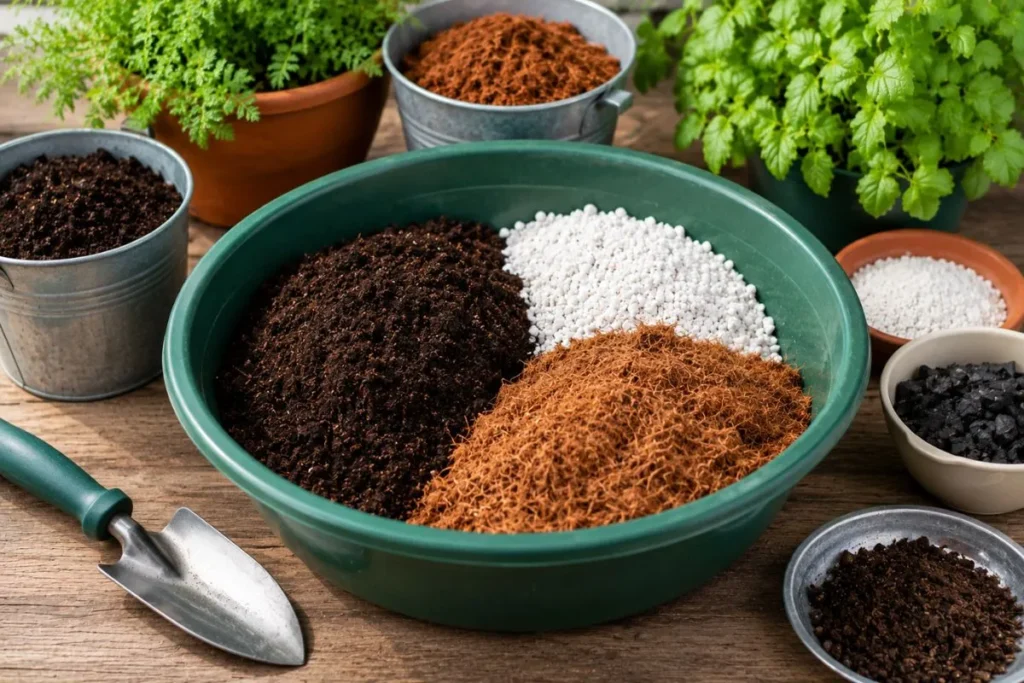
- 60% high-quality potting soil
- 20% finished compost
- 20% perlite or coarse sand for better drainage
This blend creates a light, nutrient-rich growing medium that supports healthy root development while preventing soil compaction.
Soil Mistakes to Avoid
Even experienced gardeners sometimes make simple mistakes that affect beet growth. Avoid these common problems:
- Using heavy garden soil in containers.
- Filling pots with compacted or clay-based soil.
- Overloading the soil with fresh manure.
- Ignoring drainage and moisture balance.
- Using poor-quality potting mixes with little organic matter.
Avoiding these mistakes gives your beet plants a much better chance of producing smooth, flavorful roots.
Quick Tips for the Best Soil Mix
Before planting your beet seeds, keep these simple tips in mind:
- Choose a high-quality container garden soil mix.
- Make sure the soil is loose and well-draining.
- Mix in compost to improve fertility.
- Add perlite or coarse sand if drainage needs improvement.
- Keep the soil pH between 6.0 and 7.0.
- Avoid heavy garden soil in containers.
Preparing the right soil is one of the smartest investments you can make before planting. Once your container is filled with a nutrient-rich, loose potting mix, your beet plants will have everything they need to establish strong roots and produce a healthy, rewarding harvest.
Choosing the Best Beet Varieties for Containers
Many people assume that every beet variety grows the same way in containers. That’s not true. While most beets can be grown in pots, some varieties perform much better than others.
Choosing the right beetroot seeds can make a big difference in root size, flavor, growth rate, and overall harvest. If you want success when growing beets from seed, start with a variety that is well-suited for container gardening.
Why the Variety Matters
Not all beet varieties have the same growing habits. Some produce large roots that need extra space, while others stay compact and mature quickly. For growing beetroot in containers, compact and fast-growing varieties are usually the best choice because they develop well in limited space.
The right variety can also improve your harvest by offering:
- Faster growth.
- Sweeter flavor.
- Better disease resistance.
- More uniform root size.
- Excellent performance in containers.
If you’re just starting your beetroot growing guide, selecting an easy-to-grow variety will make the entire gardening experience much more enjoyable.
Best Beet Varieties for Containers
Here are some of the best beet varieties that grow well in containers.
Detroit Dark Red
Detroit Dark Red is one of the most popular beet varieties for home gardeners. It produces medium-sized, deep red roots with a sweet, earthy flavor.
Why it’s a great choice:
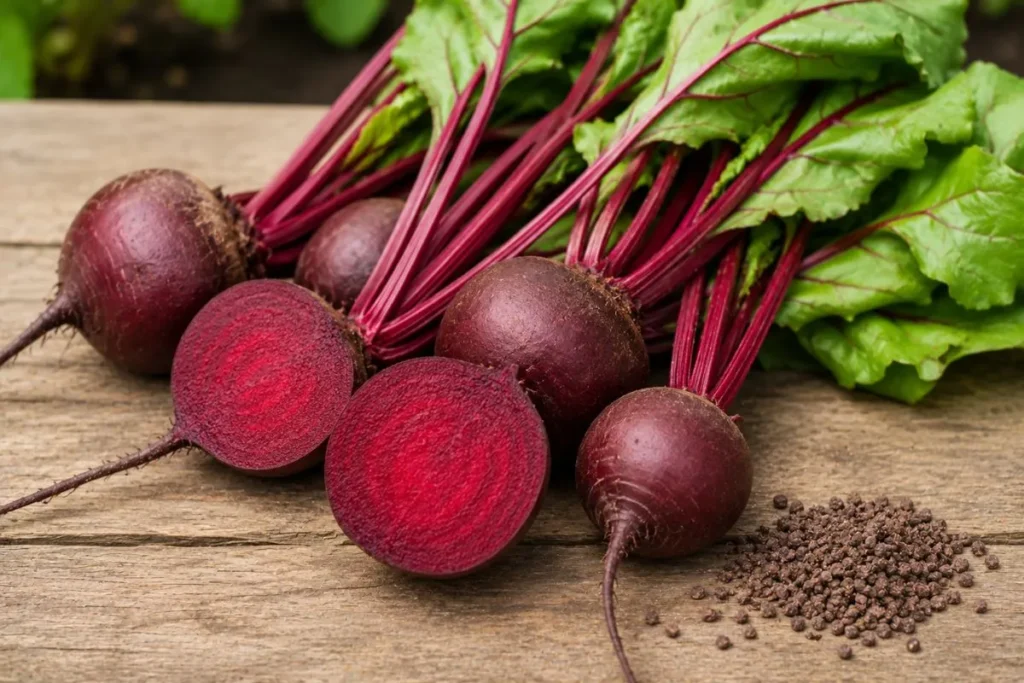
- Reliable and easy to grow.
- Excellent for beginners.
- Produces uniform roots.
- Perfect for fresh eating, roasting, and pickling.
This variety is often recommended for anyone learning how to plant beets in containers because it adapts well to different growing conditions.
Early Wonder
As the name suggests, Early Wonder matures quickly, making it ideal if you’re looking for an early harvest.
Benefits include:
- Fast-growing roots.
- Tender, flavorful beet greens.
- Great for small containers.
- Suitable for cool-season gardening.
If patience isn’t your strong point, Early Wonder is an excellent option for growing beets in pots.
Bull’s Blood
Bull’s Blood is loved not only for its roots but also for its striking dark purple leaves.
Why gardeners love it:
- Beautiful ornamental foliage.
- Sweet, tender greens for salads.
- Medium-sized roots.
- Adds color to an edible container garden.
It’s a perfect choice if you want a vegetable that is both productive and decorative.
Chioggia
Chioggia, often called the candy-striped beet, stands out because of its beautiful red-and-white rings inside the root.
Advantages:
- Mild, sweet flavor.
- Attractive appearance.
- Great for fresh salads.
- Grows well in containers.
This variety is perfect for gardeners who enjoy growing unique vegetables.
Golden Beet
Golden Beets produce bright yellow roots instead of the traditional red color.
Many gardeners choose them because they:
- Taste slightly sweeter.
- Don’t stain hands or cutting boards.
- Add color to meals.
- Grow successfully in containers.
Golden Beets are an excellent addition if you want more variety in your vegetable garden.
Should You Grow Beets from Seeds or Seedlings?
For the best results, always choose growing beets from seed instead of transplanting seedlings.
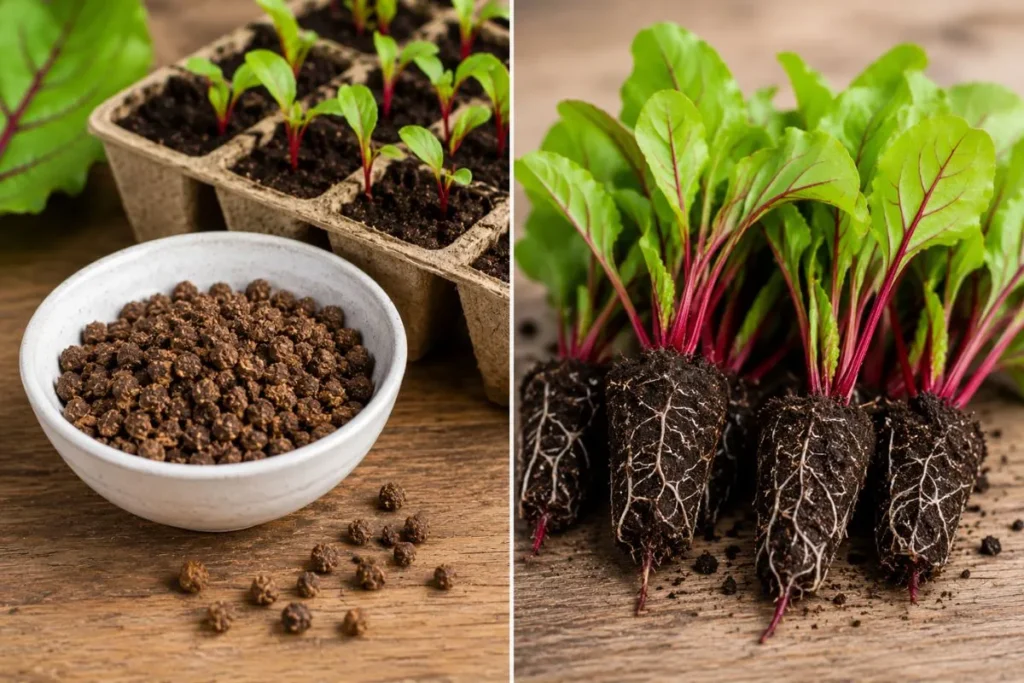
Beets develop a sensitive taproot early in their growth. Transplanting can damage this root, leading to smaller or misshapen beets. Directly sowing beetroot seeds into the container allows the roots to grow naturally without disturbance.
This simple step improves germination and helps produce healthier plants.
Tips for Buying Quality Beetroot Seeds
High-quality seeds are the foundation of a successful harvest. When shopping for seeds, look for:
- Fresh seeds from a trusted supplier.
- Disease-resistant varieties whenever possible.
- Seed packets with high germination rates.
- Varieties suited to your local growing season.
Avoid using very old seed packets, as beet seeds lose their ability to germinate over time.
Which Variety Is Best for Beginners?
If you’re new to container gardening for beets, these varieties are excellent choices:
- Detroit Dark Red – Best overall for beginners.
- Early Wonder – Best for a quick harvest.
- Bull’s Blood – Best for edible leaves and attractive foliage.
- Chioggia – Best for unique appearance.
- Golden Beet – Best for sweet flavor and colorful harvests.
Each of these varieties grows well in containers and is relatively easy to care for, making them perfect for first-time gardeners.
Frequently Asked Questions (FAQs)
How long do beets take to grow in containers?
Most beet varieties are ready to harvest in 50 to 70 days after planting. Fast-growing varieties like Early Wonder may mature a little sooner, while larger varieties can take a few extra weeks.
Harvesting them when they’re about 2 to 3 inches in diameter usually gives you the best flavor and texture.
Can I grow beets indoors?
Yes, you can grow beets indoors if they receive enough light. Place the container near a south-facing window that gets at least 6 to 8 hours of sunlight each day. If natural light is limited, use LED grow lights to help your plants grow strong and healthy.
How many beet plants fit in one container?
The number of plants depends on the size of the container. A 10 to 12-inch round pot can comfortably hold 3 to 5 beet plants. If you’re using a larger rectangular planter, keep about 3 to 4 inches of space between each plant so the roots have enough room to develop.
Why are my beets growing leaves but not roots?
This usually happens when the plants receive too much nitrogen or are overcrowded. Excess nitrogen encourages leafy growth instead of root development. Poor soil, shallow containers, and insufficient sunlight can also slow root formation. Using balanced fertilizer, proper spacing, and deep containers helps solve this problem.
What size pot is best for growing beets?
The ideal container should be at least 10 to 12 inches deep with plenty of drainage holes. Wider containers are even better because they allow you to grow multiple plants while maintaining proper spacing. Choosing the right pot is one of the most important steps in how to plant beets in containers successfully.
Can beets survive frost in containers?
Yes. Beets are cool-season vegetables and can tolerate light frost without any problems. In fact, cooler temperatures often improve their sweetness. However, if a hard freeze is expected, move your containers to a sheltered location or cover them to protect the roots.
Do beets need full sun?
Beets grow best with 6 to 8 hours of direct sunlight every day. They can tolerate partial shade, especially in warmer climates, but more sunlight generally produces healthier leaves and larger roots.
Can you grow beetroot in containers successfully?
Absolutely. Growing beetroot in containers is one of the easiest ways to produce fresh vegetables at home. With a deep container, loose well-draining soil, regular watering, and enough sunlight, you can enjoy an excellent harvest even if you don’t have a traditional garden.
How often should I fertilize container beets?
Feed your beet plants with a balanced fertilizer or compost every 3 to 4 weeks during the growing season. Avoid fertilizers that are high in nitrogen because they encourage leaf growth instead of producing large, healthy roots.
Can I grow beets year-round in pots?
Yes, in regions with mild winters you can grow beets almost year-round by planting them during the cooler months. In colder climates, start new crops in early spring and late summer for the best results.
If you’re growing indoors with sufficient light, you can enjoy fresh beets throughout the year.
Conclusion
Growing your own beets doesn’t have to be difficult or require a large garden. As you’ve seen throughout this guide, learning how to plant beets in containers is simple when you follow the right steps.
By choosing a deep container, using a loose and nutrient-rich potting mix, selecting the right beet variety, and providing consistent watering and sunlight, you can enjoy a healthy harvest almost anywhere.
One of the biggest advantages of growing beets in pots is the flexibility it offers. Whether you have a balcony, patio, porch, or a small backyard, container gardening allows you to grow fresh vegetables without needing a traditional garden.
It’s also an excellent option for beginners because it’s easier to manage soil, watering, and overall plant care.
Remember that successful container-grown beets start with good planning. Use quality beetroot seeds, avoid overcrowding your plants, keep the soil evenly moist, and harvest your beets while they’re still young and tender for the best flavor.
A little attention throughout the growing season can reward you with delicious homegrown beetroot and nutritious beet greens.
Now that you know how to grow beetroot in containers, there’s no better time to get started. Gather your supplies, plant your first seeds, and enjoy the satisfaction of harvesting fresh, flavorful beets right from your own home.

Plant Nest Blog’s author is passionate about plants, gardening, and sustainable living. Through research and practical experience, they share helpful plant care tips, gardening guides, and easy solutions to help readers grow healthier plants and create greener spaces.