
How to Grow Garlic is easier than many people think. You don’t need a large garden or expensive equipment to get started. With a few healthy garlic cloves, suitable soil, and regular care, you can grow fresh garlic right in your backyard, raised bed, or even a container.
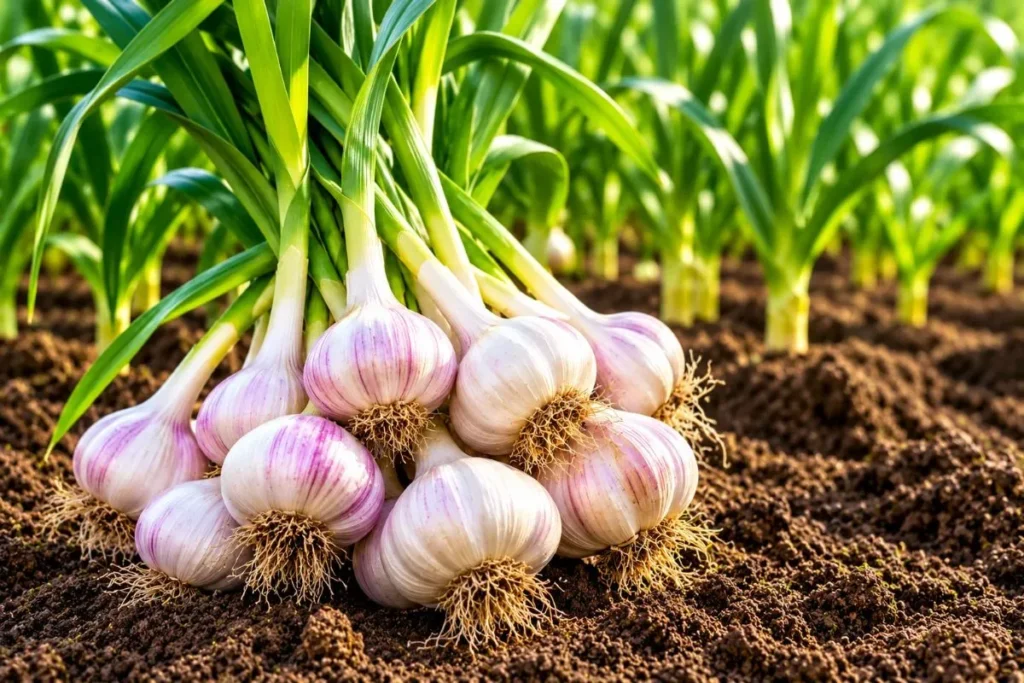
The trick is knowing when to plant garlic, how deep to place each clove, and what your plants need as they grow. Garlic takes several months to mature, so getting the planting conditions right from the beginning makes a big difference.
In this garlic planting and care guide, you’ll learn how to prepare your growing space, plant garlic correctly, care for the plants through the growing season, and recognize when your bulbs are ready to harvest.
Understanding Garlic Before You Plant
Garlic (Allium sativum) is a cool-season crop that grows from individual cloves rather than seeds. Each clove has the potential to develop into a complete garlic bulb containing several new cloves.
Garlic belongs to the same plant family as onions, leeks, and shallots. It grows best in loose, fertile, well-draining soil with plenty of sunlight. Although garlic needs time to mature, it doesn’t require complicated care once it becomes established.
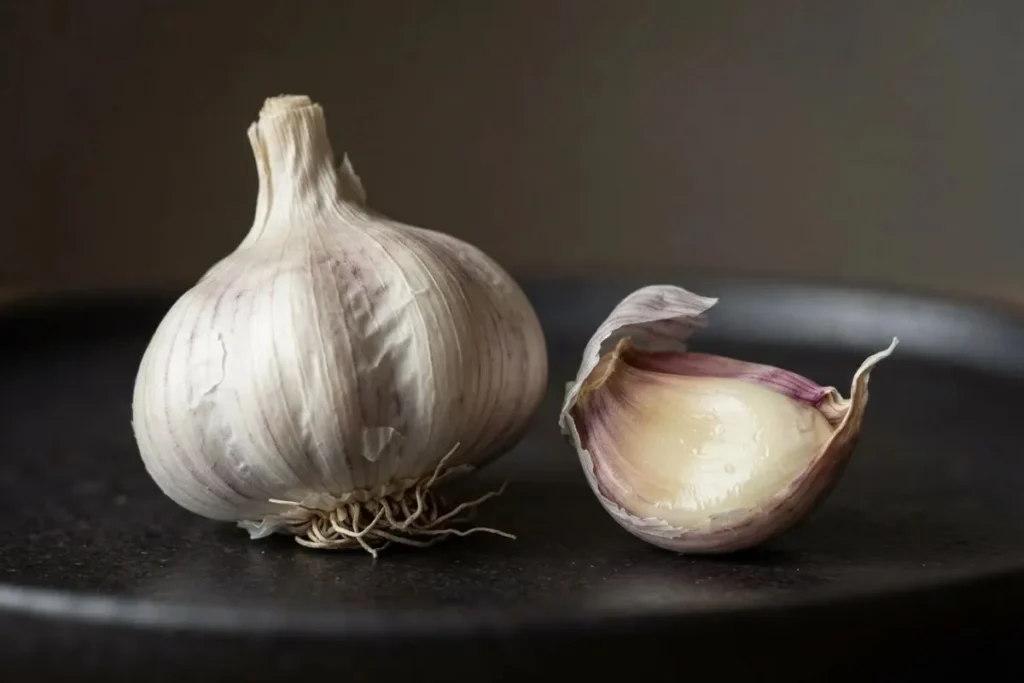
There are two main types of garlic: hardneck and softneck. Hardneck garlic produces a firm central flower stalk called a scape and generally grows well in colder climates. Softneck garlic doesn’t produce the same stiff central stalk and is often preferred for warmer growing conditions and longer storage.
Choosing the right type for your climate is a good first step toward a successful harvest.
When Is the Best Time to Plant Garlic?
Planting time plays an important role in bulb development. Garlic generally performs best when planted during a cooler part of the growing season, allowing the roots to establish before warmer weather arrives.
In regions with cold winters, gardeners usually plant garlic in fall, several weeks before the ground freezes. The cloves develop roots during the cooler months and begin producing leaves when temperatures rise in spring.
In warmer climates, fall or early winter planting is often more suitable. Gardeners in areas with mild winters can also grow certain garlic varieties during the cooler growing season.
Avoid planting garlic when the soil is extremely hot or waterlogged. Both conditions can interfere with healthy root development.
Before choosing a planting date, consider your local climate, the garlic variety, and how long your growing season lasts.
Choosing the Right Garlic for Planting
Not every garlic bulb sold in a grocery store is suitable for planting. Some commercial garlic has been treated to prevent sprouting, while other varieties may not perform well in your local climate.
For better results, purchase planting garlic from a reliable garden center, nursery, or seed supplier.
Hardneck Garlic
Hardneck garlic is a good choice for areas that experience cold winters. It produces a flower stalk called a scape, which can be harvested and used in cooking.
Its cloves are usually arranged around a firm central stem. Hardneck varieties often have strong flavors, although their storage life is generally shorter than that of softneck garlic.
Softneck Garlic
Softneck garlic is commonly grown in areas with mild winters. Its bulbs contain multiple cloves arranged in layers, and the stems remain flexible after harvesting.
This type is especially useful if you want to braid garlic for storage. Softneck varieties also tend to keep well when properly cured.
Which Type Should You Choose?
If your garden experiences cold winters, hardneck garlic may be a suitable option. For warmer regions, softneck varieties or locally adapted garlic types may perform better.
When possible, choose planting stock recommended for your growing area instead of relying only on the appearance or size of the bulbs.
Selecting the Best Location for Garlic
Garlic needs a suitable growing location to develop strong leaves and healthy bulbs. Choose a spot that receives at least six hours of direct sunlight each day. More sunlight is generally beneficial when growing garlic.
Good air circulation also helps keep the foliage dry and reduces problems associated with excessive moisture.
Avoid planting garlic in areas where water collects after rain. Standing water can damage roots and increase the risk of bulb rot.
If your garden soil is heavy clay, consider growing garlic in raised beds or large containers. These options make it easier to control soil quality and drainage.
Preparing the Soil Before Planting Garlic
Healthy soil gives garlic a strong foundation. The soil should be loose, fertile, and rich in organic matter so that roots can spread easily and bulbs have enough room to develop.
Start by removing weeds, stones, and old plant debris from the growing area. Loosen the soil to a depth of approximately 8 to 10 inches.
Mix in well-rotted compost to improve soil structure and provide organic nutrients. Avoid using fresh manure because it can contain excessive nitrogen and may encourage leafy growth at the expense of good bulb development.
Garlic generally prefers slightly acidic to neutral soil, around pH 6.0 to 7.0.
If your soil is very compacted, work on improving its structure before planting. Loose soil allows bulbs to expand more easily and makes harvesting less difficult.
How to Plant Garlic Cloves Correctly
Once your soil is ready, planting garlic is a straightforward process. Each healthy clove can grow into a separate bulb, so handle the cloves carefully.
Start by separating the garlic bulb into individual cloves. Keep the papery skin intact because it protects the clove while it grows.
Choose large, firm cloves without soft spots, mold, or visible damage. Larger planting cloves often produce stronger plants and larger bulbs than very small cloves.
Plant each clove with its pointed end facing upward and its flat root end facing downward.
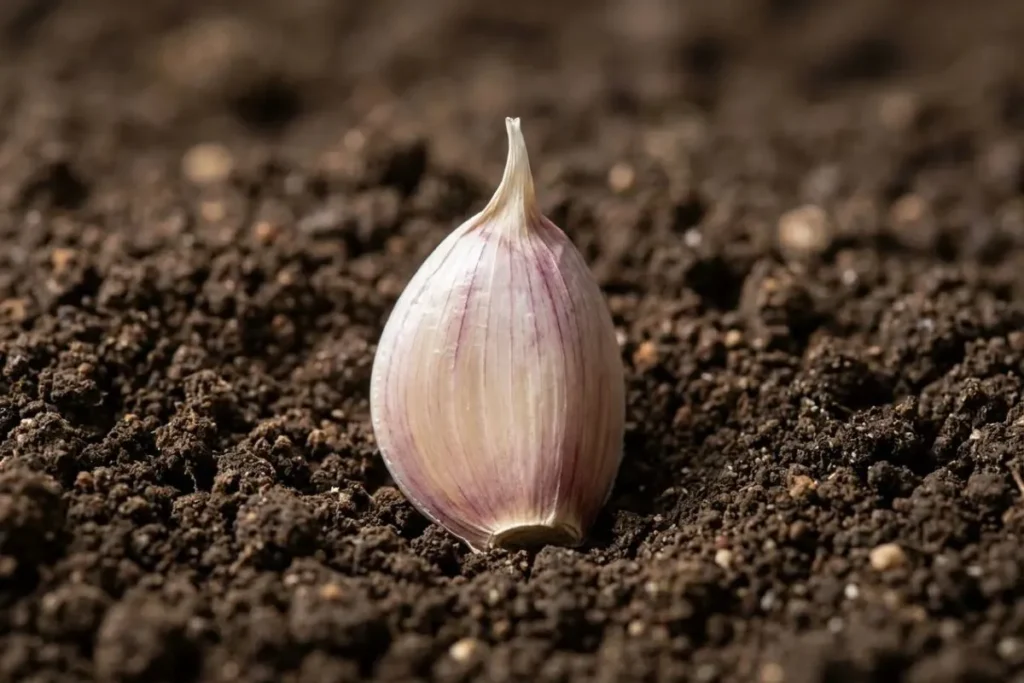
Place the cloves approximately 2 inches deep, although planting depth can vary depending on your climate and soil conditions. Leave about 4 to 6 inches between cloves and approximately 10 to 12 inches between rows.
Cover the cloves with loose soil and water gently to settle the soil around them.
Avoid pressing the soil too firmly over the cloves. Garlic needs enough space for roots to develop and shoots to emerge.
Growing Garlic in Containers
Don’t have a backyard? You can still grow garlic successfully in containers.
Choose a pot that is at least 8 to 10 inches deep and has several drainage holes at the bottom. A wider container is helpful because it gives you room to plant multiple cloves without crowding them.
Fill the container with a good-quality potting mix that drains well. You can mix in some mature compost to improve nutrient availability.
Plant garlic cloves with their pointed ends facing upward. Keep enough space between them so the developing bulbs have room to grow.
Place the container somewhere that receives plenty of sunlight. Check the soil regularly because containers can dry out faster than garden beds.
One common mistake is using a small decorative pot with poor drainage. Garlic bulbs need adequate space, and excess water can quickly create problems.
Watering Garlic Plants Properly
Watering is an important part of garlic care, especially during active leaf and bulb development.
Garlic prefers consistently moist soil, but it doesn’t grow well in waterlogged conditions. The goal is to provide enough moisture without allowing the roots to sit in standing water.
During dry weather, water the plants when the upper layer of soil begins to dry. Check the moisture before watering instead of following a fixed schedule.
As garlic plants grow, their water requirements may change depending on temperature, rainfall, and soil type.
When the leaves begin turning yellow and the bulbs approach maturity, gradually reduce watering. Stop watering shortly before harvest when the plants are nearly ready.
Too much moisture near harvest can encourage bulb rot and make proper curing more difficult.
How Much Sunlight Does Garlic Need?
Garlic grows best in a sunny location. Aim for at least six hours of direct sunlight daily to support healthy foliage and bulb development.
Without enough sunlight, garlic plants may produce weak leaves and smaller bulbs.
If you’re growing garlic in containers, place them in an open area rather than under trees or beside tall plants that block sunlight.
Good sunlight, suitable soil, and proper spacing work together to help garlic produce healthy bulbs.
Fertilizing Garlic for Healthy Growth
Garlic needs nutrients throughout its growing season, but applying too much fertilizer can cause problems.
Before planting, improve the soil with well-rotted compost. This provides organic matter and supports healthy soil structure.
During early growth, garlic benefits from an appropriate nitrogen supply because nitrogen supports leaf development. Healthy leaves help the plant produce and store energy for bulb formation.
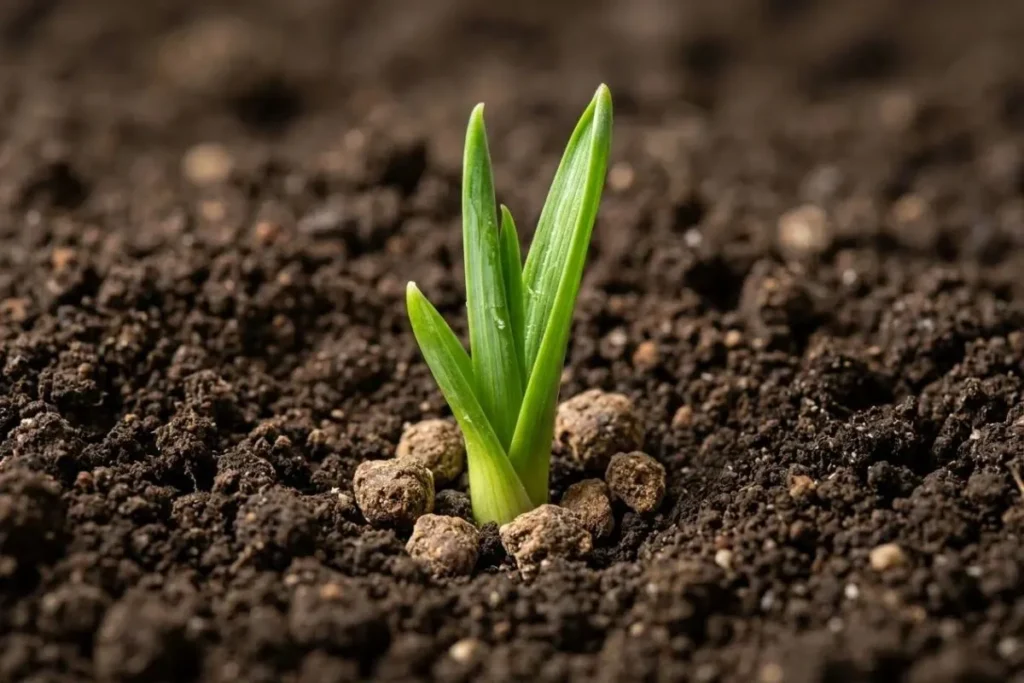
You can use a balanced garden fertilizer according to the product label or a suitable nitrogen-containing fertilizer if your soil needs it.
Avoid excessive nitrogen later in the growing season. Too much can encourage leafy growth when the plant should be concentrating on bulb development.
Once the bulbs begin swelling and the foliage starts naturally aging, reduce fertilizer applications.
Mulching Garlic Plants
Mulching helps maintain more consistent soil moisture and reduces weed competition.
After planting, spread a layer of clean straw, shredded leaves, or another suitable organic mulch over the growing area.
A layer of approximately 2 to 4 inches can help protect the cloves from temperature changes and reduce weed growth.
In areas with wet weather, use a thinner layer if necessary to prevent excessive moisture around the plants.
Check the mulch occasionally and remove any material that becomes moldy or overly wet.
Mulching is particularly helpful during the early stages of growth because garlic does not compete well with aggressive weeds.
Controlling Weeds Around Garlic
Weeds can compete with garlic for sunlight, water, and nutrients. Since garlic has relatively shallow roots, it can struggle when surrounded by fast-growing weeds.
Check your growing area regularly and remove weeds while they are still small.
Hand-pulling is usually a good option because it reduces the risk of damaging developing garlic bulbs.
If you use a garden hoe, work carefully and avoid digging too deeply near the plants.
Maintaining a suitable mulch layer can also reduce the amount of weeding required.
Keeping the growing area clean gives garlic plants a better chance to develop strong leaves and full-sized bulbs.
Garlic Plant Care During the Growing Season
Garlic doesn’t need constant attention, but checking your plants regularly helps you catch problems early.
Look for healthy green leaves, firm stems, and steady growth. If the foliage begins turning yellow too early, check the soil moisture, drainage, and nutrient conditions.
Remove weeds and make sure the plants receive enough sunlight.
Hardneck garlic may produce curly flower stalks called scapes during late spring or early summer. You can cut these stalks when they begin curling to encourage the plant to direct more energy toward bulb development.
Scapes are edible and can be used in sauces, stir-fries, and other dishes.
However, don’t remove the regular green leaves. They are essential for photosynthesis and help the garlic bulb develop.
Common Garlic Growing Problems and How to Fix Them
Even when you follow good planting practices, garlic can sometimes develop problems. Most issues become easier to manage when you identify them early.
Yellowing Leaves
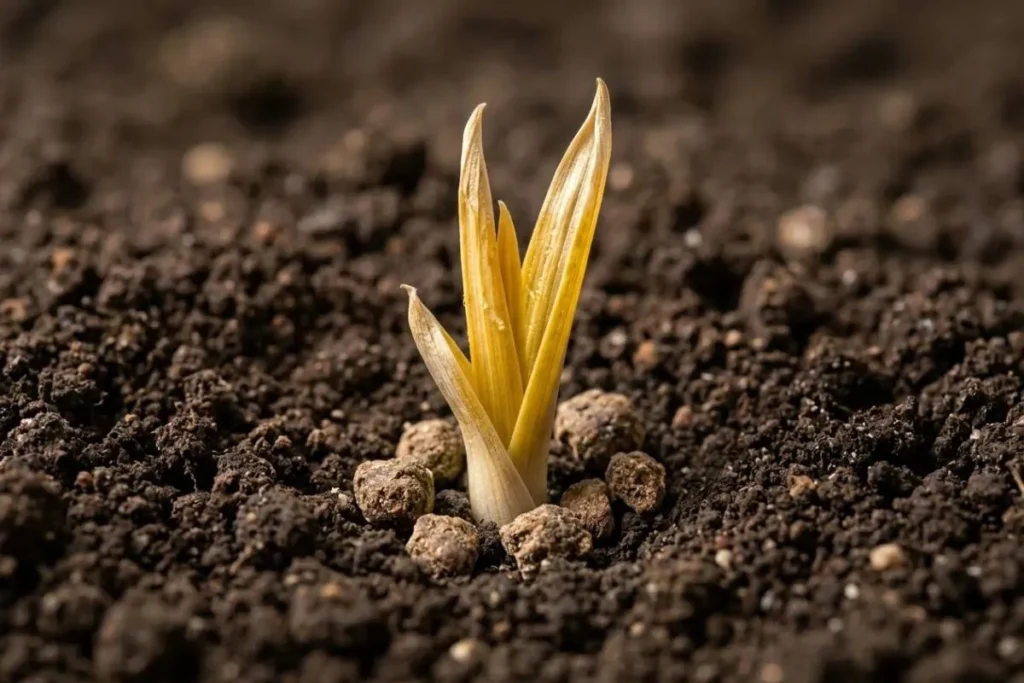
Yellow leaves can appear naturally as garlic approaches maturity. However, early yellowing may indicate overwatering, underwatering, nutrient deficiencies, or disease.
Check the soil before changing your watering routine. If the soil stays wet for too long, improve drainage and reduce watering.
Small Garlic Bulbs
Small bulbs can result from planting cloves too close together, using small planting material, poor soil conditions, insufficient sunlight, or harvesting too early.
Choose large, healthy cloves and give each plant enough room to grow.
Garlic Bulb Rot
Bulb rot is often associated with excessive moisture and poorly drained soil. Affected bulbs may become soft, discolored, or unpleasant-smelling.
Prevent this problem by planting in well-draining soil, avoiding overwatering, and using healthy planting cloves.
Remove affected plants to prevent potential disease problems from spreading.
Weak or Slow Growth
Garlic may grow slowly when temperatures, sunlight, soil conditions, or nutrients are unsuitable.
Check whether the plants receive enough sunlight and whether the soil has good drainage. Also make sure that weeds are not competing with your garlic.
Pest Damage
Garlic can be affected by pests such as onion thrips, which feed on plant tissue and can cause silvery or damaged leaves.
Inspect the foliage regularly. Remove heavily affected plant material when appropriate and use a suitable pest-management method for the specific pest.
Avoid applying pesticides without first identifying the problem.
How Long Does Garlic Take to Grow?
Garlic is a slow-growing crop that generally takes around 8 to 9 months to mature, although the exact growing period depends on the variety, planting time, and local climate.
Fall-planted garlic usually develops roots during cooler weather and continues growing when conditions become favorable.
During spring, the plant produces more leaves and begins developing its bulb. As the growing season progresses, the bulb increases in size.
The leaves eventually begin turning yellow and drying out. This is one of the main signs that harvest time is approaching.
Rather than relying only on a calendar, pay attention to the condition of the foliage and the development of the bulbs.
When and How to Harvest Garlic
Harvesting garlic at the right time helps protect bulb quality and storage life.
Most garlic plants are ready for harvest when several lower leaves turn brown while the upper leaves remain partly green.
Don’t wait until every leaf has completely dried out. If you leave garlic in the ground for too long, the bulb wrappers may break down, making the cloves more difficult to store.
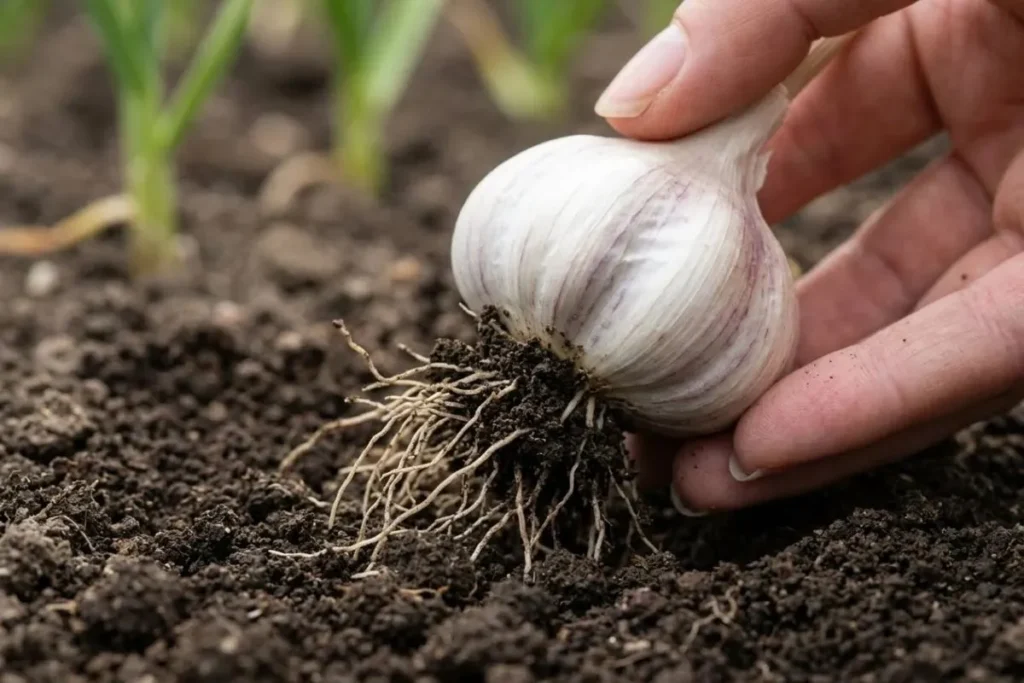
Before harvesting the entire crop, carefully dig up one test bulb. Check whether the cloves have formed properly and whether the outer wrapper looks developed.
Use a garden fork or hand trowel to loosen the soil around the bulb. Lift it gently rather than pulling hard on the stem.
Avoid cutting or bruising the bulbs because damaged garlic may not store as well.
Once harvested, brush away loose soil without washing the bulbs.
How to Cure Garlic After Harvesting
Freshly harvested garlic needs curing before long-term storage. Curing allows excess moisture to leave the outer layers and helps the bulbs develop protective papery skins.
Place the harvested garlic in a dry, shaded, well-ventilated area. Keep the bulbs away from direct sunlight and heavy moisture.
You can hang garlic in small bundles or spread it in a single layer on a rack.
Curing generally takes about 2 to 4 weeks, depending on humidity, temperature, and airflow.
The garlic is ready when the outer skins feel dry and papery and the necks have become firm.
After curing, trim the roots and cut the stems if you don’t plan to braid the garlic.
How to Store Garlic After Harvesting
Proper storage helps preserve your garlic for later use.
Keep cured garlic in a cool, dry, dark place with good air circulation. Mesh bags, open baskets, and breathable containers are useful options.
Avoid storing whole garlic bulbs in sealed plastic bags because trapped moisture can encourage mold.
Check stored bulbs occasionally and remove any that become soft, damaged, or moldy.
Softneck garlic generally stores longer than many hardneck varieties, although storage life depends on the variety and storage conditions.
Don’t refrigerate whole garlic bulbs for ordinary household storage unless you have a specific reason and suitable storage conditions.
Common Mistakes to Avoid When Growing Garlic
A few simple mistakes can affect the size and quality of your garlic harvest.
One common mistake is planting cloves too shallowly or upside down. Always position the pointed end upward and cover the clove with an appropriate layer of soil.
Another mistake is using poorly drained soil. Garlic needs moisture, but excess water can damage the roots and bulbs.
Crowding plants is also a problem. When cloves are planted too close together, they compete for space and nutrients.
Some gardeners apply too much nitrogen fertilizer because they want faster growth. However, excessive nitrogen can encourage leaves instead of healthy bulb development.
Finally, harvesting too early or too late can reduce the quality of your crop. Watch the leaves and check a test bulb before digging up the entire planting area.
Tips for Getting a Better Garlic Harvest
If you want to improve your results next season, focus on a few basic growing habits.
Start with large, healthy planting cloves from a reliable source. Choose a garlic variety that suits your climate rather than selecting one simply because it looks attractive.
Prepare loose, fertile soil before planting and make sure the growing area drains properly.
Give each clove enough room and avoid excessive watering. Keep weeds under control, especially during early growth.
If you grow hardneck garlic, harvest the scapes when they begin curling. This can help direct more of the plant’s resources toward bulb development.
Finally, save the largest, healthiest bulbs for planting in the next growing season, provided they are disease-free and suitable for propagation.
Small improvements in planting and care can make a noticeable difference in future harvests.
Frequently Asked Questions About Growing Garlic
Can I grow garlic from grocery store garlic?
Yes, you can sometimes grow garlic from grocery store bulbs. However, some commercial garlic may be treated to prevent sprouting, and imported varieties may not suit your local climate. Planting garlic from a reliable garden supplier is usually a better choice.
How many garlic bulbs grow from one clove?
One healthy garlic clove generally produces one new garlic bulb. That bulb may contain several individual cloves, depending on the variety and growing conditions.
Does garlic need full sun?
Yes. Garlic grows best with at least six hours of direct sunlight daily. A sunny location supports healthy leaf growth and bulb development.
How deep should garlic cloves be planted?
Garlic cloves are commonly planted about 2 inches deep, with their pointed ends facing upward. Adjust the depth slightly depending on your soil and local growing conditions.
How often should I water garlic?
Water when the soil begins to dry, providing enough moisture to keep it slightly moist without becoming waterlogged. Reduce watering as the bulbs approach maturity.
Can garlic grow in pots?
Yes. Garlic grows well in containers that are at least 8 to 10 inches deep and have good drainage. Use quality potting mix, provide sufficient sunlight, and leave enough room between cloves.
Why are my garlic plants turning yellow?
Yellow leaves may indicate natural maturity, watering problems, nutrient deficiencies, or disease. If the lower leaves turn yellow near harvest time, this is usually normal. Early yellowing requires closer inspection.
Can I plant garlic in spring?
Yes, spring planting is possible, particularly in regions with mild winters. However, spring-planted garlic may produce smaller bulbs because it has less time to establish and grow.
How do I know when garlic is ready to harvest?
Garlic is usually ready when several lower leaves turn brown while some upper leaves remain green. Dig up one test bulb to check its development before harvesting the entire crop.
Should I remove garlic flowers?
If you’re growing hardneck garlic for its bulbs, removing the curly flower stalks (scapes) is a common practice. The scapes are edible, so you can use them in cooking rather than throwing them away.
11. Can I reuse garlic bulbs for next year’s planting?
Yes. You can save healthy, disease-free bulbs from your harvest and separate them into individual cloves for the next planting season. Select large, firm cloves for better results.
12. What is the best soil for growing garlic?
Loose, fertile, well-draining soil with plenty of organic matter is ideal. Garlic generally grows best in slightly acidic to neutral soil with a pH around 6.0 to 7.0.
Conclusion How to Grow Garlic:
Growing garlic at home is a rewarding project that doesn’t require complicated gardening techniques. The most important things are choosing suitable planting cloves, preparing healthy soil, providing enough sunlight, and managing water properly.
Follow this garlic planting and care guide throughout the growing season, and pay attention to how your plants develop. Don’t rush the harvesting process because garlic needs enough time to form full-sized bulbs.
With proper care and a little patience, you can enjoy fresh homegrown garlic and even save some of your best bulbs to plant again next season.

Plant Nest Blog’s author is passionate about plants, gardening, and sustainable living. Through research and practical experience, they share helpful plant care tips, gardening guides, and easy solutions to help readers grow healthier plants and create greener spaces.