
Fresh bean sprouts might look like something that belongs in a supermarket produce section, but they’re surprisingly easy to grow in your own kitchen. You don’t need a garden, expensive equipment, or even much space.
If you’ve been wondering how to grow bean sprouts at home, all you really need is a suitable container, good-quality sprouting seeds, clean water, and a few minutes of attention each day.
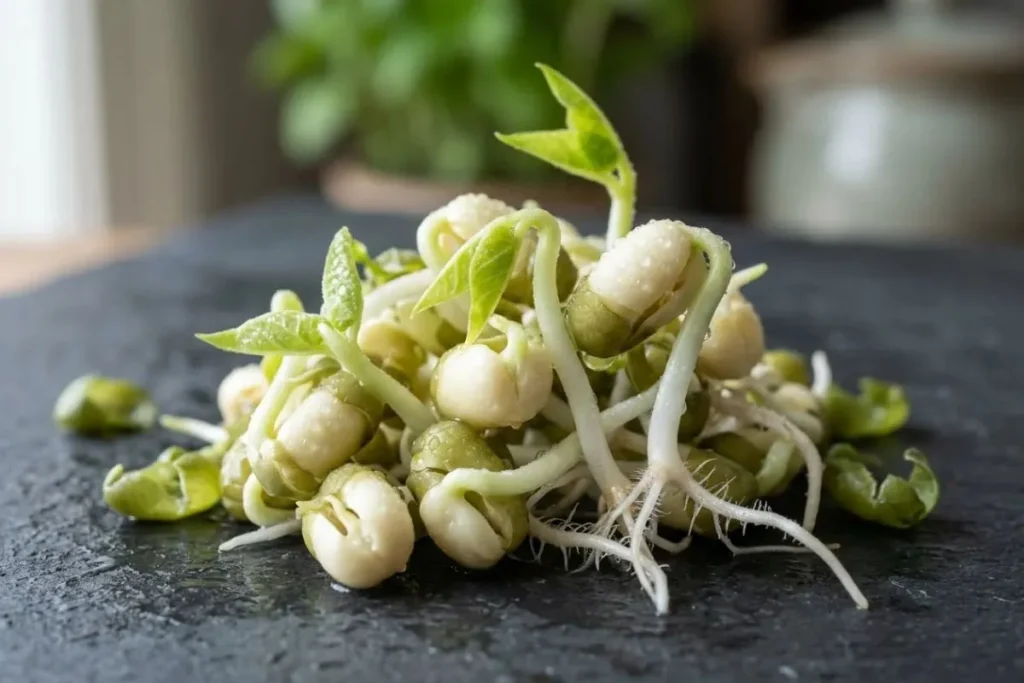
The process is simple, but cleanliness matters. Sprouts grow in warm, moist conditions, which can also allow harmful bacteria to multiply if they’re handled or grown improperly. That’s why choosing seeds intended for sprouting, keeping your equipment clean, and rinsing the sprouts regularly are all important.
This guide explains how to grow bean sprouts indoors, from choosing the right beans to rinsing, harvesting, storing, and troubleshooting your crop.
What Are Bean Sprouts?
Bean sprouts are young shoots that develop when certain beans are soaked and allowed to germinate.
Mung beans are one of the most common choices for sprouting because they produce the familiar crunchy sprouts often used in stir-fries, noodle dishes, salads, and other meals.
Other legumes and seeds can also be sprouted, but they don’t all produce the same texture or appearance. If you’re specifically looking for the long, crisp sprouts commonly sold as bean sprouts, mung beans are a practical choice.
The process doesn’t require soil. Instead, the beans are soaked in water and then kept moist while they germinate.
What You Need to Grow Bean Sprouts at Home
You don’t need a complicated setup.
A clean glass jar or sprouting container works well for small batches. You’ll also need a breathable cover that allows water to drain while keeping insects and debris out. A piece of clean mesh secured over the opening can work, provided it allows adequate drainage.
Most importantly, use seeds or beans specifically sold for sprouting when possible. Seeds intended for planting may have been treated with chemicals or handled differently from food-grade sprouting seeds.
You’ll also need clean drinking water for soaking and rinsing.
How to Grow Bean Sprouts Indoors
Growing bean sprouts indoors is convenient because you can control the environment without worrying about outdoor weather.
Choose Your Beans
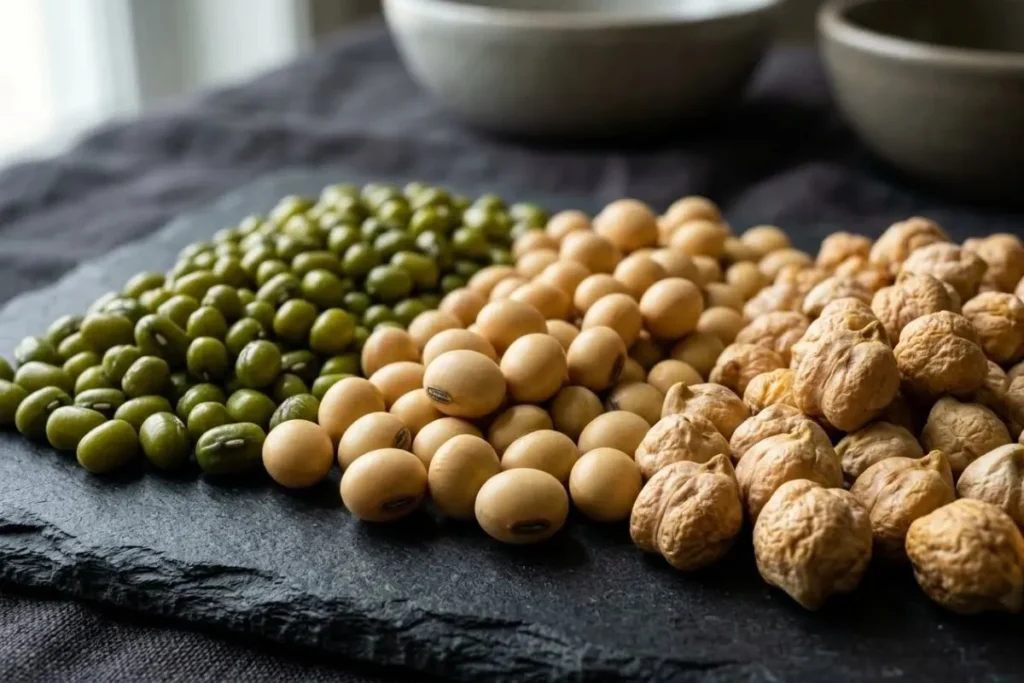
Start with mung beans or another food-grade seed specifically suitable for sprouting.
Check the packaging and avoid beans that are damaged, moldy, or unusually discolored.
For your first batch, it’s better to start small. A modest amount of dry beans can produce considerably more sprouts once they absorb water and grow.
Wash the Beans
Before soaking, rinse the beans thoroughly with clean water.
Remove any visible debris, damaged beans, or foreign material.
This first rinse helps clean the beans before the germination process begins.
Soak the Beans
Place the beans in a clean container and cover them generously with water.
The beans will absorb water and expand, so make sure there is enough room for them to swell.
Leave them to soak for several hours, commonly overnight.
The exact soaking time can vary depending on the type and size of the seed, so follow the instructions supplied with your sprouting seeds when available.
Drain the Water
After soaking, drain the beans thoroughly.
This step is important because you don’t want the beans sitting in stagnant water as they begin to germinate.
Rinse them with clean water and drain them again.
At this point, the beans are ready to begin sprouting.
Rinse the Beans Regularly
Place the drained beans in your clean sprouting container.
Rinse them with fresh, clean water regularly, then drain them thoroughly.
The goal is to keep the beans moist without leaving them submerged.
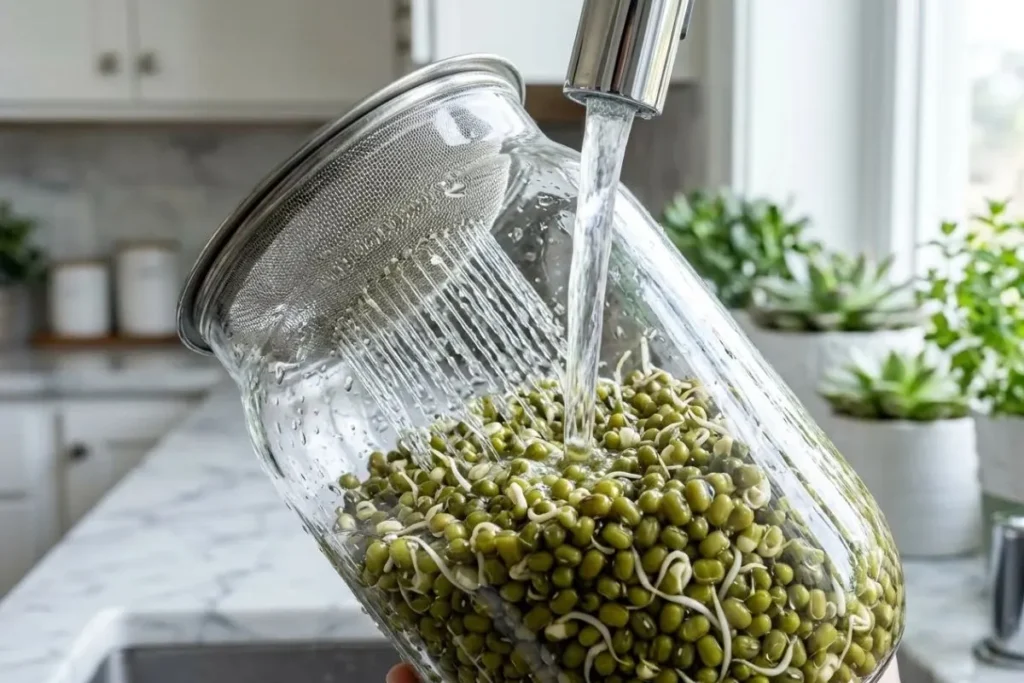
Good drainage is essential. Standing water can create an environment where unwanted microorganisms grow.
As the beans germinate, you’ll start seeing small roots appear. With continued rinsing and proper drainage, these roots will become longer and the sprouts will develop.
Give the Sprouts Room to Grow
As the sprouts become larger, avoid packing too many into a small container.
Crowded sprouts can make it harder for air to circulate and harder for you to rinse and drain them properly.
If your batch becomes too large for the container, divide it between two clean containers.
Harvest the Sprouts
Once the sprouts have reached the size and appearance you want, they’re ready to use.
Give them a final rinse and drain them thoroughly.
You can then add them to meals that call for fresh bean sprouts.
How Long Does It Take to Grow Bean Sprouts?
Bean sprouts generally grow quickly compared with many garden crops.
Depending on the bean variety, temperature, moisture, and growing conditions, sprouts may be ready within several days.
Don’t focus only on the number of days, though. Watch the sprouts themselves.
When the roots and shoots have developed to the size you prefer and the sprouts look fresh and healthy, they’re ready to harvest.
If you notice an unpleasant smell, slimy texture, unusual discoloration, or visible mold, don’t eat the batch.
How to Grow Bean Sprouts Without Soil
One of the biggest advantages of bean sprouts is that you don’t need soil.
The beans contain the nutrients needed to begin germination, while water provides the moisture required for the process.
Instead of planting them in a pot, you simply soak the beans and keep them moist through regular rinsing and draining.
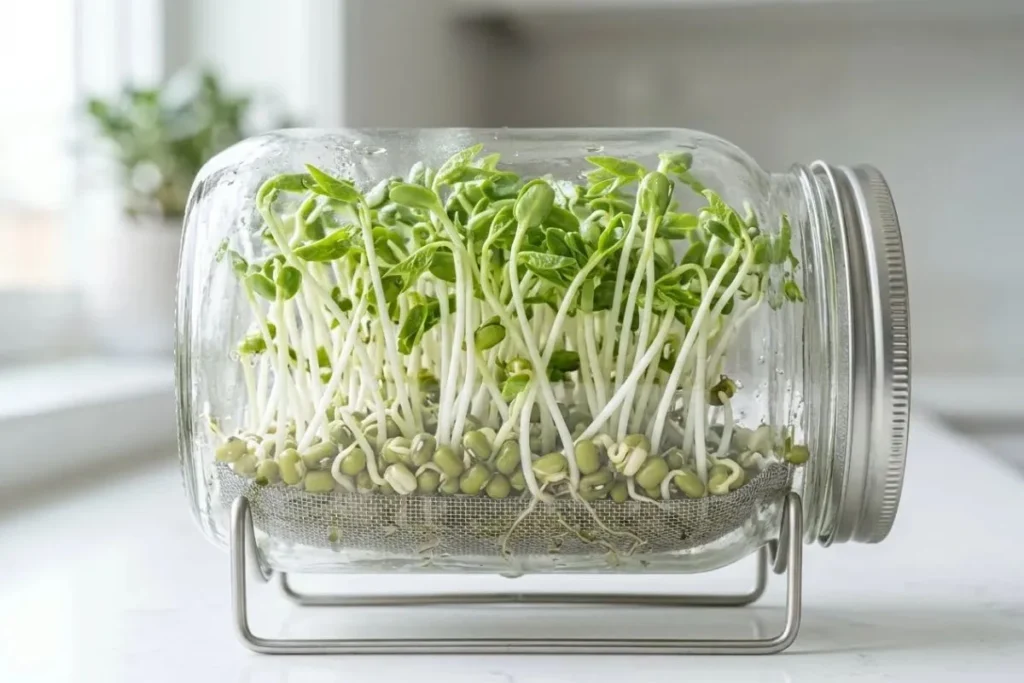
This makes sprouting particularly convenient for people living in apartments or homes without garden space.
A kitchen counter, cupboard, or another suitable indoor location can provide enough room for a small batch.
How Much Water Do Bean Sprouts Need?
Bean sprouts need moisture to grow, but they should not sit continuously in water.
This distinction is important.
During each rinse, thoroughly wet the beans and then allow the water to drain completely. The sprouts should remain moist between rinses without being waterlogged.
Poor drainage is one of the easiest ways to create problems with a sprouting setup.
Where Should You Keep Bean Sprouts?
Keep your sprouting container in a clean location away from direct sunlight and sources of contamination.
A normal indoor environment can work well for sprouting, but avoid places that are excessively hot or where the container is likely to be knocked over or exposed to dirt.
Good ventilation and drainage are important throughout the process.
If the sprouts become excessively warm, slimy, or develop an unusual odor, discard them rather than trying to save the batch.
How to Tell if Bean Sprouts Are Healthy
Fresh sprouts should have a clean appearance and a fresh smell.
The exact color and shape will depend on the variety you’re growing.
What you don’t want to see is obvious mold, sliminess, or a strong unpleasant odor.
If something looks or smells wrong, don’t taste it to determine whether it’s safe. Discard the batch.
Sprouts are a food that deserves extra attention to hygiene because their warm, moist growing environment can support the growth of harmful bacteria.
Common Mistakes When Growing Bean Sprouts
One of the most common mistakes is failing to drain the sprouts properly. Rinsing is important, but leaving the beans sitting in water can cause problems.
Another mistake is using an unclean container. Wash your jar or sprouting equipment thoroughly before starting a new batch.
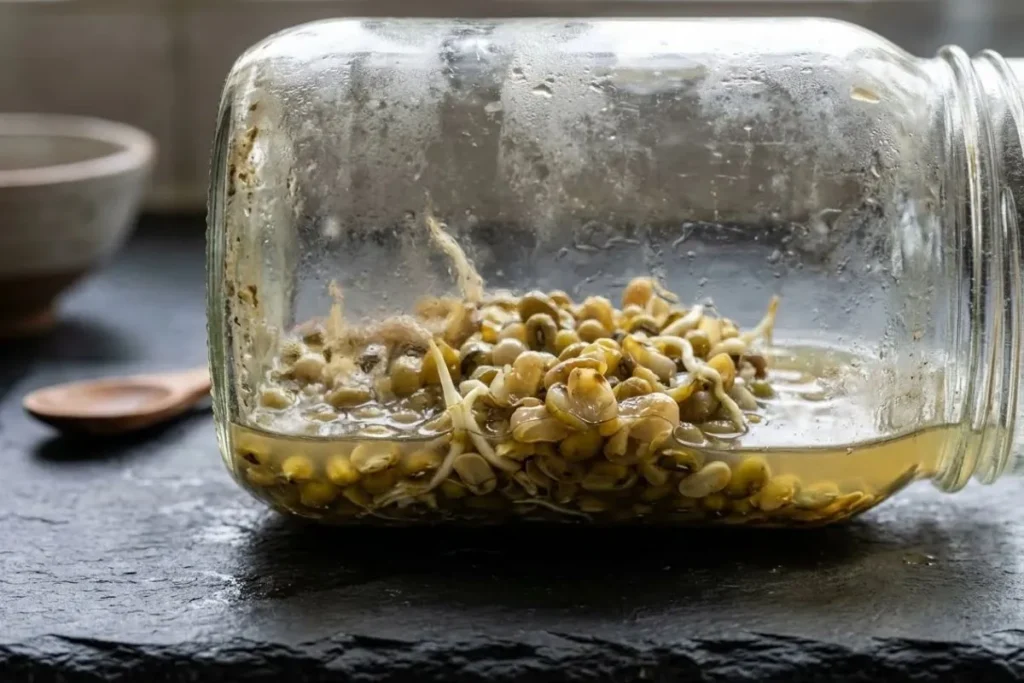
Using the wrong type of seeds is another issue. Choose food-grade seeds intended for sprouting rather than using seeds that may have been chemically treated for gardening.
Overcrowding can also cause trouble. If too many beans are packed into a small container, proper rinsing and drainage become more difficult.
Finally, don’t keep questionable sprouts simply because you don’t want to waste food. If a batch develops mold, an unusual smell, or a slimy texture, throw it away.
How to Store Fresh Bean Sprouts
Fresh sprouts are highly perishable, so it’s best to use them soon after harvesting.
After harvesting, rinse them with clean water and drain them thoroughly. Store them in the refrigerator in a clean container.
Avoid sealing wet sprouts in a way that traps excessive moisture.
Check them before using them. If they have developed an unpleasant odor, slimy texture, mold, or other signs of spoilage, discard them.
Can You Eat Homemade Bean Sprouts Raw?
This is an important safety question.
Raw sprouts can carry harmful bacteria, including bacteria that can cause foodborne illness. Washing does not reliably eliminate all harmful bacteria that may be present.
For people at higher risk of serious foodborne illness, including young children, older adults, pregnant people, and people with weakened immune systems, extra caution with raw sprouts is particularly important.
Cooking sprouts thoroughly can reduce the risk from harmful bacteria.
If you’re growing sprouts at home, treat them as a potentially higher-risk food and follow good food-safety practices from soaking through storage.
How to Use Homemade Bean Sprouts
Once your sprouts are ready, there are plenty of ways to use them.
They can add a fresh, crunchy texture to stir-fries, noodle dishes, soups, wraps, sandwiches, and cooked meals.
Mung bean sprouts are especially popular in Asian-inspired dishes, where their crisp texture works well alongside vegetables, noodles, sauces, and proteins.
If you prefer to eat them cooked, add them toward the end of cooking when appropriate so they retain some of their crunch while being heated thoroughly.
Frequently Asked Questions
How do you grow bean sprouts at home?
Start with food-grade sprouting beans, rinse them, soak them for several hours, then drain them thoroughly. Continue rinsing and draining them regularly while they germinate. Harvest them once they reach the size you prefer.
How can you grow bean sprouts indoors?
You can grow bean sprouts indoors without soil. A clean jar or sprouting container, suitable beans, clean water, and proper drainage are usually enough for a small batch.
How long does it take to grow bean sprouts?
Many bean sprouts grow within several days, although the exact time depends on the variety and growing conditions. Look at the sprouts themselves rather than relying only on the calendar.
Do bean sprouts need sunlight?
Bean sprouts don’t need the same light requirements as plants grown for mature leaves or fruit. Keep them in a suitable clean indoor environment and follow the instructions for your particular sprouting variety.
Can you grow bean sprouts without soil?
Yes. Bean sprouts can be grown without soil because the seed provides the nutrients needed during early germination. Regular rinsing and proper drainage provide the moisture they need.
How often should you rinse bean sprouts?
Rinse them regularly with clean water and drain them thoroughly after each rinse. Follow the instructions provided with your particular sprouting seeds if they specify a different schedule.
Why do my bean sprouts smell bad?
A strong unpleasant smell can indicate spoilage or microbial growth. Don’t eat sprouts that smell unusually bad, feel slimy, or show visible mold. Discard the entire batch.
Why are my bean sprouts not growing?
Several things can interfere with germination, including old or unsuitable seeds, poor moisture management, inadequate drainage, unsuitable temperatures, or overcrowding. Start with fresh food-grade sprouting seeds and make sure excess water can drain away completely.
Can you grow bean sprouts in a jar?
Yes. A clean jar with a breathable cover that allows thorough drainage can work well for small batches. Avoid sealing the jar in a way that prevents airflow or traps excess water.
Conclusion how to grow bean sprouts at home
Learning how to grow bean sprouts at home is much easier than growing most vegetables. You don’t need a garden, soil, or a complicated setup. With suitable sprouting beans, a clean container, fresh water, and regular rinsing and draining, you can grow a fresh batch indoors in just a few days.
The biggest thing to remember is that cleanliness matters. Keep your equipment clean, don’t let the sprouts sit in stagnant water, and discard anything that develops mold, slime, or an unusual odor.
Once you get comfortable with the basic process, you can experiment with different sprouting varieties and find the ones you enjoy most.

Plant Nest Blog’s author is passionate about plants, gardening, and sustainable living. Through research and practical experience, they share helpful plant care tips, gardening guides, and easy solutions to help readers grow healthier plants and create greener spaces.