
Plants need several nutrients to grow, but some play a much bigger role than others. Nitrogen is one of the most important because it helps plants develop healthy leaves, produce essential proteins, and maintain strong overall growth. When a plant does not get enough nitrogen, its leaves may turn yellow, growth can slow down, and the entire plant may look weak.
So, how does nitrogen help plants, and why do gardeners pay so much attention to this nutrient? Nitrogen supports many important processes inside plants, including chlorophyll production, photosynthesis, and the formation of new plant tissues. It also helps vegetables, flowers, and other garden plants develop healthy foliage.
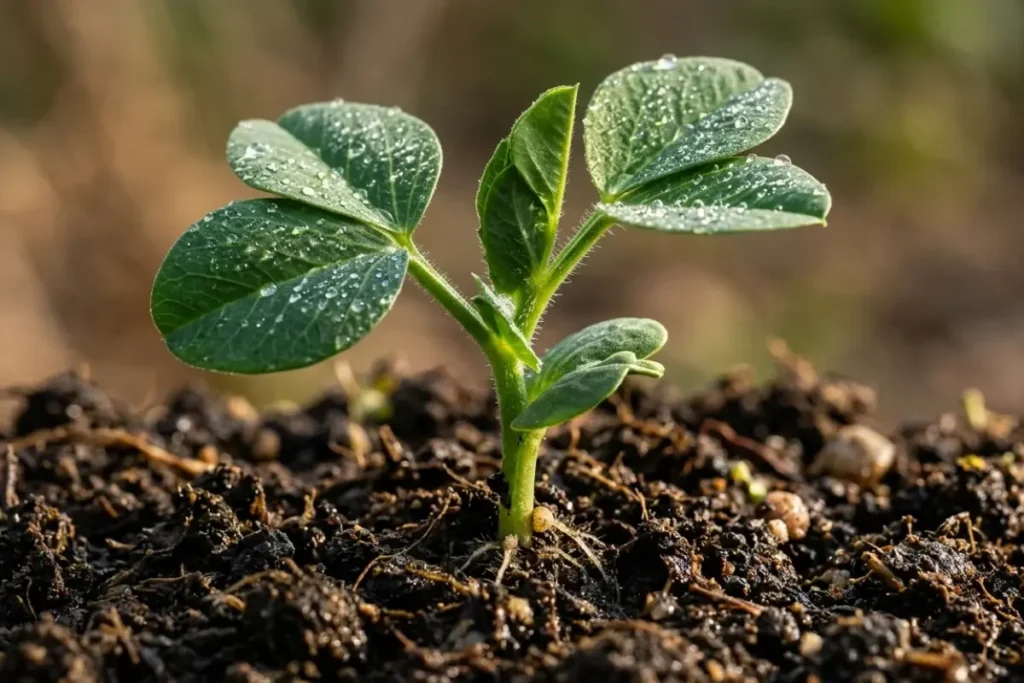
Understanding what does nitrogen do for plants can help you recognize nutrient problems, choose suitable fertilizers, and avoid adding more nitrogen than your plants actually need. Let’s look at how this essential nutrient works and what you can do to keep your plants healthy.
What Is Nitrogen, Why Do Plants Need It, and How Does Nitrogen Help Plants?
Nitrogen is an essential plant nutrient that belongs to a group called primary macronutrients. These nutrients are called primary because plants need them in relatively large amounts. The other two primary macronutrients are phosphorus and potassium.
You may have noticed that many fertilizers display three numbers on their packaging, such as 10-10-10 or 20-10-10. These numbers represent the percentages of nitrogen (N), phosphorus (P₂O₅), and potassium (K₂O) in the fertilizer.
Nitrogen is especially important because plants use it to make amino acids, which are the building blocks of proteins. These proteins help plants develop new cells, grow leaves, and carry out essential biological activities.
Nitrogen also contributes to chlorophyll production. Chlorophyll is the green pigment that allows plants to capture sunlight for photosynthesis. Without enough nitrogen, plants struggle to maintain healthy green foliage and normal growth.
Although nitrogen makes up a large part of Earth’s atmosphere, plants cannot directly use atmospheric nitrogen gas. They mainly absorb nitrogen through their roots in forms such as nitrate and ammonium.
This is why healthy soil, beneficial microorganisms, and proper fertilization all matter when growing plants.
What Does Nitrogen Do for Plants?
Nitrogen supports several important functions that affect almost every stage of plant development. From producing green leaves to building proteins, this nutrient helps plants grow and maintain their basic structure.
Supports Healthy Leaf Growth
One of the most noticeable benefits of nitrogen is its effect on leaf development. Plants need nitrogen to produce proteins and other compounds that help new leaves grow.
When plants receive enough nitrogen, they can develop healthy foliage with a strong green appearance. Their leaves also provide more surface area for capturing sunlight.
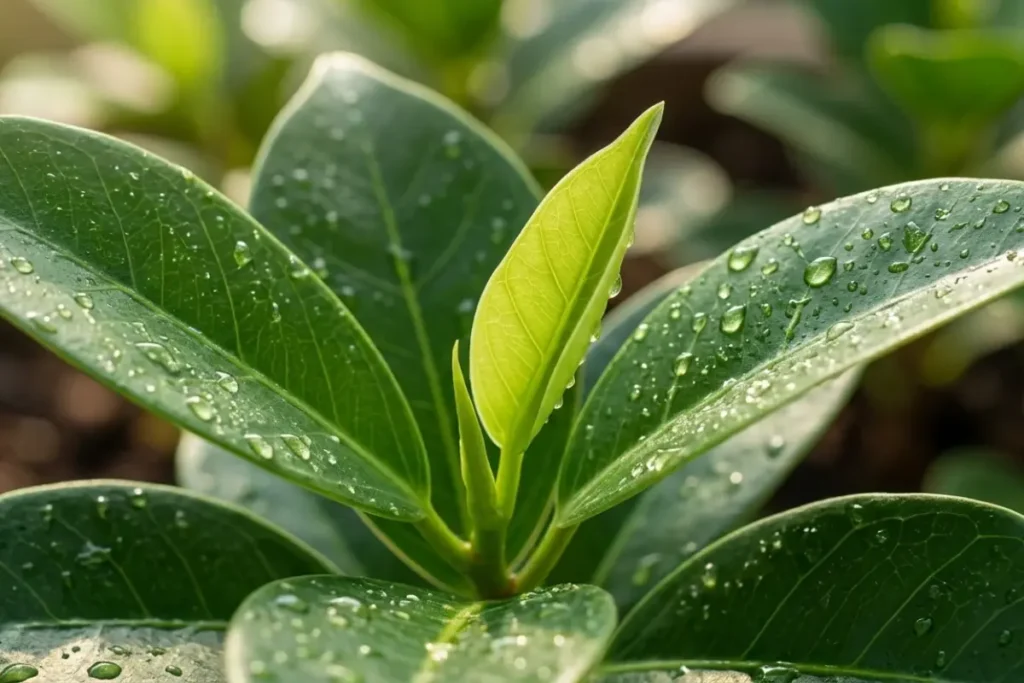
This is particularly important for leafy vegetables such as lettuce, spinach, kale, and cabbage. These plants depend heavily on healthy leaf development to produce the parts people harvest and eat.
However, adding extra nitrogen does not always mean better growth. Too much can encourage excessive leafy growth at the expense of flowers, fruits, or other plant structures.
Helps Plants Produce Chlorophyll
Have you ever wondered why nitrogen-deficient plants often develop pale or yellow leaves? One reason is that nitrogen is necessary for producing chlorophyll.
Chlorophyll is the pigment responsible for the green color of most plants. It absorbs light energy, which plants use during photosynthesis.
When nitrogen becomes limited, chlorophyll production can decrease. As a result, older leaves may gradually turn pale green or yellow.
Providing an appropriate amount of nitrogen helps plants maintain healthy green foliage. However, yellow leaves can also indicate other problems, including iron deficiency, overwatering, and poor drainage. Therefore, it is worth checking the growing conditions before applying fertilizer.
Improves Photosynthesis
Photosynthesis is the process through which plants use sunlight, water, and carbon dioxide to produce sugars.
Nitrogen supports this process by helping plants produce chlorophyll and important proteins involved in photosynthesis. These proteins help the plant capture and use energy from sunlight.
When nitrogen levels are too low, plants may produce less chlorophyll and develop fewer healthy leaves. This can reduce their ability to capture sunlight efficiently.
Adequate nitrogen helps maintain the leaf structure and biological processes needed for normal photosynthesis.. Encourages Strong Stem and Shoot Development
Encourages Strong Stem and Shoot Development
Nitrogen also plays an important role in developing stems and new shoots. Plants need proteins and other nitrogen-containing compounds to build new tissues.
When nitrogen is available in suitable amounts, plants can produce healthy stems and continue developing new shoots.
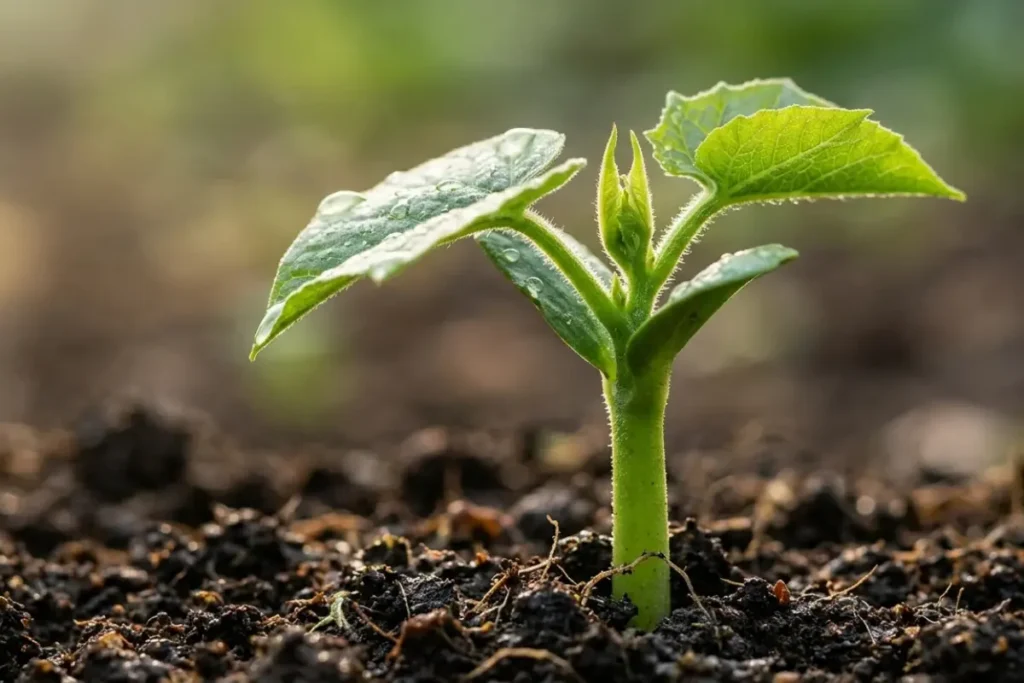
This is especially useful for leafy garden plants, herbs, and vegetables that need consistent vegetative growth.
However, excessive nitrogen may produce soft, weak growth in some plants. Such plants can become more difficult to support and may be more vulnerable to certain pests and diseases.
Helps Plants Produce Proteins
Proteins are essential for plant growth, and nitrogen is one of their main building blocks.
Plants use nitrogen to produce amino acids, which combine to form proteins. These proteins perform many important jobs, including supporting cell development, enzyme activity, and plant metabolism.
Without enough nitrogen, plants cannot maintain normal protein production. Their growth may slow down, and existing leaves may begin showing deficiency symptoms.
This explains why nitrogen is considered one of the most important nutrients for healthy plant development.
Supports the Formation of New Plant Cells
Plants constantly produce new cells as they grow. These cells help develop leaves, stems, roots, flowers, and other structures.
Nitrogen contributes to the production of nucleic acids, including DNA and RNA, which carry and use genetic information inside plant cells.
It also supports protein production, which is necessary for cell growth and normal functioning.
When plants receive sufficient nitrogen, they can maintain the biological processes needed to develop new tissues.
Helps Plants Grow Faster
Nitrogen is often associated with faster plant growth because it supports leaf production, protein formation, and several essential metabolic processes.
When a plant has a nitrogen deficiency, its growth may become slow and limited. Supplying the missing nutrient can help it return to healthier development.
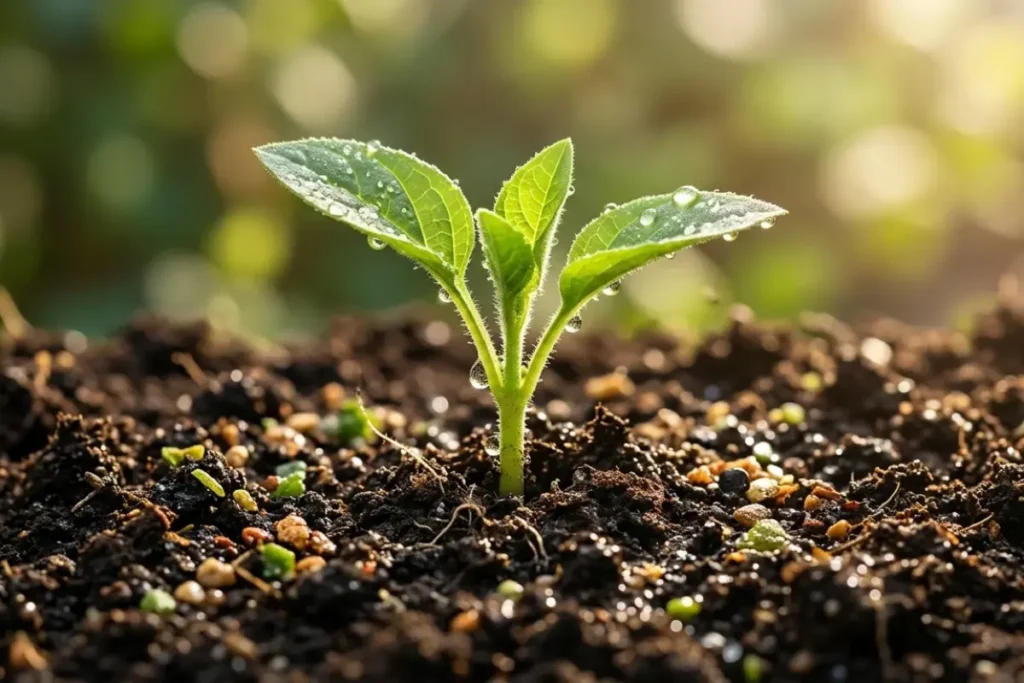
For example, a leafy vegetable growing in nitrogen-deficient soil may produce small leaves and develop slowly. Correcting the deficiency can improve its foliage growth over time.
Remember that nitrogen alone cannot solve every growth problem. Plants also need enough sunlight, water, phosphorus, potassium, and other essential nutrients.
Supports Root Development
Nitrogen is important for overall plant development, including root growth. Healthy roots help plants absorb water and nutrients from the soil.
However, nitrogen does not work alone in root development. Other nutrients, especially phosphorus, also play important roles.
Too much nitrogen can sometimes encourage excessive shoot growth compared with root development. This is why balanced plant nutrition is more useful than applying large amounts of nitrogen fertilizer.
Helps Plants Maintain Healthy Green Color
A healthy green color usually indicates that a plant has enough chlorophyll to support its normal functions.
Because nitrogen contributes to chlorophyll production, it helps plants maintain their natural green appearance.
When nitrogen becomes insufficient, older leaves often show yellowing first. This happens because nitrogen is mobile inside plants, meaning they can move it from older leaves to younger, actively growing tissues.
As a result, the lower leaves may become pale while newer leaves remain greener.
Supports Flower and Fruit Development
Nitrogen helps plants grow the leaves and stems needed to support their overall development. It also contributes to the proteins and enzymes involved in reproductive growth.
However, flowering and fruit production depend on a balance of nutrients rather than nitrogen alone.
Too much nitrogen can encourage excessive foliage and delay flowering or reduce fruit production in certain plants.
For example, a tomato plant receiving too much nitrogen may develop lots of green leaves but produce fewer flowers than expected.
The goal is to provide enough nitrogen for healthy growth without encouraging excessive vegetative development.
How Do Plants Absorb Nitrogen From the Soil?
Plants mainly absorb nitrogen through their roots. However, they cannot use every form of nitrogen found in soil or organic materials.
Most plants take up nitrogen in two primary forms: nitrate and ammonium.
Nitrate Nitrogen
Nitrate is a form of nitrogen that dissolves in soil water and moves toward plant roots.
Plants absorb nitrate through specialized transport systems in their root cells. After absorption, they convert it into forms that can be used to produce amino acids and proteins.
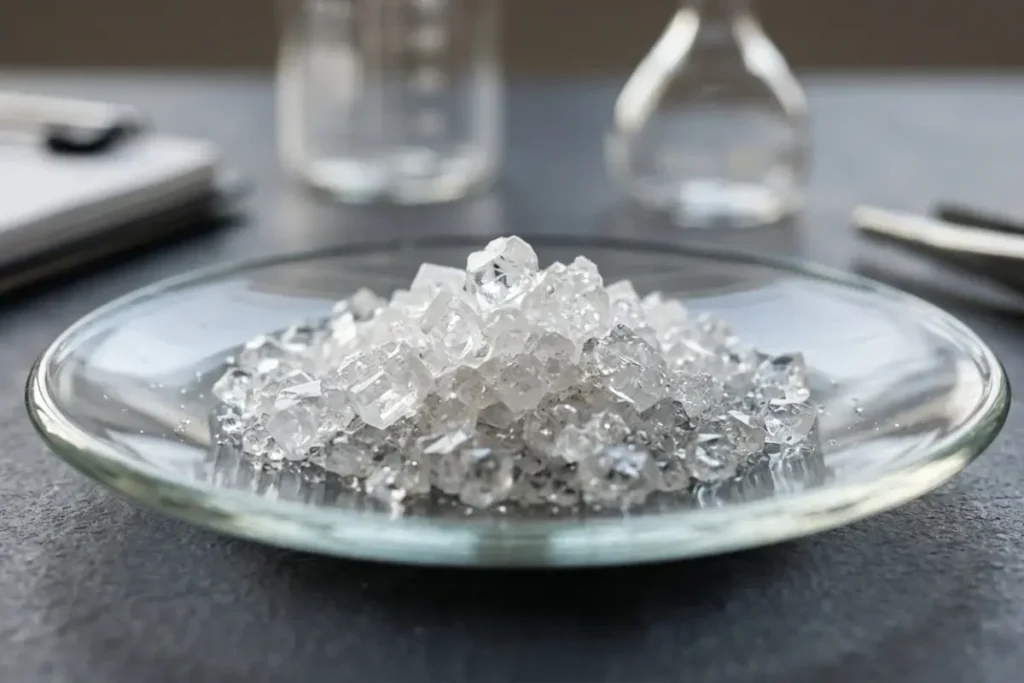
Nitrate is particularly important in many agricultural and garden soils because it is readily available for plant uptake.
However, nitrate can move through soil with water. Heavy rainfall or excessive irrigation may wash it below the root zone, making it unavailable to plants.
Ammonium Nitrogen
Ammonium is another form of nitrogen that plants can absorb directly through their roots.
It is commonly produced when soil microorganisms break down organic materials. Some nitrogen fertilizers also contain ammonium.
Unlike nitrate, ammonium carries a positive electrical charge and can attach to negatively charged soil particles. This often makes it less likely to move through soil water.
Plants can use ammonium to produce amino acids and other nitrogen-containing compounds.
However, excessive ammonium can harm plants and disturb nutrient balance. The right amount depends on the plant species and growing conditions.
What Happens When Plants Do Not Get Enough Nitrogen?
Nitrogen deficiency occurs when plants cannot obtain enough usable nitrogen to support their normal growth.
It is a common nutrient problem, especially in soils with low organic matter, heavily planted garden beds, or growing conditions that cause nutrient loss.
Recognizing the signs early can help you correct the problem before plant growth becomes seriously affected.
Some common signs include:
- Yellowing older leaves: Lower leaves often turn pale green or yellow first.
- Slow growth: Plants may become smaller and develop new leaves slowly.
- Small leaves: New foliage may not reach its normal size.
- Thin stems: Some plants develop weaker or less vigorous growth.
- Early leaf loss: Older leaves may dry out and fall off sooner than expected.
- Poor overall development: The plant may look weak compared with healthy plants of the same type.
One important thing to remember is that yellow leaves do not always mean nitrogen deficiency. Overwatering, root damage, poor drainage, and other nutrient problems can produce similar symptoms.
Before adding nitrogen fertilizer, check the soil moisture, drainage, and overall growing conditions.
What Are the Best Sources of Nitrogen for Plants?
Plants can obtain nitrogen from several sources. Some are natural organic materials, while others are commercially manufactured fertilizers.
Choosing the right source depends on your soil, plant type, and gardening goals.
Compost
Compost is a useful organic material that adds nutrients and improves soil structure.
It contains nitrogen from decomposed plant materials and other organic matter. However, its nitrogen content varies depending on the ingredients and composting process.
Mixing mature compost into garden soil can improve its overall quality and support beneficial soil microorganisms.
Animal Manure
Composted animal manure can provide nitrogen and other nutrients.
Chicken, cow, and horse manure are common examples used in gardening. However, fresh manure can contain excessive nutrients and may damage plants.
It can also introduce harmful microorganisms when handled or applied incorrectly.
Use properly composted manure and follow suitable application guidelines for edible crops.
Blood Meal
Blood meal is a concentrated organic nitrogen fertilizer made from dried animal blood.
It releases nitrogen as soil microorganisms break down the material. Gardeners often use it when they need to increase nitrogen availability in the soil.
Because it is concentrated, applying too much can damage plants or create nutrient imbalances. Always follow the product label.
Fish Emulsion
Fish emulsion is a liquid fertilizer made from processed fish materials.
It provides nitrogen along with smaller amounts of other nutrients, depending on the formulation.
Many gardeners use it to support leafy growth. Its nutrient content varies, so check the label before applying it.
Urea Fertilizer
Urea is a widely used nitrogen fertilizer with a high nitrogen concentration.
Soil microorganisms convert urea into ammonium through a process called hydrolysis. Plants can then absorb the resulting nitrogen in suitable forms.
Urea needs proper application because nitrogen can be lost as ammonia gas when it remains on the soil surface under certain conditions.
Follow the fertilizer instructions and avoid applying more than your plants require.
Can Plants Get Too Much Nitrogen?
Yes. Although nitrogen is essential for healthy plant growth, excessive amounts can create several problems.
Many gardeners assume that adding more fertilizer will make plants grow faster and look healthier. Unfortunately, this approach can sometimes do more harm than good.
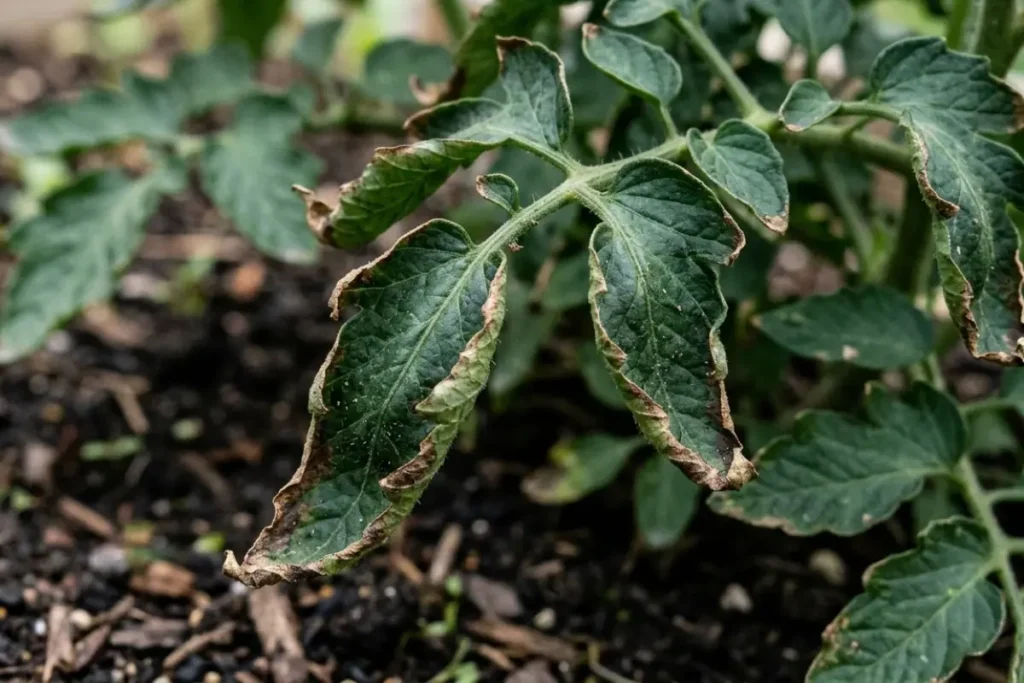
Too much nitrogen can encourage excessive leaf and stem growth. Plants may produce plenty of green foliage but fewer flowers or fruits.
It can also lead to soft growth, delayed maturity, and nutrient imbalances. In some cases, excessive fertilizer application can damage roots and cause leaf-edge burning.
Another concern is environmental pollution. Excess nitrate can move through soil water and contaminate groundwater or nearby water bodies.
To avoid these problems, test your soil when possible, select a suitable fertilizer, and follow the recommended application rate.
How to Add Nitrogen to Soil Without Harming Plants
Adding nitrogen is not difficult, but the amount and timing matter.
Start by understanding what your plants actually need. Different plants have different nitrogen requirements, and their needs can change during the growing season.
If your soil test shows low nitrogen, you can choose an appropriate fertilizer or organic amendment.
Apply compost to improve soil quality and provide a gradual supply of nutrients. For faster nutrient availability, a suitable nitrogen fertilizer may be more appropriate.
Water according to the fertilizer instructions so that nutrients can reach the root zone. Avoid overwatering because excessive water can move nitrate below the roots.
You should also pay attention to plant growth after fertilizing. Healthy new leaves and improved growth may indicate that the deficiency is being corrected.
Avoid repeatedly adding nitrogen simply because older leaves remain yellow. Damaged leaves may not turn green again, even after the nutrient problem has been corrected.
Which Plants Need More Nitrogen?
Most plants need nitrogen, but some benefit from higher amounts during active vegetative growth.
Leafy vegetables are particularly dependent on healthy foliage production.
Leafy Vegetables
Lettuce, spinach, kale, cabbage, and other leafy vegetables need sufficient nitrogen to develop healthy leaves.
Nitrogen deficiency can result in pale foliage and reduced leaf production.
Lawn Grass
Grass needs nitrogen to maintain healthy green growth and recover from regular mowing.
However, excessive nitrogen can encourage rapid growth and increase mowing requirements. Follow lawn fertilizer recommendations rather than applying it too frequently.
Corn and Other Cereal Crops
Corn, wheat, and other cereal crops require nitrogen for healthy development.
Nitrogen supports leaf growth, photosynthesis, and the formation of plant proteins. A deficiency can limit crop development and reduce productivity.
Indoor Plants
Indoor plants also need nitrogen, although their requirements vary.
Plants such as pothos, monstera, and peace lilies benefit from balanced nutrition during active growth.
Since indoor plants often grow in containers, excessive fertilizer can accumulate in the growing medium. Use a suitable houseplant fertilizer at the recommended rate.
Nitrogen vs. Phosphorus vs. Potassium: What Is the Difference?
Nitrogen, phosphorus, and potassium are the three primary macronutrients plants need in relatively large amounts. However, each performs different functions.
| Nutrient | Main Role in Plants |
| Nitrogen (N) | Supports leaf growth, chlorophyll, and protein production |
| Phosphorus (P) | Supports energy transfer, root development, and reproductive growth |
| Potassium (K) | Helps regulate water balance, enzyme activity, and stress responses |
These nutrients work together to support healthy plant development.
For example, nitrogen helps develop healthy foliage, phosphorus supports energy-related processes and root development, while potassium helps regulate several important plant functions.
A balanced fertilizer supplies nutrients in suitable proportions, but the best ratio depends on the plants and soil conditions.
Frequently Asked Questions About Nitrogen for Plants
What does nitrogen do for plants?
Nitrogen helps plants produce chlorophyll, proteins, amino acids, and new tissues. It supports healthy leaves, photosynthesis, and overall plant growth.
Why is nitrogen important for plant growth?
Nitrogen is important because plants need it to produce essential compounds involved in growth and development. Without enough nitrogen, plants may develop yellow leaves and grow slowly.
Does nitrogen make plant leaves greener?
Yes. Nitrogen supports chlorophyll production, which gives leaves their green color. However, yellow leaves can have several causes, so check for other problems before applying fertilizer.
What are the signs of nitrogen deficiency in plants?
Common signs include yellowing older leaves, slow growth, small leaves, and weak overall development.
Can too much nitrogen kill plants?
Yes. Excessive nitrogen fertilizer can damage roots, burn leaves, disturb nutrient balance, and sometimes cause serious plant injury.
Which fertilizer is highest in nitrogen?
Urea is a concentrated nitrogen fertilizer. Many commercial urea products contain approximately 46% nitrogen, although you should always check the product label.
Do plants absorb nitrogen through their leaves?
Plants mainly absorb nitrogen through their roots. However, they can also absorb certain nitrogen-containing nutrients through their leaves when suitable foliar fertilizers are applied.
Is nitrogen good for flowering plants?
Yes, flowering plants need nitrogen for healthy foliage and overall development. However, excessive nitrogen can encourage leaf growth at the expense of flowering in some species.
What is the best natural source of nitrogen for plants?
Composted animal manure, compost, and certain plant-based organic materials can provide nitrogen. Their nutrient content varies, so the best option depends on your soil and plants.
How often should I add nitrogen to my plants?
There is no single schedule for every plant. Nitrogen requirements depend on plant species, soil conditions, fertilizer type, and growing season. Follow soil test recommendations and fertilizer label instructions.
Final Thoughts: How Does Nitrogen Help Plants?
Nitrogen plays a major role in keeping plants healthy and supporting their growth. It helps produce chlorophyll, build proteins, develop new leaves, and maintain the processes plants need to survive.
If you notice yellowing older leaves or unusually slow growth, nitrogen deficiency could be one possible reason. However, always check the soil and growing conditions before adding fertilizer.
The key is to provide the right amount of nitrogen at the right time. Too little can limit plant growth, while too much can create new problems. When nitrogen is balanced with phosphorus, potassium, and other essential nutrients, plants have a much better chance of developing healthy foliage and strong overall growth.

Plant Nest Blog’s author is passionate about plants, gardening, and sustainable living. Through research and practical experience, they share helpful plant care tips, gardening guides, and easy solutions to help readers grow healthier plants and create greener spaces.