
A common idea is that. you need a huge garden or dozens of flowers to attract butterflies and hummingbirds, but that is not true. Even a small backyard, patio, or garden corner can become inviting with the right plants to attract butterflies and hummingbirds. The key is to choose flowers that offer plenty of nectar and bloom at different times.
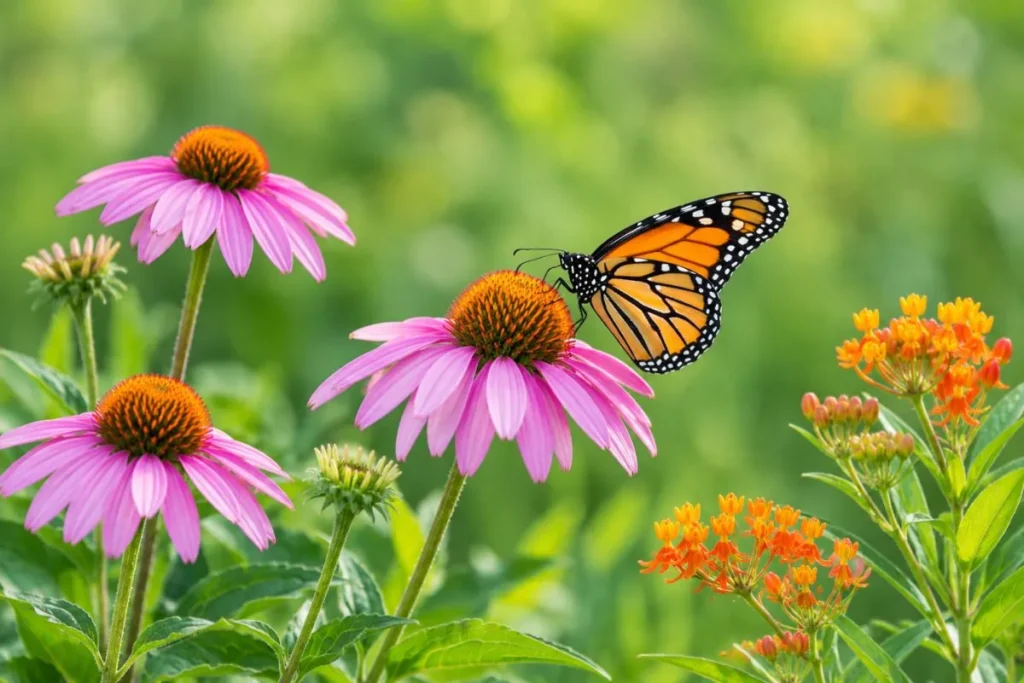
You also do not need a complicated setup. A few pollinator-friendly flowers, colorful blooms, and suitable plants can turn an ordinary space into a lively garden. Whether you want a backyard butterfly garden, a hummingbird-friendly garden, or simply more wildlife around your plants, smart plant choices can make a noticeable difference.
What Plants Attract Butterflies and Hummingbirds?
Butterflies and hummingbirds are naturally drawn to plants that provide an easy source of nectar. Flowers with bright colors, strong nectar production, and accessible blooms can make your garden more appealing.
This is why nectar-rich flowers, butterfly nectar flowers, and hummingbird nectar flowers are commonly used in pollinator gardens.
The best approach is not to depend on one flower. Instead, combine different plants for butterflies and hummingbirds so something is flowering during different parts of the growing season.
You can mix annuals, perennials, native flowering plants, and other wildlife garden plants to create a more useful and attractive space.
What Do Butterflies Look for in Garden Plants?
Butterflies often visit flowers where nectar is easy to reach. They commonly use colorful blooms and sunny garden areas where they can feed and rest comfortably. Plants with clusters of small flowers can also provide plenty of feeding opportunities in one spot.
When choosing plants to attract butterflies and hummingbirds, look for flowers that offer nectar while also fitting your local growing conditions. A butterfly-friendly garden does not have to look wild or messy.
You can create a neat garden while still providing useful food sources for butterflies.
What Do Hummingbirds Look for in Flowers?
Hummingbirds need a lot of energy, so nectar-producing flowers are especially valuable to them. They are often attracted to brightly colored, tubular flowers that allow their long bills to reach the nectar. Adding several suitable hummingbird garden flowers can make your garden more inviting.
For the best results, think beyond flower color. A garden with a steady supply of nectar, different flowering plants, and safe places to rest can provide a more welcoming environment.
That combination helps turn simple flower beds into a pollinator-friendly garden where butterflies and hummingbirds can visit throughout the season.
Best Plants to Attract Butterflies and Hummingbirds
Many gardeners think the best plants to attract butterflies and hummingbirds have to be difficult to grow or need special care. That is not the case. Many popular garden flowers can provide nectar while also adding color and beauty to your outdoor space.
The trick is to choose several plants with different flower shapes, colors, and blooming times.
If you want a garden filled with activity, focus on plants that offer something useful to pollinators. The following plants to attract butterflies and hummingbirds include easy options for beginners as well as long-lasting flowers for established gardens.
Bee Balm
Bee balm is one of the most useful plants for butterflies and hummingbirds, especially when you want a flower that attracts both. Its colorful, tubular blooms provide nectar that hummingbirds can easily reach, while butterflies can also visit the flowers for feeding.
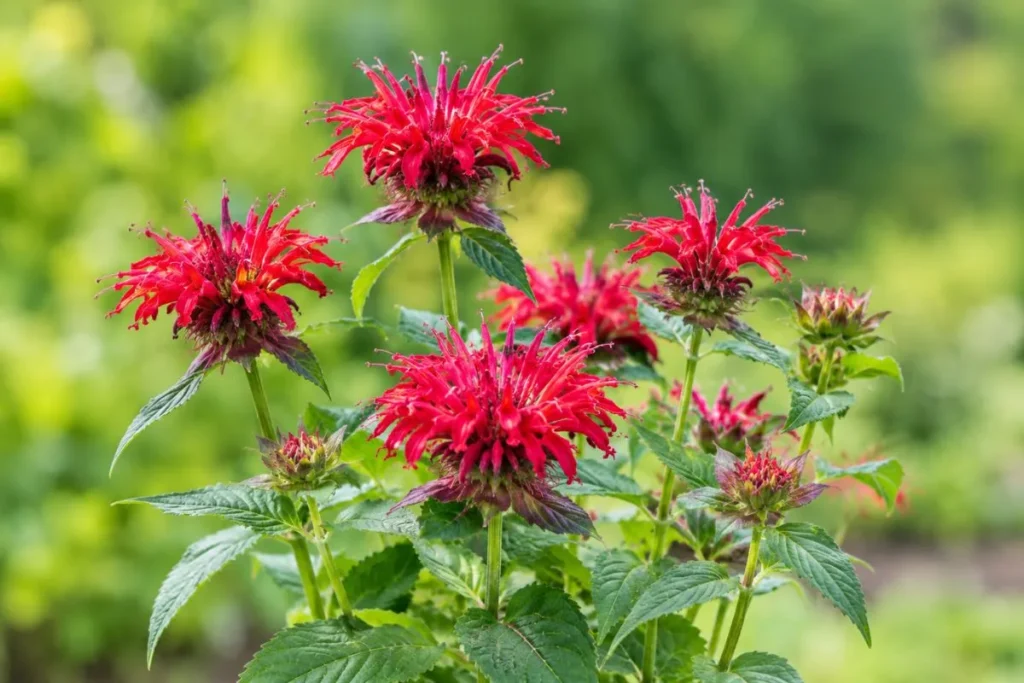
Bee balm grows best in a sunny location with well-drained soil. It can spread over time, so give it enough room to grow. Its bright flowers also make it a beautiful choice for a butterfly-friendly garden or backyard pollinator space.
Butterfly Bush
As its name suggests, butterfly bush is a popular choice for attracting butterflies. Its long flower clusters produce nectar and can become a busy feeding spot when the plant is in bloom.
Hummingbirds may also visit its flowers, making it a useful addition when looking for plants that attract butterflies and hummingbirds.
Choose a sunny location and give the shrub enough space to develop. Regular pruning can help maintain its shape and encourage fresh growth, depending on the variety and local growing conditions.
Salvia
Salvia is a smart choice if hummingbirds are one of your main garden visitors. Many salvia varieties have tubular flowers that make nectar easy for hummingbirds to reach. Butterflies can also visit the blooms, especially when the plant produces plenty of flowers.
There are many types of salvia, so gardeners can find options suited to different climates and garden styles. Plant it where it receives plenty of sunlight, and avoid keeping the soil constantly soggy.
Coneflower
Coneflower is a dependable perennial for a colorful pollinator garden. Its daisy-like flowers can attract butterflies, while the plant also supports other garden visitors.
Because it returns year after year under suitable conditions, it is a practical option among perennial plants to attract butterflies and hummingbirds.
Coneflowers usually prefer full sun and reasonably well-drained soil. Their sturdy stems also work nicely toward the middle or back of a flower bed, where they can add height without requiring complicated care.
Zinnia
Zinnias are excellent if you want bright color without making gardening complicated. Their flowers come in several shades and can attract butterflies during the blooming season. They are also useful as part of a mixed pollinator planting.
These flowers are particularly helpful for gardeners who want easy plants to attract butterflies and hummingbirds. Grow them in a sunny spot and keep them flowering by removing spent blooms when needed. Planting several colors together can create a lively garden display.
Lantana
Lantana produces clusters of small flowers in warm, bright colors. Butterflies often visit these blooms for nectar, and hummingbirds may also stop by. This makes lantana a useful choice for gardeners searching for colorful plants to attract butterflies and hummingbirds.
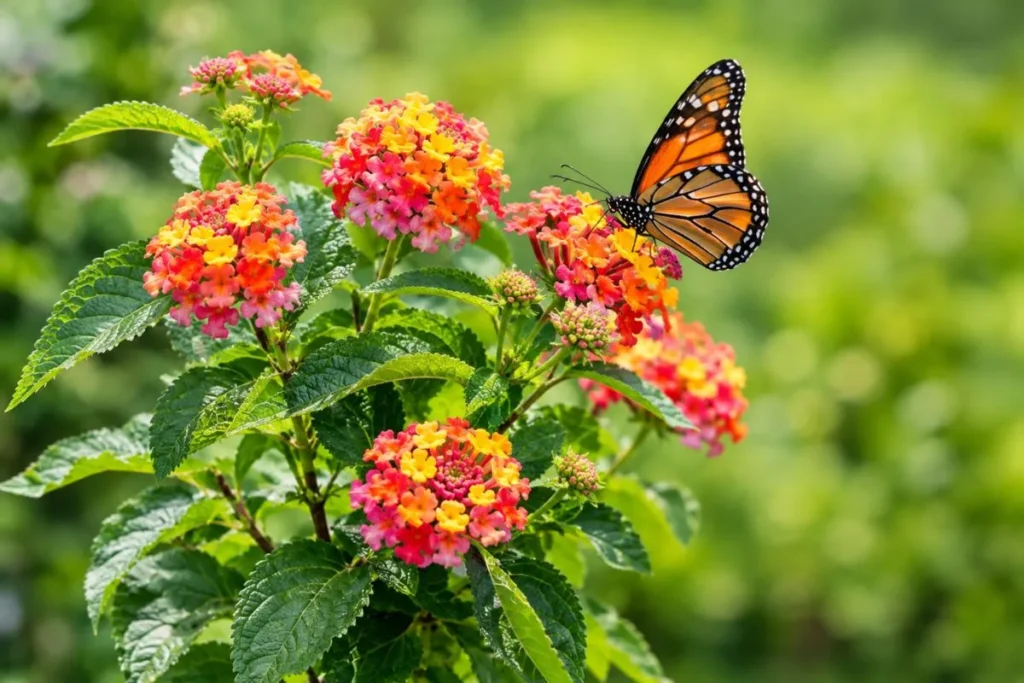
It generally performs well in sunny locations and warm conditions. Lantana can work in flower beds as well as containers, making it suitable for smaller gardens. Choose a variety that fits your local climate and growing conditions.
Cardinal Flower
Cardinal flower stands out with its striking red blooms. Its tubular flowers are particularly attractive to hummingbirds, while the plant can also contribute to a pollinator-friendly landscape.
Unlike some dry-loving flowers, cardinal flower prefers consistently moist soil. It can be a good choice for a naturally damp part of the garden where other plants may struggle. Give it suitable light and moisture, and it can add a strong splash of color.
Trumpet Vine
Trumpet vine produces long, trumpet-shaped flowers that are especially suited to hummingbirds. The flowers provide a convenient nectar source while their bright appearance makes the plant easy to notice in the garden.
This vigorous vine needs space and support. Before planting it, consider where you want it to spread because it can become difficult to control in some settings. With the right location and management, it can become one of the most noticeable hummingbird habitat plants in a garden.
Penstemon
Penstemon offers tubular flowers in shades that can appeal to hummingbirds and butterflies. It is a useful option when you want flowering plants that add vertical interest without taking over the entire garden.
Many penstemon varieties prefer plenty of sunlight and well-drained soil. Because different species have different needs, check the requirements of the variety you choose. This makes penstemon a flexible option for gardeners building a diverse pollinator planting.
Phlox
Phlox brings clusters of colorful flowers to the garden and can provide nectar for butterflies and other pollinators. Depending on the type, phlox can work as a low-growing ground cover or as a taller flowering plant.
Adding phlox to a mixed planting gives butterflies another source of nectar while filling the garden with color. It can fit nicely into garden flowers for pollinators, borders, cottage-style gardens, and wildlife-friendly spaces.
Aster
Asters are especially valuable when you want flowers later in the season. Their small blooms can provide nectar when some earlier flowers have already finished blooming. This helps create a more continuous food supply for butterflies and other pollinators.
Asters are also useful for gardeners interested in long-blooming flowers for pollinators. Plant them in a suitable sunny location and combine them with early- and summer-blooming plants to keep your garden productive for longer.
Milkweed
Milkweed is an important plant for butterfly gardens because it serves as a host plant for monarch butterfly caterpillars. Adult butterflies can also visit its flowers for nectar.
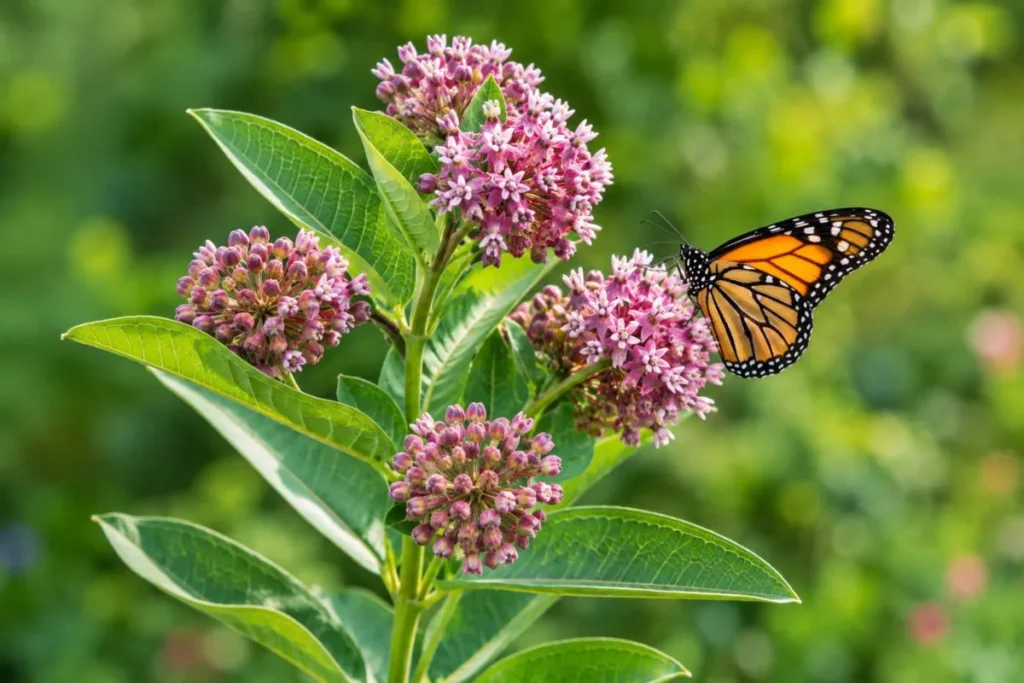
If your goal is to create genuine butterfly habitat plants, milkweed deserves consideration. Choose a milkweed species that is appropriate for your area rather than planting a species simply because it is popular elsewhere. Native options can be especially useful for supporting local wildlife.
Lavender
Lavender combines beauty, fragrance, and pollinator value. Its small purple flowers can provide nectar for butterflies and other beneficial insects. It also adds a pleasant scent and a neat appearance to garden beds.
Lavender generally prefers plenty of sunlight and well-drained soil. Avoid planting it in areas where water tends to collect. Its tidy growth makes it a useful choice for gardeners who want low-maintenance plants to attract butterflies and hummingbirds while keeping the garden attractive.
Sunflower
Sunflowers can turn an ordinary garden corner into a bright, noticeable pollinator area. Their large flower heads can attract butterflies and other insects, while the mature plants can also provide seeds that are useful to birds.
There are many sunflower varieties, from tall garden giants to shorter types suitable for containers or small beds. Give them plenty of sunlight and enough room to grow. They are a simple way to add flowering plants for wildlife to your garden.
Pentas
Pentas produce rounded clusters of small, star-shaped flowers that can attract hummingbirds and butterflies. They are particularly useful in warm climates and can provide repeated blooms when growing conditions are favorable.
Their compact growth also makes them practical for containers and smaller garden spaces. If you are looking for easy hummingbird garden plants, pentas can be worth considering, especially where the climate supports them.
Fuchsia
Fuchsia is known for its distinctive hanging flowers. The shape of the blooms can make them accessible to hummingbirds, and their unusual appearance adds interest to shaded or partly shaded garden areas, depending on the variety.
Fuchsia can be grown in containers, hanging baskets, or suitable garden locations. It usually needs more consistent moisture than drought-tolerant plants, so pay attention to watering. It is a useful option when you want hummingbird garden flowers beyond the typical sunny flower bed.
Honeysuckle
Honeysuckle can provide tubular flowers that hummingbirds enjoy visiting. Some varieties also offer a useful nectar source for butterflies and other pollinators. As a vine or shrub, it can add another layer to a wildlife-friendly garden.
Choose the species carefully because honeysuckle plants vary greatly, and some types can become invasive outside their native range. A suitable native variety can be a valuable addition to a garden designed around native plants to attract butterflies and hummingbirds.
When choosing among these plants, do not feel that you need to grow all of them. Start with a few that match your sunlight, soil, climate, and available space.
A combination of nectar-rich flowers, native plants, perennials, and long-blooming varieties can create a more useful garden for butterflies and hummingbirds throughout the season.
Best Flowers to Attract Butterflies and Hummingbirds
It is easy to assume that any bright flower will automatically attract butterflies and hummingbirds, but that is not quite true. Color helps, but nectar, flower shape, bloom time, and growing conditions matter too.
The best flowers to attract butterflies and hummingbirds give these visitors a useful food source while also fitting comfortably into your garden.
Instead of filling your garden with every colorful bloom you can find, choose flowers with different shapes and flowering periods. This gives pollinators more opportunities to feed and helps your garden stay interesting throughout the season.
A thoughtful mix of flowers for butterflies and hummingbirds can also make a small garden feel much more lively.
Colorful Flowers That Attract Butterflies
Butterflies are naturally drawn to many brightly colored flowers, especially blooms in shades of purple, pink, yellow, orange, and red. However, color alone does not make a flower useful. Butterflies need accessible nectar, so flowers with open or easy-to-reach centers can be particularly helpful.
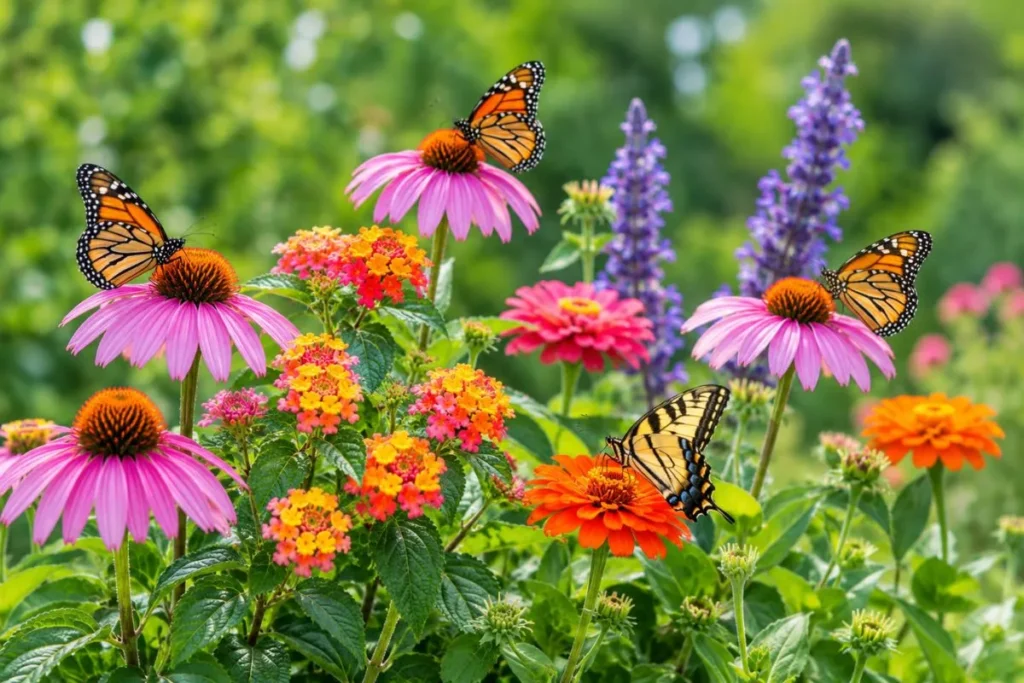
When choosing colorful flowers for butterflies, think about creating a mixture rather than planting only one shade. Different colors can make your garden more attractive while providing a variety of feeding spots.
Plants with clusters of smaller flowers can also give butterflies several nearby places to feed.
A colorful butterfly garden does not need to be complicated. Combine flowers that bloom at different times so your garden continues producing nectar instead of becoming empty after one short flowering period.
This approach works especially well for a backyard butterfly garden or a larger pollinator bed.
Colorful Flowers That Attract Hummingbirds
Hummingbirds are often associated with bright red flowers, but they can visit flowers in several colors. Red, orange, pink, and purple blooms can all be useful when they also provide accessible nectar.
Flower shape is especially important because hummingbirds can reach nectar inside many tubular or trumpet-shaped flowers.
For this reason, the best flowers to attract hummingbirds are not selected by color alone. Look for nectar-producing flowers with shapes that suit hummingbird feeding. Adding several types can give these tiny birds more feeding opportunities around your garden.
If you want colorful plants to attract butterflies and hummingbirds, try combining open flowers that butterflies can easily land on with tubular flowers that hummingbirds can reach. This creates a more diverse planting instead of designing the entire garden around just one visitor.
Why Flower Shape Matters
Flower shape is one of the easiest details to overlook. Butterflies usually need a place to land while feeding, so flowers with broad surfaces can be convenient. Hummingbirds, on the other hand, can hover while reaching nectar into long, narrow blooms.
That means a garden can serve both visitors by including different flower structures. Rather than searching for one perfect flower, build a collection of nectar-rich flowers with a variety of shapes. This simple strategy can make your garden more useful to different pollinators.
Why Blooming Time Matters
A beautiful flower is helpful only while it is blooming. If everything in your garden flowers during the same few weeks, nectar may become scarce afterward. Choosing flowers with different blooming periods can help create a steadier food supply.
Try to include early, mid-season, and late-blooming flowers. This is especially useful if your goal is to create a long-lasting hummingbird-friendly garden or butterfly-friendly garden.
A longer flowering season means your garden has a better chance of remaining useful rather than offering nectar for only a short window.
How to Choose the Best Flowers for Your Garden
The best choice depends on your own garden conditions. Before buying flowers, check how much sunlight the area receives, whether the soil drains well, and how much water the plants need. A flower that attracts pollinators but struggles in your garden will not provide much benefit.
It is also worth considering native flowering plants suited to your region. Native choices can fit local growing conditions and may provide valuable resources for local wildlife.
Combining suitable native flowers with other nectar-producing plants can help create a more balanced pollinator-friendly garden.
You do not need a huge collection to get started. Pick a few flowers with different colors, shapes, and blooming periods, then build from there.
The goal is simple: create a garden where butterflies can land and feed, hummingbirds can reach nectar easily, and flowers continue to provide something useful as the season moves along.
FAQs About Plants to Attract Butterflies and Hummingbirds
What is the best plant to attract both butterflies and hummingbirds?
There is no single perfect plant for every garden. Bee balm, salvia, coneflower, lantana, and other plants that attract butterflies and hummingbirds can work well. Choose varieties that suit your sunlight, soil, and local climate.
What flowers attract butterflies the most?
Butterflies are attracted to many nectar-rich flowers, including coneflowers, zinnias, asters, phlox, and butterfly-friendly flowering plants. A mix of colors and flower shapes can make your garden more inviting.
What flowers attract hummingbirds naturally?
Hummingbirds often visit nectar-producing flowers with tubular or trumpet-shaped blooms. Salvia, bee balm, penstemon, cardinal flower, and suitable honeysuckle varieties are popular hummingbird garden flowers.
What are the best perennial plants to attract butterflies and hummingbirds?
Perennials such as bee balm, coneflower, salvia, phlox, and asters can be useful choices. They return for multiple growing seasons when their growing requirements are met, making them practical perennial plants to attract butterflies and hummingbirds.
What are the easiest plants to grow for butterflies and hummingbirds?
Zinnias, coneflowers, salvia, and some lantana varieties can be relatively easy to grow in suitable conditions. For beginners, choose plants that match your local climate and do not require more care than you can provide.
Which native plants attract butterflies and hummingbirds?
Native plants vary by region, so there is no universal list. Look for native flowering plants that naturally grow in your area and provide nectar. Local native-plant societies, extension services, and reputable garden centers can help identify suitable native plants to attract butterflies and hummingbirds.
What red flowers attract hummingbirds?
Red tubular flowers can be particularly appealing to hummingbirds. Cardinal flower is one example, while other suitable red-flowering plants may work depending on your growing region.
What plants provide nectar for butterflies?
Many flowering plants provide nectar, including asters, coneflowers, zinnias, phlox, lavender, and other butterfly nectar flowers. Planting several species can provide food at different times during the season.
Can butterflies and hummingbirds use the same garden?
Yes. You can design one garden for both by combining open flowers that butterflies can land on with tubular flowers that hummingbirds can reach. Include several flowers for butterflies and hummingbirds rather than relying on only one plant.
How can I attract more butterflies and hummingbirds to my backyard?
Grow nectar-rich flowers, provide blooms across different parts of the season, and choose plants suited to your local conditions. Avoid unnecessary pesticide use and consider adding suitable shelter and water sources. A diverse backyard butterfly garden can also provide a more welcoming habitat.
Conclusion:
Creating a garden for butterflies and hummingbirds does not have to be difficult. Start with a few flowers that suit your growing conditions, then add more varieties as your garden develops. A mix of nectar-rich flowers, different bloom times, and suitable native plants can make your outdoor space more welcoming to pollinators.
The best plants to attract butterflies and hummingbirds are the ones that grow well in your garden while providing useful food and shelter. Whether you have a large yard, a small flower bed, or a few containers, thoughtful plant choices can turn the space into a colorful pollinator-friendly garden that stays active throughout the season.
With a little planning, your garden can become more than just a beautiful place to grow flowers. It can provide valuable habitat for butterflies, hummingbirds, and other garden visitors while giving you something enjoyable to watch every day.

Plant Nest Blog’s author is passionate about plants, gardening, and sustainable living. Through research and practical experience, they share helpful plant care tips, gardening guides, and easy solutions to help readers grow healthier plants and create greener spaces.