
Many people believe that learning how to grow a Bird of Paradise plant is difficult and that only experienced gardeners can keep this tropical beauty alive. That isn’t true. While the Bird of Paradise has an exotic appearance, it is surprisingly easy to grow once you understand its basic needs. With the right light, well-draining soil, and a simple care routine, even beginners can enjoy a healthy plant with large, glossy leaves and stunning flowers.
If you’ve been wondering how to grow a Bird of Paradise plant indoors, outdoors, or even in a container, you’re in the right place. This popular tropical plant adapts well to different growing conditions, making it an excellent choice for homes, patios, balconies, and gardens. Whether you’re starting with a young nursery plant or planning to grow one from seed, providing the right environment is the key to long-term success.
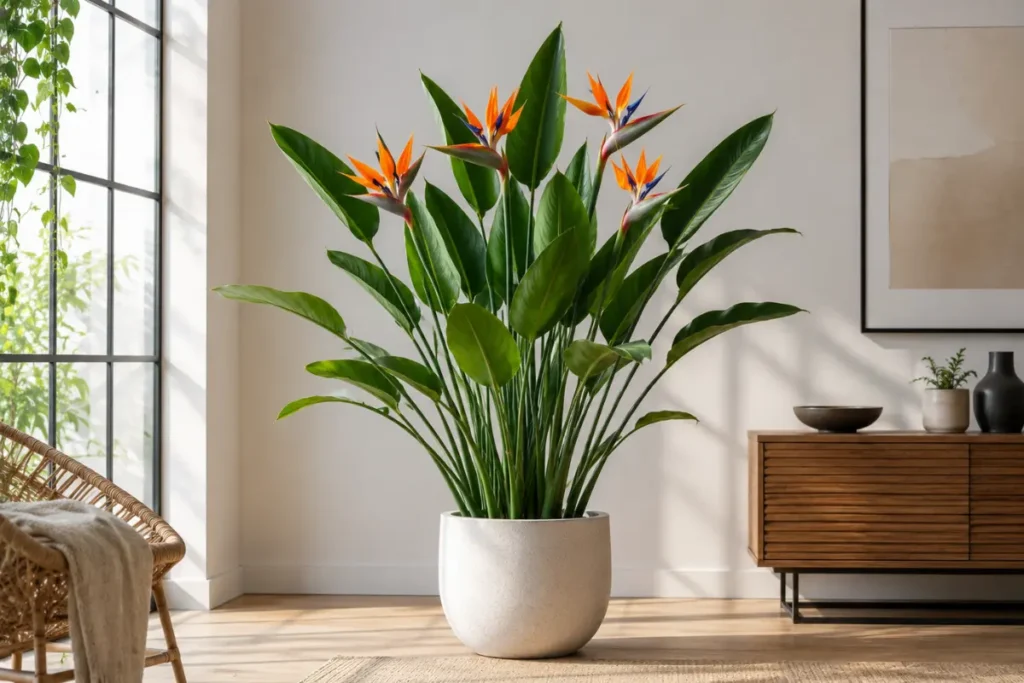
In this complete growing guide, you’ll learn everything you need to know about how to grow a Bird of Paradise plant successfully. We’ll cover the best growing conditions, soil, sunlight, watering, fertilising, humidity, repotting, and practical tips to encourage healthy growth and beautiful blooms. By the end of this guide, you’ll have the confidence to grow a thriving Bird of Paradise that becomes a stunning focal point in your home or garden.
What Is a Bird of Paradise Plant?
Meet the Bird of Paradise Plant
Before learning how to grow a Bird of Paradise plant, it’s worth understanding what makes this tropical plant so special. The Bird of Paradise, scientifically known as Strelitzia reginae, is a flowering perennial native to South Africa. It naturally grows in warm, sunny regions where it enjoys well-draining soil, moderate rainfall, and plenty of sunlight throughout the year.
The plant gets its unusual name from its spectacular flowers, which closely resemble the colourful head of a tropical bird in flight. Bright orange and vivid blue petals emerge from a boat-shaped bract, creating one of the most recognisable flowers in the plant world. Even when it’s not in bloom, the Bird of Paradise remains highly attractive because of its large, upright leaves that give any space a lush, tropical feel.
Today, the Bird of Paradise is grown across the world as both an indoor and outdoor ornamental plant. In warmer climates, it thrives in gardens and landscapes, while in cooler regions, it’s commonly grown as a container plant that can be moved indoors during colder months. Its bold foliage, long lifespan, and relatively low maintenance make it one of the most popular tropical houseplants.
Although many people think this plant is delicate, it is actually quite resilient. Once established, it can tolerate short periods of drought better than many tropical plants and continues producing healthy foliage with consistent care. This combination of beauty and durability makes it an excellent choice for beginners and experienced gardeners alike.
Why Grow a Bird of Paradise Plant?
There are many reasons why gardeners choose to grow this impressive tropical plant. One of the biggest advantages is its striking appearance. The large, glossy leaves instantly create a tropical atmosphere, while mature plants reward patient growers with spectacular flowers that become the centrepiece of any room or garden.
Another reason people enjoy growing a Bird of Paradise plant is its long lifespan. With proper care, this plant can thrive for decades, making it a worthwhile investment for anyone who enjoys indoor or outdoor gardening. Unlike many decorative plants that lose their appeal after a few seasons, a healthy Bird of Paradise becomes even more impressive as it matures.
The Bird of Paradise is also easier to maintain than many people expect. Once you understand its basic requirements, it doesn’t demand constant attention. Bright light, well-draining soil, regular watering, and occasional feeding are usually enough to support healthy growth. This makes it an excellent option for busy homeowners who want a beautiful plant without an overly complicated care routine.
Its versatility is another major benefit. You can successfully grow a Bird of Paradise plant indoors in a bright room, place it on a sunny patio during warm weather, or plant it outdoors in frost-free climates. It also grows well in containers, making it suitable for apartments, conservatories, balconies, and smaller gardens.
Finally, the Bird of Paradise adds value to any indoor or outdoor space. Its architectural shape, bold foliage, and tropical character make it a natural focal point that complements both modern and traditional garden designs. Whether you’re looking to create a relaxing indoor retreat or enhance your outdoor landscape, this stunning plant delivers year-round beauty with relatively little effort.
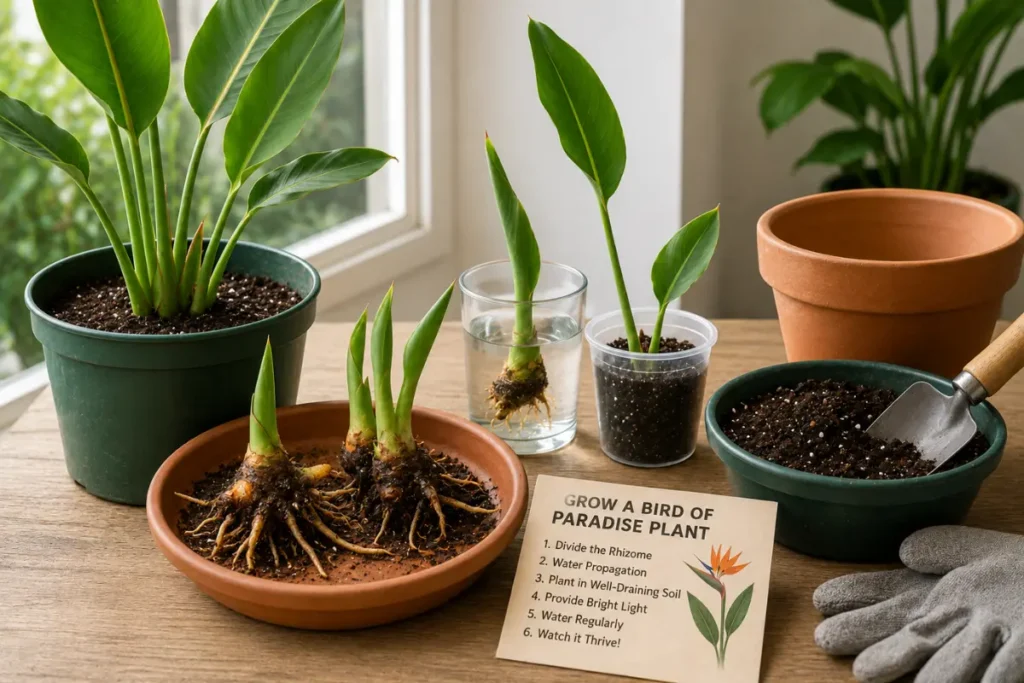
How to Grow a Bird of Paradise Plant (Complete Beginner’s Guide)
Many people believe that how to grow a Bird of Paradise plant requires expensive equipment or professional gardening skills. The truth is much simpler.
This tropical plant grows successfully when its basic needs are met. Choosing the right location, starting with a healthy plant or quality seeds, and providing the proper growing conditions are the foundations of long-term success.
Once you get these essentials right, the rest of the care routine becomes much easier.
Choose the Right Location
The first step in how to grow a Bird of Paradise plant is choosing the best location. This plant naturally grows in bright, sunny environments, so giving it plenty of light helps it produce healthy leaves and strong stems.Read more
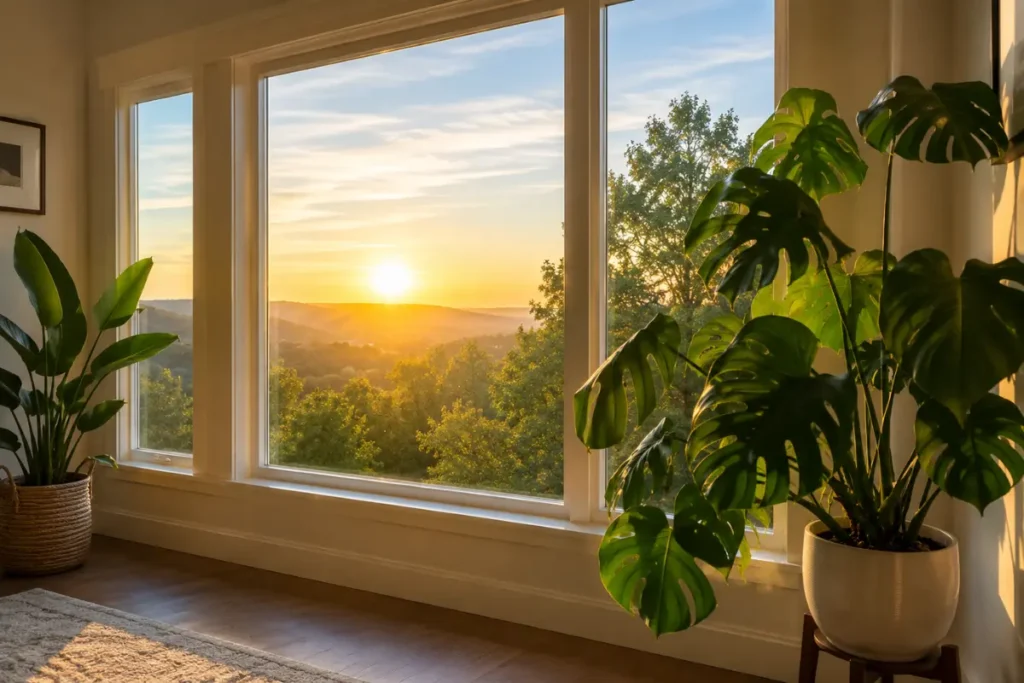
Indoors, place your Bird of Paradise near a south-facing or west-facing window where it receives several hours of bright light every day. Bright indirect light works well for young plants, while mature plants can tolerate a few hours of direct morning or late afternoon sun.
Avoid placing the plant in dark corners because insufficient light often leads to slow growth and fewer flowers.
If you’re growing it outdoors, choose a location that receives full sun or partial shade, depending on your climate. In cooler regions, full sun encourages stronger growth, while in very hot areas, some afternoon shade helps protect the leaves from scorching.
Space is another important consideration. Bird of Paradise plants develop large leaves that spread outward as they mature. Giving the plant enough room improves air circulation, reduces the risk of fungal problems, and allows the foliage to grow naturally without becoming crowded.
Whether you’re growing it indoors or outdoors, avoid placing the plant in areas exposed to cold draughts, strong winds, or sudden temperature changes. A stable environment helps support healthy, consistent growth throughout the year.
Select Healthy Plants or Seeds
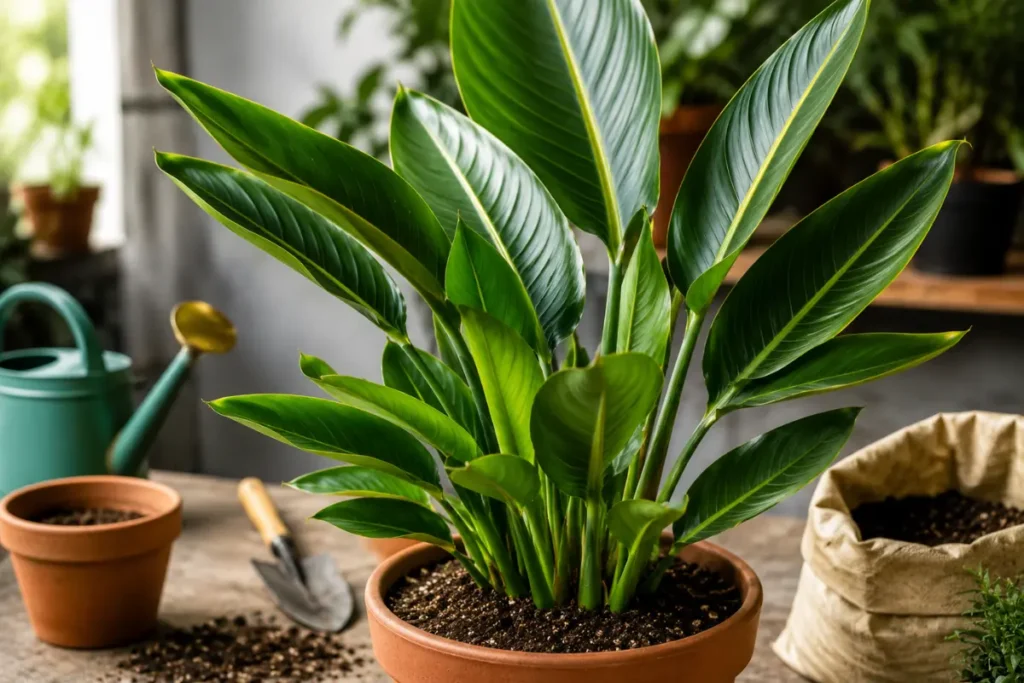
Another important step in how to grow a Bird of Paradise plant is choosing high-quality planting material. Starting with a healthy nursery plant usually gives the quickest results because the plant is already established and can adapt more easily to its new environment.
When buying a Bird of Paradise, look for rich green leaves without yellow patches, brown edges, or visible damage. The stems should feel firm, and the soil should be moist but never waterlogged. Avoid plants showing signs of pests such as sticky leaves, webbing, or insects hiding beneath the foliage.
If you prefer a more rewarding challenge, you can also grow Bird of Paradise from seed. Fresh seeds generally germinate more successfully than older ones, although they require patience because germination can take several weeks or even a few months.
Regardless of whether you choose seeds or a nursery-grown plant, starting with healthy material greatly increases your chances of growing a vigorous Bird of Paradise that develops strong roots and lush foliage.
How to Grow a Bird of Paradise Plant Indoors
If you’re wondering how to grow a Bird of Paradise plant indoors, the good news is that it adapts very well to indoor conditions when given enough light. A bright room with plenty of natural sunlight is the most important requirement for healthy indoor growth.
Choose a container with drainage holes and fill it with a loose, well-draining potting mix. This allows excess water to escape while keeping the roots healthy. Water the plant thoroughly whenever the top few inches of soil become dry, but avoid allowing the pot to sit in standing water.
Indoor humidity also contributes to healthy growth. Although the Bird of Paradise tolerates average household humidity, it grows even better when humidity levels are slightly higher. If your home has particularly dry air, placing the pot on a pebble tray or using a humidifier can help keep the leaves looking fresh and healthy.
Rotate the container every few weeks so that all sides of the plant receive equal light. This simple habit encourages balanced growth and prevents the plant from leaning towards the nearest window.
Growing a Bird of Paradise indoors requires patience because container-grown plants often take several years before producing flowers. However, with consistent care, you’ll enjoy impressive tropical foliage that becomes a beautiful feature in your home.
How to Grow a Bird of Paradise Plant Outdoors
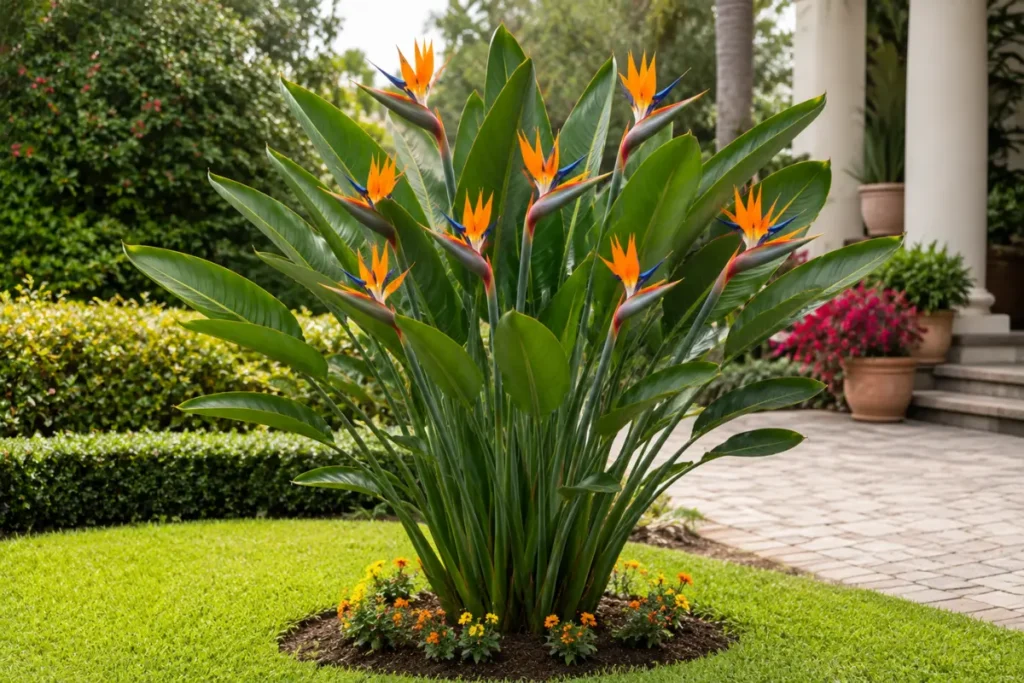
Learning how to grow a Bird of Paradise plant outdoors is straightforward if you live in a warm, frost-free climate. Outdoor plants benefit from natural sunlight, fresh air, and unrestricted root growth, allowing them to become larger and produce more flowers over time.
Choose a planting site with fertile, well-draining soil and enough space for the plant to spread. Dig a hole slightly wider than the root ball, position the plant at the same depth it was growing in its container, and gently firm the soil around the roots. Water thoroughly after planting to help settle the soil.
During the first few months, keep the soil consistently moist while the plant establishes itself. Once established, Bird of Paradise becomes more tolerant of short dry periods, although regular watering during hot weather encourages stronger growth and healthier foliage.
Applying a layer of organic mulch around the base helps conserve moisture, suppress weeds, and regulate soil temperature. Leave a small gap between the mulch and the stem to prevent excess moisture from collecting around the plant.
If your area experiences cold winters, protect outdoor plants from frost or grow them in large containers that can be moved indoors when temperatures drop. Bird of Paradise grows best in warm conditions and may suffer damage if exposed to freezing weather.
By selecting the right location, starting with healthy plants or seeds, and providing proper growing conditions, you’ll quickly understand how to grow a healthy Bird of Paradise plant. These early decisions lay the foundation for vigorous growth, lush tropical foliage, and spectacular flowers in the years ahead.
Best Soil for Growing a Bird of Paradise Plant
Many people believe that how to grow a Bird of Paradise plant simply means putting it in any bag of potting soil. In reality, the soil you choose has a huge impact on the plant’s health. Even with perfect watering and plenty of sunlight, poor soil can slow growth, damage the roots, and prevent the plant from reaching its full potential. A well-draining, nutrient-rich growing medium is one of the most important foundations for a healthy Bird of Paradise.
Ideal Soil Mix
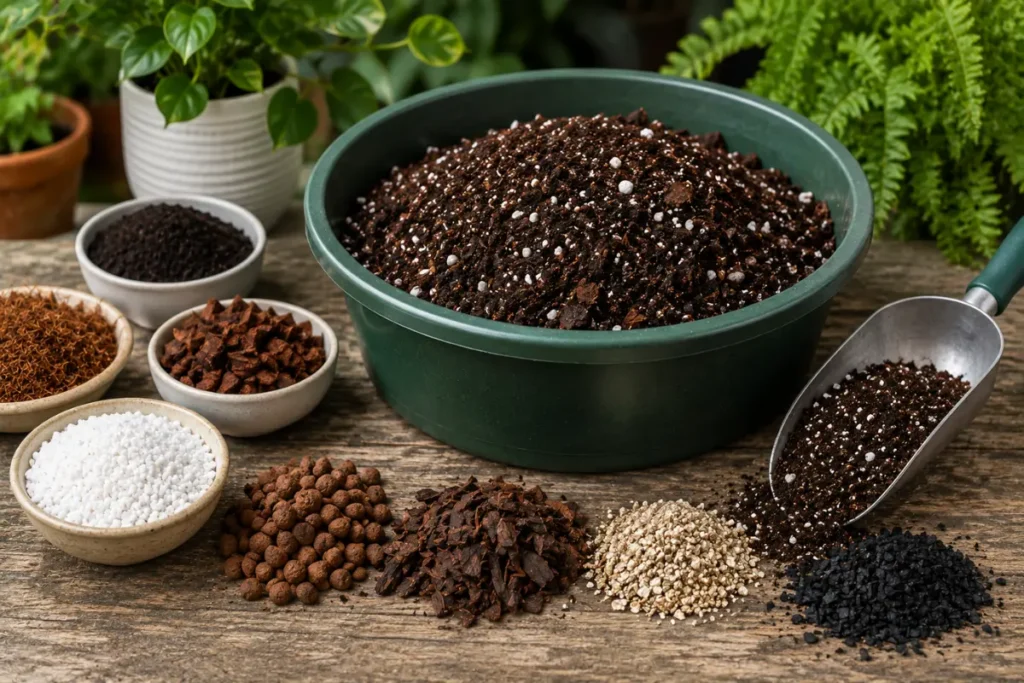
One of the most important steps in how to grow a Bird of Paradise plant is choosing the right soil mix. This tropical plant prefers loose, fertile soil that drains well while holding enough moisture to keep the roots hydrated between waterings.
A high-quality potting mix combined with perlite, pine bark, or coarse sand creates an excellent growing medium. This combination improves drainage, increases airflow around the roots, and prevents the soil from becoming compacted over time. Healthy roots develop more easily in loose soil, allowing the plant to absorb water and nutrients efficiently.
Organic matter also plays an important role. Ingredients such as compost or well-rotted organic material gradually release nutrients into the soil while improving its structure. This supports steady growth and encourages stronger stems and lush green leaves.
Bird of Paradise plants grow best in slightly acidic to neutral soil with a pH between 6.0 and 7.5. Soil within this range helps the roots absorb essential nutrients more effectively, supporting healthy foliage and long-term development.
Whether you’re learning how to grow a Bird of Paradise plant indoors or outdoors, providing the right soil from the beginning gives your plant the strongest possible start.
Why Drainage Matters
Excellent drainage is essential for healthy Bird of Paradise roots. Although this tropical plant enjoys consistent moisture, it does not tolerate waterlogged soil. When excess water remains around the roots for long periods, oxygen levels decrease, making it difficult for the roots to function properly.
Poor drainage is one of the most common causes of root rot. Damaged roots struggle to absorb water and nutrients, often leading to yellow leaves, drooping stems, slow growth, and eventually serious plant decline.
Using a loose, well-draining soil mix allows excess water to flow away quickly while still retaining enough moisture for healthy root development. This creates the ideal balance between hydration and aeration, reducing the risk of disease and encouraging vigorous growth.
If you’re planting outdoors, avoid low-lying areas where rainwater tends to collect. Raised beds or well-drained garden soil provide much better growing conditions for long-term success.
Best Potting Mix for Containers
If you’re planning how to grow Bird of Paradise in pots, selecting the right potting mix is just as important as choosing the right container. Garden soil should never be used in pots because it becomes compacted, drains poorly, and restricts healthy root growth.
A premium indoor potting mix blended with perlite and pine bark creates an ideal environment for container-grown Bird of Paradise plants. The mix remains light and airy while providing enough moisture for healthy development. As the plant grows, the roots can expand freely without becoming trapped in dense soil.
For outdoor containers, you can improve drainage even further by adding a little coarse sand or extra perlite. This is especially useful in regions that receive frequent rainfall, where excess moisture can remain in pots for longer periods.
No matter which potting mix you choose, always use a container with drainage holes. Allowing excess water to escape is one of the simplest ways to keep the root system healthy and support steady growth.
Refreshing the potting mix every few years during repotting also benefits the plant. Fresh soil restores nutrients, improves drainage, and provides the roots with a healthier environment for continued growth. Combined with proper watering and bright light, a quality potting mix helps create the ideal conditions for anyone learning how to grow a healthy Bird of Paradise plant.
Light Requirements for Healthy Growth
Many people believe that how to grow a Bird of Paradise plant only depends on watering and fertilising. In reality, light is one of the most important factors for healthy growth. Without enough sunlight, even a well-watered plant in good soil can struggle to produce strong leaves and flowers. Providing the right amount of light encourages faster growth, healthier foliage, and better flowering over time.
How Much Sunlight Does a Bird of Paradise Need?
One of the biggest secrets to how to grow a Bird of Paradise plant successfully is providing plenty of light. This tropical plant thrives in bright indirect light indoors and enjoys full sun outdoors in suitable climates.
Indoor plants should receive at least 6 to 8 hours of bright light each day. Placing the plant near a south-facing or west-facing window usually provides the best conditions. A few hours of gentle direct morning or late afternoon sunlight are also beneficial, helping the plant develop stronger stems and vibrant green leaves.
If you’re growing the plant outdoors, choose a location where it receives several hours of direct sunlight daily. In regions with extremely hot summers, light afternoon shade can help protect the leaves from excessive heat while still providing enough light for healthy growth and flowering.
Signs of Too Much Sun
Although Bird of Paradise enjoys bright conditions, intense midday sun can sometimes cause stress, especially for young plants or those recently moved outdoors.
Common signs of excessive sunlight include brown or crispy leaf edges, faded leaf colour, dry patches, or scorched areas on the foliage. If you notice these symptoms, move the plant to a location with filtered afternoon light or provide temporary shade during the hottest part of the day.
Making gradual changes when increasing sunlight exposure allows the plant to adjust without damaging its leaves.
Signs of Too Little Light
Insufficient light is a much more common problem for indoor Bird of Paradise plants. Without enough sunlight, growth becomes slower and the plant may struggle to produce its characteristic large leaves or colourful flowers.
Signs that your plant needs more light include small new leaves, long weak stems, pale green foliage, slow growth, or a complete lack of blooms on mature plants. The leaves may also lean noticeably towards the nearest light source.
If natural light is limited, moving the plant closer to a brighter window or using a quality grow light can significantly improve its overall health. Providing adequate light is one of the most effective ways to grow a healthy Bird of Paradise plant and encourage steady development throughout the year.
Best Window Direction Indoors
Choosing the right window makes a noticeable difference when learning how to grow a Bird of Paradise plant indoors. A south-facing window is usually the best option because it provides the brightest light for most of the day. A west-facing window also works well, especially if the plant receives gentle afternoon sunshine.
An east-facing window can support healthy growth with bright morning sunlight, although flowering may be slower if overall light levels are lower. North-facing windows generally don’t provide enough natural light for long-term success unless supplemented with grow lights.
To keep the plant growing evenly, rotate the pot every few weeks so all sides receive similar amounts of light. This simple habit prevents the plant from leaning in one direction and helps maintain a balanced, upright shape.
Providing the right amount of sunlight is one of the most important steps in how to grow Bird of Paradise successfully. Combined with proper soil, watering, and regular care, good lighting helps the plant develop lush tropical foliage and increases the chances of producing its spectacular flowers in the future.
Fertilising for Faster Growth
Many people think that adding more fertiliser is the quickest way to grow a Bird of Paradise plant faster. In reality, overfeeding can do more harm than good. The key is using the right fertiliser at the right time and in the correct amount. A balanced feeding routine supports healthy leaves, strong roots, and better flowering without damaging the plant.
Best Fertiliser
A balanced liquid fertiliser, such as 10-10-10 or 20-20-20, works well for most Bird of Paradise plants. You can also use a slow-release fertiliser designed for tropical or flowering plants. Feeding the plant with the right nutrients encourages healthy foliage, stronger stems, and steady growth throughout the growing season.
When to Fertilise
Feed your Bird of Paradise every 4 to 6 weeks during spring and summer, when the plant is actively growing. Reduce feeding during autumn and stop fertilising in winter because growth naturally slows. Following a seasonal schedule helps the plant use nutrients more efficiently.
Common Fertilising Mistakes
One of the most common mistakes is applying too much fertiliser. Excess nutrients can burn the roots, damage the leaves, and slow growth instead of improving it. Fertilising dry soil is another mistake, as it can stress the root system. Always water the plant lightly before feeding and follow the recommended dosage on the fertiliser label. Consistent, moderate feeding is the best approach for anyone learning how to grow a healthy Bird of Paradise plant.
Frequently Asked Questions
Many people have questions about how to grow a Bird of Paradise plant, especially when they are growing one for the first time. Here are clear answers to the most common questions to help you grow a healthy and thriving plant.
How to Grow a Bird of Paradise Plant Indoors?
To grow a Bird of Paradise plant indoors, place it in a bright location where it receives at least 6 to 8 hours of bright light each day. Use well-draining soil, water when the top few inches of soil become dry, maintain moderate humidity, and feed the plant regularly during spring and summer.
How to Grow a Bird of Paradise Plant Outdoors?
If you want to grow a Bird of Paradise plant outdoors, choose a sunny location with fertile, well-draining soil. Water regularly while the plant is becoming established, apply mulch to retain moisture, and protect it from frost if you live in a cooler climate.
How to Grow Bird of Paradise from Seed?
To grow Bird of Paradise from seed, soak fresh seeds in warm water for 24 to 48 hours before planting them in a moist, well-draining seed-starting mix. Keep the soil warm and lightly moist while waiting for germination, which can take several weeks or even a few months.
How Fast Does a Bird of Paradise Plant Grow?
A Bird of Paradise has a moderate growth rate. Under ideal conditions, it produces several new leaves each growing season. However, flowering usually takes three to five years or longer, depending on the growing conditions and whether the plant is grown from seed or purchased as a mature plant.
How Often Should I Water It?
Water your Bird of Paradise when the top 2 to 3 inches of soil feel dry. During spring and summer, watering is usually needed more frequently, while in autumn and winter the plant requires less moisture because growth naturally slows.
What Is the Best Soil for Bird of Paradise?
The best soil is a loose, well-draining potting mix enriched with organic matter. Adding perlite, coarse sand, or pine bark improves drainage and keeps the roots healthy by preventing excess moisture from collecting around them.
Why Is My Bird of Paradise Not Flowering?
Lack of flowers is usually caused by insufficient sunlight, an immature plant, or inadequate feeding. Most Bird of Paradise plants need several hours of bright light each day and must reach maturity before they begin producing blooms.
Can Bird of Paradise Grow in Pots?
Yes, Bird of Paradise grows very well in containers. Choose a pot with drainage holes and use a well-draining potting mix. Repot every few years as the plant grows to provide enough space for healthy root development.
Is Bird of Paradise Easy to Grow?
Yes. Once you understand how to grow a Bird of Paradise plant, it is considered one of the easier tropical plants to maintain. Providing the right light, watering routine, soil, and occasional fertiliser is usually enough to keep it healthy for many years.
How Long Does It Take to Bloom?
A Bird of Paradise typically takes three to five years to flower when grown under ideal conditions, although plants started from seed may take five to seven years or longer. Patience and consistent care are the keys to enjoying its spectacular tropical blooms.
Conclusion
Many people assume that learning how to grow a Bird of Paradise plant is complicated, but the reality is much simpler. Once you understand its basic needs, this stunning tropical plant is surprisingly easy to grow and maintain. With the right care, it will reward you with lush green foliage and, in time, its spectacular bird-like flowers that make it one of the most eye-catching ornamental plants.
The key to success is creating the right growing environment. Plant your Bird of Paradise in well-draining soil, provide 6 to 8 hours of bright light, water consistently without overwatering, maintain warm temperatures, and feed it regularly during the growing season. Whether you choose to grow a Bird of Paradise plant indoors, outdoors, or in a container, these simple steps encourage strong roots, healthy leaves, and steady growth.
Remember that patience is just as important as proper care. While the Bird of Paradise is not the fastest-growing tropical plant, consistent attention to its light, watering, soil, and fertilising needs will help it thrive for many years. Mature plants become larger, healthier, and much more likely to produce their stunning flowers.
Now that you know how to grow a Bird of Paradise plant, you have everything you need to help it flourish. Follow the tips in this guide, avoid common growing mistakes, and enjoy watching your Bird of Paradise transform into a healthy, vibrant plant that becomes a beautiful focal point in your home or garden.

Plant Nest Blog’s author is passionate about plants, gardening, and sustainable living. Through research and practical experience, they share helpful plant care tips, gardening guides, and easy solutions to help readers grow healthier plants and create greener spaces.