
A beautiful home doesn’t always need expensive decorations or complicated indoor plants. Sometimes, one simple plant can make a room feel fresher, greener, and more inviting.
The benefits of a snake plant go beyond its attractive appearance. Its upright leaves, low-maintenance nature, and ability to adapt to different indoor conditions make it a popular choice for American homes.
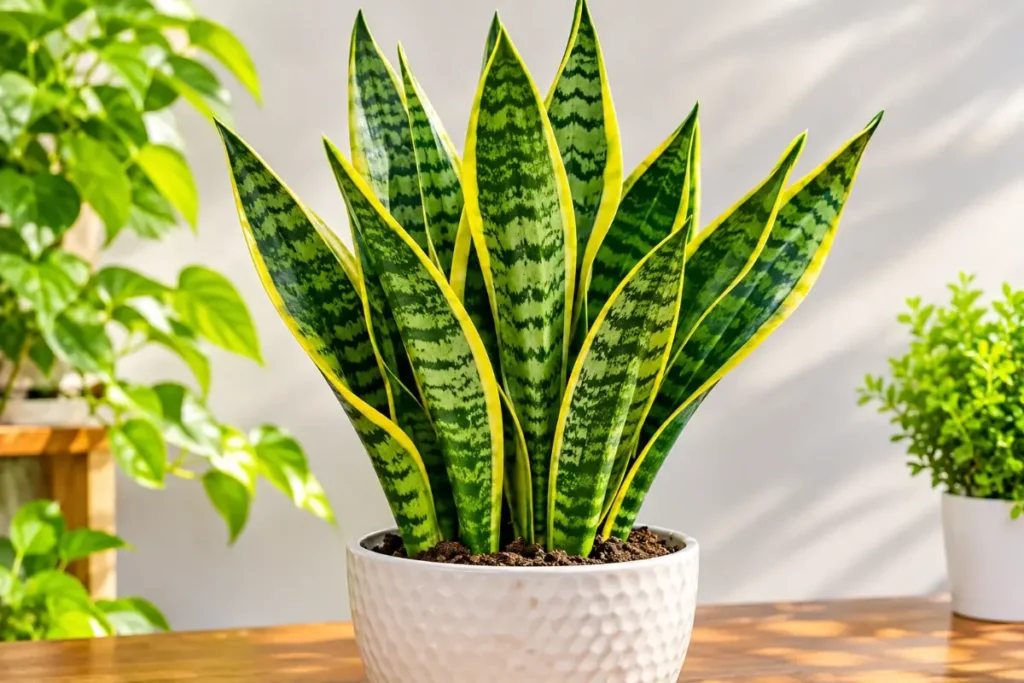
But is a snake plant really worth keeping indoors? Can it improve your indoor environment, and does it offer any health benefits? From its air-quality potential to its easy-care requirements, there are several good reasons to consider adding this plant to your living space. Let’s look at what it can actually do and what you should know before bringing one home.
Benefits of a Snake Plant: Why This Houseplant Is Worth Having
Snake plants, scientifically known as Dracaena trifasciata (formerly Sansevieria trifasciata), are popular indoor plants recognized for their long, upright leaves. Their attractive appearance is only one reason people love them. They are also practical, adaptable, and relatively easy to maintain.
Here are some of the most useful advantages of having a snake plant indoors.
May Help Improve Indoor Air Quality
One of the most talked-about advantages of snake plants is their potential to remove certain airborne pollutants under controlled conditions.
A NASA Clean Air Study examined how several indoor plants interacted with pollutants such as benzene, formaldehyde, and trichloroethylene. Snake plants were among the plants included in the research.
However, there is an important detail to understand. These experiments took place in controlled environments, and they do not prove that a single snake plant can meaningfully clean the air in an ordinary home. Normal ventilation and appropriate air filtration are much more effective ways to manage indoor air pollution.
Still, a snake plant can be a lovely addition to a healthy indoor environment.
Requires Very Little Water
If you often forget to water your plants, a snake plant might be exactly what you need.
Its thick, fleshy leaves store water, allowing it to tolerate dry conditions better than many common houseplants. You don’t need to water it every day or follow a strict weekly schedule.
Allow the soil to dry completely before watering again. During winter, the plant may need even less water because its growth slows down.
Overwatering is a much bigger problem than underwatering for this plant.
Adds Natural Beauty to Your Home
Snake plants have a distinctive appearance that works well with many interior styles.
Their tall leaves create a clean, structured look without taking up much floor space. You can place one in a decorative pot near a sofa, beside a hallway table, or in an empty bedroom corner.
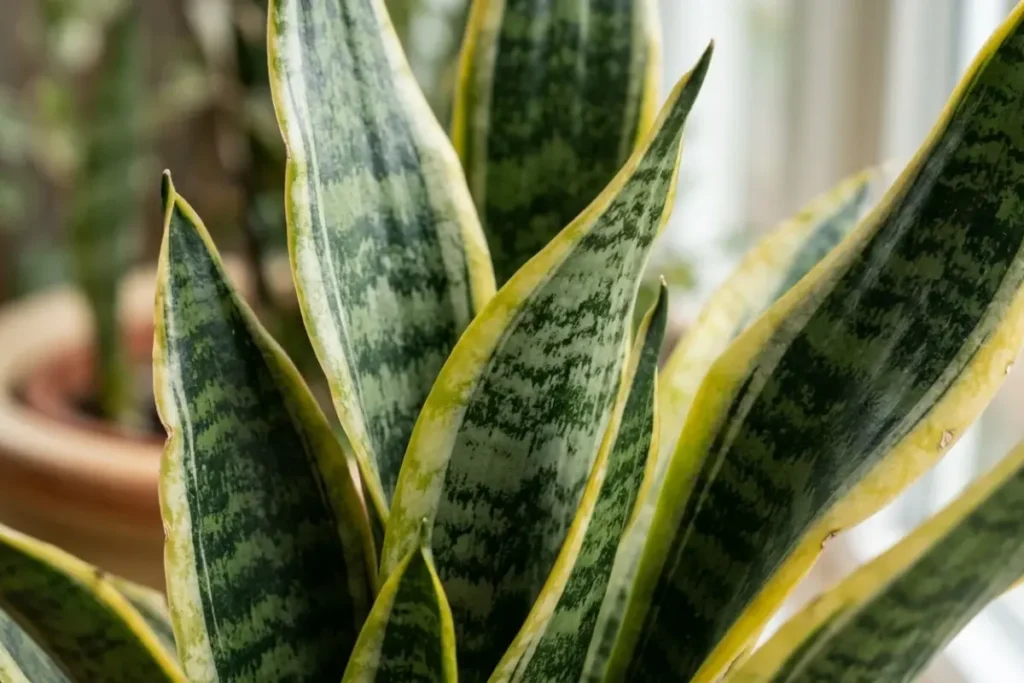
Popular varieties feature green leaves with yellow edges, silver patterns, or darker green markings.
The best part is that you don’t need several plants to create an attractive display. Even one healthy snake plant can make a small space feel more complete.
May Release Oxygen at Night
Snake plants use a special type of photosynthesis called Crassulacean Acid Metabolism (CAM).
Unlike many common plants, they can take in carbon dioxide during the night and store it for use during photosynthesis when light is available.
This unusual process has made snake plants popular bedroom plants.
However, don’t expect one plant to noticeably increase the oxygen level in your bedroom. Its oxygen production is very small compared with the amount of air in a typical room.
Grows Well in Different Indoor Conditions
Not every home has large windows or bright natural light. Fortunately, snake plants can tolerate a range of indoor lighting conditions.
They generally grow best in bright, indirect light but can also survive in lower-light spaces.
This makes them suitable for apartments, offices, bedrooms, and other indoor areas where sunlight may be limited.
Keep in mind that surviving in low light doesn’t mean thriving. A snake plant placed in a darker corner will usually grow more slowly than one receiving suitable indirect sunlight.
Helps Create a Relaxing Indoor Environment
Greenery can make a room feel more welcoming and comfortable.
Adding a snake plant to your living room, bedroom, or workspace is an easy way to bring a little nature indoors. Its simple appearance can also complement a clean and uncluttered decorating style.

Some people enjoy caring for plants because watering, checking leaves, and watching new growth gives them a small daily activity.
A snake plant isn’t a medical treatment for stress or anxiety, but creating a pleasant indoor space can be part of a comfortable home environment.
Doesn’t Require Frequent Pruning
Some houseplants need regular trimming to maintain their shape. Snake plants are much easier in this regard.
Their leaves naturally grow upright, so you rarely need to prune them for appearance.
Simply remove leaves that become completely yellow, damaged, or rotten. Use clean, sharp pruning shears and cut unwanted leaves close to the soil.
Avoid cutting healthy leaves unnecessarily because damaged leaf tips won’t grow back into their original shape.
Suitable for Small Apartments
Living in a small apartment doesn’t mean you have to give up indoor gardening.
Snake plants grow vertically rather than spreading widely across the floor. This makes them a practical choice for compact homes.
You can place smaller varieties on shelves, desks, or side tables. Taller varieties look attractive in floor pots near windows or furniture.
Choose a pot that fits the plant’s root system rather than an oversized container that holds too much wet soil.
Can Grow for Many Years With Proper Care
A snake plant is not a temporary decoration. With suitable growing conditions, it can remain part of your indoor plant collection for many years.
Its slow-growing nature means you won’t need to repot it frequently. It also produces new shoots, commonly called pups, from underground rhizomes.
As these shoots develop, the plant gradually becomes fuller. You can leave them together for a thicker appearance or separate them when they are large enough.
Easy to Propagate and Share
One of the enjoyable things about owning a snake plant is that you can grow new plants from an established one.
There are two common propagation methods.
Division: Remove the plant from its pot and carefully separate a healthy section with its own roots and leaves. Plant the division in a suitable container.
Leaf cuttings: Cut a healthy leaf into sections and allow the cut ends to dry before placing them in a well-draining propagation medium.
Leaf cuttings can take time to develop roots and new growth. Also, some variegated varieties may lose their original yellow or patterned edges when propagated from leaf cuttings. Division is a better choice when you want to preserve the parent plant’s appearance.
Works Well With Different Interior Styles
Snake plants have a simple shape that makes them easy to decorate with.
They look attractive in modern apartments, traditional homes, minimalist rooms, and office spaces.
For a contemporary appearance, choose a white or neutral-colored planter. If you prefer a natural look, use a textured ceramic or terracotta-style pot.
Their upright growth also makes them useful for adding height to a plant arrangement without creating a crowded appearance.
Doesn’t Attract Many Common Indoor Plant Pests
Snake plants are generally considered relatively resistant to common houseplant pests.
However, they are not completely pest-proof.
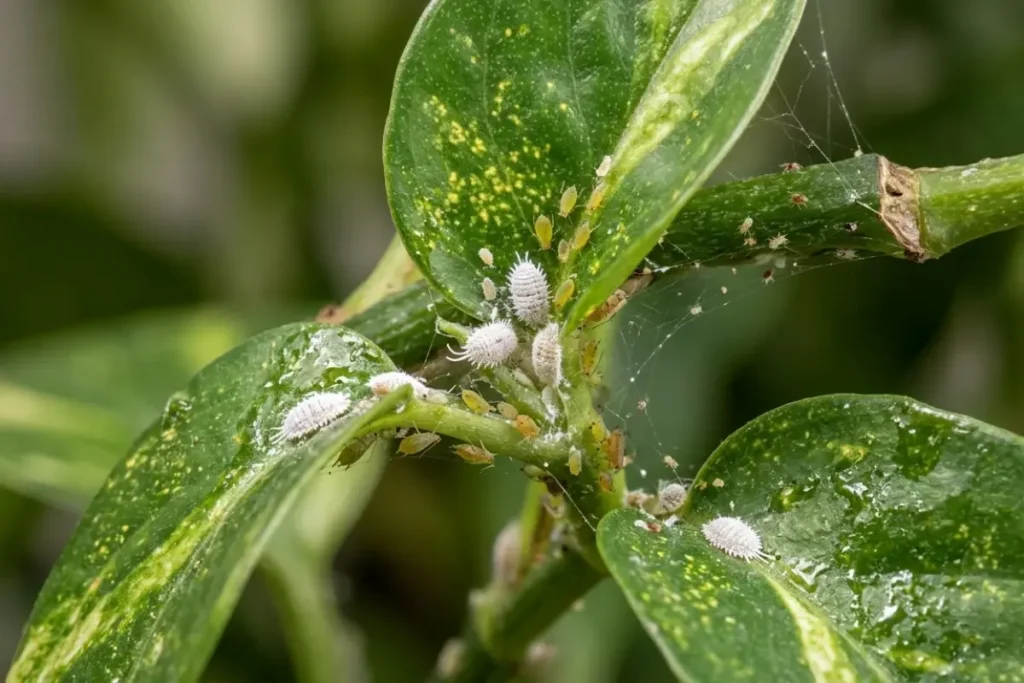
Mealybugs, spider mites, and scale insects can occasionally appear, particularly when plants are stressed or kept near infested houseplants.
Check the undersides of leaves and the areas near the soil regularly. If you notice pests, isolate the plant and treat the infestation with an appropriate houseplant-safe product.
Helps You Start an Indoor Gardening Habit
Starting an indoor garden can feel difficult when you’re unfamiliar with plant care.
Snake plants offer a relatively forgiving starting point because they don’t require daily attention, frequent watering, or complicated maintenance.
You can learn basic gardening skills by observing how the plant responds to light, water, and changes in temperature.
Once you understand its needs, you may feel more confident adding other indoor plants to your collection.
Offers a Budget-Friendly Decorating Option
Decorating a home doesn’t always require expensive furniture or accessories.
A snake plant can provide long-lasting greenery with relatively little maintenance. Once you purchase a healthy plant and a suitable pot, ongoing care costs are generally low.
You don’t need expensive fertilizers, specialized lighting equipment, or complicated gardening supplies for basic maintenance.
For someone who wants natural decoration without a demanding plant-care routine, this can be a practical option.
Are There Any Real Health Benefits of Snake Plants?
Many people search for the health benefits of snake plants because they have heard that these plants improve air quality, produce oxygen, and support better sleep.
It’s useful to separate what research actually suggests from claims that are often exaggerated.
Potential Benefits for Indoor Air
Snake plants have been studied for their ability to absorb certain airborne chemicals under controlled conditions.
However, normal indoor environments are very different from laboratory chambers. Research has not established that keeping a few houseplants can significantly reduce indoor pollution.
For better indoor air quality, focus on:
- Opening windows when outdoor air quality allows.
- Using a suitable air purifier when needed.
- Controlling moisture to prevent mold growth.
- Avoiding indoor smoking.
- Maintaining kitchen and bathroom ventilation.
A snake plant can complement these habits, but it shouldn’t replace them.
Can Snake Plants Help You Sleep Better?
There is no strong clinical evidence that keeping a snake plant in your bedroom directly improves sleep quality.
Still, some people enjoy having greenery in their sleeping area because it makes the room feel more peaceful and attractive.
If you like plants, a snake plant can be a nice decorative choice for a bedroom. Just remember to provide enough light and avoid placing it somewhere it could easily fall or become a hazard.
Do Snake Plants Reduce Stress?
Indoor plants may contribute to a more pleasant living environment. Caring for greenery can also provide an enjoyable routine.
However, a snake plant should not be considered a treatment for stress, depression, or other mental health conditions.
Its most reliable benefits are practical: attractive foliage, low maintenance, and adaptability to indoor spaces.
Where Should You Keep a Snake Plant Indoors?
Choosing the right location makes a significant difference in how well your snake plant grows.
Although this plant tolerates different conditions, some indoor locations are better than others.
Bedroom
A snake plant can look beautiful in a bedroom, especially near a window where it receives indirect sunlight.
Choose a stable planter and keep the leaves away from areas where people might accidentally knock them over.
Living Room
The living room is one of the easiest places to display a snake plant.
A medium or tall variety can add height beside a sofa, television stand, or empty corner.
Make sure the plant isn’t positioned directly in front of a heating vent or exposed to cold drafts.
Home Office
A compact snake plant can add greenery to a desk or office corner without requiring much attention.
Choose a spot with natural light when possible. If your workspace has very little sunlight, consider moving the plant occasionally to a brighter location.
Hallway
A tall snake plant can make a narrow hallway look more inviting.
However, avoid placing it where its leaves block walking space or where people may regularly brush against it.
How to Care for a Snake Plant So It Stays Healthy
Even though snake plants are easy to maintain, they still need the right growing conditions.
A few simple habits can prevent common problems and help your plant stay healthy.
Give It Suitable Light
Bright, indirect sunlight is ideal for most snake plants.
An east-facing window is often a good location. A south- or west-facing window can also work if you protect the leaves from intense direct sunlight.
Low light is tolerated, but growth will usually slow down.
Water Only When the Soil Is Dry
Overwatering is one of the most common reasons snake plants develop problems.
Before watering, check the soil with your finger. If the soil still feels moist several inches below the surface, wait longer.
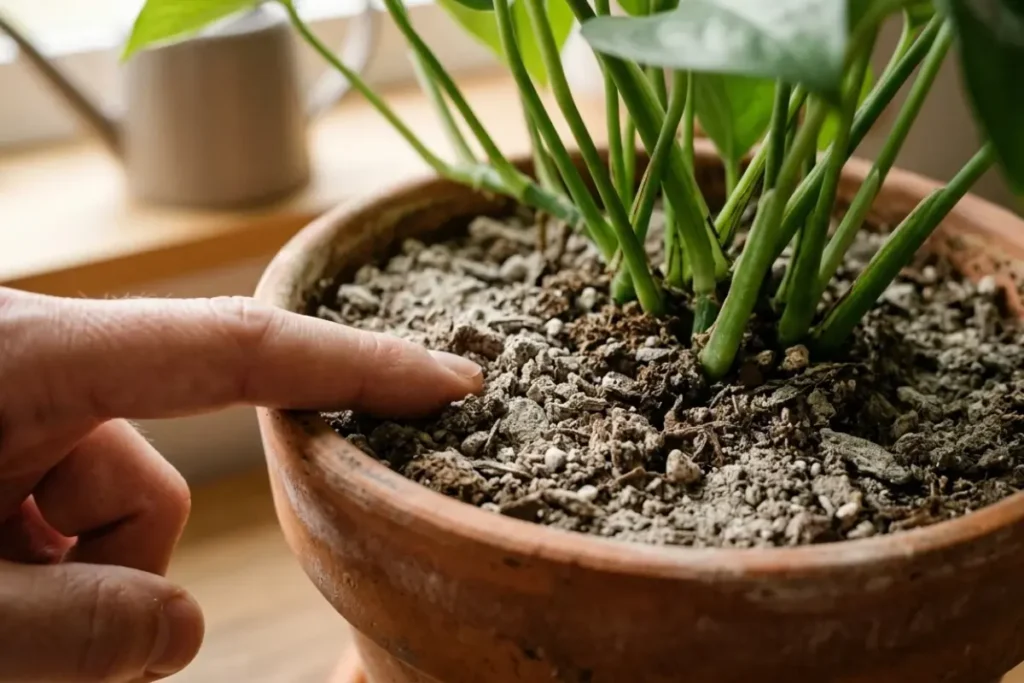
When watering, soak the soil thoroughly and allow excess water to drain through the bottom of the pot.
Never leave the plant sitting in a saucer full of water.
Use Well-Draining Soil
Snake plants need soil that doesn’t hold excessive moisture.
A cactus and succulent potting mix is a convenient option. You can also use a suitable houseplant potting mix amended with perlite or pumice to improve drainage.
Avoid heavy garden soil because it can remain wet for too long indoors.
Choose a Pot With Drainage Holes
A pot with drainage holes helps excess water escape.
Terracotta pots can be useful because their porous material allows moisture to evaporate more quickly.
Plastic and ceramic pots also work, provided they have proper drainage.
Keep It Away From Extreme Temperatures
Snake plants prefer normal indoor temperatures.
Avoid placing them near cold windows during winter, drafty doors, or heating and air-conditioning vents.
Cold temperatures can damage the leaves, while sudden temperature changes may stress the plant.
Fertilize Occasionally
Snake plants don’t need heavy feeding.
During active growth in spring and summer, you can apply a balanced houseplant fertilizer at a diluted strength according to the product label.
Avoid excessive fertilization because it can damage the roots and cause unwanted salt buildup in the soil.
Common Snake Plant Problems and How to Fix Them
Even a low-maintenance plant can develop problems when its growing conditions aren’t suitable.
Knowing the warning signs can help you address issues before they become serious.
Yellow Leaves
Yellow leaves may indicate overwatering, poor drainage, or root problems.
Check the soil before watering again. If it stays wet for several days, inspect the drainage and consider whether the plant needs fresh, better-draining soil.
Soft or Mushy Leaves
Soft leaves near the base can be a warning sign of root or rhizome rot.
Remove the plant from its pot and inspect the roots. Cut away rotten sections with clean tools and repot healthy portions in fresh, dry, well-draining soil.
Brown Leaf Tips
Brown tips can develop because of inconsistent watering, physical damage, fertilizer buildup, or environmental stress.
Check your watering routine and avoid applying too much fertilizer.
You can trim dry tips carefully, but the cut edges will remain visible.
Wrinkled or Curled Leaves
Wrinkled leaves often suggest that the plant needs water, although root damage can also prevent proper water absorption.
Check the soil and inspect the roots if the plant looks unhealthy despite appropriate watering.
Slow Growth
Snake plants naturally grow slowly, especially in low light and during colder months.
If your plant looks healthy, slow growth is usually not a reason to worry.
Provide brighter indirect light during the growing season and avoid trying to force faster growth with excessive fertilizer.
Are Snake Plants Safe for Homes With Pets?
This is an important point to consider before bringing a snake plant home.
Snake plants contain saponins, natural compounds that can cause gastrointestinal irritation if pets chew or eat the leaves.
According to the ASPCA, snake plants are toxic to both cats and dogs.

Possible symptoms include vomiting, diarrhea, and nausea.
If you have curious pets, place the plant somewhere they cannot reach. If your pet eats part of the plant, contact your veterinarian for advice.
It’s also sensible to keep snake plants away from young children who may be tempted to chew their leaves.
Snake Plant vs. Other Popular Indoor Plants
If you’re choosing a houseplant, it helps to compare a snake plant with other common indoor options.
| Plant | Main Advantage | Care Requirements |
| Snake Plant | Tolerates dry soil and low light | Low maintenance |
| Pothos | Attractive trailing foliage | Low to moderate |
| Spider Plant | Produces baby plants | Moderate |
| Peace Lily | Attractive flowers and foliage | Moderate |
| ZZ Plant | Handles low-light conditions | Low maintenance |
Snake plants and ZZ plants are particularly useful for people who prefer plants that don’t need frequent watering.
Pothos and spider plants are better choices if you enjoy trailing foliage and a fuller, cascading appearance.
Your ideal plant depends on your available light, space, watering habits, and household needs.
Frequently Asked Questions About Snake Plants
What are the biggest benefits of a snake plant?
The biggest benefits include easy maintenance, attractive upright leaves, tolerance of low-light conditions, low watering requirements, and suitability for small indoor spaces. It has also been studied for its ability to absorb certain airborne pollutants under controlled conditions.
Is it good to keep a snake plant inside the house?
Yes. Snake plants are excellent indoor decorative plants because they tolerate a range of lighting conditions and don’t require frequent watering. They are especially useful for people who want greenery without demanding daily care.
Can I keep a snake plant in my bedroom?
Yes. A snake plant can grow in a bedroom if it receives suitable indirect light. Its nighttime carbon dioxide uptake is an interesting feature of CAM photosynthesis, but it won’t noticeably increase bedroom oxygen levels.
Does a snake plant purify indoor air?
Snake plants have demonstrated the ability to remove certain pollutants in controlled laboratory experiments. However, there is not enough evidence to show that ordinary houseplants significantly clean the air in typical homes.
How often should I water a snake plant?
Water when the soil has dried out completely. The timing depends on light, temperature, pot size, soil type, and season. Indoor plants may need water less frequently during winter.
Can snake plants grow without sunlight?
No plant can grow indefinitely without light. Snake plants can tolerate low-light conditions, but they still need some natural or suitable artificial light to remain healthy.
Do snake plants produce oxygen at night?
Snake plants use CAM photosynthesis, which allows them to take in carbon dioxide during the night. They release oxygen during photosynthesis, but you shouldn’t expect a noticeable change in indoor oxygen levels from one plant.
Are snake plants toxic to cats and dogs?
Yes. Snake plants contain saponins that can cause vomiting, diarrhea, and other digestive problems if eaten by cats or dogs. Keep them out of your pets’ reach.
Do snake plants need fertilizer?
They need very little fertilizer. A diluted, balanced houseplant fertilizer during the growing season is usually sufficient. Avoid feeding them too frequently.
How long can a snake plant live?
With appropriate care, snake plants can live for many years. Good drainage, suitable lighting, and careful watering help keep them healthy over the long term.
Conclusion:
Snake plants are popular for good reason. They offer attractive greenery, require relatively little attention, tolerate a range of indoor conditions, and fit beautifully into different home styles.
The benefits of a snake plant are most noticeable when you consider its practicality. You don’t need a large garden, an expensive setup, or advanced gardening knowledge to enjoy one. Just provide suitable light, well-draining soil, and careful watering.
Although claims about air purification and health improvements should be viewed realistically, a healthy snake plant can still be a wonderful addition to your home. Choose a variety you love, find a suitable location, and give it the simple care it needs to thrive.

Plant Nest Blog’s author is passionate about plants, gardening, and sustainable living. Through research and practical experience, they share helpful plant care tips, gardening guides, and easy solutions to help readers grow healthier plants and create greener spaces.