
When to Prune Lemon Trees at the wrong time can remove developing flowers, reduce fruit production, and put unnecessary stress on the plant. But waiting too long can also create problems, especially when branches become crowded, damaged, or difficult to manage. So, when is the right time to prune?
The best time to prune lemon trees in most parts of the USA is late winter to early spring, after the danger of severe frost has passed but before the main spring growth begins.
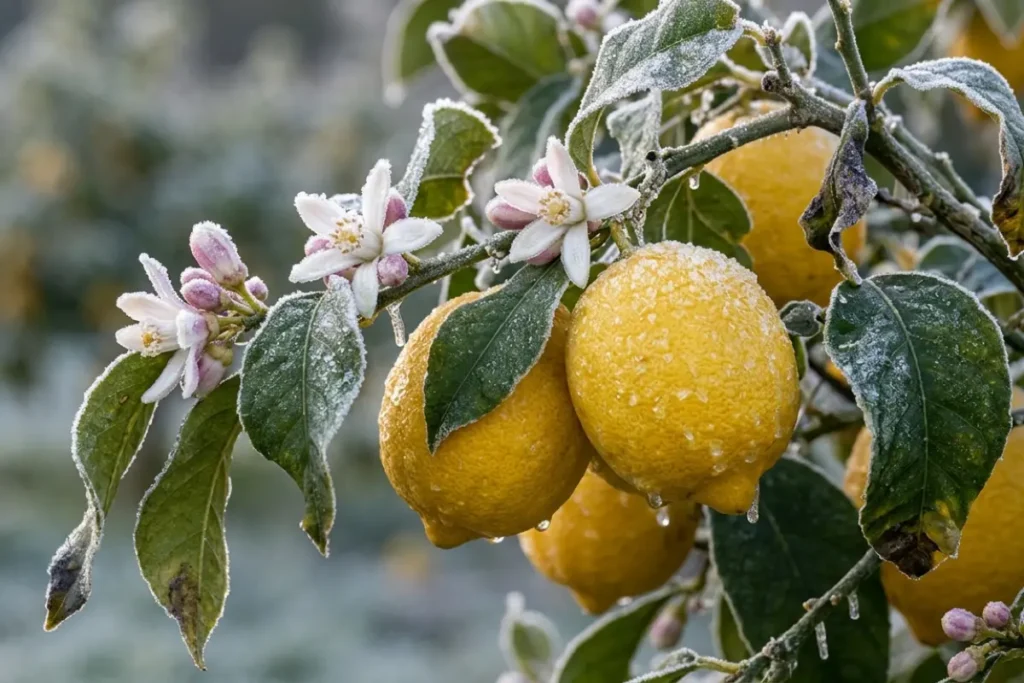
However, the ideal timing depends on your local climate, the tree’s age, and whether it grows outdoors or in a container. Understanding these details helps you shape your tree without removing too much healthy growth.
When Should You Prune Lemon Trees?
For most lemon trees growing outdoors, late winter or early spring is the preferred pruning period. This timing gives the tree an opportunity to recover and produce fresh growth as warmer weather arrives.
In warmer states such as Florida, Texas, Arizona, and Southern California, pruning can often take place earlier because freezing temperatures are less common. Gardeners in colder areas should wait until the risk of damaging frost has passed.
Avoid heavy pruning immediately before winter. Lemon trees are sensitive to cold weather, and removing too much foliage can expose branches and the trunk to additional sun and cold damage.
Light pruning is different. You can remove dead, broken, diseased, or crossing branches whenever necessary, provided the weather conditions are suitable.
What Is the Best Season to Prune Lemon Trees?
The best season depends largely on your USDA growing zone and local weather. Lemon trees grow best in warm conditions, so pruning should support their natural growth cycle rather than interrupt it.
Late Winter: A Good Time for Structural Pruning
Late winter is a suitable time to inspect your lemon tree and remove unwanted branches. The tree is generally growing more slowly during this period, making it easier to identify its overall structure.
Look for dead wood, damaged branches, and growth that crosses through the center of the canopy. Removing these problems before spring encourages a more open shape and helps prepare the tree for the growing season.
However, do not prune during freezing weather. Wait for a suitable period when severe frost is no longer expected.
Early Spring: Ideal for Encouraging Fresh Growth
Early spring is another excellent time for lemon tree pruning. As temperatures rise, the tree begins producing new leaves and branches.
A little careful trimming can help maintain a balanced canopy and prevent overcrowding. It also allows you to remove branches that suffered winter damage.
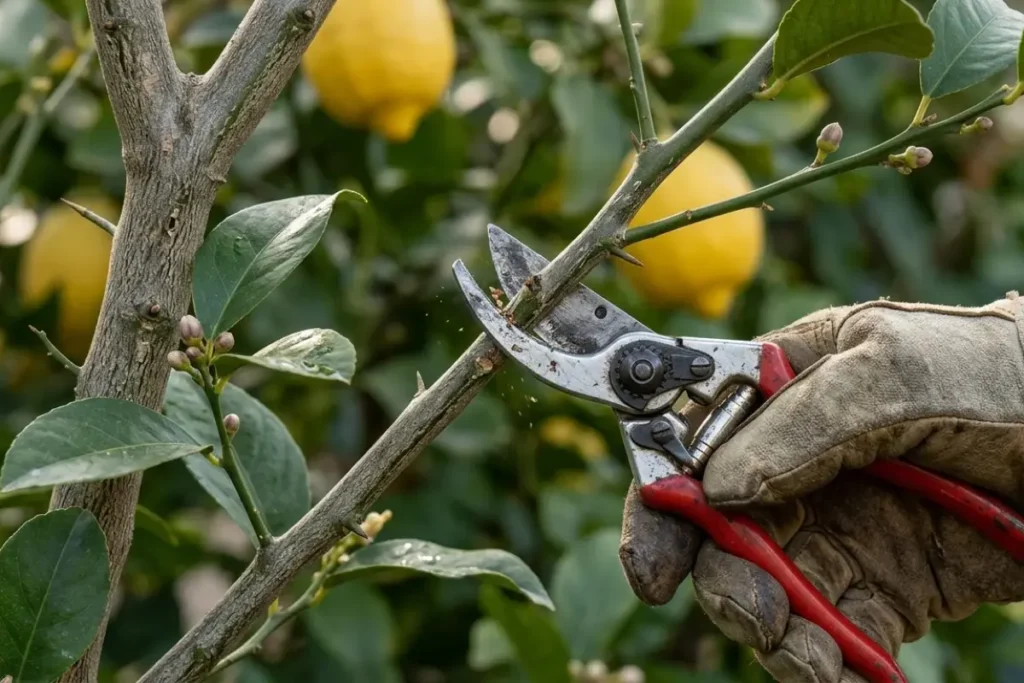
This season is especially useful for gardeners who want to control the tree’s height and shape before active growth becomes stronger.
Summer: Best for Light Maintenance
Summer is generally better for light pruning than major cutting. You can remove small dead branches, water sprouts, and shoots growing in unwanted directions.
Avoid removing large amounts of healthy foliage during extremely hot weather. Lemon tree leaves protect the branches and fruit from intense sunlight. Removing too many leaves can expose previously shaded areas and cause sunburn.
Fall: Avoid Heavy Pruning
Fall is usually not the best season for major lemon tree pruning, particularly in areas that experience cold winters.
Fresh growth stimulated by pruning may not have enough time to mature before temperatures drop. The tree also needs its existing foliage to support its health during the colder months.
If you notice a broken or diseased branch, remove it when necessary. Otherwise, save major shaping for late winter or early spring.
When to Trim a Lemon Tree in Different US Climates
The United States has several growing climates, and lemon trees do not respond to every season in the same way. Your location should guide your pruning schedule.
Florida and Other Warm Southern States
Florida has a warm climate that allows lemon trees to grow for much of the year. Gardeners can often prune after the main winter cold period, usually toward late winter or early spring.
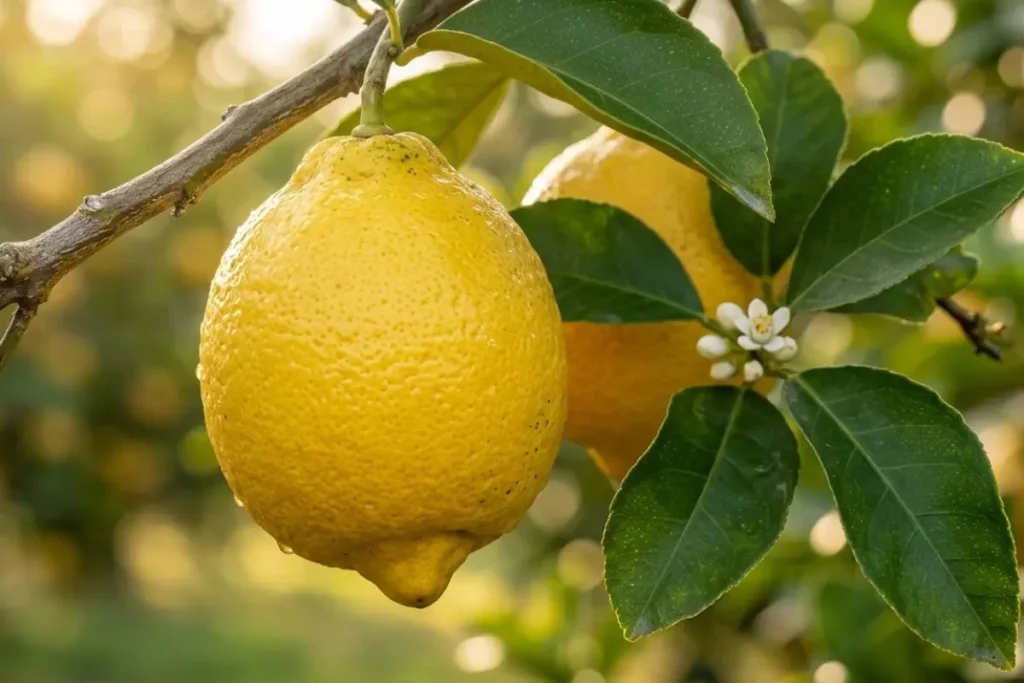
Avoid heavy pruning during extreme summer heat. Also, pay attention to seasonal storms that may damage branches.
California and Arizona
Southern California and Arizona provide favorable conditions for growing citrus trees outdoors. Late winter and early spring are generally good pruning periods.
Because intense sunlight can damage exposed branches, avoid removing too much of the canopy at once. Keep enough healthy foliage to protect the trunk and larger limbs.
Texas
Texas gardeners should consider their local winter temperatures. Southern Texas has a milder climate than northern and central parts of the state.
Wait until the risk of a hard freeze has passed before carrying out major pruning. If winter damage occurs, allow time to assess which branches are actually dead before removing them.
Colder US States
In colder states, lemon trees are often grown in containers and moved indoors during winter.
If your tree stays indoors, you can perform light maintenance throughout the year. For more substantial pruning, late winter or early spring is usually preferable, once the tree is approaching its active growing period.
How to Prune a Lemon Tree Properly
Knowing when to prune lemon trees is only part of the process. Using the correct technique is equally important because poor cuts can damage healthy branches and create unnecessary stress.
Start by Removing Dead and Damaged Branches
Inspect the tree before making any cuts. Dead branches may look dry, brittle, or discolored. Broken branches can also become entry points for pests and diseases.
Cut damaged growth back to healthy wood or remove the branch at its point of origin. Avoid leaving long stubs that cannot heal properly.
Remove Branches Growing Toward the Center
A crowded canopy prevents sunlight from reaching the inner parts of the tree. Look for branches that grow inward or rub against other branches.
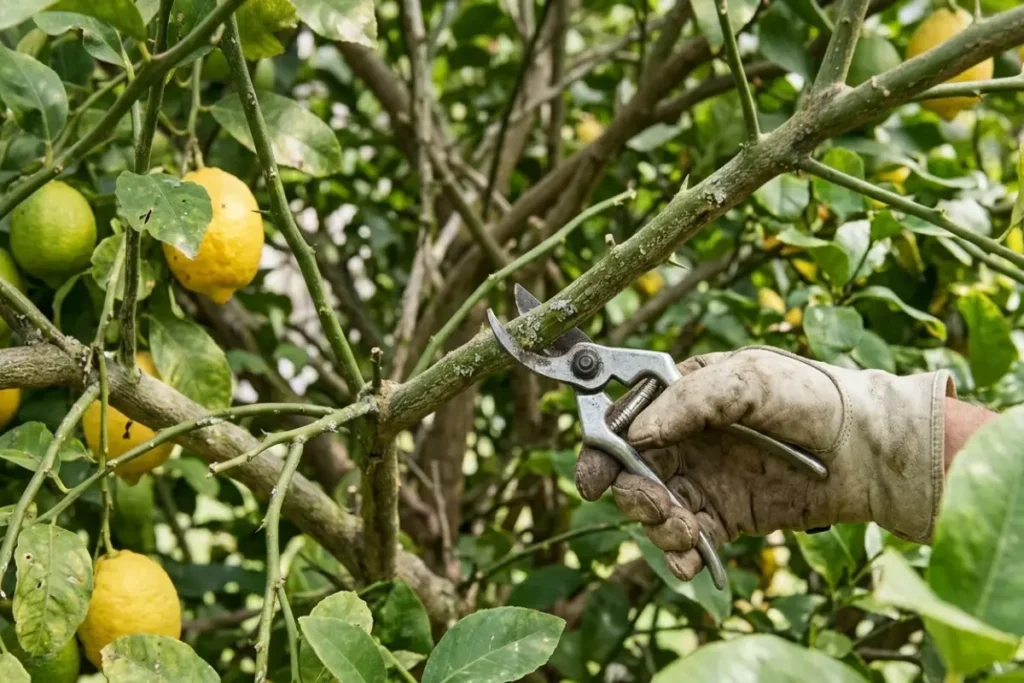
Remove selected branches to create a more open structure. Do not thin the tree excessively because lemon leaves are important for protecting fruit and supporting growth.
Cut Away Suckers Below the Graft
Many commercially grown lemon trees are grafted onto rootstock. Shoots that emerge below the graft union belong to the rootstock rather than the desired lemon variety.
Remove these suckers as close to their point of origin as practical. They can compete with the main tree for water and nutrients.
Control Water Sprouts
Water sprouts are fast-growing, upright shoots that often appear on established branches. A few may be useful for replacing old growth, but too many can make the canopy crowded.
Remove unwanted water sprouts while they are still small. Keep any shoots that help maintain a balanced tree structure.
Maintain a Natural Shape
A lemon tree does not need to look perfectly round or symmetrical. Its natural shape is usually more suitable for healthy growth.
Focus on removing problematic branches, controlling excessive height, and maintaining a strong framework. Avoid cutting every branch to the same length.
How Much Can You Cut Back a Lemon Tree?
Lemon trees generally respond better to light, regular pruning than aggressive cutting. Removing too much foliage at once can reduce the tree’s ability to produce energy and protect its branches from direct sunlight.
For routine maintenance, concentrate on dead, damaged, crossing, and unwanted growth. If the tree is badly overgrown, spread major corrective pruning over more than one season rather than removing a large portion of the canopy in a single session.
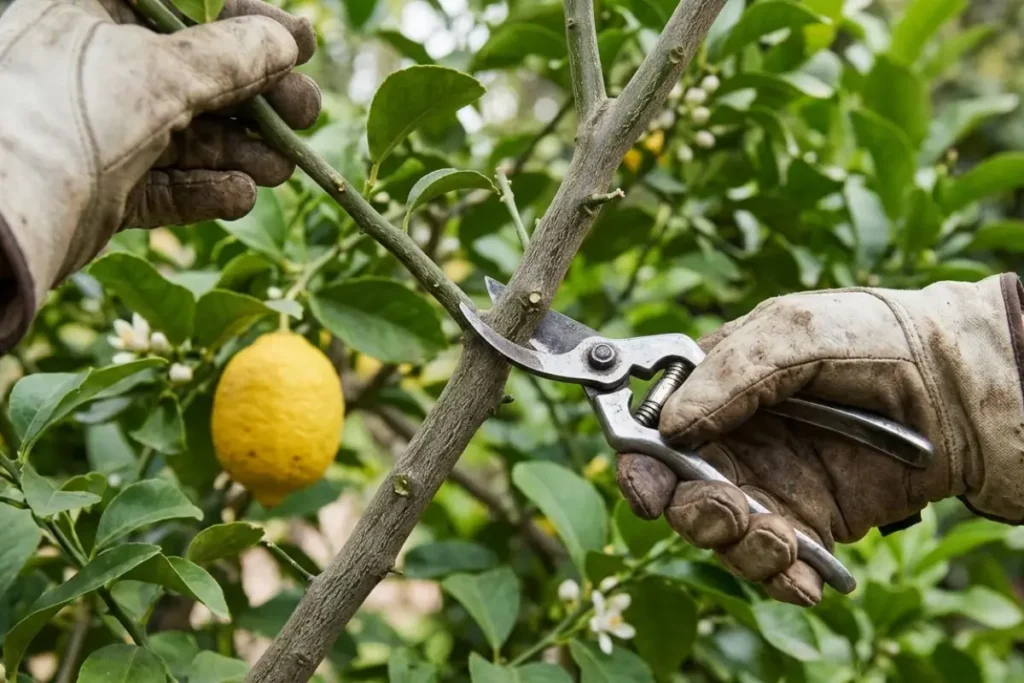
Young lemon trees need particularly gentle treatment. They are still developing their main branches, so excessive cutting can delay their growth and fruit production.
An established tree may tolerate more structural pruning, but it still benefits from a conservative approach.
When Can You Cut Back a Lemon Tree That Is Too Tall?
If your lemon tree has become too tall to harvest easily, late winter or early spring is generally the best time to reduce its height.
Start by identifying the tallest upright branches. Shorten selected branches back to a suitable lateral branch rather than cutting everything across the top at one level.
This method helps preserve a natural canopy and reduces the chance of producing excessive upright regrowth.
If the tree is severely overgrown, reduce its height gradually. Removing too much at once can expose large areas of bark to sunlight and weaken the tree.
Should You Prune a Lemon Tree After Harvesting?
You can prune a lemon tree after harvesting, but the right timing depends on your climate and the next growing cycle.
If the harvest finishes in late winter or early spring, it may be convenient to combine harvesting and routine pruning. However, do not assume that every lemon tree follows the same fruiting schedule.
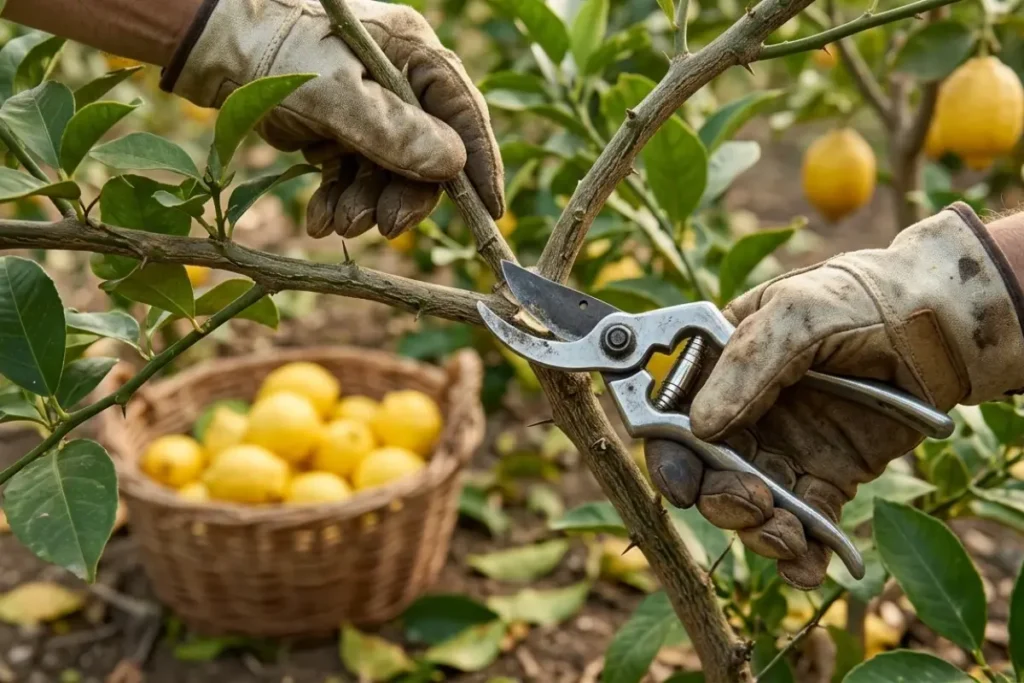
Some varieties produce fruit at different times of the year, and a tree may carry flowers, immature fruit, and ripe lemons simultaneously.
Before cutting, check for developing fruit and flowers. Avoid removing productive branches unnecessarily. If your tree is still carrying a healthy crop, wait until you can identify which branches need attention without sacrificing valuable fruit.
Tools You Need for Lemon Tree Pruning
Clean, sharp pruning tools make the job easier and help produce smooth cuts.
Hand pruners are suitable for small branches and thin shoots. Loppers provide extra reach and leverage for thicker branches, while a pruning saw is useful for larger limbs that hand tools cannot cut safely.
Disinfect your tools before pruning and between trees, especially if you suspect disease. This reduces the risk of spreading harmful pathogens.
Always wear gardening gloves and eye protection when working with thorny lemon varieties. Some lemon trees have sharp thorns that can cause painful scratches.
Common Lemon Tree Pruning Mistakes to Avoid
One common mistake is pruning too early in winter. Cold weather can damage newly exposed branches, especially in areas where frost is common.
Another problem is removing too much healthy foliage. Lemon trees depend on their leaves to produce energy, and excessive cutting can slow growth and reduce fruit production.
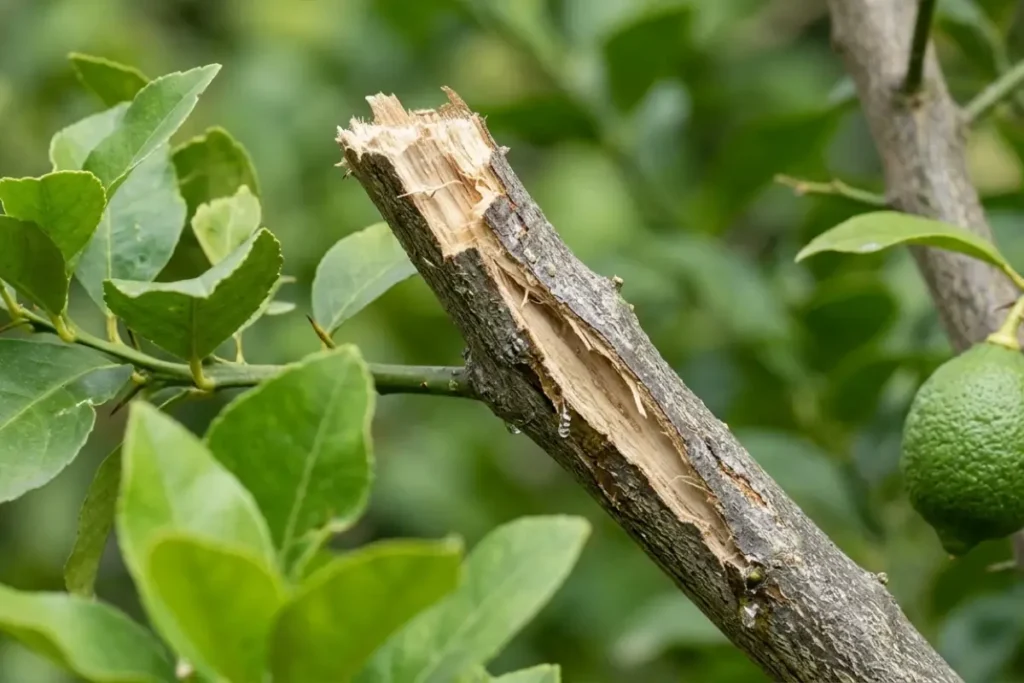
Some gardeners also remove branches simply because they grow in an unusual direction. However, not every irregular branch needs to go. Focus on branches that interfere with the tree’s structure, cross other limbs, or create unnecessary crowding.
Using dirty or dull tools is another mistake worth avoiding. Rough cuts can damage branches, while contaminated tools may spread disease.
Finally, avoid pruning just before a heat wave or during extreme summer conditions. Healthy foliage provides valuable shade for the trunk and fruit.
Frequently Asked Questions About When to Prune Lemon Trees
Can I Prune My Lemon Tree in January?
You can prune a lemon tree in January if you live in a warm area where severe frost is unlikely. In colder regions, it is better to wait until late winter or early spring when freezing conditions have passed.
Is February a Good Time to Prune Lemon Trees?
February can be a good pruning month in warmer parts of the USA. However, gardeners in colder states should check local weather conditions before removing healthy branches.
Should I Prune My Lemon Tree Before or After Flowering?
Light pruning before the main flowering period can help prepare the tree for spring growth. However, avoid cutting off branches carrying flower buds because you may reduce the upcoming fruit crop.
Can I Prune a Lemon Tree in Summer?
Yes, you can carry out light summer pruning to remove dead branches, suckers, and unwanted shoots. Avoid heavy pruning during hot weather because exposed branches and fruit may suffer sun damage.
What Happens If You Never Prune a Lemon Tree?
An unpruned lemon tree can become crowded, develop crossing branches, and become difficult to harvest. However, lemon trees do not require constant or aggressive pruning. Occasional maintenance is usually enough to keep a healthy tree in good shape.
Should I Remove Lemon Tree Branches That Touch the Ground?
Yes, you can remove low branches that touch the ground, especially if they interfere with watering, maintenance, or harvesting. Make clean cuts without removing more healthy foliage than necessary.
Can I Prune a Lemon Tree When It Has Fruit?
Yes, but be selective. Remove dead, broken, or diseased branches while avoiding healthy fruit-bearing growth. If major shaping is needed, wait until a more suitable pruning period.
How Often Should You Prune a Lemon Tree?
Most healthy lemon trees only need light pruning once a year, along with occasional maintenance when damaged or unwanted branches appear. The exact frequency depends on the tree’s age, variety, growing conditions, and shape.
Conclusion:
The best time to prune lemon trees is generally late winter to early spring, once the risk of severe frost has passed. This timing allows the tree to prepare for fresh growth while helping you maintain a healthy structure.
Remember that lemon trees do not need aggressive pruning to produce good fruit. Remove damaged branches, control unwanted growth, and protect the healthy foliage that supports fruit development.
With the right timing and a gentle approach, you can keep your lemon tree manageable, healthy, and productive for years.

Plant Nest Blog’s author is passionate about plants, gardening, and sustainable living. Through research and practical experience, they share helpful plant care tips, gardening guides, and easy solutions to help readers grow healthier plants and create greener spaces.