
Many people assume a snake plant will grow happily in any pot because it’s known for being incredibly hardy. While it’s true that this resilient houseplant can tolerate less-than-ideal conditions, simply surviving is very different from thriving. Choosing the 11 Best Pots for Snake Plants can have a significant impact on healthy root development, steady growth, and the long-term health of your plant.
A well-chosen pot does far more than complement your décor. It helps regulate moisture, provides adequate drainage, and gives the roots the right amount of space to grow.
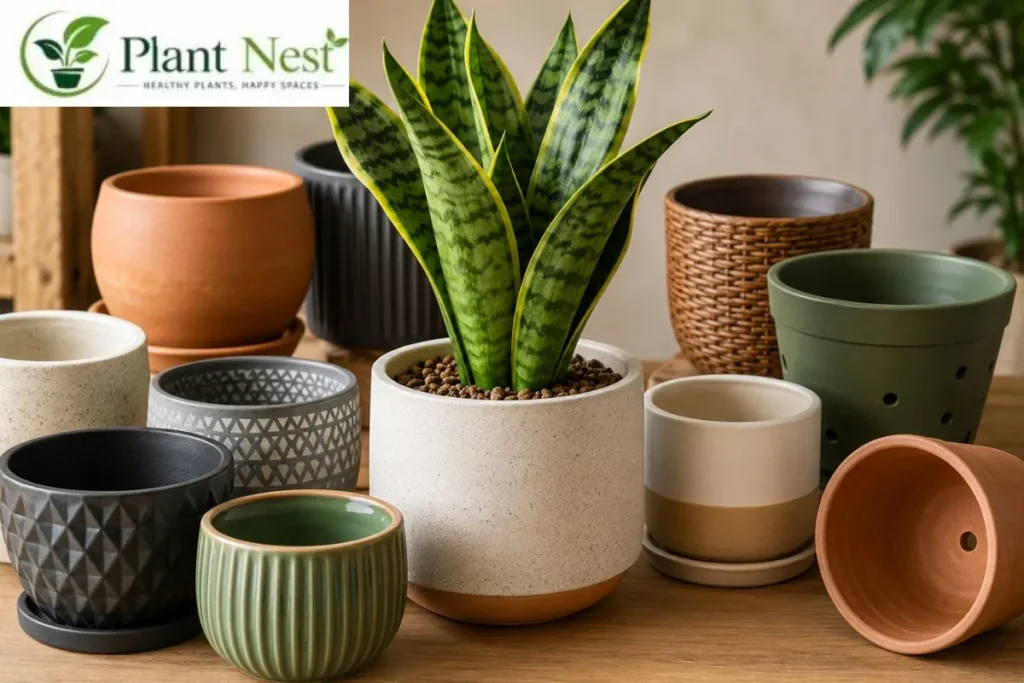
In this guide, you’ll discover how to choose the ideal pot for your snake plant, from selecting the best material and size to understanding why proper drainage matters.
Whether you’re buying your first planter or upgrading an established plant, you’ll find practical advice to help create the perfect growing environment and keep your snake plant healthy for years to come.
Why Choosing the 11 Best Pot for Snake Plant Matters
Many people focus on watering schedules and light levels but overlook the importance of the pot itself. In reality, the container plays a vital role in your snake plant’s health. The right pot does far more than hold soil it regulates moisture, supports healthy root growth, improves stability, and creates the ideal conditions for long-term success.
Selecting the 11 best pot for snake plant isn’t just about appearance. The right planter helps prevent common issues such as overwatering, poor drainage and root rot, making it much easier to grow a healthy, thriving plant indoors.
Snake Plant Roots Grow Differently from Most Houseplants
Unlike many indoor plants that develop deep, fibrous root systems, snake plants grow through thick underground stems known as rhizomes. These rhizomes spread horizontally beneath the soil, storing both water and nutrients. This natural adaptation makes snake plants highly drought tolerant but also means they have different pot requirements.
Because the roots grow outwards rather than downwards, there’s no benefit to using an oversized container. Too much unused soil retains excess moisture, increasing the risk of root problems. A correctly sized pot gives the rhizomes enough room to expand while allowing the soil to dry at a healthy rate between waterings.
Snake Plants Thrive When Slightly Root-Bound
One of the biggest misconceptions about houseplants is that bigger pots encourage faster growth. Snake plants are an exception. They often perform better when their roots fit comfortably inside the container with only a little extra space.
A slightly root-bound plant uses water more efficiently, develops stronger foliage and is more likely to produce offsets, commonly known as pups. Rather than choosing the largest planter available, select one that’s only a few centimetres wider than the existing root ball. This simple approach promotes healthier growth while making watering far easier to manage.
Good Drainage Is the Best Defence Against Root Rot
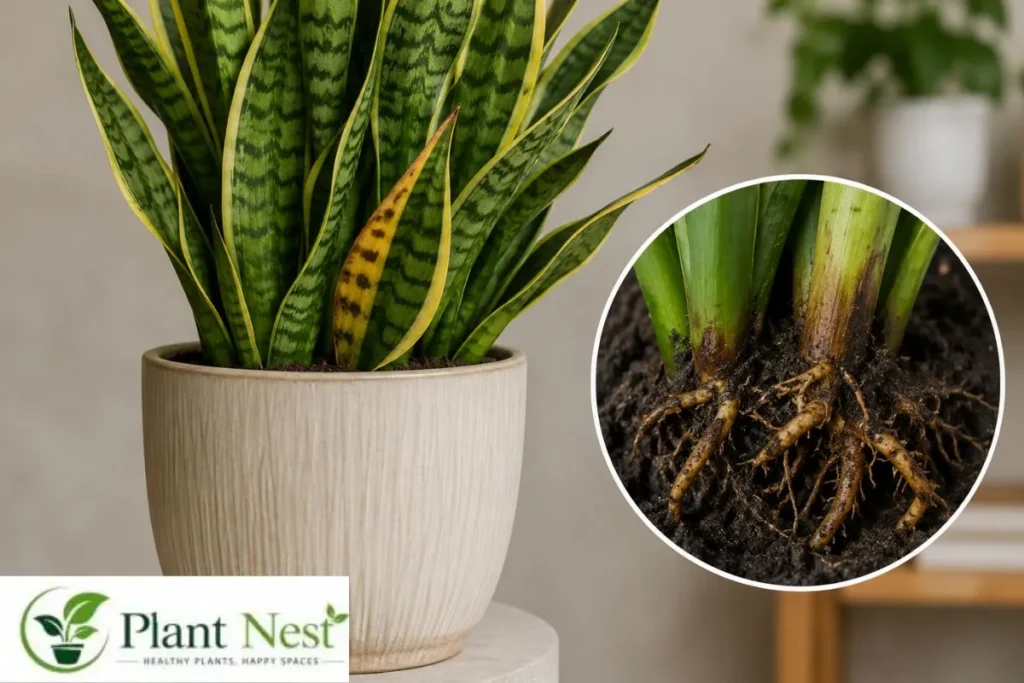
Root rot remains the most common cause of snake plant failure, and poor drainage is usually to blame. Since snake plants store water in both their leaves and rhizomes, they don’t need consistently damp soil. If moisture remains around the roots for too long, decay can develop quickly.
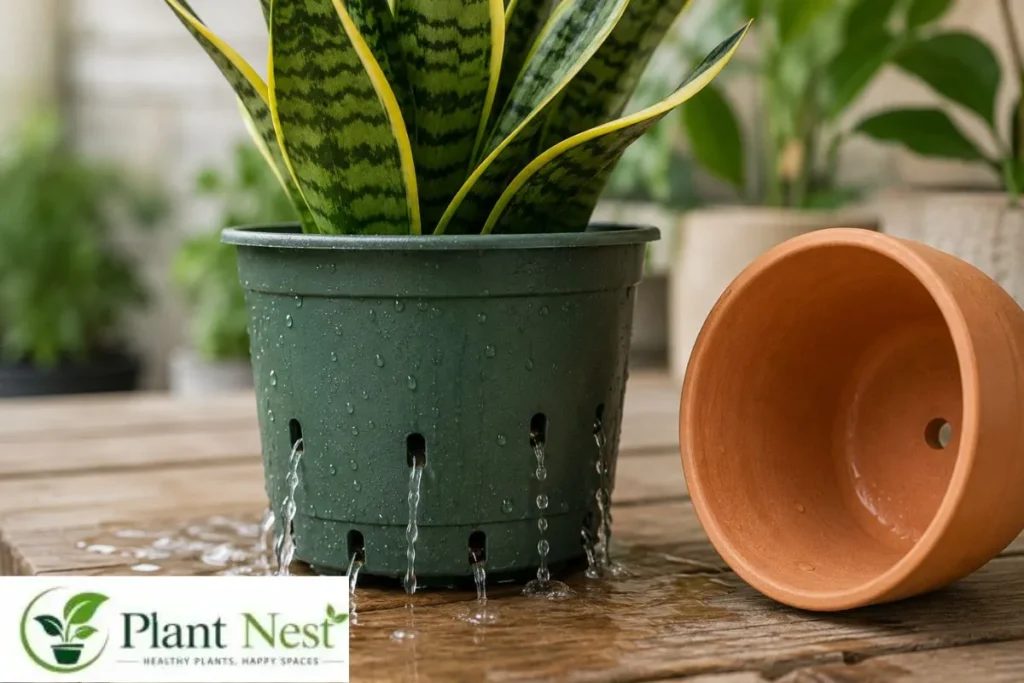
That’s why a pot with drainage holes is essential. Combined with a free-draining potting mix, it allows excess water to escape instead of collecting at the bottom of the container. This creates the balanced moisture levels snake plants need while significantly reducing the risk of fungal diseases and root damage.
The Wrong Pot Can Encourage Overwatering
Many people assume overwatering simply means watering too often. In reality, the container itself is often the hidden problem. Pots without drainage holes trap excess water beneath the soil, while oversized containers hold more compost than the roots can absorb, leaving it damp for much longer.
These conditions create the perfect environment for root rot. Choosing a breathable material, such as terracotta, helps excess moisture evaporate naturally and allows the growing medium to dry more evenly. This makes it much easier to maintain the right moisture balance, particularly if you’re new to caring for indoor plants.
Healthy Roots Need Good Airflow
Water isn’t the only thing roots require. They also need oxygen to remain healthy. A well-designed planter encourages air movement through the potting mix, preventing the soil from becoming compacted or waterlogged.
Improved airflow helps roots absorb nutrients more efficiently, recover faster after watering and develop into a stronger root system. This becomes even more important in humid climates, where soil naturally stays damp for longer periods.
Your Choice of Pot Directly Affects Plant Growth
The container you choose has a greater impact than many gardeners realise. A suitable pot supports healthy root development, balances moisture levels and encourages strong, upright foliage. It also creates the ideal conditions for producing new pups, helping the plant become fuller over time.
An unsuitable container can have the opposite effect. Poor drainage, excessive moisture and restricted airflow often lead to slower growth, weak leaves and recurring root problems, even when watering and lighting are otherwise correct.
Signs Your Snake Plant Needs a Better Pot
Your plant will often tell you when its container is no longer suitable. Watch for soil that stays wet for several days after watering, yellowing or soft leaves, unpleasant smells coming from the compost, roots pushing aggressively through drainage holes or a pot that tips over easily because the plant has become top-heavy.
If you notice any of these warning signs, upgrading to one of the 11 best pot for snake plant options with the correct size and proper drainage can dramatically improve your plant’s health and make future care much simpler.
Choosing the right pot is one of the easiest ways to help your snake plant flourish. In the next section, we’ll compare the most popular pot materials and explain which option offers the best balance of drainage, durability and healthy root growth for long-lasting success.
Best Pot Material for Snake Plant: Which One Should You Choose?
It’s easy to assume that the material of a plant pot only affects its appearance. In reality, it plays a much bigger role. The type of pot you choose influences how quickly the soil dries, how much air reaches the roots and how often you’ll need to water your plant. These factors all have a direct impact on its long-term health.
When choosing from the 11best pot for snake plant options, the material deserves just as much attention as the size. A well-chosen planter helps create the right balance of moisture and airflow, giving your snake plant the ideal conditions to grow strong and healthy.
Terracotta Pots The Best All-Round Choice
Terracotta is widely regarded as the best material for growing snake plants, and it’s easy to see why. Made from natural clay, these pots have a porous surface that allows both air and moisture to pass through. As a result, excess water evaporates more quickly, helping the soil dry evenly after watering.
This breathable design suits snake plants perfectly because they prefer drier conditions. It reduces the risk of overwatering, supports healthy root development and helps prevent root rot. Even if you accidentally add a little too much water, terracotta is more forgiving than most other materials because some of the excess moisture naturally escapes through the pot.
The only downside is that terracotta dries out faster than ceramic or plastic. If your home is particularly warm or has low humidity, you’ll need to check the soil more regularly. Even so, it remains the preferred choice for most indoor gardeners thanks to its excellent balance of drainage, airflow and moisture control.
Ceramic Pots Stylish and Practical
Ceramic pots are a popular choice for indoor plants because they combine durability with attractive designs. Available in a wide range of colours, shapes and finishes, they make it easy to match your snake plant with your home’s décor.
However, not all ceramic pots perform the same. Unglazed ceramic allows a small amount of airflow, while glazed ceramic has a sealed surface that retains moisture for longer. Although this means you’ll water less often, it’s important to avoid keeping the compost wet for extended periods.
If you’re deciding between ceramic and plastic, ceramic is usually the better option. It’s heavier, making it more stable for taller plants, and it generally lasts much longer. Whatever style you choose, always make sure the pot includes a drainage hole, as this is far more important than the finish.
Plastic Pots Budget-Friendly but Less Forgiving
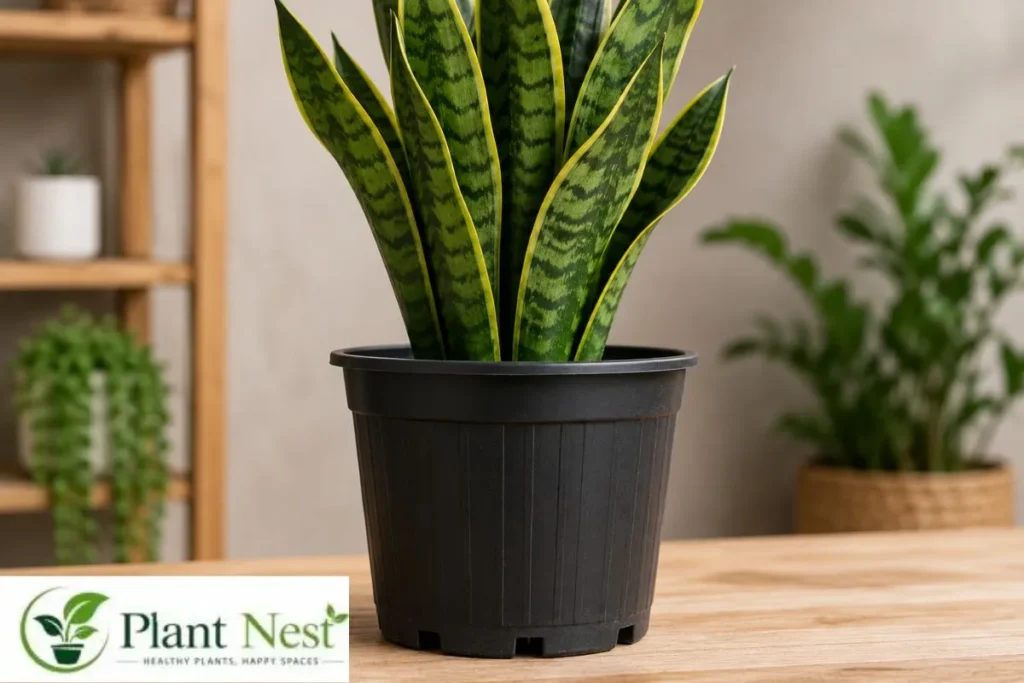
Plastic pots are affordable, lightweight and easy to find in almost any size. They’re also simple to move around the house, making them a practical option for anyone with several houseplants.
The drawback is that plastic isn’t breathable. Unlike terracotta, it traps moisture inside the pot, causing the soil to stay damp for longer after watering. While this reduces how often you need to water, it also increases the risk of root rot if you’re not careful.
Plastic pots can still be a good choice, particularly in homes with dry indoor air. Just ensure they have drainage holes and allow the potting mix to dry thoroughly before watering again. With the right watering routine, they can support healthy growth just as effectively.
Concrete, Metal and Wooden Planters
Concrete, metal and wooden planters offer distinctive styles and can work well in the right setting, although each comes with its own advantages and limitations.
Concrete pots are exceptionally strong and heavy, making them ideal for mature snake plants that may become top-heavy. Their weight keeps large plants stable, although it also makes repositioning them more difficult.
Metal planters provide a sleek, modern appearance but are best used as decorative outer pots. Metal heats up quickly in direct sunlight and cools rapidly during colder weather, exposing the roots to sudden temperature changes.
Wooden planters add a warm, natural look that’s perfect for rustic interiors or sheltered outdoor spaces. However, untreated wood absorbs moisture over time and can begin to deteriorate. Sealed or treated timber lasts longer but still requires more maintenance than clay or ceramic.
Which Pot Material Is the Best Overall?
After comparing the most common materials, terracotta remains the standout choice for most plant owners. Its natural breathability encourages healthy airflow, helps excess moisture evaporate and creates the ideal conditions for strong root development. These qualities make it suitable for both beginners and experienced indoor gardeners.
Ceramic is an excellent alternative if style is a priority, provided the pot has proper drainage. Plastic offers a practical and affordable option when watering is carefully managed, while concrete is ideal for larger plants that need extra stability. Metal and wooden planters are better suited as decorative outer containers rather than permanent planting pots.
If you’re looking through the 11best pot for snake plant recommendations, a terracotta pot with a drainage hole remains the most reliable choice. It offers the best combination of airflow, moisture control and root protection, giving your snake plant every opportunity to thrive for years to come.
Best Pot Material for Snake Plant: Which One Should You Choose?
It’s easy to think a plant pot is simply a decorative accessory, but its material has a direct impact on your snake plant’s health. Different materials affect how quickly the soil dries, how much oxygen reaches the roots and how often you’ll need to water. Choosing the right planter is just as important as using a quality potting mix or placing your plant in the right light.
If you’re searching for the 11best pot for snake plant, don’t focus on appearance alone. The best material helps maintain the perfect balance of moisture, drainage and airflow, giving your snake plant the conditions it needs to stay healthy and grow steadily.
11best pot for snake plant: Terracotta Pots The Best Choice for Most Homes
Terracotta is widely recognised as the best option for the 11best pot for snake plant, and for good reason. Made from natural clay, these pots are porous, allowing air and moisture to pass through the sides. This improves airflow around the roots and helps excess moisture evaporate, reducing the chance of waterlogged soil.
Because snake plants thrive in drier conditions, terracotta creates an ideal environment for healthy growth. It supports strong root development, lowers the risk of root rot and makes overwatering less likely. Even if you occasionally add too much water, the breathable clay helps remove excess moisture naturally.
The only disadvantage is that terracotta dries out more quickly than ceramic or plastic. In warmer homes or dry climates, you may need to check the soil slightly more often. Even so, its excellent drainage and natural breathability make it the first choice for most indoor gardeners looking for the 11best pot for snake plant.
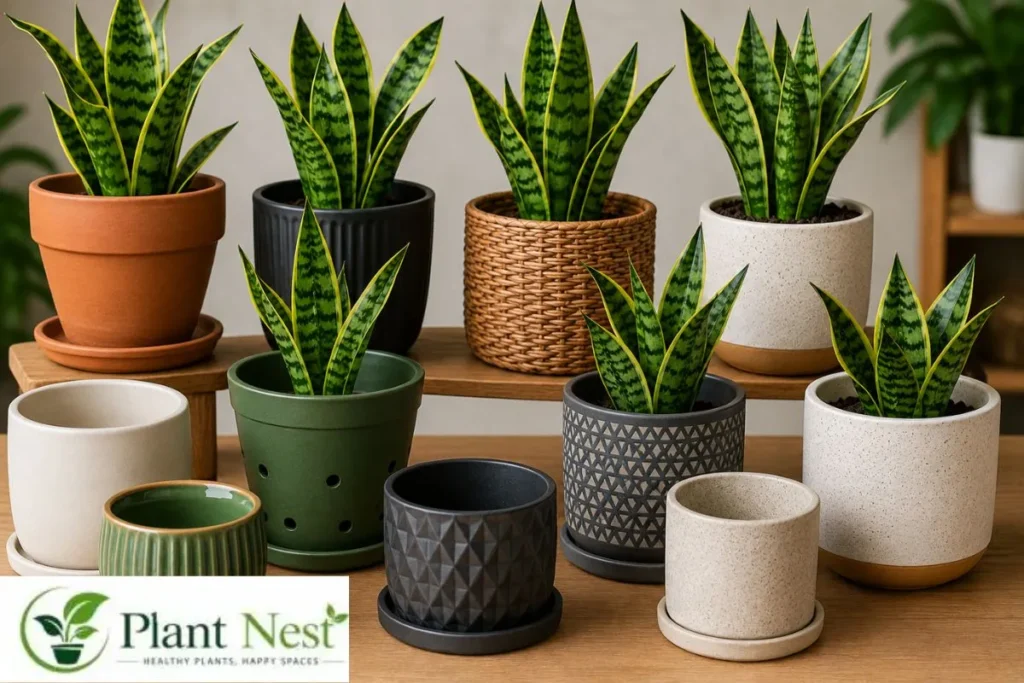
11 best pot for snake plant: Ceramic Pots Attractive and Reliable
Ceramic pots are a popular choice for anyone who wants to combine plant care with stylish home décor. Available in countless colours, shapes and finishes, they easily complement both modern and traditional interiors.
However, not all ceramic pots perform in the same way. Unglazed ceramic remains slightly breathable, while glazed ceramic has a sealed surface that slows moisture loss. As a result, glazed pots retain water for longer and require a little more care when watering.
If you’re deciding between ceramic and plastic for the 11 best pot for snake plant, ceramic usually comes out on top. It’s heavier, making it less likely to tip over, especially as snake plants become taller. Most importantly, always choose a ceramic pot with drainage holes, as proper drainage has a much greater impact on plant health than the finish itself.
11best pot for snake plant: Plastic Pots Affordable and Lightweight
Plastic pots remain one of the most affordable options and are ideal if you’re growing several houseplants or regularly move them around your home. They’re lightweight, inexpensive and available in almost every size and style.
The downside is that plastic isn’t breathable. Unlike terracotta, it traps moisture inside the pot, causing the compost to stay damp for longer after watering. While this means you’ll water less frequently, it also increases the likelihood of overwatering if you’re not careful.
Plastic pots can still be a suitable choice for the 11best pot for snake plant when they include drainage holes and are paired with a sensible watering routine. They’re particularly useful in dry indoor environments where soil tends to dry out quickly.
11best pot for snake plant: Concrete, Metal and Wooden Planters
Concrete, metal and wooden planters have become increasingly popular for their distinctive appearance, but each material has its own advantages and drawbacks.
Concrete pots are extremely durable and heavy, making them an excellent choice for large or mature snake plants. Their weight prevents tall plants from becoming unstable, although moving them can be challenging.
Metal planters create a sleek, contemporary look but are better suited as decorative outer pots. Metal responds quickly to temperature changes, heating up in direct sunlight and cooling rapidly in winter, which can place unnecessary stress on the roots.
Wooden planters offer a warm, natural finish that suits rustic interiors and sheltered outdoor spaces. However, untreated timber absorbs moisture over time and may begin to deteriorate. Treated or sealed wood lasts longer but still requires more maintenance than terracotta or ceramic when selecting the 11best pot for snake plant.
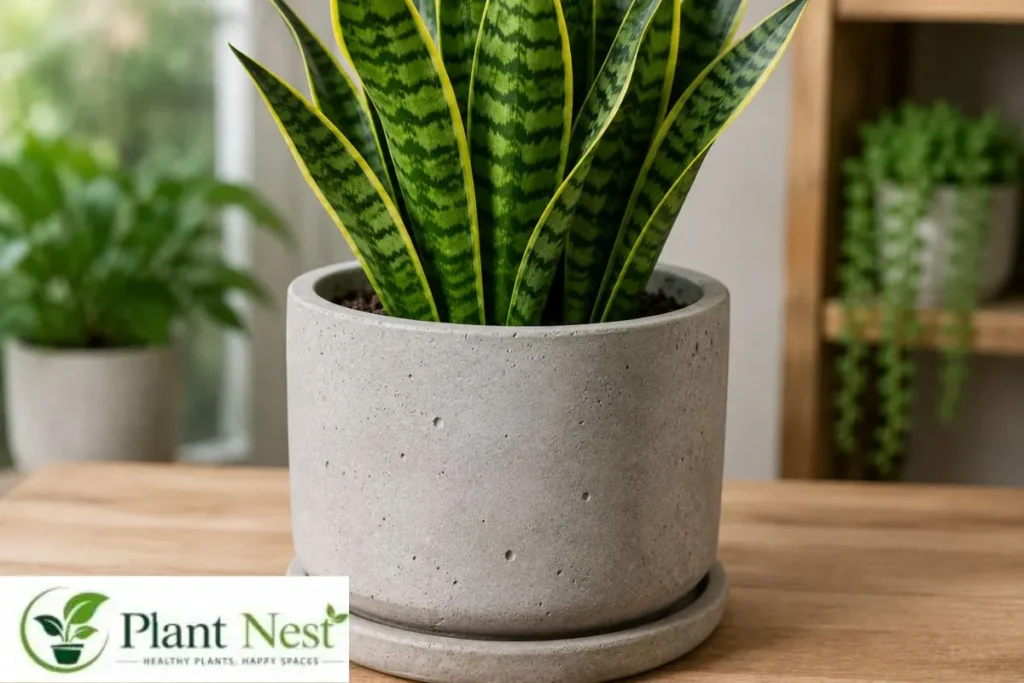
11 best pot for snake plant: Which Pot Material Is Best Overall?
After comparing the available options for the 11best pot for snake plant, terracotta remains the clear winner for most snake plant owners. Its breathable clay construction promotes healthy airflow, allows excess moisture to escape and creates the ideal environment for strong root growth. These qualities make it an excellent choice for beginners and experienced gardeners alike.
Ceramic comes a close second, offering an attractive balance of style and durability when paired with proper drainage. Plastic is a practical, budget-friendly alternative if watering is carefully managed, while concrete is ideal for larger plants that need extra stability. Metal and wooden planters are best used as decorative containers rather than permanent planting pots.
If you’re choosing from the 11best pot for snake plant, a terracotta pot with drainage holes is still the most dependable option. It provides the perfect balance of airflow, moisture control and root protection, making it easier to keep your snake plant healthy for many years.
What Size Pot Is Best for Snake Plant?
Many people believe that moving a snake plant into a much larger pot will encourage faster growth. It sounds sensible, but the opposite is usually true. Snake plants prefer a snug environment, and too much extra soil often holds excess moisture around the roots. When choosing the 11 best pot for snake plant, selecting the correct size is far more important than choosing the biggest container.
A well-sized pot encourages healthier root development, improves moisture control and reduces the risk of root rot. Instead of giving your plant endless space, aim for a container that’s only slightly larger than the root ball. This simple decision makes watering easier and supports stronger, healthier growth.
Why Pot Size Matters More Than You Think
Snake plants have a unique root system made up of thick rhizomes that spread horizontally rather than growing deep into the soil. Because of this natural growth habit, they don’t require large containers and often perform better when their roots fit comfortably inside the pot.
The right-sized container allows the potting mix to dry evenly after watering, giving the roots enough moisture without leaving them sitting in damp soil. It also provides better support, helping the plant remain upright as it grows.
By contrast, an oversized pot holds far more compost than the roots can use. The excess soil stays wet for longer, increasing the risk of root rot and slowing healthy root development. That’s why choosing the correct size is one of the most important steps when selecting the 11 best pot for snake plant.
Best Pot Size for Small Snake Plants
Young snake plants and newly propagated divisions don’t need large planters. In fact, placing them in oversized containers often causes the soil to remain damp for too long, making root problems more likely.
For plants up to around 30 cm (12 inches) tall, a pot measuring approximately 10–12 cm (4–5 inches) in diameter is usually ideal. This gives the roots enough room to establish while keeping unnecessary soil to a minimum.
Smaller pots also make watering easier because the compost dries more evenly. During the early stages of growth, this size offers one of the 11 best pot for snake plant options for maintaining healthy roots indoors.
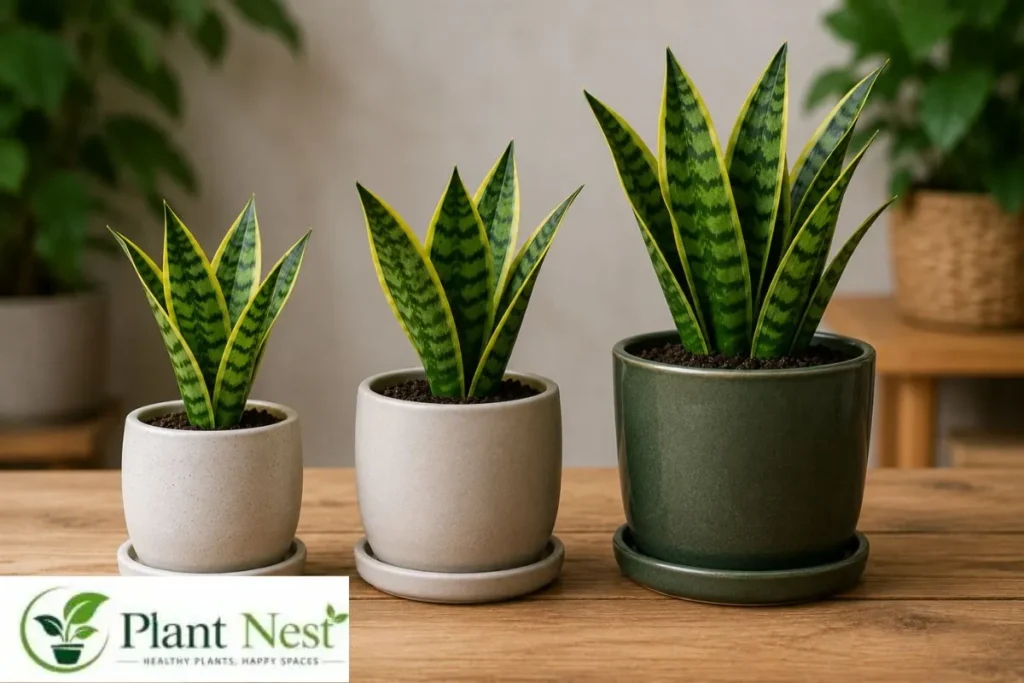
Best Pot Size for Medium Snake Plants
As your snake plant matures, its rhizomes gradually spread, requiring a little more space. Plants between 30 and 60 cm (12–24 inches) tall generally grow best in pots measuring around 15–20 cm (6–8 inches) in diameter.
This size provides enough room for healthy root expansion without leaving excessive unused soil. It also encourages the development of new pups while maintaining balanced moisture levels.
Most medium-sized indoor snake plants remain happy in this pot size for several years before needing to be repotted. Choosing the 11 best pot for snake plant with the correct dimensions at this stage helps maintain steady, stress-free growth.
Best Pot Size for Large Snake Plants
Large snake plants create an impressive focal point, but they also need a container that offers both stability and adequate root space. As mature plants produce more pups, they can become heavy enough to tip lightweight pots.
For larger specimens, a pot measuring between 20 and 30 cm (8–12 inches) in diameter is generally the best choice. Always base your selection on the width of the root ball rather than the height of the leaves.
Heavy terracotta or ceramic pots work particularly well because they provide excellent stability while helping regulate soil moisture. If you’re choosing the 11 best pot for snake plant, these materials and sizes provide an excellent combination for mature plants.
How Much Bigger Should the New Pot Be?
One of the most common questions among plant owners is how much larger the next pot should be. Fortunately, the answer is simple. When repotting, choose a container that’s only 2–5 cm (1–2 inches) wider than the current one.
A gradual increase gives the roots enough room to grow while allowing the soil to dry properly between waterings. Although a much larger pot may seem like a way to delay future repotting, it often creates more problems than it solves.
Large containers hold a greater volume of unused compost, which stays damp long after watering because the roots can’t absorb the moisture quickly enough. This creates ideal conditions for root rot, weak growth and unhealthy foliage.
When selecting the 11 best pot for snake plant, remember that bigger isn’t always better. A pot that’s only slightly larger than the root ball provides the perfect balance of space, drainage and moisture control.
Choosing the correct pot size at every stage of growth will make watering easier, reduce common care issues and encourage a healthier root system. Combined with a breathable pot material and proper drainage, the 11 best pot for snake plant will give your snake plant the strongest foundation for long-term success.
Best Pot for Monstera Plant
Although this guide focuses on the 11 best pot for snake plant, many indoor gardeners also grow monsteras and wonder whether the same type of planter works for both. While both plants benefit from pots with drainage holes, their watering needs are quite different. Monsteras enjoy consistently moist soil, whereas snake plants prefer the potting mix to dry out between waterings.
For the healthiest results, choose a pot based on each plant’s specific growing habits rather than using the same planter for every houseplant. Matching the container to the plant’s root system and moisture requirements will always produce better long-term growth.
Snake Plant Pot Size
Choosing the correct snake plant pot size is just as important as selecting the right material. When looking for the 11 best pot for snake plant, the container should fit the root system comfortably without leaving too much unused soil. A snug-fitting pot allows the compost to dry evenly and encourages healthier root development.
As your snake plant grows, increase the pot size gradually instead of moving to a much larger container. This simple approach improves moisture control, reduces the risk of root rot and keeps the plant growing steadily throughout the year.
Black Coral Snake Plant
The Black Coral Snake Plant is one of the most popular varieties thanks to its deep green leaves with striking silver-grey markings. Like other snake plants, it thrives in well-draining soil and a pot with adequate drainage.
Because this variety can become tall and heavy, a sturdy terracotta or ceramic planter offers better stability than lightweight plastic pots. Choosing one of the 11 best pot for snake plant options helps support healthy roots while preventing the plant from toppling over as it matures.
Golden Snake Plant
The Golden Snake Plant stands out for its bright yellow leaf edges, making it a favourite for adding colour to indoor spaces. Despite its vibrant appearance, its care requirements are similar to other snake plant varieties.
Avoid planting it in an oversized container, as excess soil retains moisture for longer and can lead to root rot. A well-sized pot with good drainage, combined with bright, indirect light, will encourage stronger growth and help maintain its attractive foliage.
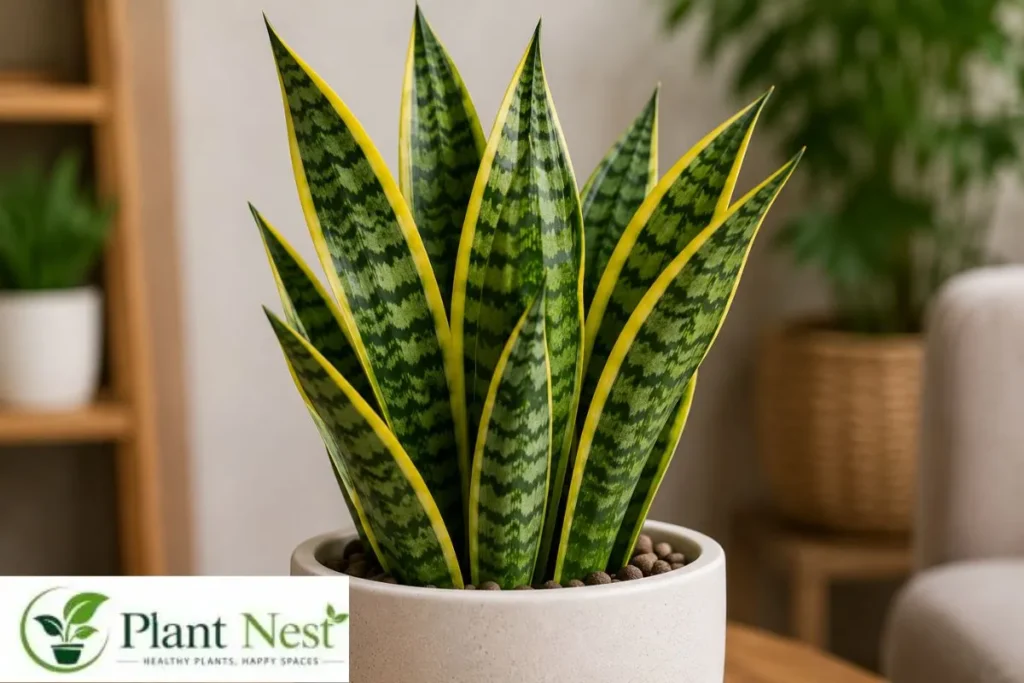
Cactus Potting Mix for Snake Plant
Using a cactus potting mix is one of the easiest ways to improve drainage for snake plants. Standard houseplant compost often holds too much moisture, whereas cactus and succulent mixes allow water to drain much more efficiently.
For even better results, many experienced gardeners mix in a little perlite or coarse sand to improve aeration. Pairing this free-draining soil with one of the 11 best pot for snake plant options creates the ideal growing environment and significantly lowers the risk of overwatering.
Snake Plant Office
A snake plant is one of the best choices for an office because it adapts well to indoor conditions and requires very little maintenance. Its upright growth habit makes it perfect for desks, shelves and reception areas without taking up much space.
When choosing the 11 best pot for snake plant for an office, select a sturdy planter with drainage holes that’s easy to water and unlikely to tip over. As office environments often have air conditioning or central heating, always allow the soil to dry before watering again.
Do Snake Plants Need a Lot of Light?
One of the questions new plant owners ask most often is whether snake plants need a lot of light. The good news is that they don’t. Snake plants are highly adaptable and tolerate low-light conditions better than many other houseplants, making them ideal for both homes and offices.
That said, they perform best in bright, indirect light, where they produce stronger leaves and healthier new growth. Avoid prolonged exposure to intense afternoon sun, which can scorch the foliage. Combine suitable lighting with well-draining soil and one of the 11 best pot for snake plant, and your plant will have everything it needs to thrive for years.
Frequently Asked Questions
What is the best pot for a snake plant indoors?
The 11 best pot for snake plant indoors is typically a terracotta or ceramic pot with drainage holes. Terracotta is often the preferred choice because its porous surface allows excess moisture to evaporate, helping to reduce the risk of root rot. If you prefer ceramic for its decorative appeal, choose one with proper drainage to keep the roots healthy.
What size pot is best for a snake plant?
The ideal pot should be only 2–5 cm (1–2 inches) wider than the existing root ball. Snake plants grow best when they’re slightly root-bound, so avoid choosing an oversized container. The right-sized pot allows the soil to dry evenly, supports healthy root growth and makes watering much easier.
Should snake plants be in ceramic or plastic pots?
Both materials can work well, but ceramic is usually the better option. It’s heavier, more durable and provides greater stability for taller plants. Plastic pots are lightweight and budget-friendly, but they retain moisture for longer, so you’ll need to be more careful with your watering routine.
What is the best pot material for a snake plant?
For most indoor gardeners, terracotta is the best choice. Its breathable clay improves airflow, allows excess moisture to escape and creates the ideal conditions for healthy roots. Ceramic pots with drainage holes are another excellent option if you want a more decorative planter.
Can a snake plant stay root-bound?
Yes. Snake plants actually prefer being slightly root-bound. A snug container helps regulate moisture and often encourages the plant to produce new pups. However, if the roots completely fill the pot, begin growing through the drainage holes or crack the container, it’s time to repot into one of the 11 best pot for snake plant options that is slightly larger.
Do snake plants need deep pots?
No. Snake plants spread through thick underground rhizomes rather than deep root systems. A pot with moderate depth and enough width for the roots is a much better choice than a very deep container.
How often should I repot my snake plant?
Most snake plants only need repotting every two to four years, depending on how quickly they grow. Signs that it’s time to repot include roots growing through the drainage holes, a cracked pot or an overcrowded root system. When repotting, choose a container that’s only slightly larger than the current one.
Can I use a decorative pot without drainage holes?
Yes, but avoid planting directly into it. The best approach is to keep your snake plant in a nursery pot with drainage holes and place that inside the decorative container. This allows excess water to drain properly while still giving you the look you want.
Is terracotta better than ceramic for snake plants?
In most cases, yes. Terracotta naturally absorbs excess moisture and provides better airflow around the roots, making overwatering less likely. Ceramic is still an excellent choice, especially when fitted with drainage holes, although glazed ceramic tends to retain moisture for longer than terracotta.
What is the best planter for preventing root rot?
The 11 best pot for snake plant is one that combines the right material, the correct size and effective drainage. A terracotta pot with drainage holes, filled with a well-draining cactus or succulent potting mix, provides the ideal conditions for healthy roots while greatly reducing the risk of root rot.
Choosing the 11 best pot for snake plant is one of the simplest ways to keep your plant healthy for years to come. Pair the right pot with a free-draining soil mix, sensible watering habits and suitable lighting, and your snake plant will reward you with strong growth and vibrant foliage.
Conclusion
Choosing the 11 best pot for snake plant is one of the easiest ways to improve your plant’s long-term health and appearance. Although snake plants are famous for being hardy and low-maintenance, they still perform best when they’re grown in the right container. A suitable pot encourages healthy root development, improves drainage, regulates moisture and greatly reduces the risk of root rot.
For most homes, a terracotta pot with drainage holes remains the best all-round choice because it offers excellent airflow and allows excess moisture to evaporate naturally. If you prefer a more decorative finish, a ceramic pot with proper drainage is an equally reliable alternative. Whatever material you choose, remember that snake plants thrive in pots that are only slightly larger than the root ball rather than oversized containers.
The 11 best pot for snake plant is only part of the equation. Pair it with a free-draining cactus or succulent potting mix, water only when the soil has completely dried out and place your plant in bright, indirect light. Following these simple care practices will encourage stronger roots, healthier foliage and steady growth throughout the year.
With the right planter and a little consistent care, your snake plant can remain a beautiful feature in your home or office for many years. Investing in the 11 best pot for snake plant today provides the strong foundation your plant needs to grow healthier, stronger and more vibrant with every season.

Plant Nest Blog’s author is passionate about plants, gardening, and sustainable living. Through research and practical experience, they share helpful plant care tips, gardening guides, and easy solutions to help readers grow healthier plants and create greener spaces.