
Many people assume that houseplants and showers simply don’t mix. It’s easy to believe that bathrooms are too dark, too damp, or too humid for plants to survive. In reality, that’s only true for certain species. The 21 Best Plants for the Shower That Thrive in Humidity are naturally adapted to warm, moisture-rich environments, making a bathroom one of the best places for them to flourish.
If you’ve ever wondered which plants are best suited to a shower, you’re certainly not alone. More and more homeowners are turning their bathrooms into calming, spa-inspired retreats, using lush greenery to create a fresh and relaxing atmosphere. The secret lies in choosing plants that originate from tropical rainforests, where humidity is consistently high and sunlight is filtered through the forest canopy.
A shower provides many of the conditions these tropical plants love. The steam from hot showers boosts humidity, temperatures remain relatively stable, and many bathrooms receive enough indirect or filtered light to support healthy growth. For the right plant, it’s surprisingly similar to its natural habitat.
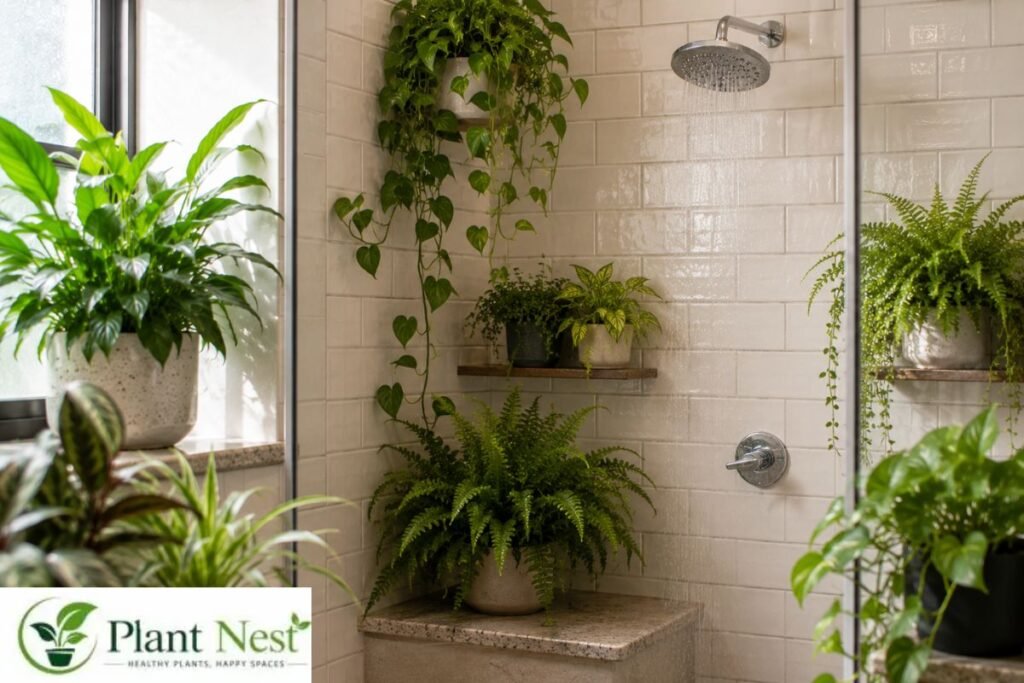
The benefits go beyond creating an attractive bathroom. Adding the right greenery can instantly make the space feel brighter, calmer, and more welcoming. Many humidity-loving houseplants are also known for helping to improve indoor air quality, giving your bathroom a fresher and more relaxing feel every day.
Of course, not every plant will thrive in these conditions. Some species prefer bright, direct sunlight and dry air, while others struggle with constant moisture. Choosing plants that naturally enjoy warmth and humidity is the key to long-term success.
In this guide, you’ll discover the 21 Best Plants for the Shower That Thrive in Humidity, along with practical tips on choosing the right species for your space.
We’ll explore which plants perform best in humid bathrooms, whether it’s safe to keep plants inside a shower, and the easiest low-maintenance options for beginners. Whether you have a spacious family bathroom filled with natural light or a compact shower room with only a small window, you’ll find beautiful plants that can thrive and transform your bathroom into a lush, spa-like sanctuary.
Why Are Showers a Great Place for Plants?
At first glance, a bathroom might not seem like the ideal place to grow houseplants. However, for many tropical species, it provides almost everything they need to flourish. Warm temperatures, regular steam, and naturally high humidity create conditions that closely resemble the environments these plants experience in the wild.
While living rooms and bedrooms often become dry particularly during winter when central heating is running
bathrooms usually maintain much higher humidity levels. That’s one of the main reasons the 21 Best Plants for the Shower That Thrive in Humidity perform so well in this part of the home.
Let’s explore why a shower can be such an excellent growing environment for the right plants.
High Humidity Helps Tropical Plants Thrive
One of the greatest advantages of keeping plants in a shower is the naturally high humidity.
Every hot shower fills the room with steam, increasing the moisture in the air. While you might simply notice a misty mirror, tropical plants benefit from these humid conditions because they’re remarkably similar to the climate of their natural habitats.
Many popular houseplants, including pothos, Boston ferns, peace lilies, philodendrons, calatheas, and orchids, originate from tropical rainforests where humidity regularly exceeds 70%. These plants have evolved to thrive in warm, moisture-rich environments, making a steamy bathroom an excellent place for them to grow.
Higher humidity also offers several practical benefits. It helps prevent crispy brown leaf edges, reduces moisture loss through the foliage, and supports healthy new growth. As a result, many humidity-loving plants develop greener leaves, stronger stems, and a fuller appearance when grown in the right bathroom conditions.
If you’re searching for the 21 Best Plants for the Shower That Thrive in Humidity, tropical species should be your first choice.
Warm Temperatures Create the Ideal Growing Conditions
Humidity isn’t the only reason shower plants perform so well. Bathrooms also tend to stay warmer than many other rooms in the house, thanks to regular hot showers and relatively stable temperatures.
This warmth closely mirrors the tropical climates where many indoor plants naturally grow. Unlike draughty hallways or cold windowsills, bathrooms are less likely to experience sudden temperature fluctuations that can stress sensitive plants.
A consistent environment allows plants to concentrate on healthy growth rather than adapting to changing conditions. Over time, this can lead to stronger roots, healthier foliage, and more vigorous development throughout the year.
For many tropical houseplants, a warm bathroom provides one of the most comfortable indoor growing environments available.
Bathroom Plants Create a Fresher, Healthier Space
Another reason homeowners love adding plants to their shower is the fresh, calming atmosphere they create.
Although no single houseplant can completely purify the air in your home, many popular bathroom plants help trap airborne dust and contribute to a cleaner indoor environment. Their foliage also releases oxygen and brings a natural freshness that makes the room feel brighter and more inviting.
Plants such as peace lilies, pothos, spider plants, and snake plants are particularly popular because they’re attractive, easy to care for, and well suited to indoor conditions.
Beyond their practical benefits, simply surrounding yourself with greenery can have a positive effect on the overall feel of your bathroom. A space filled with healthy plants feels calmer, more relaxing, and much closer to the atmosphere of a luxury spa.
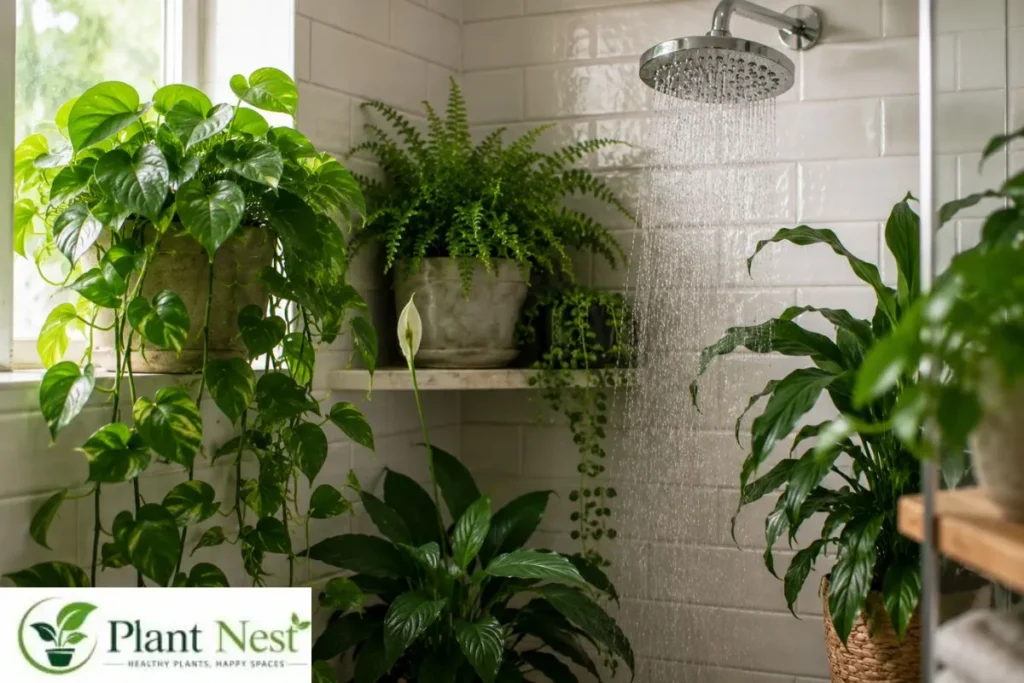
Plants Instantly Transform Bathroom Décor
Shower plants don’t just benefit from the environment they also enhance it.
Adding a few carefully chosen plants softens the hard lines of tiles, mirrors, glass, and sanitaryware while introducing colour, texture, and natural beauty. Whether you display a graceful fern beside the shower, allow pothos to trail from a shelf, or place an elegant orchid on a windowsill, greenery instantly creates a more welcoming and stylish space.
Spa-inspired bathrooms have become one of the biggest interior design trends in recent years, and plants are at the heart of that look. Even a compact shower room can feel brighter, fresher, and more luxurious with the right combination of foliage.
If space is limited, hanging plants are an excellent solution. Trailing varieties such as pothos and heartleaf philodendron make full use of vertical space, creating a beautiful cascading display without taking up valuable shelves or floor space.
Why Choosing the Right Plant Matters
While bathrooms provide excellent growing conditions for many houseplants, not every species will thrive there. Some plants love constant warmth and humidity, while others prefer drier air, brighter sunlight, or periods where the compost dries out completely.
Choosing the right plant for your bathroom is just as important as choosing the right location. Consider how much natural light the room receives, how humid it becomes after a shower, whether there’s adequate ventilation, and how much space you have available. Matching your plant to these conditions will give it the best chance of thriving.
In the next section, we’ll explore the key factors to consider before choosing from the 21 Best Plants for the Shower That Thrive in Humidity, including light levels, humidity, ventilation, and the simple mistakes that can prevent even the healthiest plants from reaching their full potential.
Things to Consider Before Choosing Shower Plants
It’s easy to assume that any plant will thrive in a bathroom simply because the air is more humid. While humidity is certainly a major advantage, it’s only part of the equation. The 21 Best Plants for the Shower That Thrive in Humidity also need the right balance of light, warmth, ventilation, space, and regular care. Without these essentials, even the healthiest tropical plants can struggle.
Before filling your bathroom with greenery, take a moment to assess the environment. Every bathroom is different. Some enjoy plenty of natural light and excellent airflow, while others are smaller, darker, or remain damp for long periods. Choosing plants that suit your bathroom’s unique conditions will give you healthier plants, fewer maintenance issues, and a space that feels fresh, vibrant, and inviting.
Here are the key factors to consider before selecting shower plants for your home.
Check How Much Natural Light Your Bathroom Receives
Humidity may help tropical plants flourish, but it can never replace natural light. Every plant relies on light for photosynthesis, making it the first thing you should consider before bringing any greenery into your bathroom.
If your bathroom has a large east- or north-facing window that provides bright, indirect light, you’ll have plenty of options. Tropical favourites such as pothos, peace lilies, philodendrons, calatheas, orchids, and bird’s nest ferns thrive in these conditions because they’re accustomed to filtered sunlight beneath rainforest canopies.
Bathrooms with smaller or frosted windows can also support a surprising variety of plants. Spider plants, Chinese evergreens, and heartleaf philodendrons adapt particularly well to medium or lower light while still enjoying the added humidity.
No-window bathrooms present more of a challenge, but they’re not impossible. Hardy plants such as ZZ plants and snake plants tolerate low-light conditions better than most. However, even these resilient varieties won’t survive indefinitely in complete darkness. If your bathroom lacks natural light, using an LED grow light or rotating plants to a brighter room every few weeks will help keep them healthy.
Matching your plants to the available light is one of the simplest ways to ensure long-term success.
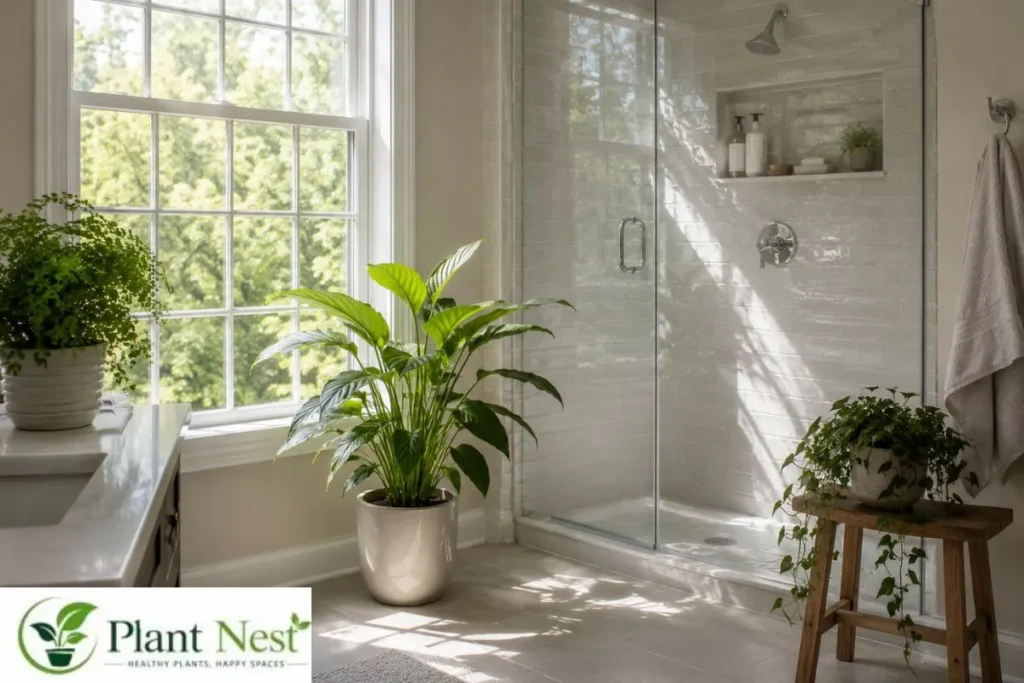
Understand Your Bathroom’s Humidity Levels
Not every bathroom offers the same level of humidity. A busy family bathroom that’s used several times a day will remain warm and steamy for much longer than a guest bathroom that’s only used occasionally.
Understanding how humid your bathroom becomes makes it much easier to choose suitable plants.
If your shower regularly fills the room with steam, you’re creating the perfect environment for humidity-loving species. Boston ferns, maidenhair ferns, calatheas, prayer plants, orchids, and air plants all thrive in consistently humid air, often rewarding you with lush foliage and healthier growth.
If your bathroom is only moderately humid, you still have plenty of excellent choices. Pothos, spider plants, philodendrons, peace lilies, and Chinese evergreens are highly adaptable and grow happily in average household conditions while appreciating the occasional burst of steam after a hot shower.
Rather than trying to force a plant to adapt, choose one that naturally suits the humidity your bathroom already provides.
Consider the Size and Layout of Your Bathroom
The size of your bathroom plays an important role in deciding which plants will work best.
Spacious bathrooms with walk-in showers can comfortably accommodate larger statement plants such as monstera adansonii, peace lilies, bird’s nest ferns, or mature philodendrons. These bold plants create an instant tropical feel and can transform an ordinary bathroom into a relaxing, spa-like retreat.
Smaller bathrooms benefit from a more thoughtful approach. Compact plants such as fittonias, air plants, lucky bamboo, and smaller spider plants add greenery without overwhelming limited space. They’re perfect for shelves, windowsills, vanity units, or narrow ledges.
If surface space is limited, think vertically. Hanging baskets and wall-mounted planters allow trailing plants such as pothos, English ivy, Boston fern, and heartleaf philodendron to cascade beautifully without taking up valuable storage space. This not only maximises the room but also creates a striking display of lush foliage.
Choosing plants that suit your bathroom’s layout will help create a space that feels balanced, practical, and effortlessly stylish.
Don’t Overlook Ventilation
Humidity is beneficial, but too much trapped moisture can become a problem.
Bathrooms with poor airflow often stay damp long after you’ve finished showering. Over time, stagnant air can encourage mould, mildew, and fungal issues that affect both your plants and your bathroom.
Fortunately, improving ventilation is simple. Opening a window after showering or switching on an extractor fan allows excess moisture to escape while still maintaining enough humidity for tropical plants to thrive.
Good air circulation also helps leaves dry naturally, discourages pests, and creates healthier growing conditions. The goal isn’t to remove humidity altogether but to maintain the right balance between moisture and fresh air.
Think About the Maintenance Involved
One reason the 21 Best Plants for the Shower That Thrive in Humidity are so popular is that many are remarkably easy to care for. Even so, every houseplant needs a little attention to stay healthy.
Although the humid environment means plants often need watering less frequently, it’s still important to check the compost before reaching for the watering can. One of the most common mistakes is overwatering, particularly in bathrooms where the soil naturally stays moist for longer.
During spring and summer, feeding your plants with a balanced liquid fertiliser every four to six weeks will encourage healthy foliage and steady growth. Regularly removing dead leaves, wiping dust from the foliage, and trimming any leggy stems will also keep your plants looking fresh and attractive.
If you’re just starting your indoor gardening journey, choose reliable, low-maintenance varieties such as pothos, spider plants, peace lilies, or philodendrons. These forgiving tropical plants are easy to grow and make an excellent introduction to bathroom gardening.
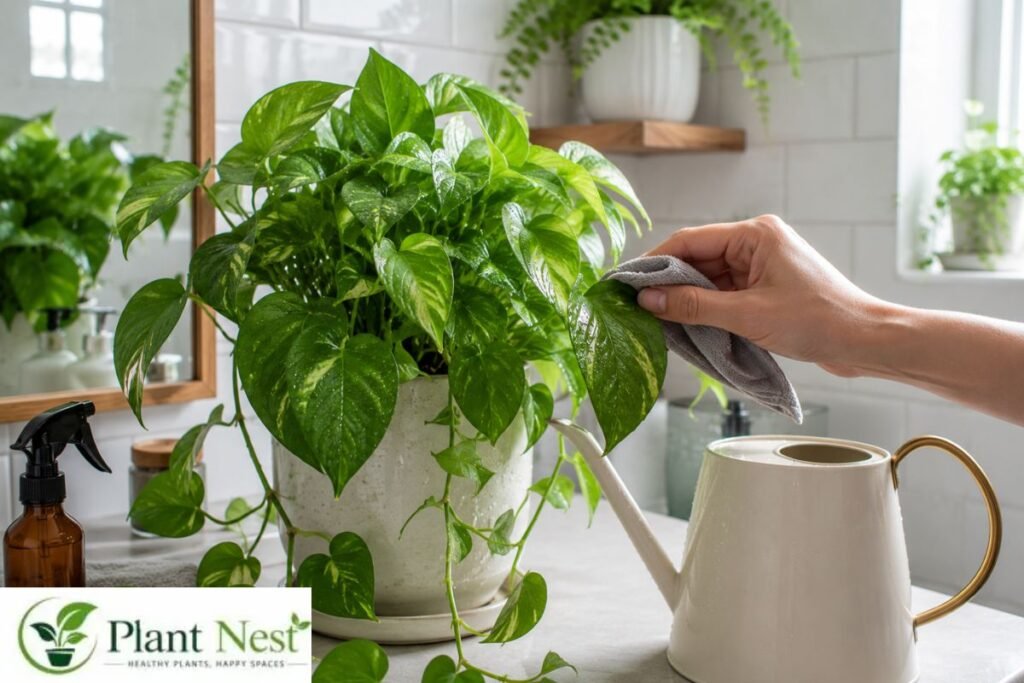
Choosing the Right Plant Makes All the Difference
Creating a lush, green bathroom isn’t about buying the rarest or most expensive plants. Success comes from choosing species that suit your space and providing the conditions they naturally enjoy.
By considering light, humidity, ventilation, available space, and the level of care you’re happy to provide, you’ll have no trouble selecting plants that will thrive for years to come.
Now that you know what to look for, it’s time for the exciting part. In the next section, we’ll explore the 21 Best Plants for the Shower That Thrive in Humidity, highlighting why each one excels in warm, steamy bathrooms and helping you choose the perfect plants for your home.
21 Best Plants for the Shower That Thrive in Humidity
Transform Your Bathroom into a Lush, Spa-Like Retreat
Many people assume that bathrooms are one of the most challenging places to grow houseplants because they often have limited natural light and high humidity. In reality, the opposite is often true. With the right species, your shower can become one of the healthiest environments for indoor plants.
The 21 Best Plants for the Shower That Thrive in Humidity are naturally adapted to warm, moisture-rich climates where filtered light and consistently humid air are part of everyday life. These conditions closely resemble those found in many bathrooms, making them an ideal home for a wide variety of tropical plants.
Adding greenery to your shower does far more than enhance your décor. A few carefully chosen plants can completely change the atmosphere of your bathroom, turning an ordinary space into a calm, refreshing retreat. Whether you’re hoping to brighten a compact shower room, soften the appearance of tiled walls, or create a luxurious tropical sanctuary, the right plants add colour, texture, and life while making the room feel warmer and more inviting.
Why Some Plants Thrive in Bathrooms
Not all houseplants enjoy the same growing conditions. While tropical species flourish in warm, humid environments, plants native to dry climates often struggle with constant moisture. That’s why choosing the right variety is essential if you want healthy, long-lasting plants.
The 21 Best Plants for the Shower That Thrive in Humidity have been selected because they naturally appreciate higher humidity, tolerate indirect light, and adapt well to indoor environments. When a plant’s natural habitat closely matches your bathroom conditions, it experiences less stress, develops healthier foliage, and generally requires less maintenance.
Every bathroom is different, however. Some benefit from large windows and plenty of natural daylight, while others rely on frosted glass or artificial lighting. Humidity levels also vary depending on how frequently the shower is used and how well the room is ventilated. Understanding these factors will help you choose plants that are perfectly suited to your space, whether you’re looking for lush tropical foliage, low-light bathroom plants, or varieties that cope well with consistently steamy conditions.
Choosing the Right Plant for Your Bathroom
The best shower plant isn’t always the most eye-catching one. It’s the plant that suits your bathroom’s environment and your lifestyle.
Before making your choice, think about the amount of available light, the space you have, and how much time you’re willing to spend on plant care. A compact bathroom may benefit from trailing or hanging plants that maximise vertical space without cluttering shelves or floors. Larger bathrooms, on the other hand, can easily accommodate striking tropical specimens that become beautiful focal points.
If you’re new to indoor gardening, reliable favourites such as pothos, spider plants, peace lilies, and philodendrons are excellent places to start. They’re forgiving, adaptable, and require very little maintenance while still thriving in humid conditions.
More experienced plant enthusiasts may prefer species such as calatheas, ferns, orchids, or air plants. Although these varieties often need a little more attention, they reward the extra care with spectacular foliage, elegant flowers, and impressive visual appeal.
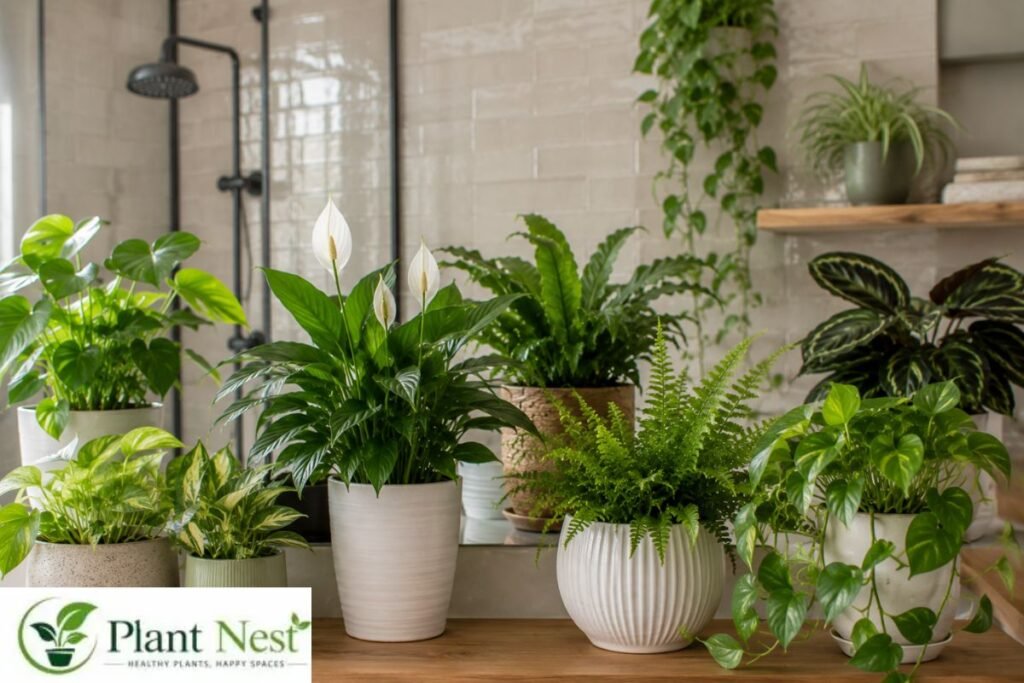
Our Top Picks
To help you choose with confidence, we’ve carefully selected the 21 Best Plants for the Shower That Thrive in Humidity based on their humidity tolerance, ease of care, decorative appeal, growth habit, and suitability for indoor bathrooms.
Every plant featured in this guide has earned its place because it performs exceptionally well in warm, humid conditions while bringing something unique to your home. Some are loved for their dramatic tropical leaves, others for their colourful flowers, cascading vines, compact size, or remarkably low-maintenance nature.
In the following sections, we’ll introduce each plant in detail, explaining why it thrives in a shower environment, how to care for it, its preferred light and humidity levels, along with its key advantages, potential drawbacks, and who it’s best suited for. By the end of this guide, you’ll have everything you need to choose the perfect shower plants and create a beautiful, relaxing bathroom that feels like your own private spa.
Plants You Shouldn’t Keep in the Shower
Many people believe that every houseplant will enjoy the warm, steamy conditions of a bathroom. In reality, that’s one of the biggest mistakes beginners make. While the best plants for the shower love humidity, not all plants are adapted to these conditions. Some species naturally grow in dry, sunny climates where excess moisture can do more harm than good.
If you’re planning to create a lush bathroom filled with greenery, it’s just as important to know which plants to avoid as it is to know which ones to buy. Choosing the wrong plant can lead to yellow leaves, root rot, fungal problems, and slow growth, no matter how well you care for it.
Below are five popular houseplants that generally don’t perform well in shower environments.
Not Every Houseplant Enjoys a Humid Bathroom
After exploring the 21 Best Plants for the Shower That Thrive in Humidity, it’s easy to see why bathrooms can be an excellent home for many tropical houseplants. However, one common misconception is that every indoor plant will benefit from a warm, steamy environment. In reality, that’s far from the case.
Only plants that naturally grow in humid climates are likely to thrive in a shower. Tropical species have evolved to enjoy warm temperatures, high humidity, and filtered light, making them perfectly suited to bathroom conditions.
By contrast, many popular houseplants originate from deserts, rocky landscapes, or Mediterranean regions where the air is dry and rainfall is infrequent. These plants have completely different needs and often struggle when exposed to constant moisture.
While humidity is beneficial for the right plants, it can quickly become harmful to those that prefer dry conditions. Many drought-tolerant species store water in their leaves, stems, or roots, allowing them to survive long periods without rain. When they’re kept in a humid bathroom, the compost often stays wet for too long, reducing airflow around the roots and creating the perfect conditions for root rot, fungal diseases, mould, soft stems, yellowing leaves, and poor overall growth.
A plant may appear healthy for a few weeks, but prolonged exposure to unsuitable conditions will usually take its toll.
Why Choosing the Wrong Plant Leads to Problems
One of the most common mistakes new plant owners make is choosing plants based solely on their appearance rather than their growing requirements.
A cactus or succulent might look stylish on a bathroom shelf, but its natural habitat couldn’t be more different from the conditions inside a shower. These plants have adapted to bright sunshine, free-draining soil, and low humidity. Without plenty of light and good air circulation, they often become weak, elongated, and more susceptible to disease.
Bathrooms also tend to receive less natural light than other areas of the home. While many tropical plants cope well with bright, indirect light, desert plants usually need several hours of direct sunlight every day to remain healthy. Without it, they gradually lose their compact shape and vibrant appearance.
That’s why choosing the right plant is about much more than humidity. Light levels, ventilation, temperature, and the plant’s natural habitat all play an equally important role.
Understanding the Difference Between Tropical and Desert Plants
The easiest way to decide whether a plant belongs in your shower is to consider where it naturally grows.
Tropical plants originate from rainforests, where warm temperatures, regular rainfall, and consistently high humidity are part of everyday life. Over thousands of years, they’ve adapted to absorb moisture from the air, making them perfectly suited to bathrooms and other humid indoor spaces.
This is why many of the 21 Best Plants for the Shower That Thrive in Humidity include favourites such as pothos, philodendrons, peace lilies, Boston ferns, calatheas, orchids, spider plants, and other rainforest species.
Desert plants, on the other hand, have evolved to survive in dry climates where water is scarce. Instead of relying on humid air, they conserve moisture inside thick leaves or fleshy stems and prefer plenty of sunshine, excellent drainage, and dry conditions. Although they’re wonderful houseplants for bright windowsills and sunny rooms, they’re rarely a good choice for a steamy bathroom.
Understanding this difference makes it much easier to select plants that will remain healthy for years rather than simply surviving for a few months.
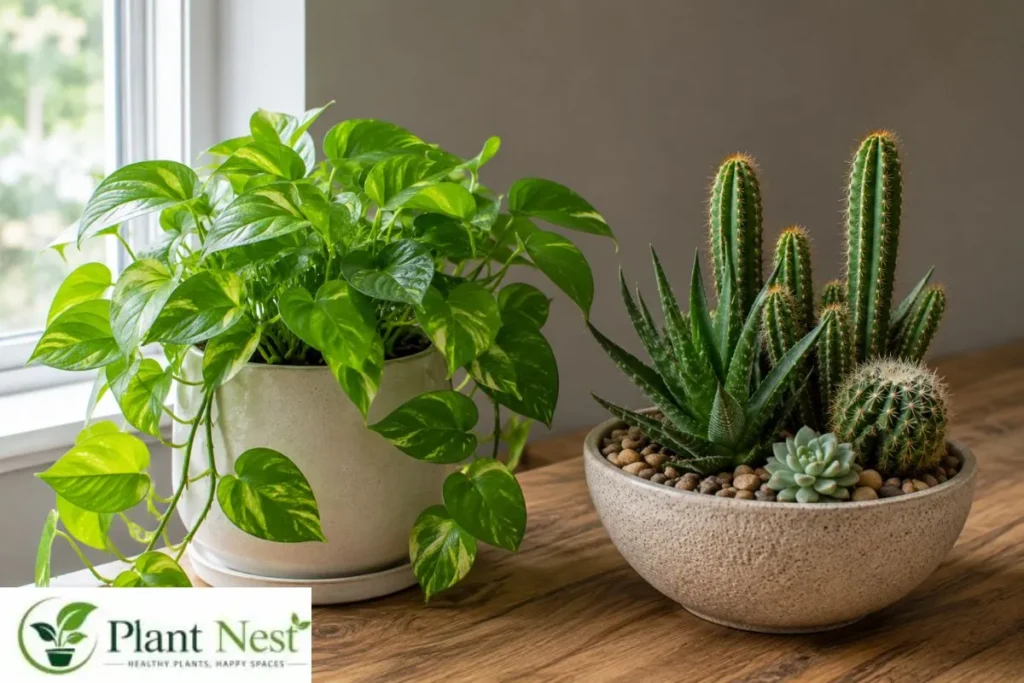
Create a Healthier Bathroom Garden by Choosing the Right Plants
A beautiful bathroom filled with lush greenery isn’t created by filling every available space with plants. It’s created by selecting species that naturally thrive in the conditions your bathroom provides.
Knowing which plants belong in a humid shower is only part of the equation. Understanding which ones should be kept away from constant moisture is just as important if you want to avoid unnecessary problems and enjoy healthy, long-lasting houseplants.
In the following sections, we’ll look at several popular houseplants that are not suitable for shower environments.
You’ll discover why they struggle in humid bathrooms, the growing conditions they actually prefer, and the best places to display them instead. By understanding these differences, you’ll be able to choose the 21 Best Plants for the Shower That Thrive in Humidity with confidence and create a beautiful, low-maintenance bathroom garden that flourishes all year round.
Frequently Asked Questions (FAQs)
What Are the Best Plants for the Shower?
The 21 Best Plants for the Shower That Thrive in Humidity are tropical houseplants that naturally enjoy warm, moisture-rich environments. Some of the most popular choices include pothos, Boston fern, peace lily, spider plant, philodendron, calathea, bird’s nest fern, orchids, air plants, and Chinese evergreen. These species thrive in the humid conditions created by regular showers and are generally easy to care for when given the right amount of light.
Can You Keep Plants in the Shower?
Yes, you can. Many houseplants actually grow exceptionally well in a shower, provided you choose humidity-loving species and your bathroom receives enough natural or artificial light. The warm, steamy conditions found in most bathrooms closely resemble the tropical habitats where many of these plants originate. Just remember that humidity alone isn’t enough plants also need adequate light, occasional watering, and routine care to stay healthy.
Which Plants Grow Best in a Shower?
Plants that naturally grow in tropical forests are usually the best choice for shower environments. Popular options include pothos, peace lilies, Boston ferns, heartleaf philodendrons, spider plants, prayer plants, calatheas, bird’s nest ferns, orchids, and air plants. Thanks to the consistently humid conditions, these plants often develop healthier foliage and more vigorous growth than they would in drier areas of the home.
What Are the Best Hanging Plants for the Shower?
If you’re short on space, hanging plants are an excellent way to add greenery without cluttering shelves or worktops. Some of the best options include pothos, heartleaf philodendron, Boston fern, English ivy, spider plant, string of hearts, and air plants. Their trailing foliage creates a beautiful cascading display while making the most of vertical space.
Which Plants Thrive in a Steamy Shower?
Bathrooms that become warm and steamy after every shower are perfect for many tropical plants. Boston ferns, calatheas, prayer plants, orchids, bird’s nest ferns, peace lilies, and air plants all thrive in these conditions. The extra humidity helps keep their leaves lush, vibrant, and healthy while reducing the risk of dry or crispy foliage.
What Are the Best Plants for a Humid Bathroom?
Some of the best plants for a humid bathroom include pothos, philodendrons, peace lilies, spider plants, Chinese evergreens, Boston ferns, bird’s nest ferns, orchids, calatheas, and Monstera adansonii. These species naturally prefer higher humidity levels and adapt exceptionally well to the warm, sheltered conditions found in most bathrooms.
Can Shower Plants Survive Without Sunlight?
Not indefinitely. Although some shower plants tolerate lower light levels better than others, every plant needs light to carry out photosynthesis. If your bathroom doesn’t have a window, using a quality LED grow light or rotating your plants to a brighter room every couple of weeks will help keep them healthy and prevent weak, leggy growth.
How Often Should I Water Shower Plants?
There’s no single watering schedule that suits every plant. The frequency depends on the species, the humidity in your bathroom, the size of the pot, and the growing medium.
Because shower plants benefit from humid air, they often require less frequent watering than plants kept elsewhere in the home. Always check the top few centimetres of compost before watering. If it still feels damp, wait another day or two. In humid bathrooms, overwatering is usually a bigger problem than underwatering.
Do Bathroom Plants Reduce Humidity?
Houseplants can absorb a small amount of moisture from the surrounding air, but they won’t significantly lower humidity or solve condensation problems. Good ventilation, such as opening a window or using an extractor fan, remains the most effective way to control excess moisture. However, bathroom plants do create a fresher atmosphere, enhance the overall appearance of the room, and help transform it Are Shower Plants Difficult to Maintain?
Not at all. Many of the 21 Best Plants for the Shower That Thrive in Humidity are surprisingly low-maintenance once they’re placed in suitable conditions. They simply need adequate light, occasional watering, regular feeding during the growing season, and the removal of any dead or damaged leaves
. Hardy varieties such as pothos, spider plants, philodendrons, and peace lilies are particularly beginner-friendly because they’re forgiving, adaptable, and thrive in most indoor bathrooms.
Conclusion
After exploring the 21 Best Plants for the Shower That Thrive in Humidity, one thing becomes clear: the right plants can completely transform your bathroom. By choosing tropical species that naturally enjoy warm, humid conditions, you can create a lush, healthy indoor space that’s both beautiful and easy to maintain.
Houseplants such as pothos, Boston ferns, peace lilies, philodendrons, spider plants, calatheas, orchids, and bird’s nest ferns are among the best choices for a shower environment. Their natural ability to thrive in humid conditions means they’re perfectly suited to the warmth and steam found in most bathrooms, rewarding you with vibrant foliage and steady, healthy growth.
Of course, humidity is only part of the equation. For the best results, consider how much natural light your bathroom receives, how well the room is ventilated, and how much space you have available. Matching each plant to your bathroom’s conditions is the key to long-term success and will help your indoor garden flourish for years to come.
If you’re just starting your houseplant journey, begin with reliable, low-maintenance favourites such as pothos, spider plants, peace lilies, or heartleaf philodendrons. These adaptable plants are easy to care for, forgiving of the occasional mistake, and an excellent introduction to bathroom gardening.
The 21 Best Plants for the Shower That Thrive in Humidity prove that even the smallest bathroom can become a relaxing, spa-inspired retreat with the right greenery. Choose plants that suit your space, provide them with the care they need, and you’ll enjoy a healthier, greener, and more inviting bathroom every day.

Plant Nest Blog’s author is passionate about plants, gardening, and sustainable living. Through research and practical experience, they share helpful plant care tips, gardening guides, and easy solutions to help readers grow healthier plants and create greener spaces.