
A lot of people assume that how do plants use nitrogen only to develop green leaves, but its role goes far beyond leaf growth. If you’ve ever wondered how do plants use nitrogen, the answer is that this essential nutrient supports several important processes inside a plant.
It helps plants produce chlorophyll, build proteins, develop new cells, and maintain healthy growth. Without enough nitrogen, plants may struggle to grow properly, even when they receive enough sunlight and water.
Nitrogen also plays an important role in maintaining healthy soil and supporting strong plant development. Plants mainly absorb usable nitrogen through their roots in the form of nitrate and ammonium.
However, the amount they need depends on their type, age, and growing conditions. Understanding how plants use nitrogen can help you recognize nutrient problems, choose suitable fertilizers, and provide better care for your garden.
What Is Nitrogen and Why Is It Important for Plants?
What Exactly Is Nitrogen?
Nitrogen is a naturally occurring chemical element that plants need to survive and grow. It is one of the three primary macronutrients, along with phosphorus and potassium, commonly found in plant fertilizers.
You may have noticed the letters N, P, and K on fertilizer packaging. The letter N represents nitrogen, which plays a major role in plant nutrition.
Although nitrogen makes up a large part of Earth’s atmosphere, most plants cannot use atmospheric nitrogen gas directly. They depend on nitrogen compounds available in the soil to meet their nutritional needs.
Why Is Nitrogen Essential for Plant Growth?
Nitrogen is essential because it helps plants build and maintain important structures inside their cells. It is a key component of amino acids, which plants use to produce proteins.
It also contributes to DNA, RNA, enzymes, and chlorophyll. These compounds help plants grow, develop new tissues, and carry out their everyday biological activities. When the soil contains enough available nitrogen, plants can maintain healthy foliage and support steady development.
Nitrogen’s Role in Plant Nutrition and Development
Plants need nitrogen throughout their life cycle, from the early seedling stage to maturity. It supports the development of new cells and helps plants produce the compounds needed for healthy tissues.
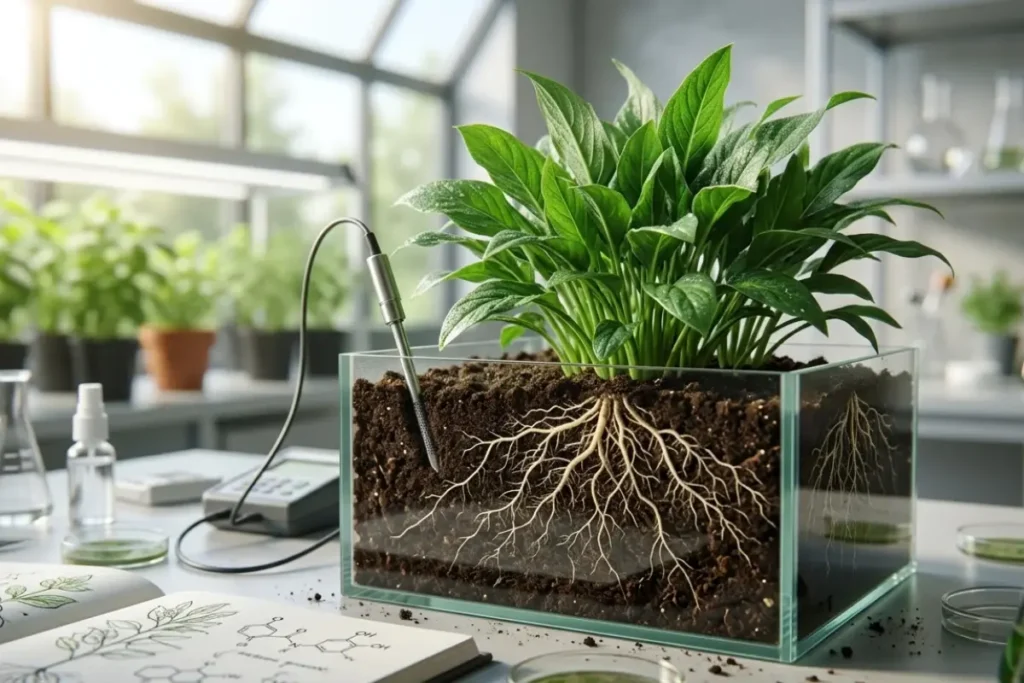
A suitable nitrogen supply also supports leaf and stem development, while helping plants maintain their normal metabolic activities. However, different plants have different nitrogen requirements. Providing the right amount helps maintain balanced plant nutrition and prevents problems caused by nutrient shortages or excessive fertilizer use.
How Does Nitrogen Support Overall Plant Health?
Healthy plant growth depends on more than sunlight and water. Plants also need essential nutrients to perform their natural functions, and nitrogen is one of the most important.
It helps maintain chlorophyll levels, supports protein production, and contributes to the development of healthy plant tissues. When nitrogen is available in suitable amounts, plants can grow more consistently and maintain their normal functions.
This is why checking soil nitrogen availability and maintaining balanced soil fertility are important parts of successful gardening.
How Do Plants Use Nitrogen? (7 Essential Functions)
Many gardeners believe that nitrogen simply makes plants grow faster, but its benefits go much deeper than that. Nitrogen supports several essential processes that keep plants alive and healthy.
It helps plants produce chlorophyll, supports photosynthesis, and allows them to build proteins and other important compounds. Understanding how plants use nitrogen makes it easier to see why this nutrient is so important for healthy development. Let’s look at seven essential functions nitrogen performs inside plants.
Nitrogen Helps Plants Produce Chlorophyll
Have you ever wondered why healthy plant leaves usually have a rich green color? Chlorophyll is responsible for that color, and nitrogen plays an important role in its production.
Chlorophyll is the green pigment found in plant cells that allows plants to capture sunlight. Without enough nitrogen, plants may struggle to maintain normal chlorophyll levels, which can cause their leaves to turn pale green or yellow.
Nitrogen is an important component of the chlorophyll molecule. When plants absorb enough nitrogen, they can maintain healthy green foliage and support the natural processes needed for growth.
This is why nitrogen deficiency often appears first as yellowing in older leaves. The plant moves available nitrogen from older tissues toward younger growth, making the older leaves lose their green color.
A healthy nitrogen supply helps plants maintain their leaf color and supports their ability to capture sunlight. However, adding extra nitrogen does not always make leaves healthier. Plants need a balanced amount to maintain normal growth and development.
Nitrogen Supports Photosynthesis
Photosynthesis is the process plants use to turn sunlight, water, and carbon dioxide into sugars. These sugars provide the energy and building materials plants need to grow. Nitrogen supports this process by helping plants produce chlorophyll, enzymes, and proteins involved in photosynthesis.
Several proteins inside plant leaves help capture sunlight and process carbon dioxide. One important example is RuBisCO, an enzyme that helps plants fix carbon dioxide during photosynthesis.
Nitrogen is necessary for producing this enzyme. When plants receive enough nitrogen, they can maintain the proteins and photosynthetic machinery needed to carry out this process.

This explains the close relationship between nitrogen and photosynthesis. A shortage of nitrogen can reduce chlorophyll and photosynthetic proteins, making it harder for plants to produce sugars efficiently. As a result, their growth may slow down, and their leaves may become pale or yellow.
Nitrogen Helps Plants Make Proteins
Plants need proteins to build new tissues, maintain cells, and carry out important biological activities. Nitrogen is essential for protein production because it is a major part of amino acids, which are the basic building blocks of proteins.
After absorbing nitrogen from the soil, plants convert it into forms they can use to produce amino acids. These amino acids then combine in different ways to create proteins. Plants use these proteins for many purposes, including cell development, enzyme production, nutrient processing, and tissue repair.
Protein synthesis is especially important when plants are actively growing. Young leaves, developing stems, and new roots all need proteins to form healthy tissues. Without enough nitrogen, plants cannot maintain normal amino acid production, which may affect their overall development.
This is one of the main reasons nitrogen is considered an essential nutrient for plant growth. It does not simply support visible growth; it also helps plants build the materials they need to function properly.
Nitrogen Supports Healthy Leaf Growth
Leaves are important because they help plants capture sunlight and produce food. Nitrogen supports healthy leaf development by helping plants produce the proteins, chlorophyll, and other compounds needed for new growth.
When nitrogen is available in suitable amounts, plants can develop healthy foliage and maintain normal leaf growth. This is particularly important for leafy vegetables such as spinach, lettuce, kale, and cabbage. These plants produce leaves that people commonly harvest and eat, so maintaining healthy foliage is an important part of growing a productive crop.
Nitrogen also supports the development of new leaves during the growing season. When plants do not receive enough nitrogen, their leaves may remain small, lose their green color, or develop more slowly than usual.
However, more nitrogen does not always mean better leaf growth. Excessive nitrogen can encourage too much foliage, sometimes at the expense of flowers and fruits. The goal is to provide enough nitrogen for healthy leaf development without disturbing the plant’s natural growth balance.
Nitrogen Helps Plants Develop Strong Stems and Roots
Although nitrogen is often associated with green leaves, it also contributes to the development of stems and roots. Plants need nitrogen to produce amino acids, proteins, and other compounds involved in cell growth. These materials help new plant tissues develop and maintain their normal structure.
Healthy stems support leaves, flowers, and fruits while helping plants maintain their shape. Nitrogen contributes to stem development by supporting the formation of new cells and tissues. It also helps plants maintain the metabolic activities required for continued growth.
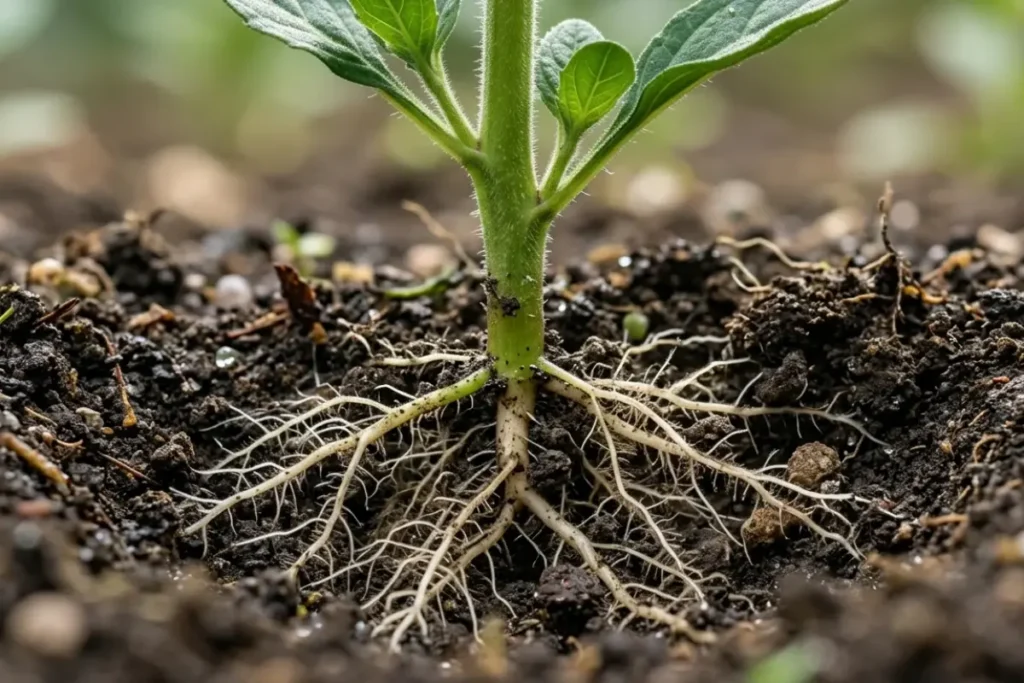
Roots need nitrogen too. They use nitrogen-containing compounds to produce proteins and enzymes that support root growth and normal cellular functions. A healthy root system helps plants absorb water and essential minerals from the soil.
However, nitrogen is not the only nutrient responsible for strong roots and stems. Phosphorus, potassium, calcium, and other nutrients also play important roles. Plants need a balanced supply of these nutrients to develop properly.
How Do Plants Absorb Nitrogen From Soil?
Many people believe that plant roots absorb nitrogen directly from the soil in just one form, but that’s not true. Plants can take up nitrogen in different forms, mainly nitrate and ammonium.
These nitrogen compounds become available through natural soil processes and the breakdown of organic matter. Once they reach the roots, plants absorb them and transport them to different parts of their bodies.
Understanding how plants absorb nitrogen from soil helps explain why soil quality, moisture, and nutrient availability matter so much for healthy plant development.
How Plants Absorb Nitrate From Soil
Nitrate is one of the main forms of nitrogen that plants absorb from the soil. It is a negatively charged nitrogen compound that dissolves easily in soil water. Plant roots take up nitrate ions through specialized transport proteins located in their root cell membranes.
These proteins help move nitrate from the soil into root cells so plants can use it for their nutritional needs.
After nitrate absorption, plants can transport it to their leaves through the xylem. Some nitrate is used in the roots, while the rest travels to other tissues. I
nside plant cells, nitrate must first be converted into nitrite and then ammonium before the plant can use it to produce amino acids and other nitrogen-containing compounds. This process is known as nitrate assimilation.
Nitrate availability depends on several soil conditions, including moisture, temperature, and microbial activity. Healthy soil with suitable growing conditions helps maintain the nitrogen supply that plants need.
However, nitrate can also move through the soil with excess water, which may cause nitrogen loss through leaching.
How Plants Absorb Ammonium Nitrogen
Ammonium is another important form of nitrogen that plant roots can absorb directly from the soil. Unlike nitrate, ammonium carries a positive electrical charge.
It is commonly produced when soil microorganisms break down organic materials such as dead leaves, plant remains, and compost. This natural process helps recycle nitrogen and makes it available for growing plants.
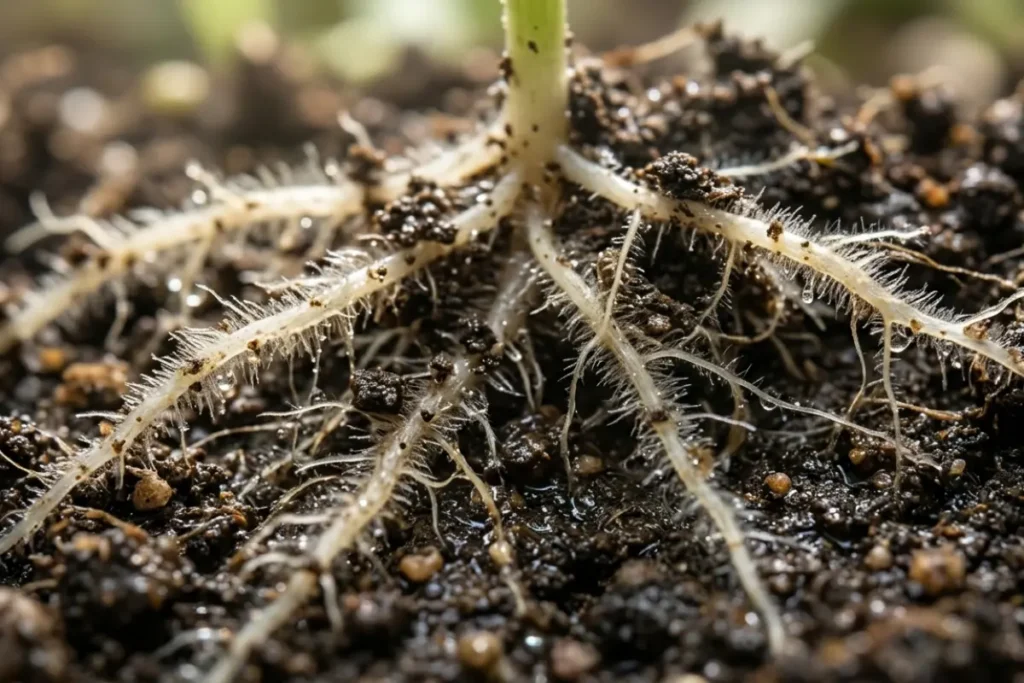
Plant roots absorb ammonium through specialized transport proteins in their cell membranes. Once inside the plant, ammonium can enter the nitrogen assimilation process and help produce amino acids. These amino acids are then used to build proteins and other essential plant compounds.
However, plants need ammonium in suitable amounts. Excessive ammonium can become toxic to some plants and may interfere with the uptake of other nutrients.
It can also affect soil chemistry and root development. This is why balanced soil nitrogen and proper fertilizer application are important for healthy plant growth.
How Plant Roots Transport Nitrogen
Absorbing nitrogen from the soil is only the first step. After entering the roots, nitrogen must travel to different plant tissues where it is needed. Plants use specialized transport systems to distribute nitrogen between their roots, stems, leaves, and developing parts.
The xylem is mainly responsible for moving water and dissolved minerals, including nitrate and ammonium-derived nitrogen compounds, from the roots toward the stems and leaves.
This movement is largely driven by water flow through the plant. It allows nitrogen to reach above-ground tissues that need it for normal development.
The phloem also plays an important role in nitrogen transport. It moves nitrogen-containing compounds, especially amino acids, between different parts of the plant.
For example, plants can transport nitrogen from older leaves to younger leaves or developing seeds when those areas need additional nutrients. This internal movement helps plants use their available nitrogen efficiently.
Together, the xylem and phloem help maintain nitrogen distribution throughout the plant. Their transport systems ensure that different tissues receive the nitrogen compounds required for their growth and daily activities.
Frequently Asked Questions About How Plants Use Nitrogen
How Do Plants Use Nitrogen for Growth?
Plants use nitrogen to support several important processes that help them grow and develop. It helps them produce chlorophyll, amino acids, proteins, and enzymes. Nitrogen also supports the development of new leaves, stems, and roots.
Without enough nitrogen, plants may experience slow growth, pale leaves, and poor overall development. A balanced nitrogen supply helps plants maintain healthy growth throughout their life cycle.
Why Is Nitrogen Important for Plant Growth?
Nitrogen is important because it supports the production of essential compounds inside plant cells. It contributes to chlorophyll, proteins, DNA, and RNA, which plants need for normal development.
It also supports photosynthesis and helps plants produce the materials required to build new tissues. Without sufficient nitrogen, plants cannot maintain their normal growth and biological activities.
How Do Plants Absorb Nitrogen From Soil?
Plants mainly absorb nitrogen through their roots in two forms: nitrate and ammonium. Both forms dissolve in soil water and enter root cells through specialized transport proteins.
After absorption, plants use nitrogen to produce amino acids, proteins, and other essential compounds. Soil moisture, temperature, and microbial activity can influence how much nitrogen becomes available for root absorption.
Can Plants Absorb Nitrogen Directly From the Air?
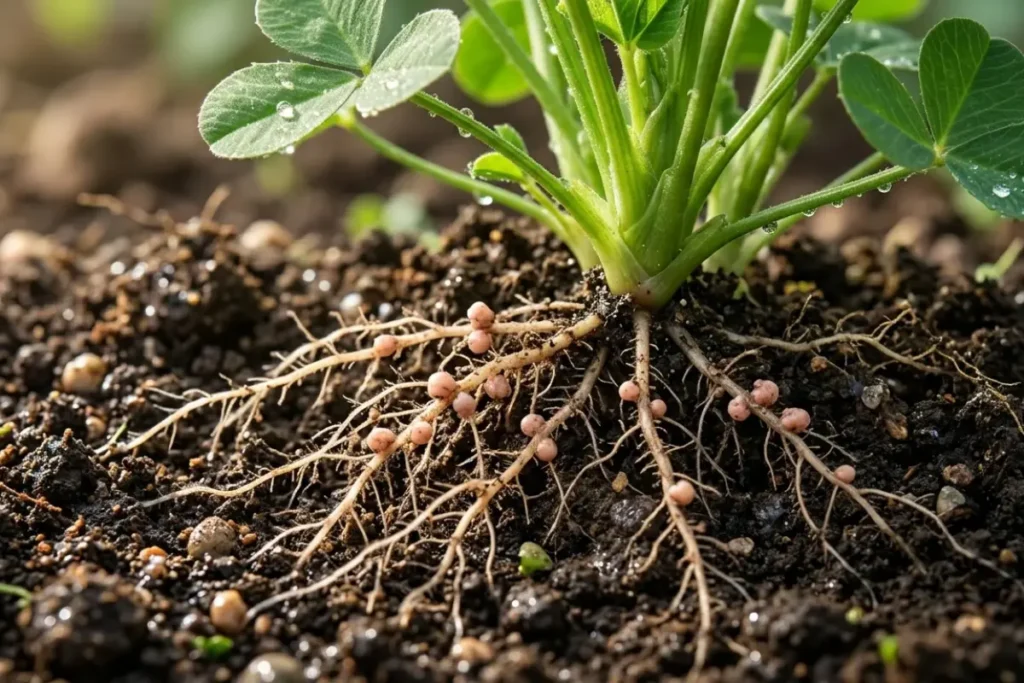
Most plants cannot absorb atmospheric nitrogen gas directly because they lack the enzymes needed to convert it into a usable form. However, certain nitrogen-fixing bacteria can perform this conversion naturally.
Some of these bacteria live in root nodules of legume plants, such as beans, peas, and lentils. They convert atmospheric nitrogen into ammonia, allowing plants to access nitrogen through this beneficial relationship.
How Does Nitrogen Help Plants Make Chlorophyll?
Nitrogen is an essential component of the chlorophyll molecule, which gives plants their green color. Chlorophyll captures sunlight and helps plants carry out photosynthesis.
When nitrogen levels are too low, plants may produce less chlorophyll, causing their leaves to turn pale green or yellow. Maintaining suitable nitrogen levels helps plants develop and maintain healthy green foliage.
How Do Plants Use Nitrogen During Photosynthesis?
Plants use nitrogen to produce chlorophyll, enzymes, and proteins involved in photosynthesis. One important enzyme is RuBisCO, which helps plants capture carbon dioxide during the process of making sugars.
Nitrogen supports the production of this enzyme and other photosynthetic proteins. When plants receive enough nitrogen, they can maintain the biological machinery needed for photosynthesis.
What Happens When Plants Do Not Get Enough Nitrogen?
When plants experience nitrogen deficiency, their growth may slow down, and their older leaves often turn yellow. They may also develop smaller leaves, weaker stems, and less foliage.
This happens because nitrogen is essential for chlorophyll production, protein synthesis, and new tissue development. If the deficiency continues, it can affect flowering, crop development, and overall plant productivity.
How Do Nitrogen-Fixing Plants Get Nitrogen?
Nitrogen-fixing plants, particularly legumes, get additional nitrogen through partnerships with beneficial bacteria. These bacteria live in special root structures called nodules, where they convert atmospheric nitrogen gas into ammonia.
The plants provide sugars to the bacteria, while the bacteria supply fixed nitrogen that supports plant development. Examples include beans, peas, soybeans, lentils, and clover.
How Does Nitrogen Help Plants Produce Proteins?
Nitrogen helps plants produce proteins because it is an essential part of amino acids, the building blocks of proteins. After absorbing nitrate or ammonium, plants process nitrogen into amino acids through nitrogen assimilation.
These amino acids combine to form proteins that support cell growth, enzyme production, tissue development, and many other biological activities.
Can Too Much Nitrogen Damage Plants?
Yes, excessive nitrogen can negatively affect plant health. It may encourage excessive leaf growth, weak stems, and delayed flowering or fruit production.
Too much nitrogen fertilizer can also cause nutrient imbalances and contribute to water pollution when excess nitrate moves into groundwater or nearby waterways. Following fertilizer instructions and checking soil nutrient levels can help prevent these problems.
Which Plants Need the Most Nitrogen?
Leafy vegetables generally need a good supply of nitrogen because they produce large amounts of foliage. Examples include spinach, lettuce, kale, and cabbage.
Other plants, such as corn and some grasses, also have relatively high nitrogen requirements. However, the exact amount depends on the plant variety, soil conditions, and growing stage.
What Is the Difference Between Nitrate and Ammonium Nitrogen?
Nitrate and ammonium are two main forms of nitrogen that plant roots can absorb. Nitrate carries a negative electrical charge, while ammonium carries a positive charge. Plants absorb both forms and use them to produce amino acids and other nitrogen-containing compounds.
Nitrate is generally more mobile in soil water, whereas ammonium can attach to negatively charged soil particles. Both forms contribute to plant nutrition, but their availability depends on soil conditions.
Conclusion:
Nitrogen plays an important role in almost every stage of plant development. From producing chlorophyll and supporting photosynthesis to building amino acids and proteins, plants depend on nitrogen to grow and stay healthy. It also supports the development of green leaves, strong stems, and essential plant tissues.
Understanding how do plants use nitrogen helps gardeners make better decisions about soil health, fertilizers, and plant nutrition. However, plants need the right amount of nitrogen, not an excessive supply.
Too little nitrogen can slow growth and cause yellow leaves, while too much can encourage excessive foliage and reduce flowering or fruit production.
By maintaining balanced soil nutrients, adding organic matter, and using fertilizers responsibly, you can give your plants the nitrogen they need. Healthy soil and proper plant nutrition are the keys to stronger growth and healthier plants.

Plant Nest Blog’s author is passionate about plants, gardening, and sustainable living. Through research and practical experience, they share helpful plant care tips, gardening guides, and easy solutions to help readers grow healthier plants and create greener spaces.