
Some people are of the opinion that need special equipment to preserve fresh basil, but that isn’t true. If you’re wondering how do you dry out fresh basil, you can use simple methods like air drying, oven drying, or microwave drying right in your kitchen.
Each method helps remove moisture from basil leaves so you can enjoy their herbal flavor long after harvesting them from your garden or buying them fresh.
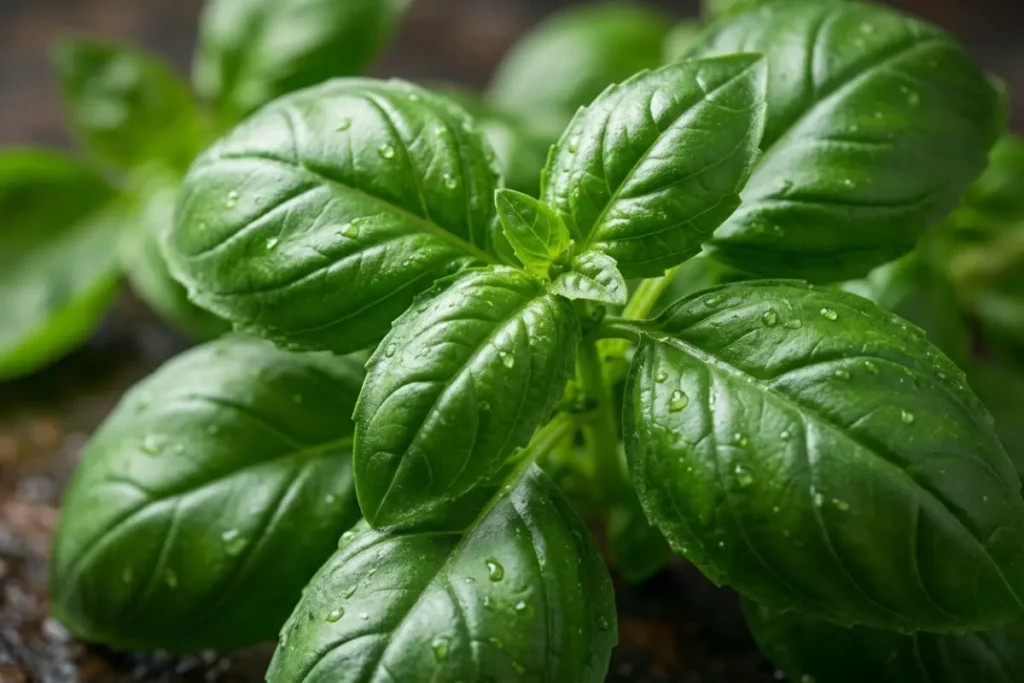
The best method depends on how much time you have and which kitchen tools you prefer. Air drying is a simple, low-cost option, while oven and microwave drying can save time when you need dried basil quickly. With the right approach, you can make homemade dried basil for pasta, soups, sauces, and other favorite recipes without wasting fresh herbs.
What Is the Best Way to Dry Fresh Basil Leaves?
The best way to dry fresh basil leaves depends on your schedule, available equipment, and the humidity in your home. Air drying works well when you have enough time and a dry, well-ventilated space.
Oven drying is useful when you want results sooner, while a food dehydrator offers better temperature control. If you’re short on time, microwave drying is another option for small batches. Each method can help preserve basil, but gentle heat and proper airflow are important for protecting its natural aroma.
Air Drying Fresh Basil Naturally
Air drying is one of the easiest ways to preserve fresh basil without electricity or special equipment. It works best in a dry room with good airflow. You can hang small bunches of basil upside down or spread individual leaves across a clean tray.
This method takes longer than heated methods, but it offers a simple way to make homemade dried herbs while keeping the process affordable.
Drying Fresh Basil Leaves in the Oven
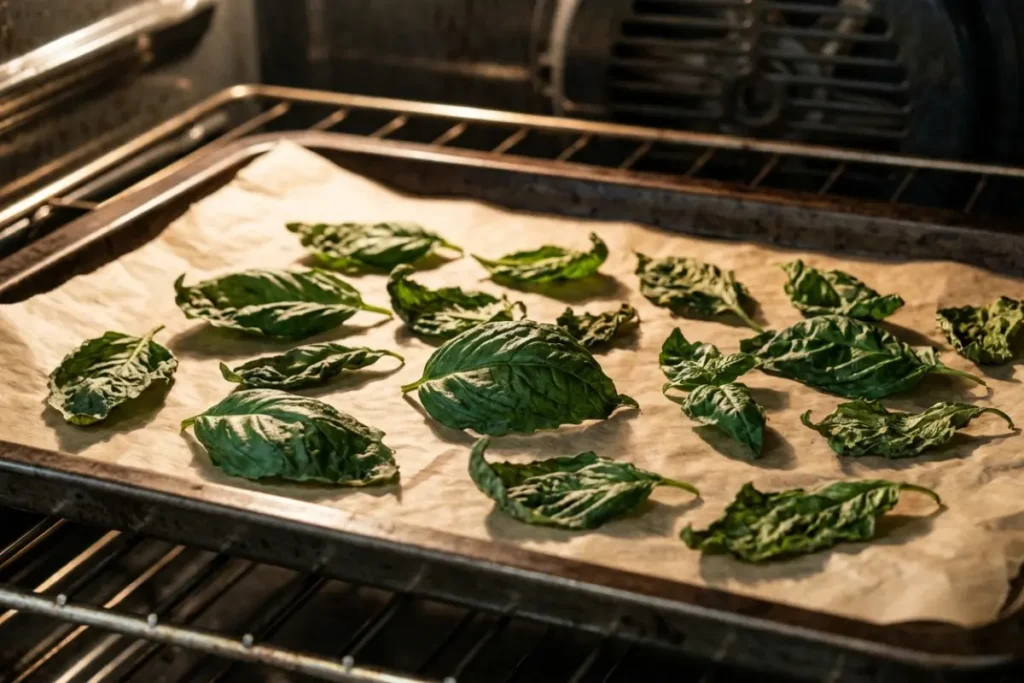
Oven drying is a practical choice when you don’t want to wait several days for basil to dry naturally. The key is to use a low temperature and check the leaves frequently because basil is delicate and can burn easily.
Spread the leaves in a single layer so warm air can reach them evenly. When done carefully, oven drying basil leaves can give you crisp, easy-to-crumble herbs for everyday cooking.
Dehydrating Fresh Basil With a Food Dehydrator
A food dehydrator is useful if you regularly preserve herbs from your garden. It circulates warm air around the basil, helping moisture escape while maintaining a controlled drying environment.
Arrange the leaves in a single layer and follow your appliance’s instructions for herbs. This method is convenient for larger batches and gives you greater control over the drying process than many improvised methods.
Drying Basil in the Microwave for Quick Results
Microwave drying is a good option when you need a small amount of dried basil quickly. Place a small batch of clean, thoroughly blotted leaves between paper towels and heat them in short intervals.
Check the leaves after each interval to prevent scorching. Microwave power varies, so avoid using one long heating cycle. Although this method is fast, it requires close attention to keep the basil from overheating and losing its fresh herbal aroma.
Choosing the Best Method for Your Time and Kitchen Setup
Not sure which method to choose? Use this quick comparison to find the best fit for your needs.
| Drying method | Best for | Main advantage |
| Air drying | People with extra time | Simple and inexpensive |
| Oven drying | Faster home drying | Uses common kitchen equipment |
| Food dehydrator | Regular herb preservation | Controlled heat and airflow |
| Microwave drying | Small batches in a hurry | Very quick results |
If you want the easiest low-cost option, start with air drying in a suitable environment. Choose oven drying or a dehydrator if you prefer a more controlled process, or try the microwave when you only have a few leaves to preserve. Whatever method you choose, the goal is to remove moisture thoroughly without exposing the delicate basil leaves to excessive heat.
How to Harvest and Prepare Fresh Basil for Drying
Many people think drying fresh basil starts as soon as they pick the leaves, but proper preparation is just as important as the drying method itself.
Healthy leaves, careful harvesting, and removing excess moisture help you get better-quality dried basil with a pleasant aroma and flavor. Before you begin, prepare the basil properly so it dries evenly and stays safe to store.
When to Pick Basil for Drying
The best time to harvest basil is in the morning after the dew has completely dried from the leaves. At this point, the plant is usually fresh, and the leaves have a strong herbal aroma. Choose mature, healthy green leaves rather than yellow, damaged, or wilted ones. If possible, harvest basil before
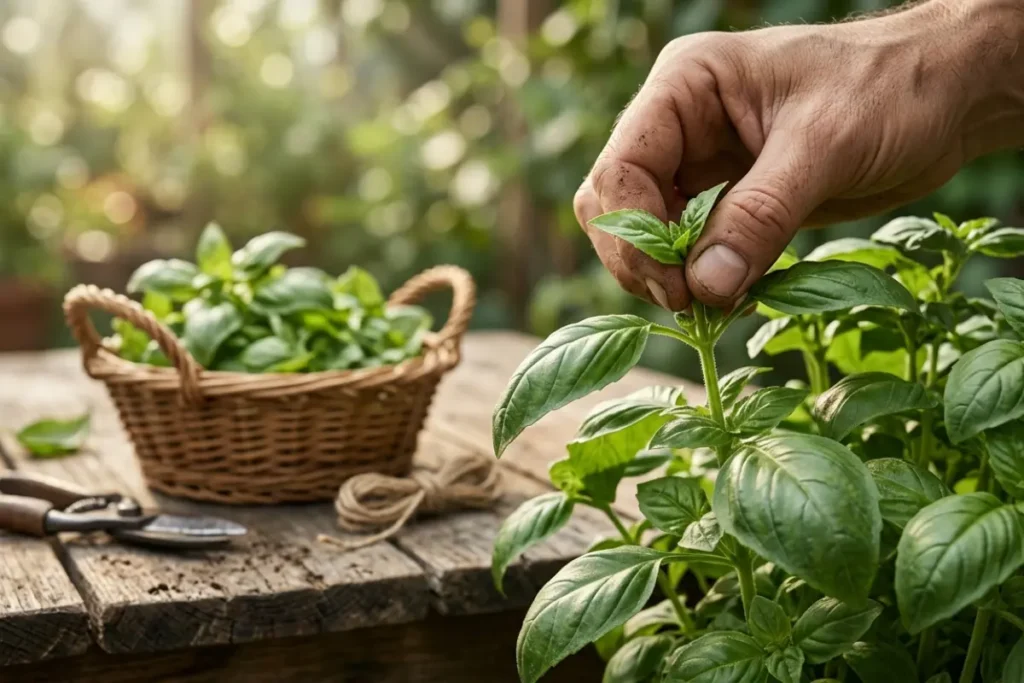
it flowers heavily because the flavor of the leaves can change as the plant matures. Avoid harvesting immediately after rain or watering, as wet leaves take longer to dry and may increase the risk of mold.
How to Harvest Basil From Your Garden Without Damaging the Plant
Use clean, sharp scissors or garden snips to cut basil stems just above a pair of healthy leaves. This encourages the plant to grow new side shoots, giving you more leaves for future harvests. Avoid cutting away all the foliage at once, especially if the plant is young or already struggling.
When collecting basil for drying, select healthy stems with plenty of leaves and handle them gently to prevent bruising. Bruised leaves may darken more quickly and lose some of their fresh aroma during drying.
Choosing Healthy Leaves for Homemade Dried Basil
The quality of your dried basil depends heavily on the condition of the fresh leaves you start with. Look for leaves that are green, fragrant, and free from visible damage.
Remove yellow leaves, blackened areas, heavily bruised foliage, and any leaves showing signs of rot or mold. Small holes or minor cosmetic marks do not always mean a leaf is unusable, but discard leaves that appear diseased or contaminated.
Sorting the leaves before drying helps the batch dry more consistently and prevents spoiled material from affecting the quality of the finished herb.
Washing Basil Before Drying
If your basil has soil, dust, or other visible dirt, rinse it gently under cool, clean running water. Avoid soaking the leaves for a long time because they can hold moisture, which slows down drying.
Handle the leaves carefully, as rough washing can bruise their delicate surfaces. If you grow basil in a clean environment and the leaves are visibly clean, you may not need to wash every harvest. However, whenever you do wash basil, make sure you remove the surface water before choosing your drying method.
How to Remove Excess Moisture From Basil Leaves
Removing excess water is one of the most important preparation steps, especially if you plan to air dry basil. After rinsing, gently shake the stems to release trapped water, then spread the leaves over a clean kitchen towel or paper towels.
Pat them dry without rubbing or pressing too hard. A salad spinner can also help remove water, but use it gently to avoid bruising the leaves.
Pay attention to water trapped near the stems and underneath curled leaves. The basil does not need to be dried completely at this stage, but its surface should be dry before you begin the main drying process.
Should You Remove Basil Stems Before Drying?
Whether you remove the stems depends on the drying method you plan to use. For traditional air drying, you can keep the leaves attached to small stems and hang the bunches upside down.
Make sure the bunches are loose enough for air to move between the leaves. If you plan to dry basil on trays, in an oven, or in a food dehydrator, removing the leaves from thicker stems can help them dry more evenly.
Arrange individual leaves in a single layer and keep similarly sized leaves together when possible. Since stems are thicker than leaves, they may retain moisture after the leaves become crisp, so check them separately before storing anything together.
How to Air Dry Fresh Basil Leaves at Home
Many people assume that you need a dehydrator or another kitchen appliance to preserve fresh basil, but you can air dry it with basic household supplies.
The key is to control moisture and provide enough airflow throughout the process. Air drying is simple and uses no electricity, although it takes longer than most heated methods.
The best results come from using clean basil, keeping the leaves spread out, and choosing a dry indoor location where humidity is low.
How to Dry Fresh Basil Naturally Without Special Equipment
Air drying is a practical option when you have plenty of fresh basil and do not need it dried immediately. Once the leaves are clean and free of surface moisture, choose between hanging small bunches or drying individual leaves on a tray.
Both methods allow moisture to evaporate naturally, but the best choice depends on how much basil you have and how much space is available.
Find a clean location away from direct sunlight, cooking steam, sinks, and other sources of moisture. A room with steady airflow is generally better than a closed cupboard or a crowded shelf.
Avoid placing fresh basil in thick piles because the leaves can trap moisture and dry unevenly. Check the basil daily, and do not rush the process by covering it tightly or putting it in a damp area. If your home is very humid, air drying may be unreliable, so consider using an oven or food dehydrator instead.
How to Hang Basil Upside Down for Drying
Hanging basil upside down is a traditional way to dry herbs, particularly when the leaves are still attached to their stems. Start by gathering a few stems into a small, loose bunch and securing them near the cut ends with string or a rubber band.
Keep the bunches small enough that air can circulate around the leaves. Large, tightly packed bunches are more likely to retain moisture in the center and may develop mold before they dry.
Hang the bunches upside down in a dry, well-ventilated room, away from direct sunlight. You can suspend them from a suitable rack or hook, provided the area is clean and the basil will not be exposed to dust, splashes, or cooking fumes.
Leave enough space between bunches to prevent them from touching. Check the leaves and stems regularly, especially during humid weather. When the leaves become dry and crumbly, remove them from the stems and prepare them for storage. If the stems remain soft or damp, allow more drying time before storing the leaves with them.
Drying Individual Basil Leaves on a Tray
Drying individual leaves on a tray is useful when you have a large harvest or want to monitor the leaves closely. First, gently remove the leaves from the stems and discard any damaged or unsuitable pieces.
Spread the leaves across a clean mesh rack, drying screen, or tray lined with clean paper towels. Keep the leaves in a single layer, with enough space between them for air to circulate.
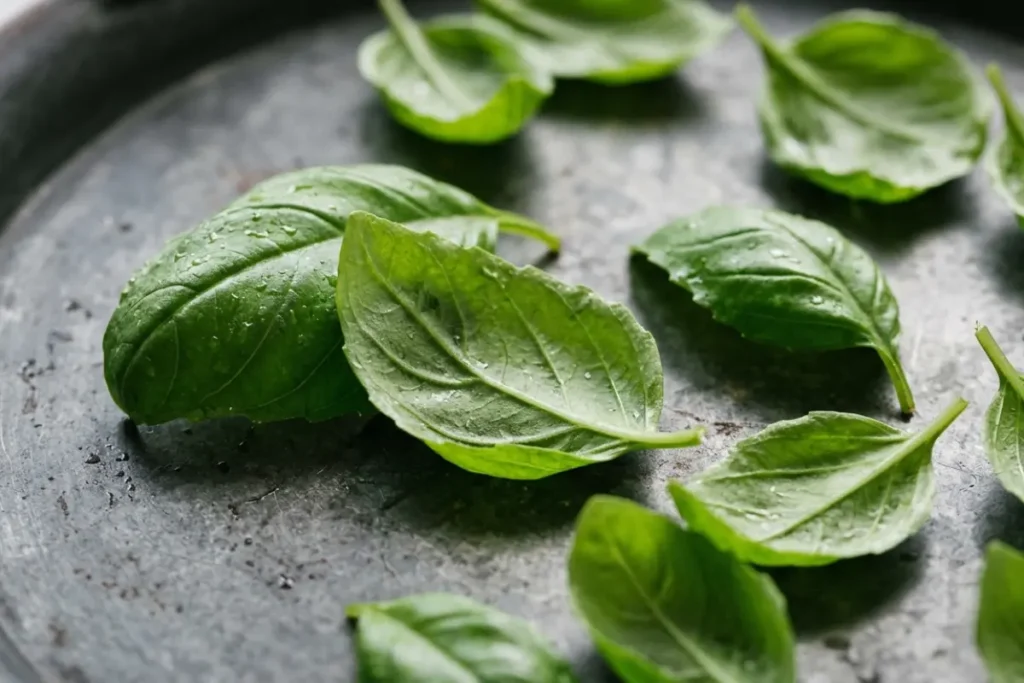
Choose a dry indoor area with good ventilation and keep the tray away from direct sunlight. If you use a solid tray, check the undersides of the leaves and turn them gently when needed so moisture does not remain trapped underneath.
Replace damp paper towels with fresh, dry ones. Avoid moving the leaves too frequently, as unnecessary handling can cause bruising and breakage.
The drying time will depend on the room’s temperature, humidity, airflow, and the size of the leaves. Once the basil feels crisp and crumbles easily, check that no thicker or folded pieces remain damp before packing it away.
The Best Indoor Location for Air Drying Basil
Choosing the right location can make air drying more successful. A clean, dry room with good ventilation is ideal because moving air helps moisture escape from the leaves.
Keep the basil away from dishwashers, kettles, stovetops, bathrooms, and other places where steam or humidity can build up. A sunny windowsill may seem convenient, but direct sunlight can reduce the quality of the herb’s color and aroma.
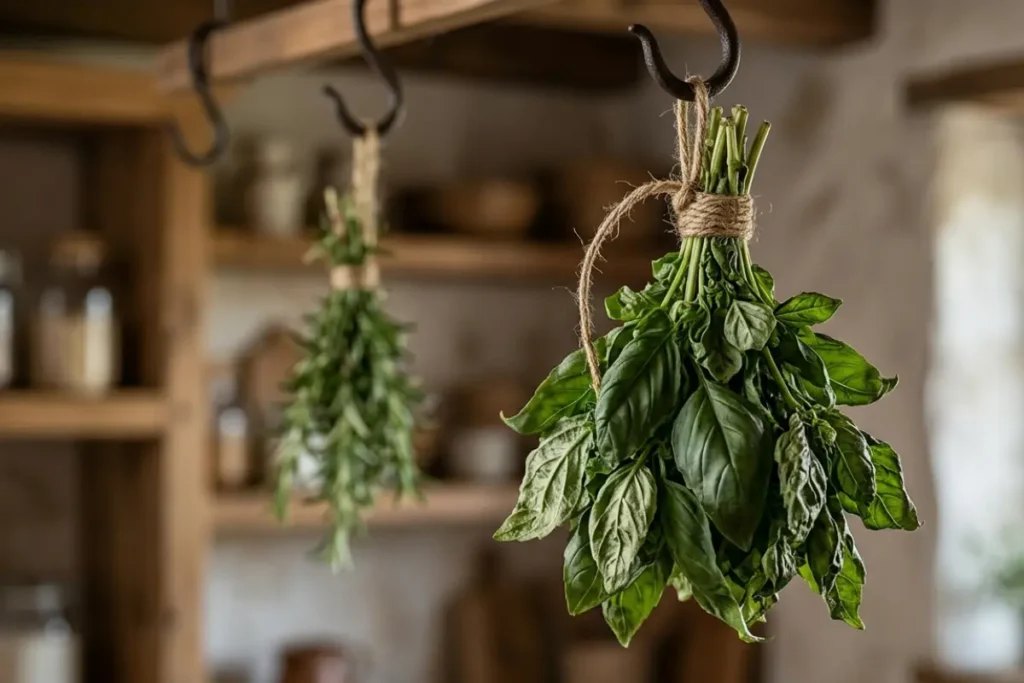
Avoid enclosed cupboards, damp basements, and areas where air barely moves. If the room feels humid or the leaves remain soft after several days, move the basil to a drier location with better airflow.
A small fan can help circulate room air, but it should not blow dust directly onto the leaves. Do not use a fan as a substitute for checking the basil’s condition. If moisture remains high, switching to a controlled drying method may be a better option than leaving the basil out for an extended period.
Can You Dry Fresh Basil Leaves on Paper Towels?
Yes, paper towels can be useful for drying individual basil leaves at home, especially when you do not have a mesh drying rack. Begin by patting the washed leaves dry, then arrange them in a single layer on fresh, clean paper towels.
Leave enough room between the leaves so they do not overlap. Place the towels on a tray in a dry, well-ventilated indoor area.
Check the towels regularly because they can absorb moisture from the leaves and become damp. Replace them when necessary, and gently turn the leaves if the undersides remain moist.
Do not stack several layers of basil on top of one another, as this restricts airflow and can slow drying. Paper towels work best for small batches and as a way to remove excess surface moisture; they do not guarantee that basil will dry quickly in a humid room. Always check the leaves themselves before deciding they are ready for storage.
How to Prevent Mold While Air Drying Basil
Mold prevention is essential when drying basil naturally because the leaves may remain exposed to room air for several days. Start with healthy leaves and remove excess surface water after washing.
Use small hanging bunches or spread individual leaves in a single layer. Keep the basil away from damp rooms and ensure air can circulate around it. Avoid covering the leaves with plastic or placing them in sealed containers while they are still drying, because trapped moisture can encourage spoilage.
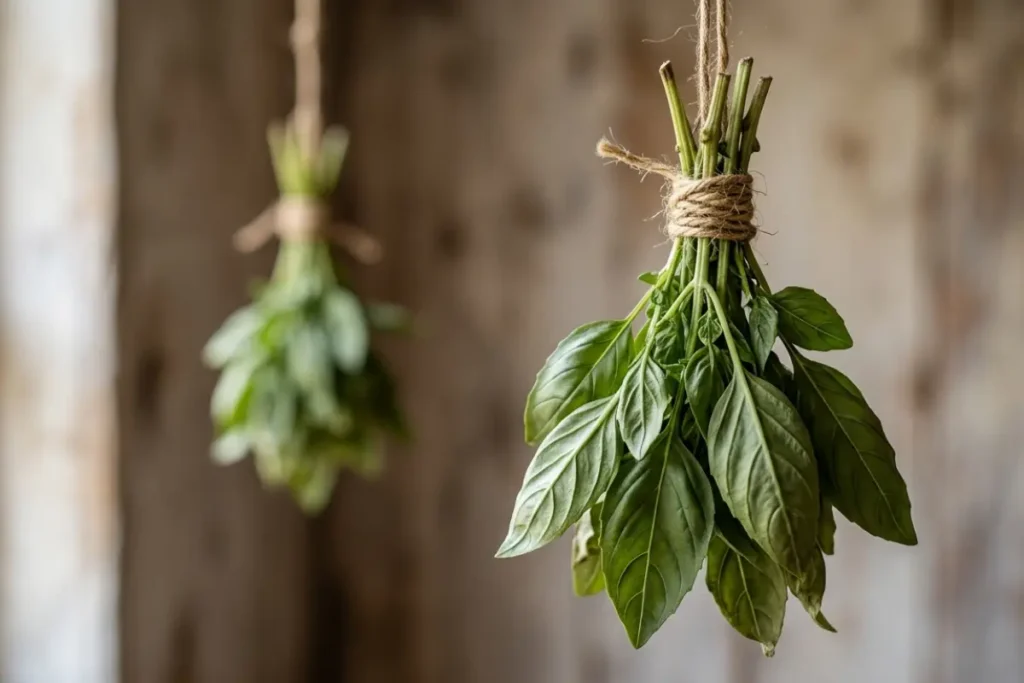
Inspect the basil every day for unusual spots, fuzzy growth, sliminess, or an unpleasant smell. If you notice mold or signs of decay, discard the affected basil rather than trying to save it by drying or heating it. Do not mix questionable leaves with healthy ones.
If the leaves remain soft and damp for too long, improve the airflow or switch to a more controlled method, such as a food dehydrator. Once the leaves are completely dry, transfer them to a clean, dry, airtight container.
If condensation appears inside the container, the basil may not have been dry enough; remove it and reassess its condition rather than assuming it is safe to keep.
Frequently Asked Questions About Drying Fresh Basil
How Do You Dry Out Fresh Basil at Home Easily?
The easiest way to dry fresh basil at home is to spread clean, moisture-free leaves in a single layer in a dry, well-ventilated area. Keep them away from direct sunlight and check them regularly until they become crisp.
If you need dried basil sooner, you can use an oven on a low setting or a microwave in short intervals. Choose the method that suits your time and kitchen setup.
What Is the Best Way to Dry Fresh Basil Leaves?
The best method depends on your needs. Air drying is a simple, low-cost choice when you have enough time and low humidity. Oven drying is useful when you want a quicker result, while a food dehydrator offers better control over temperature and airflow.
Whichever method you choose, avoid excessive heat because it can reduce basil’s natural aroma and affect its color.
Can You Dry Fresh Basil Without a Dehydrator?
Yes, you can dry fresh basil without a dehydrator. Air drying, oven drying, and microwave drying are all practical alternatives. For natural drying, spread the leaves on a clean rack or hang small bunches in a dry space.
If your home is humid, oven drying may be more reliable. Always make sure the leaves are completely dry before storing them.
How Long Does It Take to Dry Fresh Basil Naturally?
Air drying fresh basil may take several days or longer, depending on the temperature, humidity, airflow, and size of the leaves. A dry, well-ventilated room generally helps the process move faster.
Check the leaves regularly instead of relying only on a set number of days. They should feel crisp and crumble easily when fully dried.
Can You Dry Basil Leaves in the Oven?
Yes, oven drying is a convenient way to preserve fresh basil. Arrange clean leaves in a single layer on a baking tray and use a low oven temperature suitable for drying delicate herbs.
Check the leaves frequently because basil can scorch quickly. Remove them when they’re crisp and allow them to cool before storing. Your oven’s lowest setting may still be too hot, so monitor the leaves closely.
How Do You Dry Fresh Basil in the Microwave?
To dry fresh basil in the microwave, place a small batch of clean, thoroughly blotted leaves between paper towels. Heat them in short bursts, checking the leaves after each interval.
Continue carefully until they become crisp, adjusting the timing to suit your microwave’s power. Avoid long heating cycles because the leaves can burn and lose their aroma quickly.
Should You Wash Basil Before Drying It?
Wash basil if it has dirt, dust, or other visible contamination. Rinse the leaves gently under cool, clean running water, then shake off the excess water and pat them dry with a clean towel. Removing surface moisture before drying helps the leaves dry more efficiently. If the basil is already clean, inspect it carefully and avoid unnecessary handling.
What Temperature Is Best for Drying Basil?
A low temperature is best for oven drying basil because its delicate leaves can lose flavor or burn under excessive heat. For a conventional oven, around 95–105°F (35–40°C) is a gentle starting range if your oven can maintain it reliably.
Many household ovens don’t operate accurately at such low temperatures, so check your appliance instructions and monitor the leaves closely. A food dehydrator’s herb setting is another useful option.
How Do You Know When Basil Is Completely Dry?
Completely dried basil leaves should feel crisp rather than soft, damp, or leathery. They should crumble easily when gently rubbed between your fingers. Check thicker stems separately if you dried the leaves attached to them. If any part still feels moist, continue drying under suitable conditions before storing the basil in an airtight container.
How Long Does Homemade Dried Basil Last?
Homemade dried basil can retain good quality for several months when it’s completely dry and stored properly. Keep it in a clean, airtight container in a cool, dark, dry place.
Whole leaves generally retain their aroma better than leaves that have been crushed in advance. Check the smell and appearance before use, and discard the basil if you notice mold, moisture, or an unusual odor.
Can You Dry Basil Stems Along With the Leaves?
Yes, you can dry basil stems along with the leaves, especially when hanging small bunches upside down. However, thicker stems usually take longer to dry than the leaves.
If you’re drying basil on a tray, separating the leaves from the stems often makes the process easier and more even. Before storage, check that all parts you intend to keep are completely dry.
How Do You Keep Dried Basil From Turning Brown?
To help keep dried basil green, start with fresh, healthy leaves and avoid prolonged exposure to direct sunlight or excessive heat. Handle the leaves gently and dry them in a suitable environment with good airflow.
Once completely dry, store them away from light, heat, and moisture. Some color change is natural, but severe browning can indicate that the leaves were overheated or were already deteriorating.
Can You Dry Basil in Humid Weather?
Yes, but air drying becomes more difficult when the humidity is high. Moisture leaves the basil more slowly, increasing the risk of spoilage. Use a well-ventilated indoor area and inspect the leaves frequently.
If they remain damp or show little progress, switch to oven drying or a food dehydrator. Don’t leave wet basil hanging for an extended period in a humid room.
Is It Better to Store Dried Basil Whole or Crushed?
It’s generally better to store dried basil leaves whole and crush them just before cooking. Crushing exposes more of the leaf’s surface to air, which can cause its aroma to fade more quickly over time.
Place the whole dried leaves in an airtight container and crumble only the amount you need for a recipe. This simple habit helps preserve the flavor of your homemade dried basil.
Conclusion:
Now you know how do you dry out fresh basil using simple methods at home. Air drying is a great choice when you have enough time, while oven drying, microwave drying, and using a food dehydrator can help when you need faster results.
The best method depends on your kitchen setup, the amount of basil you have, and the humidity in your home.
For the best results, start with fresh, healthy leaves, remove excess moisture, and make sure the basil is completely dry before storing it. Keep your homemade dried basil in an airtight container away from heat, light, and moisture to help preserve its flavor and aroma.
With a little care, you can enjoy your home-dried basil in pasta, soups, sauces, and many other recipes instead of letting fresh herbs go to waste.

Plant Nest Blog’s author is passionate about plants, gardening, and sustainable living. Through research and practical experience, they share helpful plant care tips, gardening guides, and easy solutions to help readers grow healthier plants and create greener spaces.