
At first, people may believe that growing spicy peppers at home is difficult, but how to grow serrano peppers is easier to understand when you know what these plants need. Serrano peppers are popular chili peppers known for their fresh flavor and noticeable heat.
With suitable growing conditions and regular care, you can grow Serrano pepper plants in a backyard garden, raised bed, or container. Whether you’re a beginner or an experienced gardener, growing your own peppers gives you fresh ingredients right outside your door.
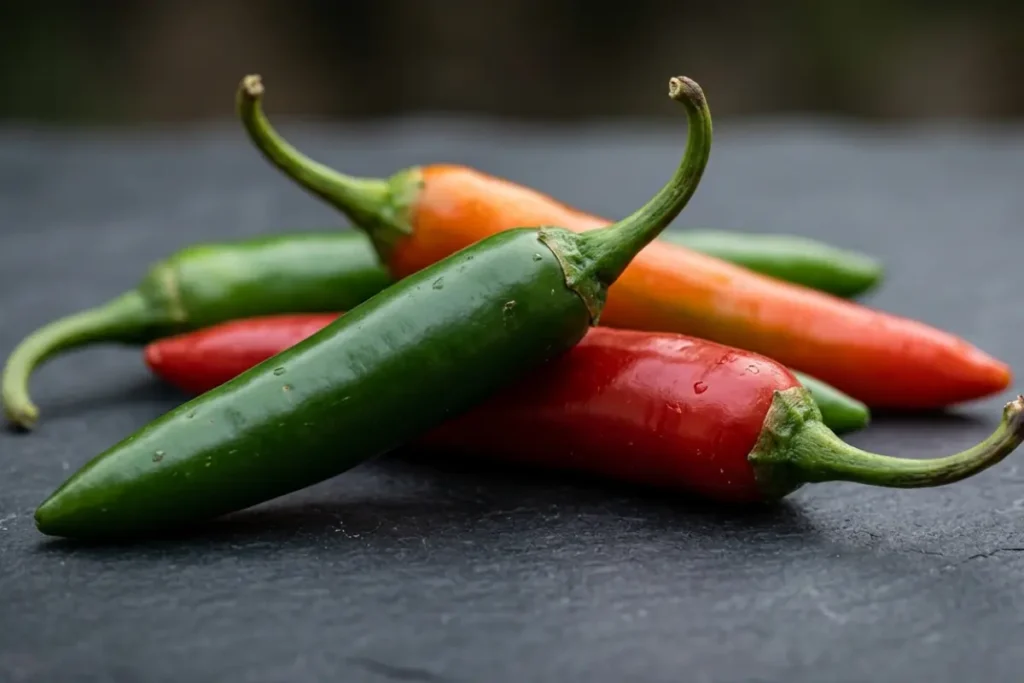
The key is to give your plants enough sunlight, warm temperatures, well-draining soil, and consistent moisture. Starting with quality Serrano pepper seeds and caring for young seedlings properly can help your plants develop strong roots and healthy growth.
In this guide, you’ll learn how to plant Serrano peppers, choose the right growing conditions, avoid common problems, and harvest fresh green or red peppers when they’re ready.
Understanding Serrano Pepper Plants
What Are Serrano Peppers?
Serrano peppers are a type of hot chili pepper that originated in the mountainous regions of Mexico. They belong to the Capsicum annuum species and are widely used in Mexican cooking, including fresh salsa, sauces, and spicy dishes.
Unlike some larger chili varieties, Serrano peppers are usually small, slender, and packed with flavor. Their crisp texture and bright heat make them a favorite for gardeners who enjoy growing their own spicy ingredients.
What Do Serrano Pepper Plants Look Like?
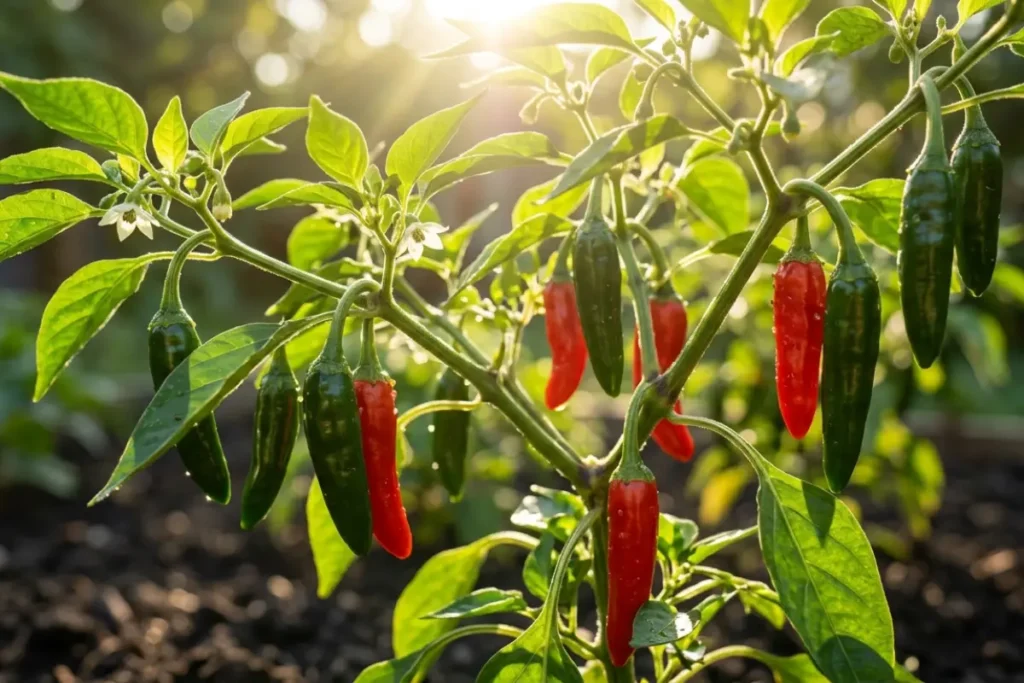
A Serrano pepper plant has green stems, pointed leaves, and small white flowers that can develop into peppers after successful pollination. The fruits usually grow upright or outward from the branches, depending on the variety and growing conditions.
Young peppers are typically green, but many turn red as they mature. A healthy plant generally has firm stems, evenly colored leaves, and steady new growth. Watching for these signs helps you understand whether your Serrano pepper plant is developing well.
How Hot Are Serrano Peppers?
Serrano peppers are hotter than jalapeños in most cases, although the heat varies between individual peppers. They typically measure around 10,000 to 23,000 Scoville Heat Units (SHU). Their spicy kick makes them useful in fresh salsa, homemade hot sauce, marinades, and other dishes that need
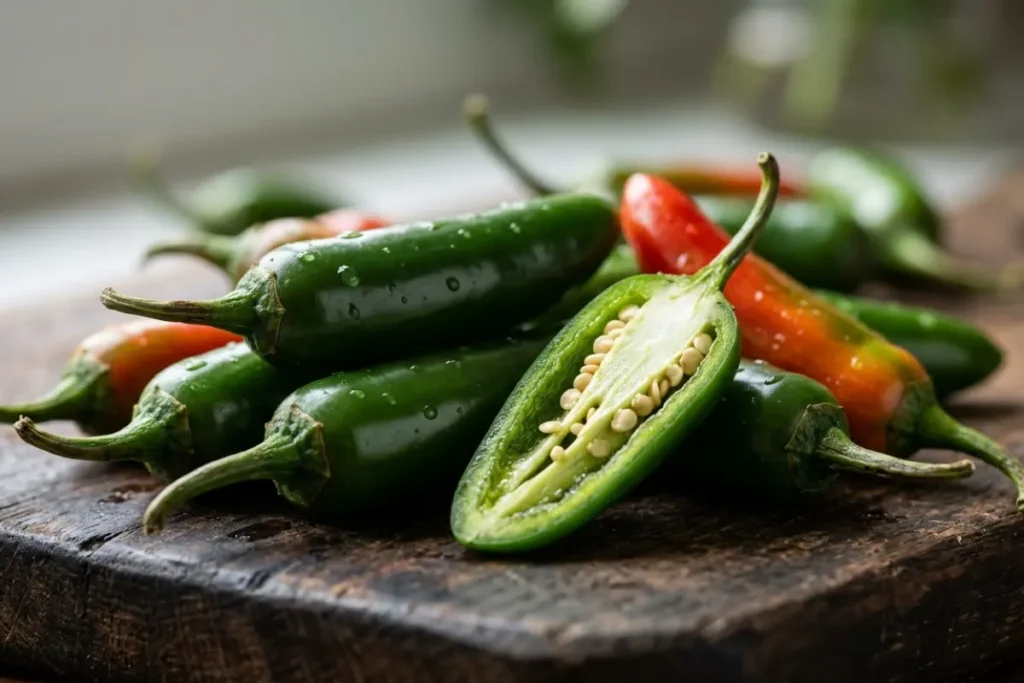
extra heat. If you’re growing Serrano chili peppers for cooking, remember that growing conditions and fruit maturity can influence flavor and perceived heat. Handle freshly cut peppers carefully, avoid touching your eyes, and wash your hands after preparation.
Best Growing Conditions for Serrano Peppers
Some gardeners believe that Serrano peppers will grow well in any sunny spot, but these plants need more than sunlight alone. The right temperature, soil quality, moisture, and growing space all play a role in healthy development.
If you want to learn how to grow Serrano peppers successfully, start by creating an environment that supports strong roots, healthy leaves, and steady fruit production. Even small improvements to your garden setup can make a noticeable difference.
What Climate Is Best for Growing Serrano Peppers?
Serrano peppers grow best in warm conditions with plenty of sunshine and a reasonably long growing season. They are warm-season plants that thrive when the weather stays comfortably warm during the day and nights are not too cold. Cool temperatures can slow their growth, while frost can seriously damage or kill the plants.
If you live in a region with mild winters and hot summers, you may have a long period for growing Serrano peppers outdoors. In cooler climates, start seeds indoors and move the seedlings outside after the danger of frost has passed.
Gardeners in very hot regions should also watch for extreme afternoon heat, which can stress plants and interfere with flowering.
A sheltered location can help protect young plants from strong winds and sudden temperature changes. With a suitable climate and consistent care, Serrano pepper plants can establish themselves well and produce fruit throughout the growing season.
What Temperature Do Serrano Pepper Plants Need?
Temperature has a major effect on Serrano pepper germination, plant growth, flowering, and fruit development. Seeds generally germinate best in warm soil, around 75–85°F (24–29°C). If the soil is too cold, germination may take longer, and some seeds may fail to sprout.
Once seedlings begin growing, aim to keep them in a warm environment. Daytime temperatures around 70–85°F (21–29°C) are generally suitable for established plants. Extended cold spells can slow growth, while excessive heat may cause flowers to drop before they develop into peppers.
If you’re growing Serrano peppers in pots, you have more control over temperature because you can move the containers when conditions become unfavorable.
During unusually hot weather, provide some protection from intense afternoon sun if the plants show signs of heat stress. In cooler conditions, wait until the weather and soil have warmed before planting outdoors.
How Much Sunlight Do Serrano Pepper Plants Need?
Serrano pepper plants need plenty of direct sunlight to grow strong and produce a good harvest. Ideally, choose a location that receives around 6–8 hours of direct sunlight daily. More sunlight can support healthy growth when temperatures and moisture levels remain suitable.
Insufficient sunlight can lead to weak stems, slow growth, and fewer flowers. Plants may also produce less fruit if they spend most of the day in deep shade. Before planting, observe your garden to find a spot that receives consistent sunlight rather than choosing a location based only on how bright it looks in the morning.
If you’re growing Serrano peppers indoors, place the plant near a bright, sunny window. A suitable grow light can help when natural light is limited. Rotate indoor pots occasionally so different sides receive light, and avoid placing plants in a location where nearby objects block most of the sun.
In very hot climates, intense afternoon sunlight combined with dry soil can stress plants. If leaves repeatedly wilt during extreme heat, check the soil moisture first and consider light afternoon shade. The goal is to provide enough light for healthy growth without allowing heat stress to damage the plant.
What Is the Best Soil for Growing Serrano Peppers?
The best soil for Serrano peppers is loose, fertile, and well-draining. Their roots need access to water and nutrients, but they also need air. Heavy soil that stays wet for long periods can restrict root development and increase the risk of root rot.
For garden beds, work mature compost into the soil before planting to improve its structure and add organic matter. If your garden has dense clay soil, consider growing Serrano peppers in a raised bed or a container filled with a suitable potting mix.
Sandy soil can drain quickly, so adding organic matter may help it retain moisture and nutrients more evenly.
For container gardening, use a quality potting mix designed for vegetables rather than digging ordinary garden soil into a pot. Garden soil can become compacted in containers and may not drain properly. Choose a mix that holds enough moisture for the roots while allowing excess water to escape.
Avoid adding too much fertilizer or fresh manure when preparing the soil. Excess nutrients, especially nitrogen, can encourage leafy growth at the expense of flowering and fruit production. A balanced growing medium gives Serrano pepper plants a better foundation for healthy development.
What Soil pH Is Best for Serrano Pepper Plants?
Serrano pepper plants generally grow best in slightly acidic to neutral soil, with a pH of around 6.0–6.8. Soil pH affects how easily plants can absorb nutrients, even when those nutrients are present in the soil.
If the pH is too low or too high, your plants may develop yellow leaves, slow growth, or other signs of nutrient problems. However, these symptoms can also result from overwatering, poor drainage, or pests, so don’t assume pH is always the cause.
A simple soil test can help you determine whether your garden soil falls within the suitable range. If the results show a problem, follow the test recommendations before making major changes. Lime is commonly used to raise soil pH, while certain soil amendments can lower it, but the correct choice and amount depend on your soil’s current condition.
For container-grown Serrano peppers, start with a quality potting mix suitable for vegetables. This is often easier than trying to adjust the pH yourself. Avoid making repeated amendments without testing, because unnecessary changes can create new nutrient problems.
How Much Space Do Serrano Pepper Plants Need?
Giving Serrano pepper plants enough space helps their roots spread and allows sunlight and air to reach the leaves. As a general guideline, space plants about 18–24 inches apart, adjusting the distance according to the variety’s mature size and the growing conditions.
If you plant Serrano peppers too close together, the foliage may become crowded. This can reduce airflow, make watering and harvesting harder, and create conditions that favor certain plant diseases. Crowded plants may also compete more strongly for water, nutrients, and sunlight.

For rows in a vegetable garden, leave enough room between rows to walk comfortably and care for the plants. In raised beds, plan the layout before planting so each plant has enough room to grow without becoming tangled with its neighbors.
Container-grown Serrano peppers need enough space for both the roots and the above-ground growth. A pot that is too small can dry out quickly and restrict root development. Choose a container with adequate capacity and drainage, and avoid placing several plants in one small pot simply to save space.
Good spacing makes everyday plant care easier and helps you inspect the leaves, spot pests early, and harvest peppers without damaging branches.
How to Grow Serrano Peppers From Seeds
Many gardeners believe that growing Serrano peppers from seeds takes special equipment or advanced gardening skills, but that’s not true. You can start Serrano pepper seeds at home with a few basic supplies and some patience.
The key is to give the seeds suitable warmth, moisture, and growing conditions so they can sprout and develop into healthy seedlings. If you’re wondering how to grow Serrano peppers from seeds, following a simple step-by-step process can help you get started.
Choose High-Quality Serrano Pepper Seeds
The first step is to choose good-quality Serrano pepper seeds. Healthy seeds from a reliable garden supplier usually offer more predictable results than seeds of unknown origin. Look for a packet labeled with the Serrano variety, along with information about the seed source and packing date.
You can also collect seeds from a fully ripe Serrano pepper, preferably one that has turned red. However, seeds saved from hybrid peppers may not produce plants identical to the parent plant. Seeds from a pepper that was harvested too early may also be less mature and less likely to germinate.
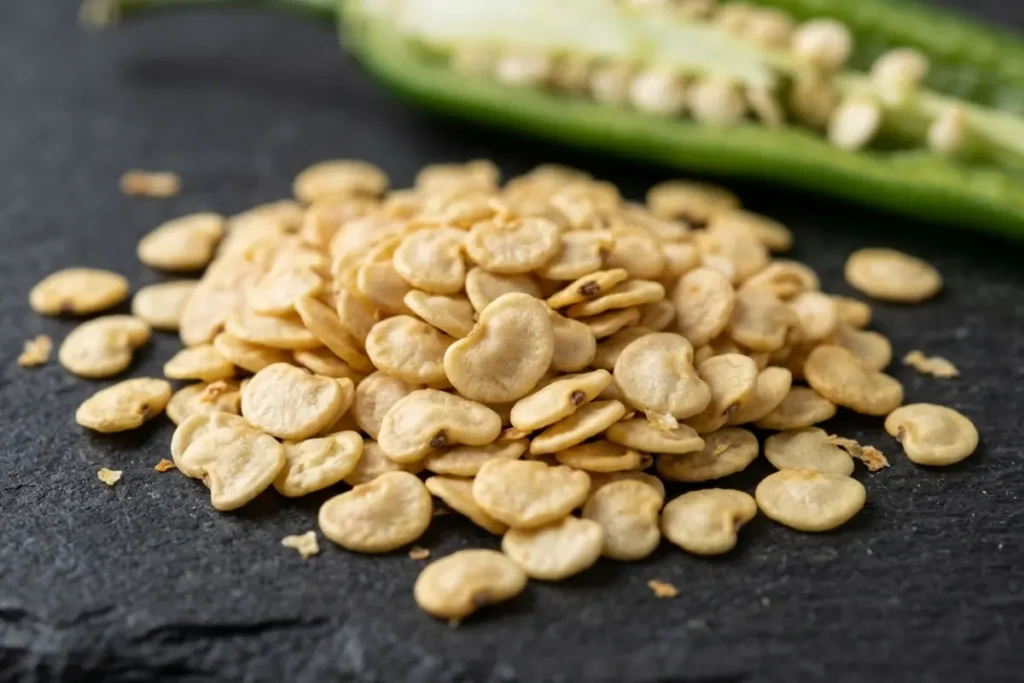
Check the seed packet for storage instructions and the expected germination period. If you’re using seeds you’ve stored at home, make sure they have remained dry and cool. Avoid seeds that show signs of mold or damage.
It’s also helpful to plant a few extra seeds in case some fail to sprout. This gives you a better chance of having enough healthy Serrano pepper seedlings for your garden or containers.
When Should You Start Serrano Pepper Seeds?
Serrano peppers need warm conditions to grow well, so timing your seed-starting process is important. In regions with cold winters, start seeds indoors around 8–10 weeks before the expected last frost. This allows the seedlings to develop before outdoor temperatures become suitable for planting.
If you live in a warm climate, you can adjust your planting schedule to match your local weather. The main goal is to produce strong seedlings that are ready to move outdoors when the soil is warm and frost is no longer a concern.
Starting seeds too late may shorten the time available for the plants to produce mature peppers. Starting them too early without enough light can also lead to weak, stretched seedlings. Plan around your local growing season rather than following a fixed calendar date.
For gardeners in hot regions, avoid letting young seedlings struggle through extreme temperatures. You may need to start them during a milder period so they can establish themselves before the hottest weather arrives.
Prepare Seed-Starting Trays and Potting Mix
Serrano pepper seeds grow best when you start them in a clean container with a light, well-draining seed-starting mix. You can use a seed tray, small nursery pots, or biodegradable seed-starting cells. Whatever you choose, make sure excess water can drain away easily.
Fill each cell with seed-starting mix and gently moisten it before planting. The mix should feel damp but not soaked. Avoid using heavy garden soil because it can become compacted in small containers and may contain pests or disease-causing organisms.
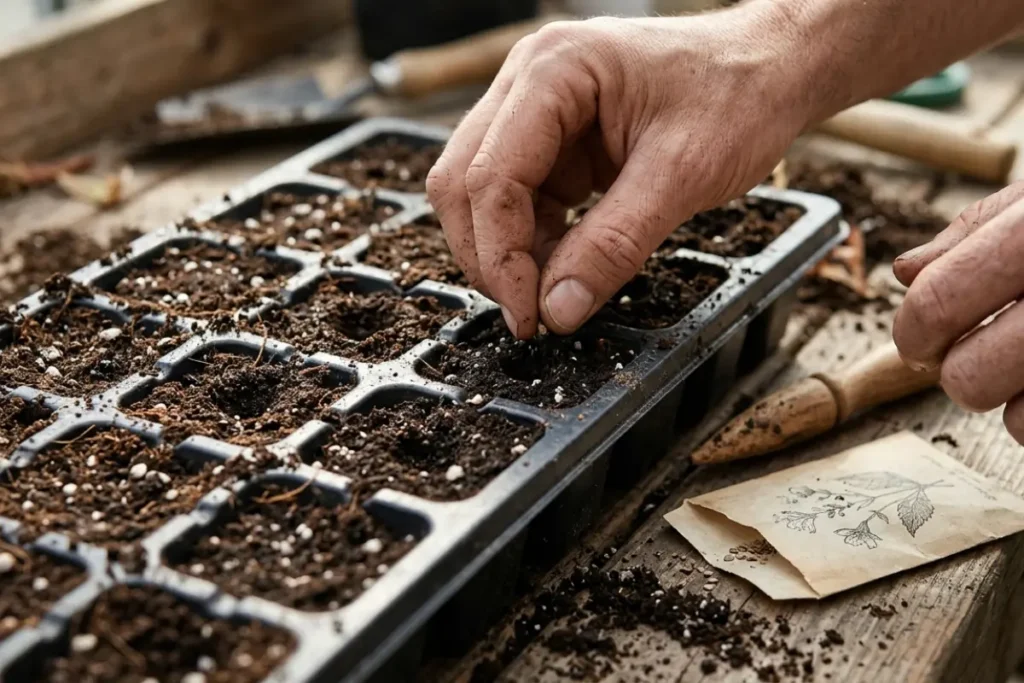
If you’re reusing containers, clean them thoroughly before adding fresh growing medium. This helps reduce the chance of carrying problems from previous plants into your new seedlings.
Label your containers if you’re growing several pepper varieties at once. This simple step prevents confusion later and makes it easier to track which seedlings are Serrano peppers.
Place the prepared trays somewhere warm with access to suitable light once the seedlings emerge. Having everything ready before planting helps you maintain consistent conditions during germination.
How Deep Should You Plant Serrano Pepper Seeds?
Plant Serrano pepper seeds about ¼ inch (6 mm) deep in the prepared seed-starting mix. This depth usually provides enough coverage to keep the seeds moist while allowing the emerging seedlings to reach the surface.
Place one or two seeds in each cell, then cover them lightly with the mix. Avoid pressing the soil down too firmly because compacted growing medium can make it harder for young shoots to emerge.
After planting, mist or water gently to settle the mix around the seeds. Use a spray bottle or a watering can with a fine rose to prevent the seeds from shifting. Keep the soil evenly moist while you wait for germination.
If you plant seeds too deeply, they may take longer to emerge or fail to reach the surface. Seeds planted too close to the surface may dry out more quickly. Getting the depth right gives your Serrano pepper seeds a good start.
How to Plant and Care for Serrano Peppers Outdoors
Many gardeners think that moving Serrano pepper seedlings straight into the garden is all it takes to grow a healthy crop. However, planting them outdoors without preparing the soil or adjusting them to outdoor conditions can slow their growth. To grow Serrano peppers successfully, choose the right planting time, prepare the garden bed, and give young plants enough room to establish their roots.
When to Plant Serrano Peppers Outdoors
The best time to plant Serrano peppers outdoors is after the last frost, when the soil has warmed and nighttime temperatures remain comfortably mild. These warm-season plants can struggle in cold soil, so waiting for suitable conditions helps them settle into their new environment.
If you’re growing Serrano peppers in a region with cool springs, start your seeds indoors and transplant the seedlings when the weather becomes warm enough. In hot climates, choose a planting period that gives young plants time to establish themselves before extreme summer heat arrives.
Check your local weather forecast before planting. A sudden cold spell can damage tender seedlings, while very hot, dry weather can increase transplant stress. Choosing the right planting window gives your Serrano pepper plants a better chance to develop healthy roots and produce a good harvest.
Prepare Your Garden Bed Before Planting
Healthy Serrano pepper plants need a garden bed that provides nutrients, good drainage, and enough space for their roots to spread. Start by choosing a location with plenty of sunlight and soil that doesn’t remain soggy after watering or rain.
Remove weeds, stones, and old plant debris from the planting area. Loosen the soil to make it easier for young roots to grow, then mix in some mature compost if the soil needs more organic matter. Avoid using fresh manure or excessive fertilizer, as these can damage roots or encourage too much leafy growth.
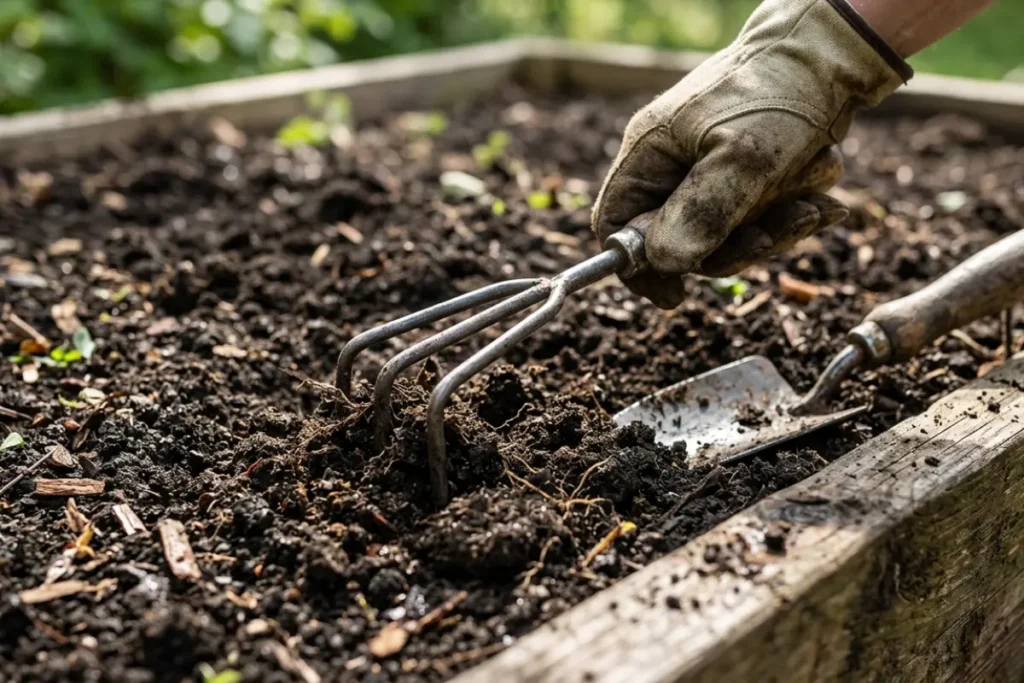
If your garden soil is heavy clay or drains poorly, consider planting in a raised bed. Raised beds can improve drainage and make it easier to maintain suitable growing conditions.
Before planting, check that the bed has enough room for the mature plants. Preparing the area in advance makes transplanting easier and reduces the need to disturb the roots later.
FAQs About How to Grow Serrano Peppers
How long does it take to grow Serrano peppers?
Serrano peppers usually take around 70–90 days after transplanting to begin producing harvestable peppers, although the timing varies with the variety and growing conditions. Starting from seeds adds the time needed for germination and seedling growth. Warm temperatures, plenty of sunlight, and consistent watering help plants develop properly.
How much sunlight do Serrano pepper plants need?
Serrano pepper plants generally need six to eight hours of direct sunlight daily for healthy growth and good fruit production. Choose a sunny garden bed, patio, or balcony. In extremely hot weather, some afternoon shade may help protect plants from heat stress.
Can you grow Serrano peppers in pots?
Yes, Serrano peppers grow well in containers when they receive enough sunlight, water, and nutrients. Choose a pot that holds around 3–5 gallons (11–19 liters) for one mature plant, with drainage holes at the bottom. Use a fertile, well-draining potting mix and check moisture regularly.
How often should you water Serrano pepper plants?
Water Serrano pepper plants whenever the soil begins to dry near the surface. Container plants may need watering more frequently during hot or windy weather. Water deeply enough to moisten the root zone, but avoid keeping the soil constantly soggy because excess moisture can damage the roots.
What is the best soil for growing Serrano peppers?
The best soil is fertile, loose, and well-draining, with a slightly acidic to neutral pH of around 6.0–6.8. Add mature compost to improve garden soil, or choose a quality potting mix for containers. Avoid heavy, compacted soil that holds too much water around the roots.
How do you grow Serrano peppers from seeds?
Start Serrano pepper seeds indoors about eight to ten weeks before your area’s last expected frost. Sow them approximately ¼ inch (6 mm) deep in a moist seed-starting mix.
Keep the mix warm, ideally around 75–85°F (24–29°C), and provide bright light after the seedlings emerge. Transplant outdoors once the weather is warm and frost danger has passed.
Why is my Serrano pepper plant flowering but not producing peppers?
Flowers may fail to produce fruit because of extreme temperatures, inconsistent watering, poor pollination, or excessive nitrogen fertilizer. Keep the soil moisture steady, provide sufficient sunlight, and avoid overfeeding the plant with nitrogen-rich fertilizer. Gently shaking flowering branches can sometimes help release pollen when growing peppers in sheltered locations.
Why are the leaves on my Serrano pepper plant turning yellow?
Yellow leaves can result from overwatering, poor drainage, underwatering, nutrient deficiencies, or pest problems. Check the soil before changing your watering routine.
If it stays wet for long periods, improve drainage and allow the surface to dry slightly between waterings. Also inspect the undersides of leaves for insects and signs of damage.
How can I make my Serrano pepper plant produce more peppers?
Give the plant plenty of sunlight, maintain consistent soil moisture, and provide balanced fertilizer according to its label. Make sure the plant has enough room for airflow and root development. Avoid excessive nitrogen, which can encourage leafy growth at the expense of flowers and fruit.
Can Serrano peppers grow indoors?
Yes, you can grow Serrano peppers indoors if you provide enough light, warmth, and suitable growing space. Place the plant near a bright, sunny window or use a grow light when natural light is insufficient. Choose a container with drainage and help pollination by gently shaking the flowers if necessary.
When should you harvest Serrano peppers?
You can harvest Serrano peppers when they reach a suitable size, feel firm, and have developed their characteristic green color. If you prefer fully ripe peppers, leave them on the plant until they turn red. Use clean scissors or pruning shears to cut the peppers from the stems without damaging the plant.
Do Serrano peppers turn red when they ripen?
Yes, Serrano peppers commonly change from green to red as they mature, although ripening colors can vary by variety. Green peppers are often harvested before full maturity, while red peppers tend to have a sweeter, fruitier flavor. Both can be used in cooking, depending on your taste preference.
Do Serrano pepper plants come back every year?
Serrano peppers are tender perennials in warm, frost-free climates, so they can survive for more than one growing season under suitable conditions. In colder regions, frost usually kills outdoor plants, so gardeners commonly grow them as annuals. In some cases, container plants can be moved indoors to protect them from cold weather.
What is the best fertilizer for Serrano peppers?
A balanced vegetable fertilizer or a fertilizer formulated for peppers and tomatoes can work well when used according to the product label. Avoid applying too much nitrogen because it may encourage leaves and stems instead of fruit production. Compost can also improve soil quality and provide organic matter.
. Can you grow Serrano peppers from store-bought peppers?
You can sometimes grow Serrano peppers from seeds collected from mature store-bought peppers. However, the seeds may not produce plants identical to the original pepper, particularly if it came from a hybrid variety. For more predictable results, purchase seeds from a reliable supplier.
Conclusion:
Learning how to grow Serrano peppers can be a rewarding experience, especially when you enjoy adding fresh, spicy peppers to your favorite meals.
These plants do not require a huge garden or complicated equipment to grow well. With the right growing conditions, regular care, and a little patience, you can raise healthy Serrano pepper plants in your backyard, raised beds, patio containers, or even indoors with enough light.
The key is to understand what your plants need at each stage, from seed germination to harvesting ripe peppers.
Start by choosing good-quality Serrano pepper seeds and planting them in a warm, suitable growing medium. If you live in an area with cold winters, starting seeds indoors before the last expected frost can give your plants a useful head start.
Once the weather becomes warm enough, gradually introduce your seedlings to outdoor conditions before transplanting them into the garden or containers. This simple process, called hardening off, helps young plants adjust to sunlight, wind, and temperature changes.
Sunlight is another important part of growing healthy Serrano peppers. Try to provide six to eight hours of direct sunlight each day, along with fertile, well-draining soil.
If you are growing peppers in pots, choose a container with enough room for root development and proper drainage holes. A good potting mix, a stable container, and a sunny location can make container gardening much easier, even if you have limited outdoor space.

Plant Nest Blog’s author is passionate about plants, gardening, and sustainable living. Through research and practical experience, they share helpful plant care tips, gardening guides, and easy solutions to help readers grow healthier plants and create greener spaces.