
Many gardeners believe that cutting a rosemary plant will damage it or stop it from growing, but the right pruning technique can help keep it healthy and attractive.
Learning how to cut rosemary plant correctly makes it easier to control its shape, encourage bushier growth, and enjoy fresh rosemary sprigs for cooking. The key is to trim the plant carefully without cutting too deeply into old, woody stems.
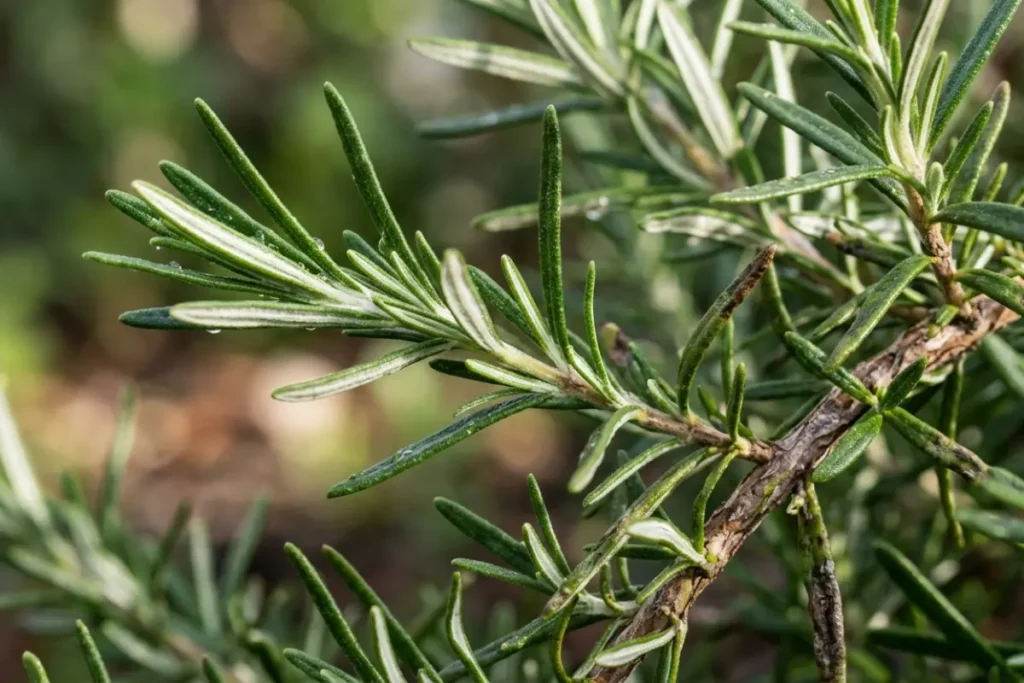
Whether you grow rosemary in a garden or a pot, a little regular trimming can make a big difference. In this guide, you’ll learn when to prune rosemary, how to trim it for healthy growth, and how to avoid common mistakes that can harm the plant.
With a few simple techniques, you can maintain a fuller rosemary bush and encourage fresh growth while keeping your herb in good condition.
Why Should You Cut a Rosemary Plant?
Cutting a rosemary plant is not just about keeping it neat. Regular pruning helps control its size, encourages healthy growth, and provides fresh sprigs for cooking. When you trim it correctly, you can also prevent the plant from becoming too leggy or uneven.
Maintain a Neat and Compact Rosemary Bush
Rosemary can grow tall and spread out if you leave it untrimmed for a long time. Light pruning helps you maintain a tidy shape and keeps the plant from taking over your garden or growing space. If you’re growing rosemary in a pot, regular trimming also makes it easier to manage its size.
Encourage Branching and Bushier Growth
One of the main benefits of rosemary pruning is that it can encourage new branches to develop. Trimming the tips of healthy, green stems helps promote a fuller appearance over time.
If you want to know how to cut rosemary plant to make it bushy, focus on light trimming rather than cutting back the entire plant at once.
Remove Dead, Damaged, or Diseased Branches
Dead or damaged branches can make your rosemary plant look unhealthy and untidy. Removing them helps keep the plant in better condition and allows you to focus on healthy growth. Use clean, sharp pruning shears to remove affected stems carefully, avoiding unnecessary cuts to healthy branches.
Harvest Fresh Rosemary for Cooking
You don’t need to wait for a major pruning session to enjoy fresh rosemary. You can cut a few healthy sprigs whenever you need them for roasted vegetables, soups, marinades, or other recipes. Harvesting small amounts from different parts of the plant helps you collect fresh herbs while leaving enough foliage for continued growth.
Control an Overgrown Rosemary Plant

If your rosemary bush has become too large or developed long, uneven stems, careful pruning can help bring it back into shape. Start by removing dead growth and trimming selected green stems to create a more balanced appearance.
Avoid cutting deeply into old, bare woody stems because rosemary may not produce new growth from these areas. For a severely overgrown plant, gradual trimming is usually safer than removing too much growth in one session.
When Is the Best Time to Cut a Rosemary Plant?
Many gardeners believe that rosemary can be pruned at any time of the year without causing problems. However, the timing matters because weather conditions and the plant’s growth stage affect how well it recovers.
If you want to know when is the best time to cut a rosemary plant, focus on periods when it is actively growing and the weather is mild. Choosing the right time helps your rosemary recover from pruning and produce healthy new shoots.
Best Time of Year to Prune Rosemary
The best time to prune rosemary is usually during spring or early summer, when the plant begins producing fresh growth. Mild temperatures give rosemary a better chance to recover after trimming.
During this period, you can remove a little excess growth, shorten long stems, and improve the plant’s overall shape.
The ideal pruning season depends on your local climate. In areas with mild winters, rosemary may continue growing for much of the year. In colder regions, wait until the risk of hard frost has passed before carrying out regular pruning.
Avoid heavy trimming when the plant is struggling with extreme heat, cold, or other stressful conditions.
Why Spring Is a Good Time to Cut Rosemary
Spring is often an excellent time to trim rosemary because the plant is preparing for a new period of growth. You can inspect the branches for winter damage and remove dead or broken stems. Lightly trimming healthy green growth can also help you maintain a balanced shape as new shoots develop.

If your rosemary grows in a pot, check its condition before pruning. A healthy plant with fresh growth can usually handle light trimming better than one that looks weak or has suffered from poor drainage. Avoid cutting too much at once, especially if the plant is still recovering from winter weather.
When to Trim Rosemary During the Growing Season
You can trim rosemary during the growing season whenever it develops long stems or needs a little shaping. Light, occasional pruning helps prevent the plant from becoming uneven and allows you to harvest fresh rosemary for cooking.
When trimming, select healthy green stems and make cuts near a suitable leaf pair or branching point. Avoid removing large amounts of foliage in one session. If your goal is to encourage bushier growth, regular light trimming is generally more suitable than severe pruning.
Stop or reduce pruning when temperatures become extremely hot or cold. During stressful weather, rosemary may recover more slowly, so it’s better to wait for more favorable conditions before making significant cuts.
Should You Cut Rosemary After Flowering?
Yes, you can prune rosemary after flowering, particularly if the plant has finished blooming and needs shaping. Depending on the climate and variety, rosemary may flower in different seasons. Once the flowers fade, you can lightly trim the green stems to keep the plant looking tidy and encourage branching.

Use clean pruning shears and focus on the softer, leafy parts of the stems. Avoid cutting into thick, bare wood because old rosemary branches may not produce new shoots reliably. If your plant is healthy and already has a good shape, you may only need to remove a few uneven stems.
You can also harvest rosemary while it is flowering if you need it for cooking. However, if you want to encourage further growth, avoid removing too much of the plant at once.
Why You Should Avoid Heavy Pruning in Extreme Weather
Rosemary grows best when conditions are suitable for active growth. Extreme heat, severe cold, and frost can place additional stress on the plant, making recovery after pruning more difficult.
During hot weather, avoid heavy trimming if the plant is already wilting or struggling with dry soil. In colder climates, significant pruning just before frost can leave fresh growth more vulnerable to damage. Instead, remove only dead or damaged material when necessary and save major shaping for a milder period.
Pay attention to your rosemary’s condition rather than following a fixed calendar. A healthy plant growing in mild weather may tolerate light pruning, while a stressed plant may need time to recover before you cut it again.
3.6 How to Adjust Rosemary Pruning to Your Local Climate
Your local climate plays an important role in deciding when to prune rosemary. In regions with mild winters and warm growing seasons, you may be able to trim rosemary in spring and early summer, provided the plant is actively growing and temperatures are comfortable.
In areas with cold winters, wait until severe frost has passed before carrying out routine pruning. In regions with very hot summers, consider pruning during a milder period rather than during intense heat.
For rosemary grown indoors, choose a time when the plant is healthy and receiving enough light to support new growth.
Before cutting, check for fresh green shoots, healthy leaves, and signs of stress. These clues can help you decide whether your plant is ready for trimming. By matching your rosemary pruning schedule to its growth and local weather, you can maintain a healthy plant without putting it under unnecessary stress.
Tools You Need for Cutting a Rosemary Plant
You might think that any pair of scissors will work when learning how to cut rosemary plant, but the tools you use can affect the quality of each cut. Blunt blades may crush delicate stems, while dirty tools can spread plant diseases.
You don’t need expensive gardening equipment to prune rosemary successfully. A few simple, clean tools will help you trim stems neatly, protect healthy growth, and make the job easier.
Use Sharp Pruning Shears for Clean Cuts
Sharp pruning shears are one of the most useful tools for trimming a rosemary plant. They can cut through thicker green stems cleanly without crushing them. Clean cuts help prevent unnecessary damage and make it easier to shape the plant.
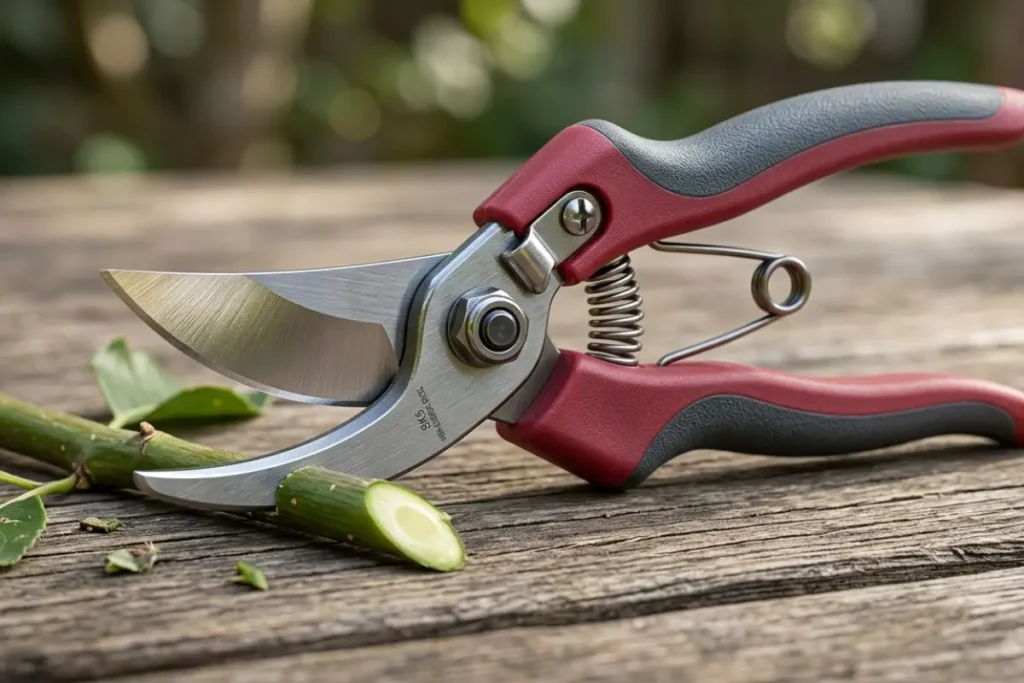
Choose a comfortable pair of garden pruning shears that fits your hand. Before you begin, check that the blades open and close smoothly and can cut stems without tearing them. For small rosemary plants, compact bypass pruning shears are usually a practical choice.
Use Small Garden Scissors for Tender Rosemary Sprigs
Small garden scissors work well when you want to harvest fresh rosemary for cooking or remove a few soft stem tips. They provide better control for delicate tasks, especially when growing rosemary in a pot or on a sunny windowsill.
Choose scissors with sharp blades that can cut through the stems easily. Avoid pulling or twisting rosemary branches off by hand, as this may damage nearby growth. When harvesting fresh rosemary sprigs, make neat cuts and leave enough healthy foliage for the plant to continue growing.
Clean Your Cutting Tools Before Pruning
Clean gardening tools are important for maintaining a healthy rosemary plant. Soil, plant residue, and sap can collect on blades during regular use. If your tools have been used on diseased plants, they may also transfer harmful pathogens to healthy rosemary.
Before pruning, remove visible dirt and plant debris from the blades. Wash them with soap and water when appropriate, then dry them thoroughly. If you suspect a plant disease, use a suitable tool disinfectant according to its label instructions before moving to another plant.
Making tool cleaning part of your rosemary plant care routine is a simple way to reduce the risk of spreading disease.
Check for Blunt or Damaged Blades
Blunt pruning shears can make cutting rosemary more difficult than necessary. Instead of producing a neat cut, worn blades may crush stems, tear the bark, or leave ragged edges. Damaged tools can also slip while you work, making pruning less comfortable.
Check your scissors and pruning shears before each session. If the blades feel loose, show signs of rust, or struggle to cut small stems cleanly, clean, sharpen, or repair them as needed. Replace tools that cannot make reliable cuts.
Sharp, well-maintained tools are especially useful when pruning an overgrown rosemary plant because older stems may require more cutting force than tender new growth.
Wear Gardening Gloves When Needed
Gardening gloves are helpful when working with a large rosemary bush or handling thick, woody branches. They can protect your hands from rough stems and help you maintain a comfortable grip on your tools.
Choose gloves that fit properly and allow you to move your fingers easily. Thick gloves may be useful for clearing tangled growth, while lighter gloves are often more comfortable for delicate trimming.

Although gloves are not essential for every small pruning job, they can make the task more comfortable when you need to reach inside a dense rosemary bush or remove several damaged branches.
Quick tip: Before you start cutting rosemary, keep your sharp pruning shears, small garden scissors, and cleaning supplies within reach. Having the right tools ready helps you work carefully and makes regular rosemary trimming much easier.
Frequently Asked Questions About How to Cut Rosemary Plant
How Do You Cut a Rosemary Plant Without Killing It?
To cut a rosemary plant without harming it, use clean, sharp pruning shears and trim the healthy green stems carefully. Make each cut just above a suitable leaf pair or branching point.
Avoid cutting too much foliage at once or removing large sections of old, bare wood, as rosemary may struggle to grow back from these areas. If your plant is young or weak, start with light trimming and allow it time to recover.
When Is the Best Time to Cut a Rosemary Plant?
Spring or early summer is generally a good time to prune rosemary because the plant is often entering an active growth period. However, the best time depends on your local climate and the plant’s condition.
Choose mild weather when possible, and avoid heavy pruning during extreme heat, severe cold, or frost. You can still harvest a few healthy sprigs when needed, provided the plant is growing well.
How Do You Cut Rosemary to Make It Bushy?
To encourage bushier rosemary growth, trim the tips of healthy green stems just above a leaf pair or branching point. This can encourage side shoots to develop and create a fuller appearance.
Repeat light trimming as the plant grows, but avoid cutting every branch at once. Plenty of sunlight, well-drained soil, and careful watering also help rosemary maintain healthy growth.
Can You Cut Rosemary Back to the Woody Stems?
It’s best to avoid cutting rosemary deeply into old, bare woody stems. Unlike some shrubs, rosemary may not reliably produce new shoots from leafless, mature wood.
Instead, prune back to sections that still have healthy green growth. If your plant has become very woody, remove selected branches gradually and preserve as much healthy foliage as possible.
How Much Can You Cut Off a Rosemary Plant at Once?
The amount you can safely remove depends on the plant’s age, size, and health. For routine trimming, remove only a modest amount of green growth rather than cutting back the whole plant.
Young, weak, or stressed rosemary needs a lighter touch than a healthy, established bush. If you need to reshape an overgrown plant, spread the work over several sessions to reduce stress.
Can You Trim a Rosemary Plant in a Pot?
Yes, you can trim rosemary growing in a pot. Use small garden scissors or sharp pruning shears to shorten long stems and maintain a balanced shape. Container-grown rosemary needs enough sunlight and well-drained soil to remain healthy after pruning.
Avoid heavy trimming if the plant is struggling, and check that its pot has drainage holes to prevent waterlogged roots.
Should You Cut Rosemary After It Flowers?
You can lightly prune rosemary after flowering if it needs shaping or has developed uneven growth. Trim the leafy green sections of the stems and remove dead or damaged branches.
Avoid cutting into bare woody growth, and don’t remove too much foliage in one session. The best timing depends on your climate, flowering period, and the plant’s overall health.
How Often Should You Trim a Rosemary Plant?
Rosemary usually benefits from occasional light trimming during its active growing season. How often you prune depends on how quickly it grows and whether you want to maintain a particular shape.
You can also harvest small amounts for cooking as needed. Rather than following a strict schedule, look for long, uneven stems and trim them when the weather and plant condition are suitable.
Will Rosemary Grow Back After Cutting?
Yes, rosemary can grow back after pruning if you make suitable cuts and leave enough healthy foliage. New shoots may develop from remaining leafy stems and growing points.
However, regrowth is less predictable when you cut deeply into old, bare wood. Sunlight, good drainage, suitable temperatures, and proper watering all help support recovery.
Can You Cut Rosemary for Cooking Without Harming the Plant?
Yes, you can harvest rosemary for cooking without harming the plant if you cut carefully. Select healthy green sprigs and use clean scissors to snip them from the plant.
Harvest from different areas instead of stripping one branch completely, and leave plenty of foliage behind. This allows your rosemary to continue growing while providing fresh herbs for soups, roasted vegetables, and marinades.
How Do You Prune an Overgrown Rosemary Bush?
Start by inspecting the rosemary bush and identifying dead, damaged, crossing, or crowded branches. Remove unhealthy growth first, then shorten selected green stems to improve the plant’s shape.
Avoid cutting the entire bush back to bare wood. If the plant is severely overgrown, prune it gradually over multiple sessions so it has time to recover between cuts.
Why Is My Rosemary Plant Not Growing Back After Pruning?
Rosemary may struggle to regrow after pruning if you cut too deeply into woody stems, remove too much foliage, or prune during stressful weather. Poor drainage, insufficient sunlight, and root problems can also affect new growth.
Check whether the remaining stems are still alive and whether the soil drains properly. Give the plant suitable growing conditions and avoid further heavy pruning until you can assess its recovery.
Conclusion:
Learning how to cut rosemary plant correctly can help you maintain a healthy, attractive herb that provides fresh sprigs for cooking. Use clean, sharp pruning shears, choose suitable green stems, and make careful cuts above healthy leaf pairs or branching points.
The right technique helps you control the plant’s shape without putting unnecessary stress on it.
Remember to avoid cutting too deeply into old, bare woody stems, as rosemary may struggle to produce new growth from these areas. Regular light trimming, plenty of sunlight, well-drained soil, and careful watering can support healthy growth over time.
If your rosemary has become overgrown, prune it gradually instead of removing too much foliage at once.
Whether you grow rosemary in a garden, a container, or indoors, a little attention can go a long way. Check your plant for long or damaged stems, choose a suitable time to trim it, and start with a few careful cuts.
With consistent care and proper rosemary pruning techniques, you can enjoy a fuller-looking plant and fresh rosemary for your favorite meals.

Plant Nest Blog’s author is passionate about plants, gardening, and sustainable living. Through research and practical experience, they share helpful plant care tips, gardening guides, and easy solutions to help readers grow healthier plants and create greener spaces.