
Many people believe that Cordyline Plant Care is difficult because these tropical plants have colorful leaves and specific growing needs. However, Cordyline plants can thrive with a few simple habits.
The key is to provide suitable light, balanced watering, well-draining soil, and the right temperature. Whether you grow your plant indoors or outdoors, understanding its basic needs helps you enjoy healthy growth and vibrant foliage.
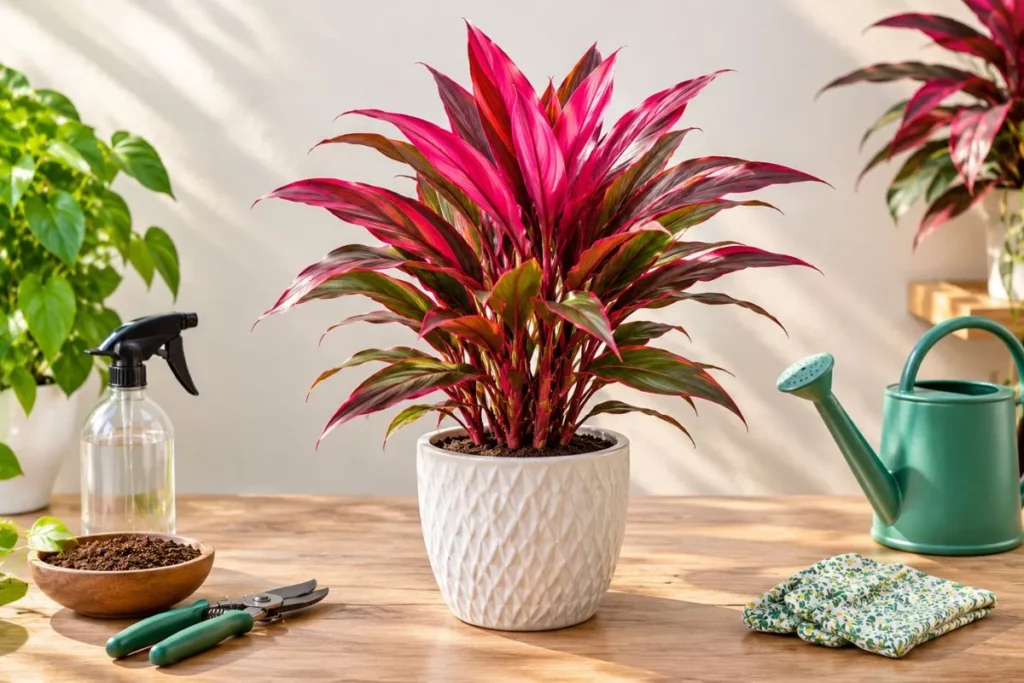
Cordyline plants are popular for their bold leaves, upright growth, and attractive colors, including red, green, pink, and purple. To keep your plant looking its best, check the soil before watering, remove damaged leaves, and choose a location that suits your variety.
With consistent care and the right growing conditions, even beginners can maintain a beautiful Cordyline plant at home or in the garden.
What Is a Cordyline Plant?
A Cordyline plant is an evergreen plant known for its long, attractive leaves and vibrant colors. Its foliage can feature shades of green, red, pink, and purple. These plants grow well indoors or outdoors, depending on the variety and climate.
Understanding their basic needs helps you provide proper Cordyline Plant Care and maintain healthy growth.
Understanding the Cordyline Plant
Cordyline is a genus of ornamental plants known for its striking foliage and tropical appearance. Depending on the species, its leaves may be long and narrow or broad and colorful.
Gardeners love these plants because they add height, texture, and color to indoor spaces, patios, and landscape designs. Some varieties grow well in containers, while others can become large outdoor plants in suitable climates.
One reason Cordyline plants are so popular is their variety of leaf colors and growth habits. However, not every type has the same care requirements. Some prefer warmer conditions, while others tolerate cooler weather more easily.
Before choosing a plant, identify its variety and consider your local climate, available sunlight, and growing space. This simple step makes it easier to provide the right Cordyline growing conditions.
Popular Cordyline Plant Varieties
Cordyline plants come in several varieties, each with its own appearance and growing requirements. Some are popular houseplants, while others are commonly grown outdoors in suitable climates.
Red Cordyline: This variety is loved for its striking red, burgundy, or purple leaves. It adds bold color to containers, patios, and garden beds.
Cordyline fruticosa: Often called the Hawaiian ti plant, this tropical variety has broad leaves in shades of green, pink, red, and purple. It generally prefers warmth, humidity, and bright, indirect light indoors.
Cordyline australis: Also known as the cabbage tree, this variety has narrow, sword-like leaves and can grow into a tree-like plant. It is commonly grown outdoors where the climate suits its needs.
Hawaiian Ti Plant: This name commonly refers to Cordyline fruticosa. Its colorful foliage makes it a popular choice for tropical gardens and indoor plant collections.
Is Cordyline an Indoor or Outdoor Plant?
Cordyline can grow indoors or outdoors, depending on the variety and local climate. Indoor growing works well for tropical types that need protection from cold temperatures.
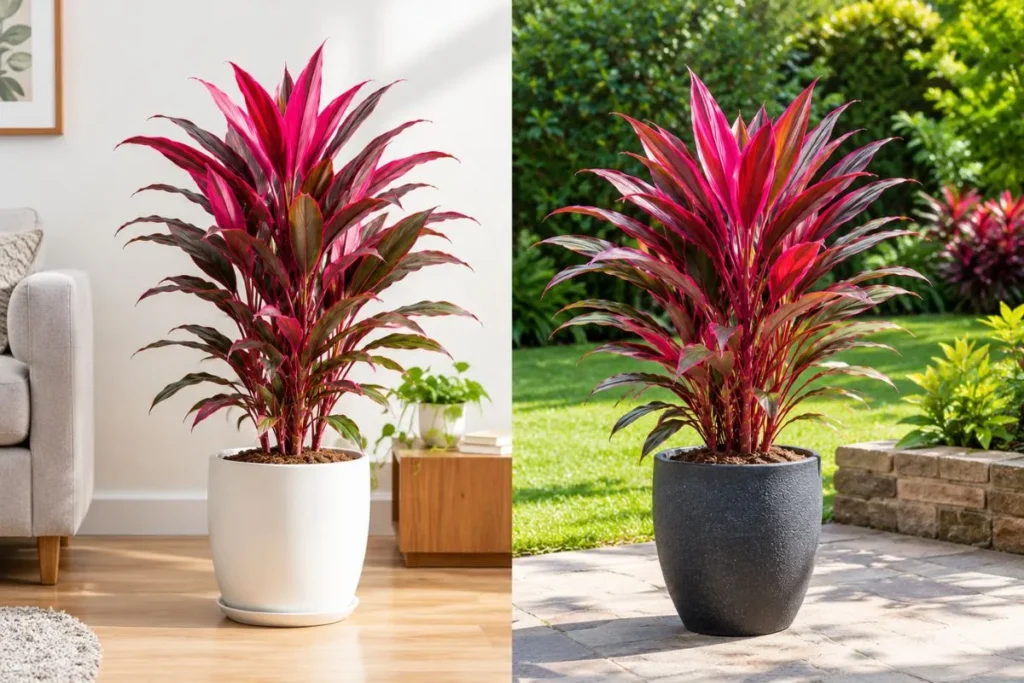
Place your plant near a bright window where it receives indirect sunlight, and use a pot with drainage holes. Outdoor Cordyline plants need a suitable location, well-draining soil, and protection from extreme weather.
Before choosing a growing spot, check the specific needs of your variety to support healthy growth and colorful leaves.
Essential Cordyline Plant Care Tips
Choose the Right Location for Your Cordyline
Many people think Cordyline plants can grow well anywhere as long as they receive some light, but the right location makes a big difference. When choosing a spot, consider your plant variety, available sunlight, and local climate. A suitable environment helps maintain colorful foliage and supports steady growth.
For indoor Cordyline plant care, choose a bright location away from cold drafts and direct heat from radiators or air conditioners. Outdoors, select a sheltered spot that provides suitable light and protection from harsh weather.
If you’re growing Cordyline in a container, you can move it when temperatures change or sunlight becomes too intense. Avoid moving the plant suddenly between very different light conditions, as this can stress its leaves.
Provide the Right Amount of Sunlight
Cordyline sunlight requirements vary by species, but most varieties need enough light to maintain healthy leaves and attractive colors. Too little light can lead to slower growth and faded foliage, while strong direct sunlight may scorch the leaves, especially if the plant has been growing indoors.
For most indoor Cordyline plants, bright, indirect light is a good starting point. Place the pot near a bright window where the leaves receive plenty of natural light without harsh midday sun.
Some outdoor varieties can tolerate more direct sunlight once they have adjusted to it. If your red Cordyline plant starts losing its vibrant color or develops scorched patches, review its lighting conditions and make gradual adjustments.
Water Your Cordyline Plant Correctly
One of the most important parts of Cordyline Plant Care is getting the watering routine right. Giving your plant water every day isn’t necessary and may cause root problems if the soil stays wet.
On the other hand, allowing the root ball to dry out completely for extended periods can cause drooping leaves and brown tips.
Check the top layer of soil before watering. If it feels dry, water thoroughly until excess water drains from the bottom of the pot. Empty any water collected in the saucer.
How often to water a Cordyline plant depends on temperature, light, humidity, pot size, and soil type. During warm weather, the plant may need water more frequently, while cooler conditions often slow its water use.
Use the Best Soil for Cordyline Plants
Cordyline plants need soil that holds some moisture but drains well. Heavy, compacted soil can prevent air from reaching the roots and increase the risk of root rot. Choosing the best soil for Cordyline plants helps create a healthier root system and makes watering easier to manage.
For container growing, use a quality potting mix that allows excess water to escape. A suitable indoor potting mix can be improved with materials such as perlite or pumice if it retains too much moisture. Always choose a pot with drainage holes.
For outdoor Cordyline plants, check that garden soil doesn’t remain waterlogged after rain. Good drainage is especially important in areas that experience frequent rainfall.
Maintain Suitable Temperature and Humidity
Many Cordyline varieties prefer warm conditions because they originate from tropical or subtropical environments. Sudden temperature changes, cold drafts, and frost can damage sensitive foliage. Humidity also matters, particularly for tropical varieties grown indoors where air conditioning or heating can make the air dry.
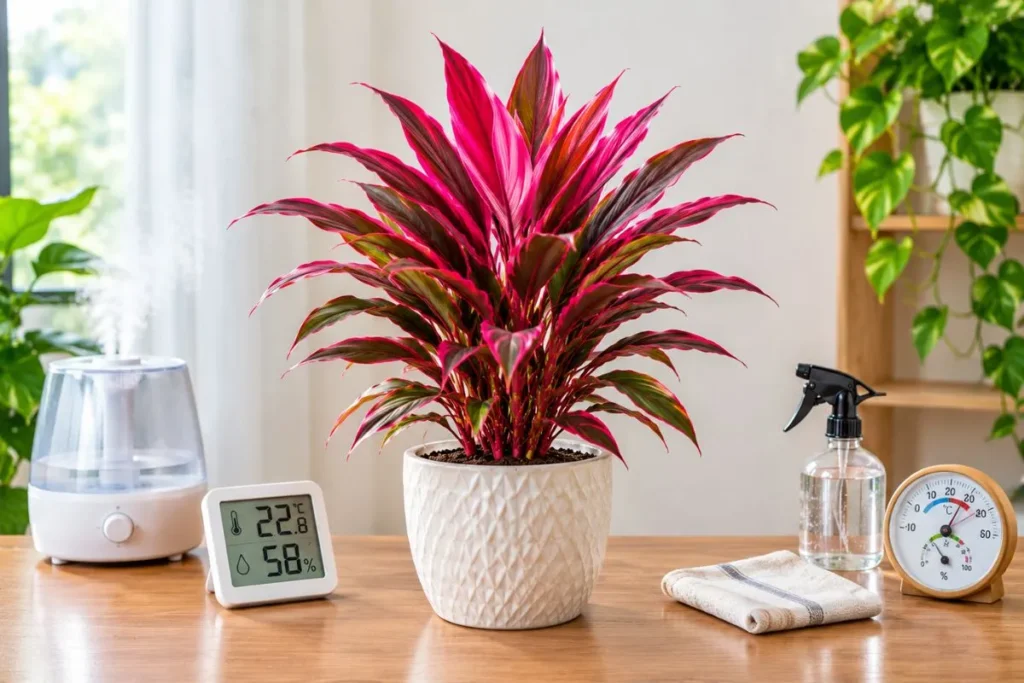
Keep tropical indoor Cordyline plants in a comfortably warm room and away from drafty windows during cold weather. If the air is very dry, a humidifier can help maintain a more suitable environment.
Cordyline temperature requirements vary by species, so don’t assume every variety has the same cold tolerance. Before planting outdoors, check whether your specific variety can handle the lowest temperatures in your area.
Fertilize Your Cordyline for Healthy Growth
Fertilizer can support new leaves and healthy growth, but adding more doesn’t automatically produce a better plant. Too much fertilizer may damage roots and cause brown leaf tips or edges. Cordyline plants growing in fresh, nutrient-rich potting mix may need little additional feeding at first.
During active growth, use a balanced fertilizer suitable for foliage plants and follow the label instructions. Reduce or stop feeding when growth slows during cooler months. Organic fertilizer can also be an option when used appropriately, but avoid applying excessive amounts.
If your Cordyline develops unusual leaf damage after feeding, review the amount and frequency of fertilizer you use.
Prune Your Cordyline Plant Properly
Pruning helps keep a Cordyline plant tidy and removes foliage that is dead or damaged. You don’t need to trim healthy leaves regularly just to maintain the plant. Excessive pruning can reduce its attractive shape and remove foliage that is still supporting growth.
Use clean, sharp pruning shears to remove completely brown or damaged leaves. Cut them close to the main stem without injuring it. If your Cordyline has developed a tall, bare stem, research the pruning needs of your particular variety before cutting it back.
Some Cordyline plants can produce new shoots after suitable pruning, but results depend on the species, plant health, and growing conditions.
Repot Your Cordyline When Needed
Cordyline plants don’t need frequent repotting, but they may eventually outgrow their containers. Roots growing through drainage holes, crowded root growth, or soil that dries unusually quickly can indicate that it’s time to check the root system.
However, these signs can also have other causes, so examine the plant before deciding to repot it.
Choose a pot with drainage holes that is only slightly larger than the current container. Use fresh, well-draining potting mix and handle the roots gently during transplanting.
Avoid placing the plant in an oversized pot because the extra soil can retain moisture for too long. After repotting, water appropriately and give the plant time to adjust before applying fertilizer.
Protect Your Cordyline From Pests and Diseases
Even a healthy Cordyline plant can occasionally develop pest problems. Spider mites, mealybugs, and scale insects may affect indoor or outdoor plants. Regularly checking the undersides of leaves and the areas where leaves join the stem helps you spot problems before they spread.
If you notice pests, isolate an indoor plant when possible and identify the insect before choosing a treatment. Small infestations may respond to wiping affected areas or using an appropriate insecticidal soap according to its label.
Avoid spraying products in direct sunlight or using treatments not intended for your plant. To reduce the risk of disease, provide good airflow, avoid overwatering, and use clean tools when pruning.
Adjust Cordyline Care During Winter
Winter care depends on the Cordyline variety and the temperatures in your region. Tropical varieties can suffer when exposed to cold conditions, while some hardier types tolerate cooler weather. Frost can damage leaves and, in severe cases, harm the entire plant.
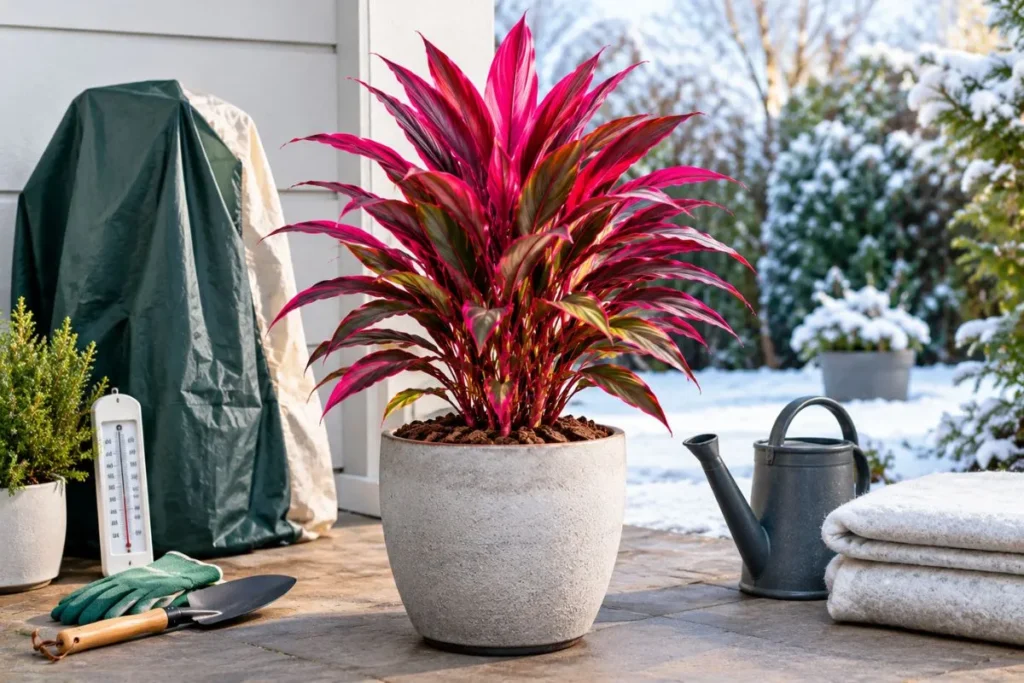
If you grow a sensitive Cordyline outdoors in a pot, move it to a protected location before cold weather arrives. For plants growing in the ground, use suitable frost protection when needed and follow recommendations for your particular variety.
Indoor plants should be kept away from cold drafts. Since growth often slows during winter, check the soil before watering and avoid feeding heavily when the plant isn’t actively growing.
Encourage Strong, Colorful Growth
Healthy Cordyline growth comes from consistent care rather than frequent changes to the plant’s environment. Suitable light, careful watering, well-draining soil, and appropriate temperatures all contribute to stronger leaves and a healthy root system.
The best routine is one that matches your particular Cordyline variety and growing conditions.
Watch for changes in leaf color, growth, and soil moisture. If the plant looks unhealthy, check its environment before adding extra fertilizer or water. Remove damaged foliage when necessary, inspect for pests, and make one adjustment at a time.
These simple habits can help your Cordyline maintain its natural shape and vibrant foliage throughout the growing season.
How to Care for a Cordyline Plant Indoors
Many people believe that Cordyline plants are difficult to grow indoors because they come from tropical environments. However, indoor Cordyline plant care becomes much easier when you provide the right growing conditions.
The key is to understand your plant’s needs and create a comfortable environment where it can grow without unnecessary stress.
Choose the Best Indoor Location
The location of your Cordyline plant can affect its growth, leaf color, and overall health. Most indoor varieties grow well in a bright room with plenty of indirect natural light.
A spot near an east-facing window can be a good choice because it often provides gentle morning sunlight. If you place your plant near a south- or west-facing window, use a sheer curtain when the sunlight becomes too intense.
Keep your Cordyline away from air conditioning vents, heaters, and frequently opened exterior doors. Sudden temperature changes can stress the leaves and cause their edges to turn brown.
Also, leave enough space around the plant for air to circulate. If your Cordyline starts leaning toward a window, rotate the pot occasionally to encourage more balanced growth.
Follow a Consistent Indoor Watering Routine
Indoor Cordyline plants don’t need a fixed watering schedule because the soil dries at different rates in different homes. Room temperature, humidity, pot size, and light exposure all affect how quickly the plant uses water.
Instead of watering on specific days, check the soil regularly and respond to its moisture level.
Press your finger into the top layer of soil. If it feels dry, check a little deeper before deciding whether to water. When the plant needs water, soak the soil thoroughly and let the excess drain away.
Never leave the pot sitting in a tray filled with water. This simple routine helps prevent overwatering symptoms, including yellow leaves and unhealthy roots, while reducing the risk of underwatering.
Maintain Indoor Humidity and Temperature
Some Cordyline varieties, particularly tropical types such as Cordyline fruticosa, appreciate moderate to high humidity. Dry indoor air can contribute to brown leaf tips, especially when combined with inconsistent watering or heat exposure.
However, brown tips can have several causes, so check the plant’s overall growing conditions rather than assuming humidity is always the problem.
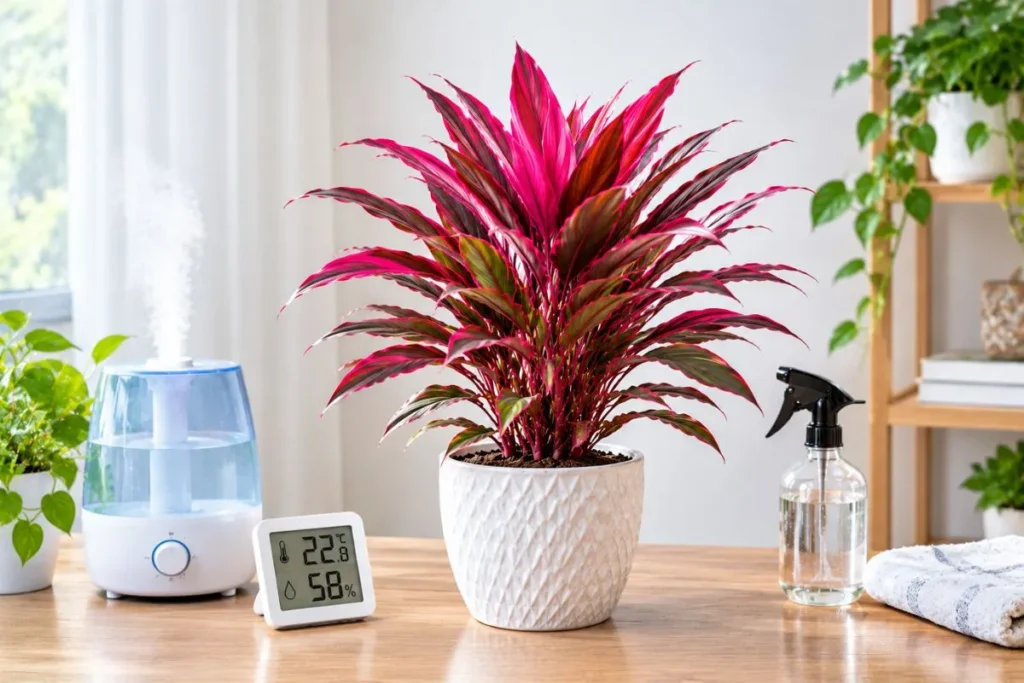
Keep your Cordyline in a comfortably warm room and protect it from cold drafts. If the air in your home is very dry, placing a humidifier nearby can help create more suitable conditions.
Avoid placing the plant directly beside a heater because warm, dry airflow may damage its foliage. Maintaining stable temperature and humidity is particularly helpful when growing tropical Cordyline plants indoors.
Keep Indoor Cordyline Leaves Clean
Cordyline leaves can collect dust over time, especially when the plant grows indoors. A layer of dust can make the foliage look dull and interfere with its natural appearance. Cleaning the leaves occasionally also gives you an opportunity to inspect them for pests, discoloration, and other signs of stress.
Use a soft, damp cloth to gently wipe each leaf, supporting it with your other hand to avoid tearing. Don’t use household cleaning products or leaf-shining chemicals, as they may damage the foliage.
Check the undersides of leaves for spider mites, scale insects, and mealybugs. If you notice pests, identify them and choose a suitable treatment before the infestation spreads to nearby houseplants.
Common Indoor Cordyline Care Mistakes
Even when you provide good care, a few common mistakes can affect your plant’s appearance. Understanding these problems helps you make small corrections before they become serious.
Overwatering: Keeping the soil constantly wet can deprive roots of oxygen and encourage root rot. Check soil moisture before watering and make sure the container drains properly.
Insufficient light: A Cordyline placed in a dark corner may grow slowly or lose some of its vibrant leaf color. Move it gradually to a brighter location with suitable indirect light.
Poor drainage: Decorative pots without drainage holes can trap excess water around the roots. Use a pot with drainage holes and empty the saucer after watering.
Unsuitable location: Cold drafts, direct heat, and sudden changes in temperature can stress the plant. Choose a stable indoor location that suits your Cordyline variety.
Ignoring early warning signs: Yellow leaves, brown tips, and drooping foliage may indicate problems with watering, light, temperature, or pests. Examine the plant carefully and correct the likely cause instead of immediately adding more water or fertilizer.
Frequently Asked Questions About Cordyline Plant Care
How Often Should You Water a Cordyline Plant?
Water your Cordyline when the top layer of soil begins to dry. Check the soil before adding more water. Avoid leaving the roots in soggy soil. Adjust watering according to temperature and season.
Does a Cordyline Plant Need Direct Sunlight?
Most Cordyline plants grow well in bright, indirect light. Some outdoor varieties tolerate gentle direct sunlight. Too much intense sun can scorch the leaves. Check your variety’s specific sunlight requirements.
Can You Grow Cordyline Plants Indoors?
Yes, Cordyline plants can grow indoors with suitable care. Place your plant near a bright window with indirect light. Maintain moderate humidity and avoid cold drafts. Use a pot with drainage holes to protect the roots.
What Is the Best Soil for Cordyline Plants?
Cordyline plants prefer well-draining soil that holds some moisture. A quality potting mix with added perlite can improve drainage. Avoid compacted soil that stays wet for too long. Choose a suitable mix for container-grown plants.
Why Are My Cordyline Plant Leaves Turning Yellow?
Yellow leaves may result from overwatering, poor drainage, or insufficient light. Check the soil moisture and inspect the roots if the problem continues. Remove badly damaged leaves with clean scissors. Adjust your care routine to prevent further yellowing.
Why Are My Cordyline Plant Leaves Turning Brown?
Brown leaf tips can develop from dry air, inconsistent watering, or mineral buildup. Intense sunlight may also scorch the foliage. Check the growing conditions and use suitable water when possible. Trim dry edges carefully if needed.
Can Cordyline Plants Survive Winter Outdoors?
Some Cordyline varieties tolerate cool weather better than others. Frost can damage tender varieties and young plants. Move container plants indoors when temperatures become too cold. Protect outdoor plants according to their variety’s cold tolerance.
How Do You Propagate a Cordyline Plant?
Cordyline plants can often be propagated using healthy stem cuttings. Cut a suitable stem section with clean pruning tools. Place the cutting in an appropriate growing medium. Keep it warm and lightly moist while roots develop.
How Fast Do Cordyline Plants Grow?
Cordyline growth depends on the variety and growing conditions. Adequate light, suitable temperatures, and proper watering encourage healthy development. Growth may slow during colder months. Consistent care helps your plant grow steadily over time.
Are Cordyline Plants Easy to Care For?
Cordyline plants are manageable when their basic needs are met. They need suitable light, well-draining soil, and balanced watering. Avoid overwatering and protect tender varieties from cold. Regular checks help prevent common problems.
How Do You Care for a Red Cordyline Plant?
Red Cordyline plants need suitable light to maintain their colorful foliage. Provide bright light while protecting leaves from harsh sunlight when necessary. Water when the topsoil begins to dry. Feed lightly during active growth according to the product instructions.
Can You Grow Cordyline Plants in Pots?
Yes, Cordyline plants grow well in pots with adequate drainage. Choose a container that gives the roots enough room to develop. Use a well-draining potting mix and avoid oversized containers. Repot when the plant becomes root-bound.
Conclusion:
Cordyline Plant Care is not as difficult as it may seem when you understand what your plant needs to grow well. These beautiful plants are known for their colorful leaves, attractive shapes, and ability to brighten indoor spaces and outdoor gardens.
By providing the right amount of sunlight, watering when needed, and using well-draining soil, you can help your Cordyline stay healthy and maintain its natural beauty.
Whether you grow a red Cordyline, a Hawaiian ti plant, or another popular variety, choosing the right location makes a big difference. Indoor plants generally benefit from bright, indirect light, while outdoor plants need conditions suited to their specific variety.
Pay attention to temperature, humidity, and seasonal changes to keep your plant comfortable throughout the year.
Remember that overwatering, poor drainage, excessive fertilizer, and unsuitable sunlight can lead to common Cordyline plant problems. Check the leaves regularly, remove damaged foliage, and repot your plant when necessary.
If you notice yellow leaves, brown tips, or drooping foliage, review your care routine and make adjustments before the problem becomes more serious.
With patience and consistent attention, even beginners can successfully grow and maintain a beautiful Cordyline plant. Follow these Cordyline Plant Care tips to encourage healthy growth, protect colorful foliage, and enjoy an attractive plant in your home or garden for years to come.

Plant Nest Blog’s author is passionate about plants, gardening, and sustainable living. Through research and practical experience, they share helpful plant care tips, gardening guides, and easy solutions to help readers grow healthier plants and create greener spaces.