
A common idea is that simply hanging a few plants around the patio will make mosquitoes disappear. That is not quite true. Hanging plants that keep mosquitoes away can be a useful part of a natural mosquito-control setup, but they should not be treated as a complete solution.
Some aromatic plants may help discourage mosquitoes because of their strong scents, while factors like standing water, plant health, and placement also matter.
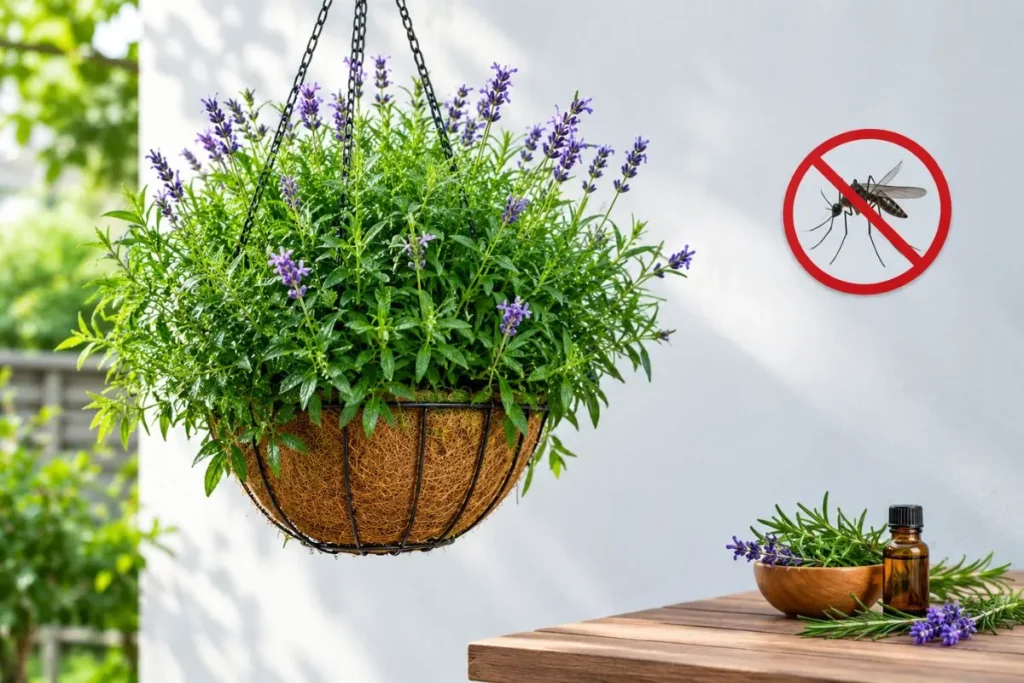
If you want a greener way to make your outdoor space more comfortable, mosquito repellent hanging plants are worth considering. Fragrant herbs, flowers, and foliage can add beauty while potentially helping reduce mosquito activity around balconies, porches, patios, and other outdoor areas. The key is choosing suitable plants and placing them where you actually spend time.
How Do Hanging Plants Help Keep Mosquitoes Away?
Hanging plants do not work like a magic mosquito spray, and simply placing one plant outside will not make every mosquito disappear. The common idea that hanging plants that keep mosquitoes away can completely eliminate mosquitoes is misleading.
Their main value comes from certain aromatic leaves, flowers, and natural plant compounds that may help make an area less attractive to mosquitoes.
How Aromatic Plants May Discourage Mosquitoes
Many natural mosquito repellent plants have strong scents that come from aromatic compounds in their leaves and flowers. Lavender, rosemary, mint, basil, citronella-scented geraniums, and similar plants are popular choices because of these noticeable fragrances.
When these plants grow near a balcony, porch, patio, or outdoor seating area, their scent can add another layer to your mosquito-control routine. This is why fragrant plants that repel mosquitoes are often chosen for hanging baskets and containers.
Why Plant Fragrance Matters
Mosquitoes use different sensory cues to locate people, including odors and carbon dioxide. Strong plant fragrances may interfere with or change the scent environment around an area, although the effect of a living plant is generally much weaker than that of a concentrated repellent.
That is why it is better to think of mosquito repelling plants as a helpful garden feature rather than a guaranteed mosquito barrier. Keeping plants healthy and placing them close to the areas you use can make their presence more practical.
Living Plants vs. Concentrated Plant Oils
There is an important difference between growing a mosquito-repelling plant and using a concentrated plant extract or formulated repellent. A healthy plant releases fragrance naturally, but the amount and concentration can vary depending on the plant, weather, sunlight, and growing conditions.
So, if you are looking for natural ways to repel mosquitoes, do not assume that every plant will provide the same effect as a tested repellent product. Hanging plants can complement other mosquito-control methods, but they should not replace them completely.
Why Placement Makes a Difference
Where you hang your plants matters. A mosquito repellent hanging plant placed far away from your patio may have little practical value where you actually sit. Instead, consider placing suitable hanging baskets around outdoor seating areas, balconies, porches, or other frequently used spaces.
For example, hanging plants that repel mosquitoes on a patio can be positioned around the edges of the sitting area without blocking movement. You can also combine several aromatic plants to create a more fragrant outdoor space.
Healthy Plants Are More Useful
A weak, damaged, or poorly maintained plant may not produce the same healthy foliage and fragrance as a thriving one. Give your plants the light, water, drainage, and growing space they need.
This is especially important when growing mosquito repellent container plants. Regular pruning, proper watering, and suitable sunlight can help keep aromatic herbs and flowering plants vigorous throughout the growing season.
Use Plants as Part of Natural Mosquito Control
The most practical approach is to combine plants that keep mosquitoes away with other simple habits. Remove standing water from pots, buckets, trays, and other containers because mosquitoes can use stagnant water as breeding sites.
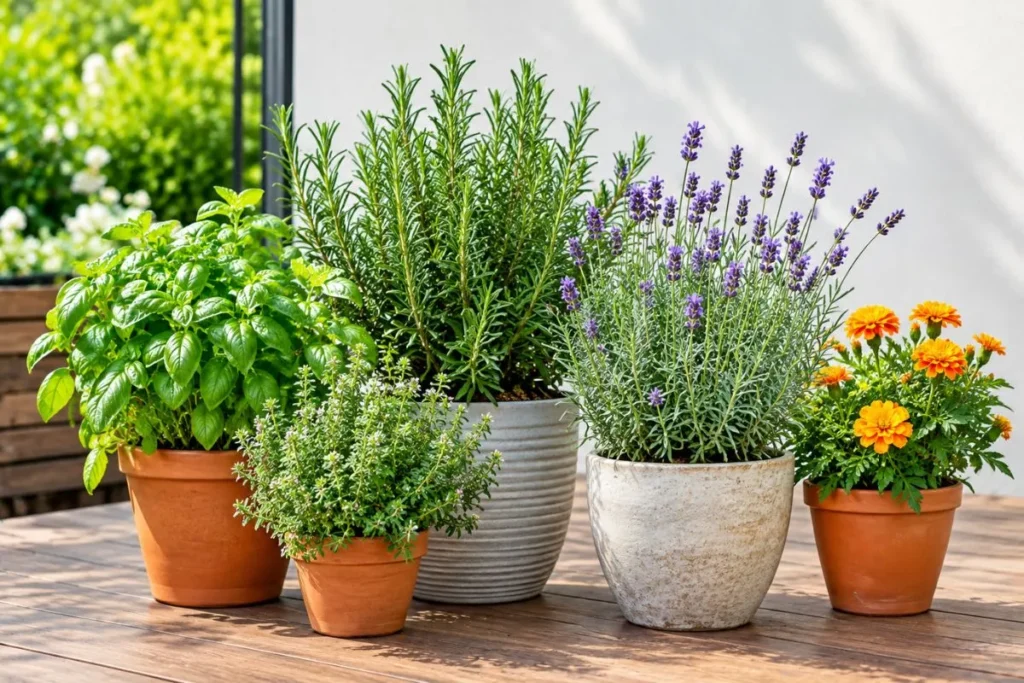
You can also use window screens, outdoor fans, appropriate clothing, and proven mosquito repellents when needed. In other words, hanging plants for mosquito control can add beauty and fragrance while supporting a broader strategy rather than acting as a stand-alone solution.
Best Hanging Plants That Keep Mosquitoes Away
Many people assume that all plants with a strong smell will automatically keep mosquitoes away. That is not quite how it works.
Hanging plants that keep mosquitoes away can be a useful addition to your outdoor space, but each plant has different growing needs and its mosquito-repelling potential can vary.
The best approach is to choose aromatic plants that thrive in your conditions and grow well in containers or hanging baskets.
Lavender
Lavender is one of the most popular fragrant plants that repel mosquitoes and makes a beautiful choice for hanging baskets. Its purple flowers and pleasant herbal scent can add a fresh look to a balcony, porch, or patio.
Give lavender plenty of sunlight and use well-draining soil. Avoid keeping the roots constantly wet. A sunny hanging basket with good airflow can help lavender stay healthy and produce plenty of fragrant growth.
Citronella Geranium
Citronella geranium is often confused with true citronella grass, but they are different plants. It is valued for its citrus-like fragrance and is commonly included among mosquito repellent hanging plants.
This plant prefers plenty of sunlight and well-drained soil. A hanging container also gives its foliage enough space to grow without taking up valuable floor space. Keep it near a seating area where its fragrance can be appreciated.
Mint
Mint is a strong-smelling herb that can fit nicely into a hanging basket. Its fresh aroma makes it a popular choice among people looking for mosquito repellent herbs.
Mint grows quickly and can spread aggressively when planted directly in the garden. Growing it in a container helps keep its roots contained. Give it regular moisture and bright light, while avoiding soil that stays soggy.
Basil
Basil is another practical choice because you can enjoy its leaves in the kitchen while adding aromatic greenery to your outdoor space. Its distinctive scent makes it one of the herbs that repel mosquitoes commonly grown around patios and balconies.
Basil likes warmth, sunlight, and regular watering. Pinching off flower buds can also encourage fuller leafy growth. A hanging basket near a sunny outdoor area can make basil both attractive and useful.
Rosemary
Rosemary has a strong, woody fragrance and narrow evergreen-like leaves. It is a great option if you want an aromatic plant that also looks attractive in a container.
For rosemary plants for mosquitoes, focus first on good growing conditions. Rosemary prefers plenty of sunlight and soil that drains quickly. Let the soil dry slightly between waterings rather than keeping it constantly damp.
Lemongrass
Lemongrass has a fresh citrus fragrance and is widely recognized as a plant associated with mosquito control. Its tall, grass-like leaves can create an interesting texture in a large hanging or elevated container.
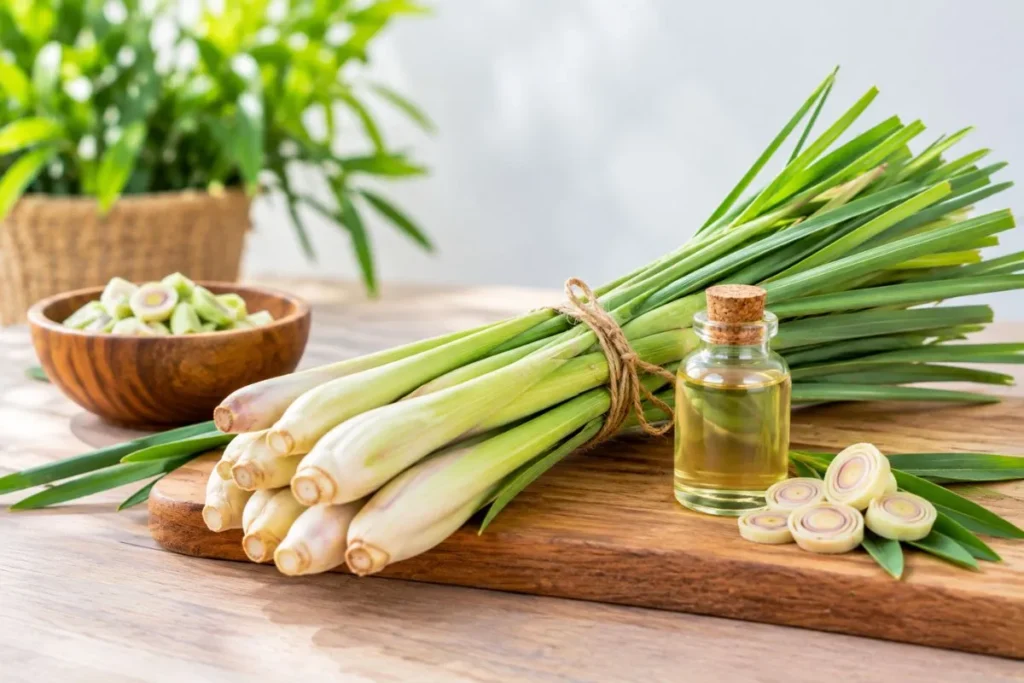
When growing lemongrass for mosquitoes, provide warmth, sunlight, regular moisture, and enough room for the plant to develop. It can become fairly large, so choose a sturdy container that can support its growth.
Marigolds
Marigolds bring bright flowers and a distinctive scent to outdoor spaces. They are often included in gardens designed for natural insect management.
For marigolds for mosquito control, choose a sunny location and use soil with good drainage. Deadheading faded flowers can encourage continued blooming and keep the plant looking neat in a hanging basket.
Catnip
Catnip is another aromatic herb that has attracted attention for its potential mosquito-repelling properties. Its soft foliage also makes it an interesting addition to a container garden.
If you grow catnip as a catnip mosquito repellent, remember that cats may be strongly attracted to the plant. Place the hanging basket somewhere safe and secure if you have curious pets.
Lemon Balm
Lemon balm produces a pleasant lemon-like fragrance when its leaves are touched or crushed. It grows well in containers and can add a fresh scent to an outdoor space.
Because lemon balm can spread quickly, a hanging basket is a convenient way to keep it contained. Give it bright light and regular watering, while allowing excess water to drain away.
Scented Geranium
Scented geraniums come in several fragrant varieties, including types with citrus, rose, or mint-like aromas. Their attractive leaves make them especially suitable for decorative hanging baskets.
Choose a sunny position and avoid excessive moisture around the roots. Regular trimming can help maintain a compact shape and encourage fresh growth.
Pennyroyal
Pennyroyal is a strongly aromatic herb that has a long history of traditional use. Its scent makes it an interesting option for an aromatic garden.
However, this is one plant where caution matters. Pennyroyal oil can be toxic, particularly when taken internally, so it should not be treated like an ordinary culinary herb. If you grow it, keep it away from children and pets and avoid using concentrated pennyroyal oil casually.
Sage
Sage has thick, aromatic leaves and a naturally strong scent. It can work well in a container when given plenty of sunlight and excellent drainage.
As one of the aromatic plants for mosquito control, sage can add both texture and fragrance to an outdoor hanging garden. Avoid overwatering because consistently wet soil can damage its roots.
Thyme
Thyme is compact, fragrant, and easy to grow when given the right conditions. Its small leaves make it a good option when you want a hanging plant without a large amount of foliage.
It prefers sunlight and well-drained soil. Letting the soil dry slightly between waterings can help prevent problems caused by excessive moisture.
Lemon Thyme
Lemon thyme combines the compact growth of thyme with a fresh citrus-like scent. Its trailing habit can look particularly attractive when allowed to spill over the edge of a hanging basket.
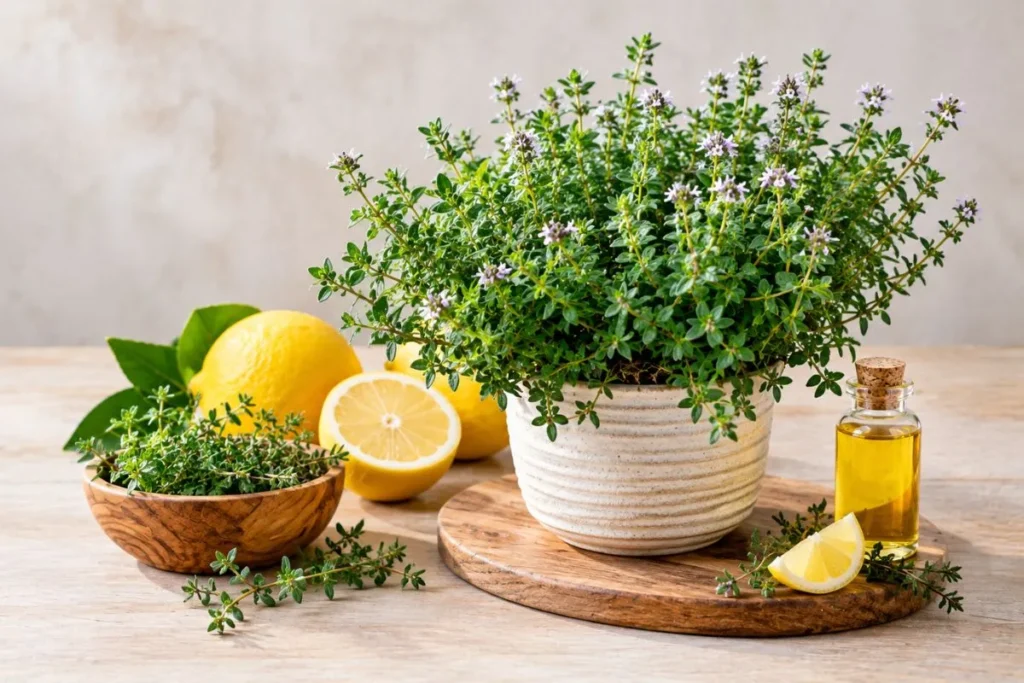
Use a lightweight but well-draining potting mix and place the basket somewhere with plenty of sunlight. Occasional trimming helps maintain a tidy shape.
3.15 Oregano
Oregano is another aromatic herb that can grow happily in containers. Its small leaves and trailing growth can make it a useful choice for a hanging basket.
It prefers warm conditions, good sunlight, and well-drained soil. Avoid excessive watering, especially if the container does not dry quickly.
Eucalyptus
Eucalyptus is known for its distinctive aromatic foliage. Some varieties can be grown in containers when their size is managed carefully.
If you are considering eucalyptus as an insect repellent plant, choose a suitable container-grown variety and give it plenty of light. Remember that growing eucalyptus is not the same as using a concentrated eucalyptus-based repellent.
Lemon Verbena
Lemon verbena produces a strong lemony fragrance and attractive green foliage. Its fresh scent makes it appealing for people who want fragrant hanging basket plants.
It needs good sunlight and well-drained soil. Regular pruning can encourage fresh growth and help prevent the plant from becoming too leggy.
Nasturtium
Nasturtium is a useful bonus choice for hanging baskets because of its naturally trailing growth. Its colorful flowers can spill beautifully over the sides of a container.
It is especially useful when your priority is combining an attractive flowering plant with a broader insect-friendly garden. Give it suitable sunlight and avoid excessive fertilizer, which can encourage too much foliage at the expense of flowers.
How to Choose From These Mosquito-Repelling Plants
You do not need to grow all of these plants. Start with two or three that match your space, climate, and available sunlight. For a sunny balcony, aromatic herbs such as rosemary, thyme, basil, or lavender may be practical choices.
For a decorative porch, scented geraniums, marigolds, or nasturtiums can add more visual interest.
The main goal is to create a healthy collection of mosquito repellent plants in pots or hanging baskets that fits naturally into your outdoor space. Good plant care matters just as much as the plant variety you choose.
Best Hanging Plants That Repel Mosquitoes by Location
A common mistake is thinking that the same hanging plant will work equally well everywhere. It won’t. Hanging plants that keep mosquitoes away need suitable light, temperature, airflow, and watering conditions to stay healthy.
Your balcony, patio, porch, and indoor space can have very different conditions, so choosing the right plant for the right location is more useful than simply picking the most popular variety.
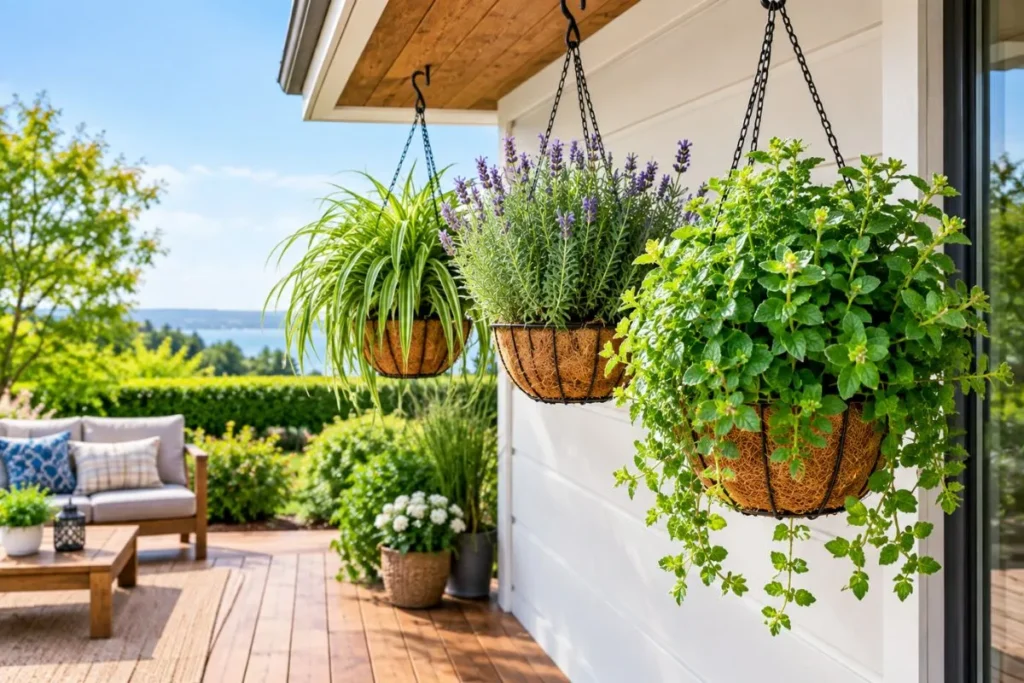
Best Hanging Plants for a Balcony
Balconies are ideal for mosquito repellent plants for balcony spaces because hanging baskets can add greenery without taking up much floor space. If your balcony gets several hours of direct sunlight, lavender, rosemary, basil, thyme, marigolds, and scented geraniums can be practical choices.
For a smaller or partly shaded balcony, check the plant’s light requirements before buying it. Place hanging baskets near the area where you sit rather than at the far end of the balcony. This makes your hanging plants that repel mosquitoes part of the space you actually use.
A balcony can also become quite hot, especially when surrounded by concrete walls. Check the soil regularly during warm weather and make sure excess water can drain freely.
Best Hanging Plants for a Patio
A patio gives you more room to create a small collection of mosquito repellent hanging plants. Instead of relying on one basket, you can arrange several aromatic plants around the edges of your seating area.
Lavender, rosemary, basil, mint, lemon balm, and scented geraniums can add fragrance and greenery. If you want more color, marigolds and nasturtiums can complement leafy herbs.
When choosing hanging plants that repel mosquitoes on a patio, think about the amount of sunlight your patio receives. A sunny patio gives you more choices, while a shaded patio may require plants that tolerate lower light.
Best Hanging Plants for a Porch
A porch is another useful location because it often sits directly beside an entrance or outdoor sitting area. Hanging baskets can brighten the space while keeping plants off the ground.
For a sunny porch, consider lavender, rosemary, thyme, basil, or scented geraniums. If your porch receives less direct sunlight, check the specific light requirements of each plant before choosing it.
The best hanging plants that keep mosquitoes away from porch areas are not necessarily the largest ones. Compact plants are often easier to maintain and less likely to block doors, windows, lights, or walking paths.
Best Hanging Plants for Outdoor Spaces
If you have a larger outdoor area, you can combine several outdoor hanging plants that repel mosquitoes instead of placing everything in one location.
Try creating small groups around the places where people spend time. One group could hang near an outdoor table, another near a porch chair, and another around a balcony or garden entrance.
This approach also gives your space more visual variety. Mix flowering plants with aromatic herbs rather than making every hanging basket look identical.
Keep the baskets high enough that they do not interfere with movement. At the same time, avoid placing them so far away that they have no practical connection to the area you want to enjoy.
Best Indoor Hanging Plants
Indoor spaces require a little more care because many popular mosquito repellent plants prefer strong sunlight and good airflow. A plant that thrives outdoors may struggle inside a dim room.
If you want indoor hanging plants that keep mosquitoes away, first identify the brightest suitable location. A sunny window can work for some aromatic plants, while a dark corner may not provide enough light.
Also remember that indoor plants should not be expected to eliminate mosquitoes. If mosquitoes are appearing inside your home, look for possible entry points and standing water sources as well.
Best Plants for a Mosquito-Prone Seating Area
Your seating area should be the main focus when arranging plants for mosquito-free patio spaces. Rather than spreading plants randomly throughout the garden, place suitable hanging baskets around chairs, tables, porches, or other areas where you spend time.
This is especially useful when you have limited space. Even a small balcony can benefit from a few carefully positioned fragrant hanging basket plants.
Choose plants that can handle the conditions around your seating area. If the location receives strong afternoon sun, use sun-loving varieties. If it stays cooler and shaded, select plants that can tolerate those conditions.
How to Match Plants With Your Location
Before choosing your hanging baskets, look at four simple things: sunlight, heat, airflow, and available space.
A bright sunny balcony may suit rosemary or lavender. A warm patio can support several aromatic herbs. A decorative porch may benefit from scented geraniums or flowering plants. An indoor location needs extra attention to light and ventilation.
This simple matching process helps you get more from your hanging plants for mosquito control. Healthy plants are easier to maintain, look better, and are more likely to provide the fragrance you want from an aromatic garden.
Frequently Asked Questions About Hanging Plants That Keep Mosquitoes Away
What are the best hanging plants that keep mosquitoes away?
Some popular choices include lavender, rosemary, basil, mint, thyme, scented geranium, lemongrass, and marigolds. The right choice depends on your sunlight, climate, available space, and how much care you want to provide.
These plants can complement a broader mosquito-control routine rather than replace proven repellents.
Which hanging plants repel mosquitoes naturally?
Aromatic plants such as lavender, rosemary, basil, mint, and citronella-scented geranium are commonly grown for their strong fragrances. They can make attractive mosquito repellent hanging plants for patios, balconies, and porches.
Do hanging plants really keep mosquitoes away?
They may help, but they should not be expected to create a completely mosquito-free area. A living plant produces much less concentrated fragrance than a formulated repellent. For better results, combine plants with other practical mosquito-control steps.
What is the best hanging plant for a mosquito-prone patio?
There is no single plant that works best for every patio. Lavender, rosemary, basil, scented geranium, and thyme can all be considered depending on sunlight and growing conditions. Choose plants that can stay healthy in your particular patio environment.
Which hanging plants are best for a balcony?
For a sunny balcony, lavender, rosemary, basil, thyme, and marigolds can be useful choices. If your balcony receives limited sunlight, check each plant’s light requirements before buying it. Mosquito repellent plants for balcony spaces should also be compact enough to avoid crowding.
Can indoor hanging plants keep mosquitoes away?
Indoor plants may add fragrance, but they should not be considered a complete indoor mosquito-control method. Many aromatic plants need strong light, so growing them indoors can be challenging unless you have a bright window or suitable supplemental lighting.
What is the best mosquito-repelling hanging plant?
The best choice depends on your growing conditions. Lavender, rosemary, mint, basil, and scented geranium are popular options because they are aromatic and can grow in containers. Consider sunlight, watering needs, and container size before choosing one.
Do citronella plants really repel mosquitoes?
Citronella-scented plants are commonly marketed as mosquito-repelling plants, but growing a citronella-scented plant is not the same as using concentrated citronella oil or a tested mosquito repellent. Treat these plants as one part of a larger outdoor mosquito-control approach.
Does lavender keep mosquitoes away?
Lavender has a strong fragrance and is commonly included among plants associated with mosquito control. It also works well in containers and hanging baskets when given plenty of sunlight and well-drained soil.
Does mint repel mosquitoes?
Mint has a strong aroma and is often grown as one of the mosquito repellent herbs. It can grow quickly, so keeping it in a container or hanging basket helps prevent it from spreading throughout your garden.
Does basil help keep mosquitoes away?
Basil has aromatic foliage and is frequently included among herbs used for natural insect management. It also gives you a useful culinary herb. Keep basil warm, provide plenty of light, and water it when the soil begins to dry.
Does rosemary repel mosquitoes?
Rosemary has strongly scented leaves and is a popular choice for aromatic gardens. It can work well in a hanging container if it receives plenty of sunlight and has excellent drainage.
What plants repel mosquitoes in a hanging basket?
Lavender, rosemary, basil, mint, thyme, scented geranium, lemon balm, and some marigold varieties can be grown in containers or hanging baskets. Choose according to your space rather than trying to grow every option.
How many mosquito-repellent plants should I use?
There is no fixed number that guarantees mosquito protection. Start with a few healthy plants around the areas where you spend the most time. Several well-maintained baskets positioned around a seating area may be more practical than putting many plants in one crowded location.
Where should I place hanging plants to keep mosquitoes away?
Place them around patios, balconies, porches, and outdoor seating areas where you actually spend time. Keep the baskets secure and make sure they receive the light and airflow required by the plant. Also check nearby containers and saucers for standing water, since plants alone cannot solve a mosquito problem.
Conclusion:
There is no single plant that can guarantee a mosquito-free outdoor area. The best hanging plants that keep mosquitoes away are the ones that suit your climate, sunlight, container size, and daily care routine.
Lavender, rosemary, basil, mint, thyme, scented geranium, and other aromatic plants can add fragrance and greenery while becoming part of a broader mosquito-control approach.
Before choosing your plants, think about where you will hang them and how much sunlight they will receive. Keep the plants healthy, avoid overwatering, and remove standing water from nearby containers.
With the right combination of mosquito repellent hanging plants and simple prevention habits, you can create a greener, more comfortable space for relaxing outdoors.

Plant Nest Blog’s author is passionate about plants, gardening, and sustainable living. Through research and practical experience, they share helpful plant care tips, gardening guides, and easy solutions to help readers grow healthier plants and create greener spaces.