
Many gardeners believe that planting coneflower seeds is difficult and that you need special gardening skills to get them growing. That is not really true. Coneflowers are quite beginner-friendly when you give the seeds the right conditions.
With good soil, suitable moisture, and enough light, planting coneflower seeds can be a simple way to add colorful, long-lasting flowers to your garden.
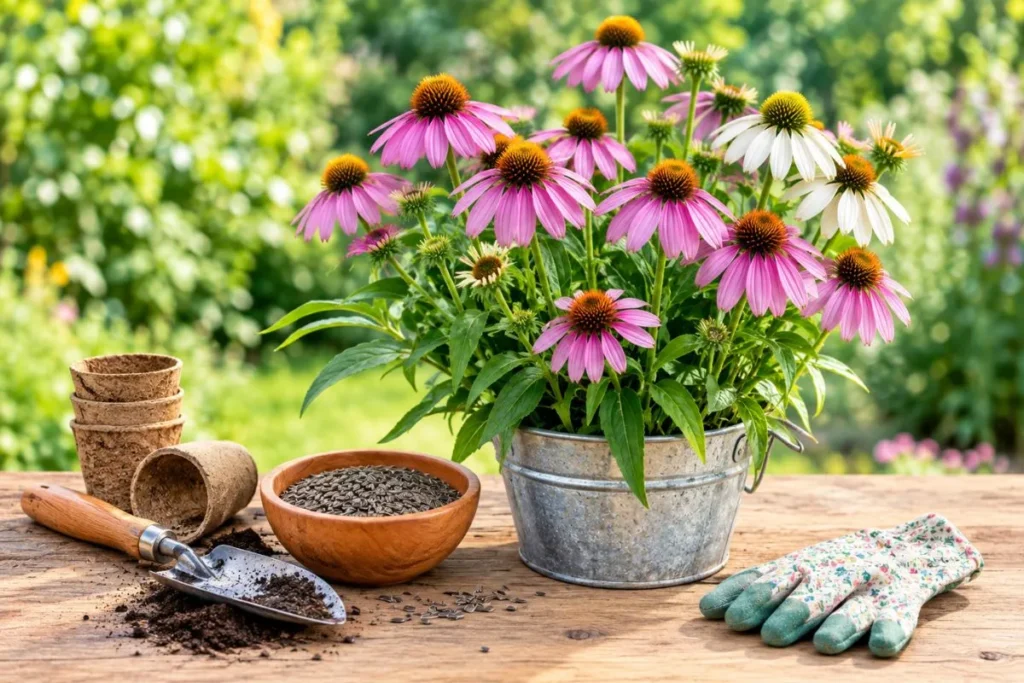
If you are interested in growing coneflowers from seed, patience is the biggest thing to remember. Coneflower seeds may take some time to germinate and develop into strong plants, but the process is rewarding.
Whether you are growing echinacea seeds, purple coneflower seeds, or another coneflower variety, starting from seed lets you grow attractive perennial flowers while creating a welcoming space for pollinators.
What Are Coneflowers?
Understanding the Coneflower Plant
Coneflowers are hardy flowering plants in the Echinacea group. They are popular in home gardens because they produce cheerful, daisy-like flowers and can handle a range of growing conditions once established.
Their upright stems and colorful blooms also make them useful for borders, cottage gardens, and natural-looking flower beds.
If you are growing coneflowers from seed, you are usually starting a perennial plant that can return for several growing seasons. This makes coneflowers a practical choice when you want lasting color instead of planting new annual flowers every year.
What Is Echinacea Purpurea?
Echinacea purpurea, often called purple coneflower, is one of the most familiar coneflower species. It has pinkish-purple petals that surround a raised central cone. The flower shape is easy to recognize, especially when the plant is in full bloom.
Because echinacea purpurea seeds are widely available, this variety is a common choice for gardeners who want to try planting echinacea seeds at home. Its attractive flowers can also give a garden a more natural and colorful appearance.
Why Are Purple Coneflowers Popular?
Purple coneflowers are popular for more than their appearance. They can fit nicely into perennial beds, mixed borders, and wildlife-friendly gardens. Their sturdy growth habit also makes them appealing to gardeners who prefer plants that do not need constant fussing.
For someone new to purple coneflower growing, the plant can be a rewarding choice. With the right growing conditions, it can develop into a strong garden plant and produce flowers that add plenty of visual interest.
Coneflowers as Perennial Garden Plants
One important feature of coneflowers is that many types are perennials. Instead of completing their entire life cycle in one season, established plants can grow again in following years.
This makes a coneflower garden useful for gardeners who want a more permanent planting area. Once the plants become established, their seasonal growth can become part of the garden’s normal rhythm, returning year after year with suitable care.
Coneflowers and Pollinator Gardens
Coneflowers are also useful when creating a pollinator garden. Their open flower shape provides a convenient landing area for visiting insects, including bees and butterflies.
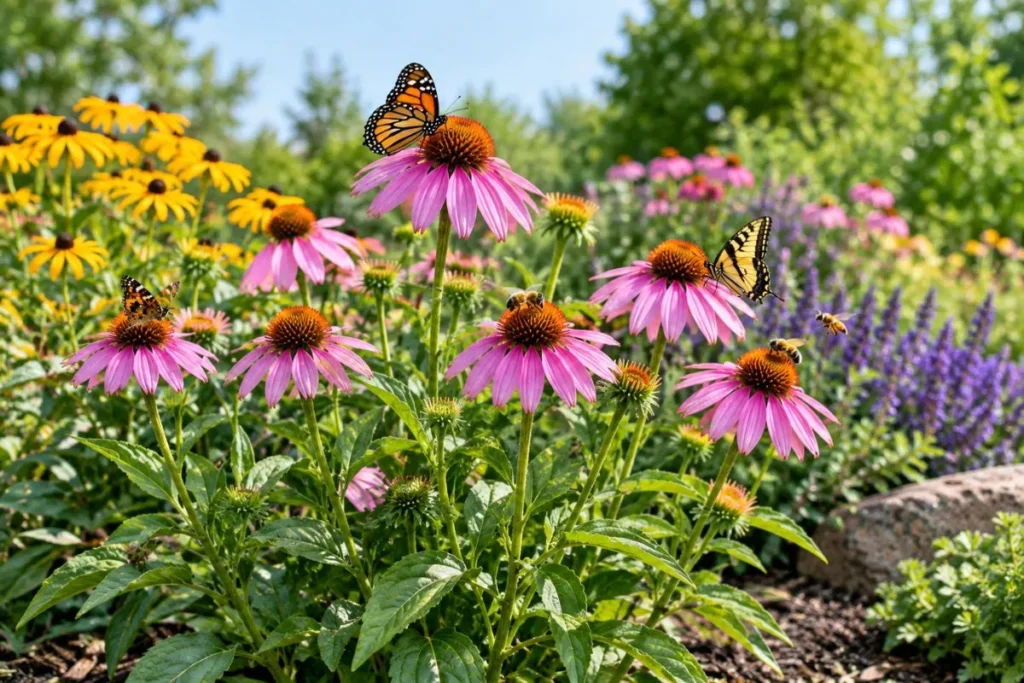
Adding coneflowers alongside other flowering plants can create a more varied garden environment. If your goal is to grow flowers that are attractive to people and useful to pollinators, coneflowers are a natural option to consider.
Are Coneflowers Drought Tolerant?
Established coneflowers are generally known for handling periods of relatively dry conditions better than many plants that need consistently moist soil. However, that does not mean newly planted seeds or young seedlings should be allowed to dry out.
During the early stages of growing echinacea, consistent moisture is especially important. Once the plants develop a stronger root system, they can usually cope with drier periods more effectively when grown in suitable soil and light conditions.
Why Grow Coneflowers From Seed?
Growing coneflowers from seed gives you the chance to experience the entire process, from a tiny seed to a mature flowering plant. It can also be an economical way to grow several plants when compared with purchasing mature specimens.
For gardeners interested in easy perennial flowers from seed, coneflowers are worth adding to the list. The key is to understand their needs before you begin, so your seeds have a good environment for germination and early growth.
When Is the Best Time for Planting Coneflower Seeds?
Many gardeners assume that there is one exact date for planting coneflower seeds, but that is not really the case. The right planting time depends on your local climate, winter temperatures, and whether you plan to sow the seeds outdoors or start them indoors.
Instead of following a fixed calendar date, think about the growing conditions your seeds will receive.
Planting Coneflower Seeds in Spring
Spring is a popular time for planting coneflower seeds, especially when the danger of severe cold has passed. As the soil begins to warm, gardeners can prepare their planting area and sow seeds directly outdoors.
Early spring can work well in regions with mild weather, while gardeners in colder areas may need to wait until the soil is workable and harsh freezing conditions have passed. Check your local weather pattern rather than relying only on a specific month.
Spring planting is also useful if you want to watch the seeds develop during the active growing season. Keep the seedbed from drying out while the seeds are getting established, and give the young plants enough time to develop before hot weather arrives.
Planting Coneflower Seeds in Fall
Fall can also be a useful season for planting coneflower seeds outdoors. In nature, mature plants drop seeds toward the end of the growing season, so fall sowing can fit the plant’s natural growth cycle.
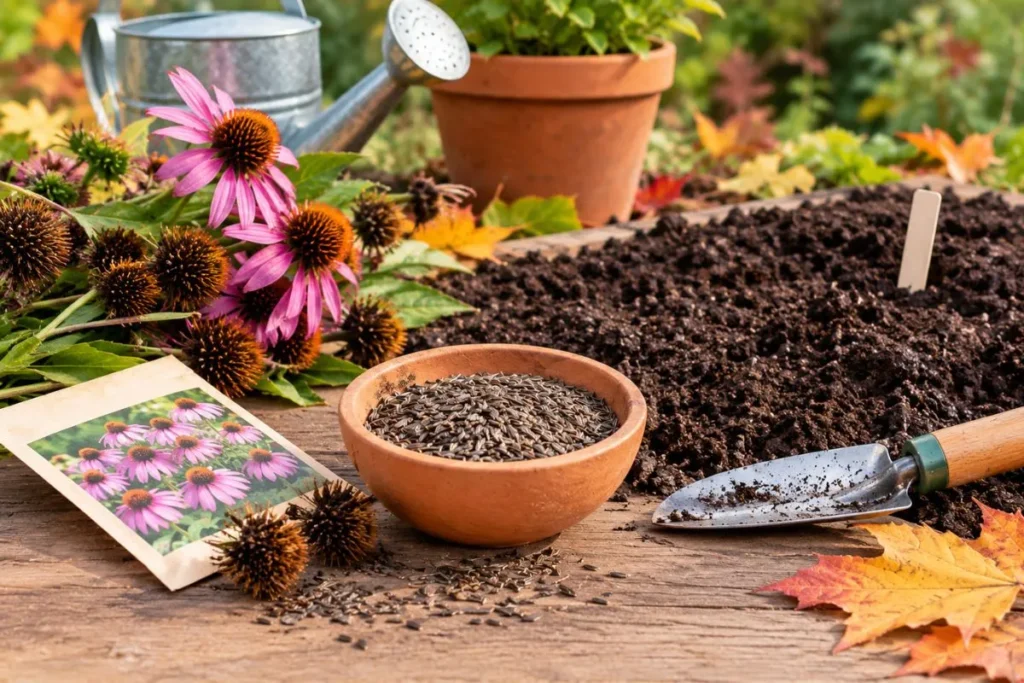
The cooler months can provide the seeds with a natural period of cold exposure. This is one reason some gardeners choose fall for direct sowing rather than trying to recreate winter conditions indoors.
The main advantage is that you can prepare the planting area before winter and allow the seeds to experience seasonal conditions naturally. However, avoid sowing so early that warm weather encourages premature growth.
When to Plant Coneflower Seeds in Cold Climates
If you live in a region with cold winters, timing becomes especially important. You want to give the seeds the seasonal conditions they need without exposing emerging seedlings to damaging weather.
For cold-climate gardeners, fall sowing can provide natural cold exposure, while spring sowing gives you more control over the growing period. Your local frost pattern should guide the final decision.
If you are asking, “When is the best time for planting coneflower seeds?”, the practical answer is to choose a period that matches your local seasonal conditions rather than copying a planting date from another region.
When to Plant Coneflower Seeds in Mild Climates
Gardeners in mild climates often have more flexibility. Since winters may not be extremely cold, fall and early-season sowing can both be possible depending on local conditions.
A mild winter can also change how seeds experience natural cold. If you are unsure about outdoor timing, starting a small batch and observing how the seeds respond can help you learn what works in your garden.
The important point is to avoid planting during periods of extreme heat or conditions that could quickly dry out the seedbed.
Should You Start Coneflower Seeds Indoors?
Starting coneflower seeds indoors can be helpful when outdoor conditions are unpredictable or when you want greater control over the early stages of growth. You can manage moisture, temperature, and light more closely in an indoor setup.
However, indoor seed starting is not the only option. Direct sowing coneflower seeds outdoors can also work well when the timing and conditions are suitable.
If you choose indoor coneflower seed starting, give the young seedlings enough light and avoid keeping their growing medium excessively wet. Once they are strong enough and outdoor conditions are suitable, they can be moved into the garden carefully.
Spring vs. Fall: Which Planting Time Should You Choose?
Both seasons have their place in a coneflower planting guide. Spring gives you more control over the growing period and is convenient for gardeners who want to monitor germination closely. Fall allows seeds to experience natural seasonal conditions outdoors.
Your choice can depend on your climate, available garden space, and preferred gardening method. There is no need to force one method if another fits your conditions better.
For growing coneflowers from seed, good timing simply means giving the seeds a suitable environment at the right point in your local growing cycle.
How Local Weather Affects Coneflower Seed Planting
Weather can have a bigger effect than the calendar. Sudden temperature changes, heavy rainfall, prolonged drought, and unexpected frost can all influence young seeds and seedlings.
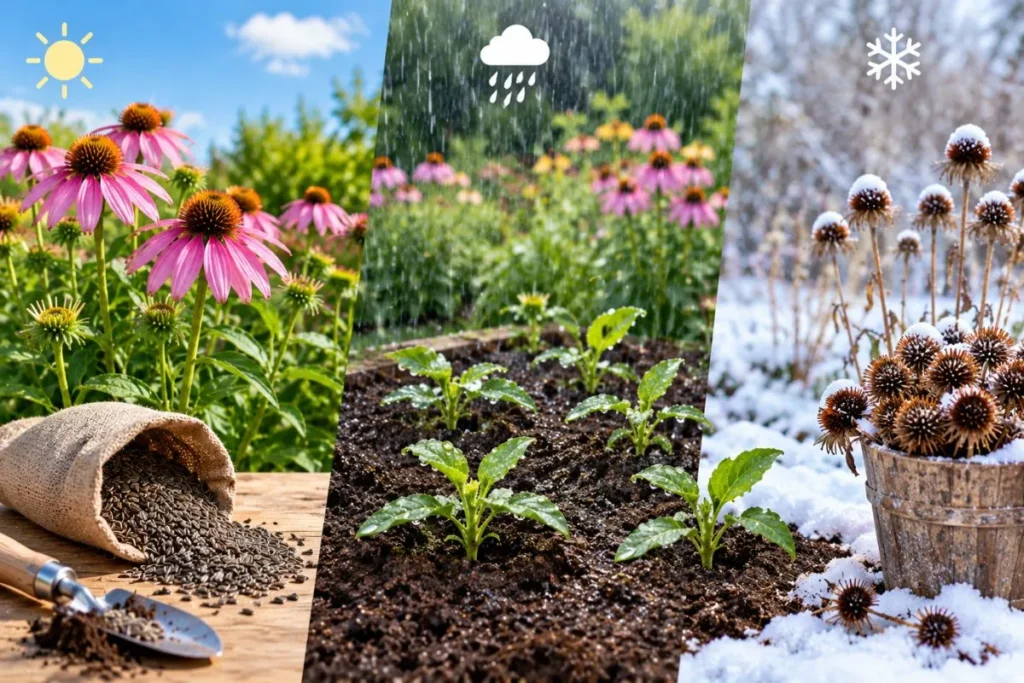
Before planting echinacea seeds, look at the upcoming weather and consider whether the soil will remain reasonably moist and workable. A short period of stable conditions can be more useful than planting simply because the calendar says it is time.
The Best Planting Time Depends on Your Goal
If your goal is simple outdoor sowing, direct sowing coneflower seeds during a suitable spring or fall period can be a practical approach. If you want more control over early growth, starting seeds indoors may suit you better.
Either way, successful planting coneflower seeds comes down to matching your planting method with your local climate. Once you understand that, choosing the right time becomes much easier.
Should You Start Coneflower Seeds Indoors or Outdoors?
Many gardeners think starting coneflower seeds indoors is always better because you can control everything. That is not necessarily true. Coneflowers can also grow from seeds sown directly in the garden when outdoor conditions are suitable.
The better choice depends on your climate, timing, available space, and how much control you want during the early stages of growth.
Starting Coneflower Seeds Indoors
Indoor coneflower seed starting gives you a head start when outdoor conditions are not yet suitable. You can sow the seeds in small containers or seed trays and keep them in a protected environment while they begin developing.
This method lets you watch moisture, temperature, and light more closely. It can be especially useful when your outdoor growing season is short or unpredictable.
When starting coneflower seeds indoors, use a clean container with drainage holes and a suitable seed-starting medium. Place the seeds according to their recommended depth, keep the medium appropriately moist, and provide enough light after seedlings emerge.
Benefits of Starting Coneflower Seeds Indoors
One major benefit of indoor seed starting is control. You are not relying completely on outdoor weather during the earliest stage of growth.
Indoor growing can also make it easier to notice problems early. If seedlings become too dry, crowded, or weak, you can adjust their conditions before they become established in the garden.
For gardeners searching for how to start coneflower seeds indoors, the basic idea is simple: provide a clean growing space, suitable moisture, good light, and enough room for young seedlings to develop.
Direct Sowing Coneflower Seeds Outdoors
Direct sowing coneflower seeds means placing the seeds straight into their permanent garden location instead of starting them in containers. This is a simple option when the outdoor conditions are appropriate.
It also avoids the need to move young plants later. The seeds can establish where you ultimately want the coneflowers to grow, which means there is less root disturbance from transplanting.
Before direct sowing, make sure the planting area is prepared and free from heavy weed competition. The soil should also have enough moisture to support the early stages of coneflower seed germination.
Benefits of Direct Sowing Coneflower Seeds
Direct sowing is convenient because there is no need to manage seed trays or indoor containers. Once the seeds are planted, you can monitor the garden bed and allow the seedlings to develop in their intended location.
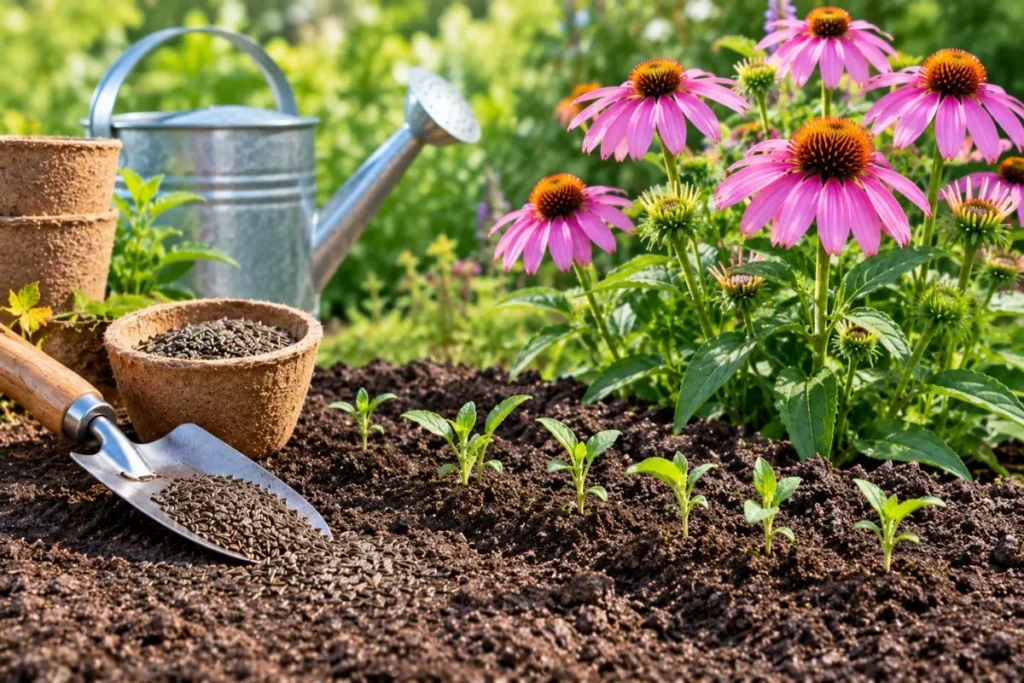
This approach can also be useful when you have enough garden space and your local weather provides suitable conditions for seed growth.
For gardeners who prefer a straightforward approach to planting coneflower seeds, direct sowing can be a practical method. It requires less handling and can fit naturally into an outdoor gardening routine.
Indoor Seed Starting vs. Direct Sowing
The two methods have different advantages.
Indoor seed starting gives you greater control over early growth. It can be useful when outdoor weather is unsuitable or when you want to begin growing before the garden is ready.
Direct sowing is simpler and reduces the need to transplant young plants. It works well when the garden already has suitable conditions for germination and early growth.
Neither method is automatically right for every gardener. Your local climate and growing conditions should guide the decision.
When Should You Start Coneflower Seeds Indoors?
The timing for indoor coneflower seed starting depends on your local growing season. Starting too early can leave seedlings growing in containers for longer than necessary, while starting too late may remove much of the advantage of growing them indoors.
The goal is to raise healthy young plants that can move outdoors when conditions are suitable. Watch your local weather and plan around the period when your garden can safely support young plants.
If you are learning how to start coneflower seeds indoors, focus less on a fixed calendar date and more on having healthy seedlings ready for outdoor conditions.
When Is Direct Sowing Better?
Direct sowing can be a good choice when your garden soil is ready and outdoor conditions are favorable. It is particularly convenient if you have a permanent flower bed where you want the coneflowers to establish.
It also works well for gardeners who prefer a low-intervention approach. Instead of growing seedlings in a protected area and moving them later, you allow the seeds to begin their growth in the garden itself.
4.8 What About Coneflower Seeds in Containers?
You can also grow coneflowers in containers during the early stages. Containers make it easier to control the growing medium and monitor individual seedlings.
However, seedlings grown in containers still need enough light and proper moisture. Once they become established, they may eventually need more space for their roots and should be moved carefully if you plan to grow them in the garden.
Which Method Is Better for Beginners?
For a beginner, either method can work. If you want a simple process and have suitable outdoor conditions, direct sowing coneflower seeds is easy to understand. If weather conditions are difficult to predict, indoor seed starting gives you more control.
The important thing is not to complicate the process. Choose the method that fits your garden and local conditions, then focus on giving the seeds and seedlings consistent care.
Final Takeaway: Indoors or Outdoors?
When deciding between coneflower seeds indoors and outdoor sowing, think about your growing conditions first. Indoor starting offers protection and control, while direct sowing keeps the process simple and avoids unnecessary transplanting.
Both methods can support successful growing coneflowers from seed. Choose the approach that makes sense for your climate, space, and gardening routine rather than assuming one method will work best for everyone.
Frequently Asked Questions About Planting Coneflower Seeds
How Do You Plant Coneflower Seeds?
To plant coneflower seeds, choose a suitable garden spot, prepare the soil, and sow the seeds at the proper depth. Keep the planting area evenly moist while the seeds begin to germinate. Good light, suitable soil, and patience are important during the early stages.
When Should I Plant Coneflower Seeds?
The best planting time depends on your local climate. Spring and fall can both be suitable for planting coneflower seeds when outdoor conditions are appropriate. Gardeners should consider local temperatures, frost patterns, and soil conditions instead of following one fixed date.
Do Coneflower Seeds Need Cold Stratification?
Some coneflower seeds can benefit from a period of cold, moist conditions before germination. This process is called cold stratification. Fall sowing can provide natural seasonal exposure, while gardeners who start seeds indoors may use a controlled method when appropriate.
How Deep Should Coneflower Seeds Be Planted?
Coneflower seeds should not be buried too deeply. They need suitable contact with the growing medium while remaining close enough to the surface for successful emergence. Always follow the depth guidance provided for your particular seed variety.
How Long Does It Take Coneflower Seeds to Germinate?
Germination time can vary depending on seed quality, temperature, moisture, and whether the seeds receive the conditions they need. If germination seems slow, check the growing conditions before assuming the seeds have failed.
Can I Start Coneflower Seeds Indoors?
Yes. Starting coneflower seeds indoors can be useful when outdoor conditions are not yet suitable or when you want greater control over early growth. Provide the seedlings with adequate light, appropriate moisture, and enough space as they develop.
Can You Grow Purple Coneflowers From Seed?
Yes, purple coneflowers can be grown from seed. Echinacea purpurea is a popular choice for gardeners who want to grow perennial flowers from seed. With suitable growing conditions and proper care, seedlings can eventually develop into mature flowering plants.
How Often Should I Water Coneflower Seedlings?
Young coneflower seedlings need consistent moisture while their roots are developing. Check the growing medium regularly and water when needed rather than following a rigid daily schedule. Avoid keeping the soil constantly saturated.
How Far Apart Should Coneflowers Be Planted?
Spacing depends on the mature size of the particular coneflower variety. Give plants enough room for their leaves, stems, and roots to develop without excessive crowding. Proper spacing also improves airflow around the plants.
Do Coneflowers Grow Better in Sun or Shade?
Coneflowers generally perform well in sunny locations. Adequate sunlight supports healthy growth and flowering. If plants receive too little light, they may produce weaker growth and fewer flowers.
How Long Does It Take Coneflowers to Bloom From Seed?
Seed-grown coneflowers need time to develop before producing their best display of flowers. The exact timing varies with the variety, planting conditions, climate, and overall plant development.
Do not be discouraged if newly grown plants do not produce a large number of blooms immediately.
Can I Collect Seeds From My Coneflower Plants?
Yes. Mature coneflower plants can produce seeds that you may collect for future planting. Allow the flower heads to mature fully before collecting them, then dry and store the seeds properly.
Are Coneflowers Easy to Grow From Seed?
Coneflowers can be a good choice for gardeners who want to try growing perennial flowers from seed. The main challenge is usually patience. Once you understand their basic growing requirements, the process becomes much easier to manage.
Why Are My Coneflower Seeds Not Germinating?
Poor germination can have several causes. Seeds may have been planted too deeply, the growing medium may be too dry or too wet, or the temperature may not be suitable. Seed age and the need for appropriate cold exposure can also matter.
How Do I Care for Coneflower Seedlings?
Give young seedlings adequate light, consistent but controlled moisture, and enough space to grow. Protect them from strong competition from weeds and avoid disturbing their developing roots unnecessarily. As they become stronger, gradually prepare them for their permanent growing location.
Conclusion:
Planting coneflower seeds does not have to feel complicated. The most important step is to understand what your seeds need and give them suitable growing conditions from the beginning.
Choosing the right planting time, providing good growing conditions, and giving young seedlings proper attention can make the whole process much easier.
Whether you choose indoor seed starting or direct sowing, give your coneflowers time to establish. Growing plants from seed takes patience, but watching tiny seedlings develop into strong flowering plants makes the effort worthwhile.
With the right approach, your coneflower garden can become a colorful and welcoming space for years to come.

Plant Nest Blog’s author is passionate about plants, gardening, and sustainable living. Through research and practical experience, they share helpful plant care tips, gardening guides, and easy solutions to help readers grow healthier plants and create greener spaces.