
People often believe that you need a large flower garden to grow beautiful flowers for bouquets, but that is not true. Even a small space can give you plenty of fresh blooms if you choose the right varieties.
The best flowers to plant for cutting are not always the biggest or most expensive ones. Flowers with strong stems, useful bloom times, attractive colors, and a good vase life can make excellent choices for a home cutting garden.
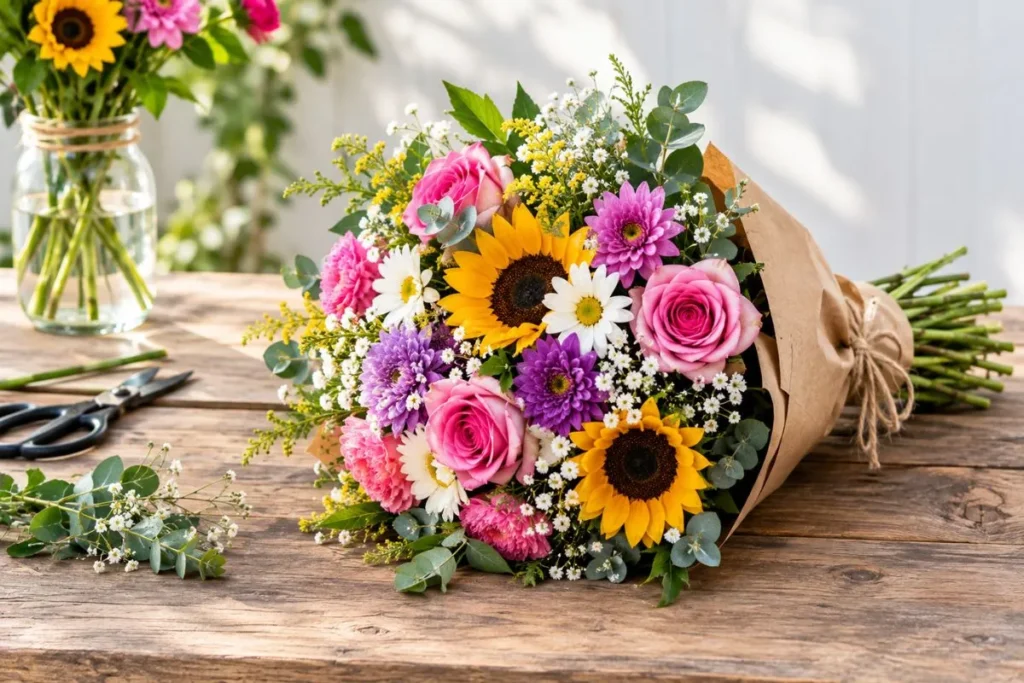
Growing your own flowers for cutting also gives you more freedom to create bouquets whenever you want. You can mix colorful flowers, fragrant blooms, and simple filler flowers to make fresh arrangements right from your garden.
With the right choices, even beginners can grow flowers to plant for bouquets and enjoy beautiful blooms indoors throughout the season.
What Makes a Flower Good for Cutting?
Not every pretty garden flower makes a good cut flower. Some blooms have short or weak stems, while others wilt quickly after being placed in water. When choosing garden flowers for cutting, look beyond the appearance of the flower itself.
A good cut flower should have a useful stem length, hold its shape well, and stay attractive after harvesting.
It is also worth thinking about how often the plant blooms. Flowers that bloom repeatedly can give you more stems throughout the growing season, which is especially helpful when you want a steady supply of homemade bouquets.
Fragrance, color, flower shape, and ease of growing also matter. Choosing a mixture of long-lasting cut flowers, filler flowers, and flowers with strong stems can make your cutting garden much more useful.
Choose Flowers With Long, Strong Stems
Long, strong stems make arranging flowers much easier. You can trim them to different lengths and create more natural-looking bouquets with height and shape. Flowers with weak stems may bend or break, especially when the blooms are large.
When looking for flowers with long stems, consider varieties that naturally produce upright growth. Strong stems are particularly useful for larger arrangements because they can support the flower head without drooping too quickly.
Look for Flowers With a Long Vase Life
A beautiful bouquet is much more enjoyable when it stays fresh for several days. This is why flowers that last in a vase are an important part of a cutting garden. Some flowers naturally have a longer vase life, while others need especially careful handling after they are cut.
Clean water, clean cutting tools, and removing leaves that sit below the water can also help your flowers stay fresh. Still, starting with flowers with long vase life gives you a better foundation for attractive arrangements that do not fade too quickly.
Consider Bloom Time and Repeat Flowering
A cutting garden works best when it does not produce all its flowers at once. Choose varieties that bloom at different times so you can enjoy fresh flowers across more of the growing season.
This is especially useful if you want flowers to grow for bouquets rather than simply a short burst of color in the garden.
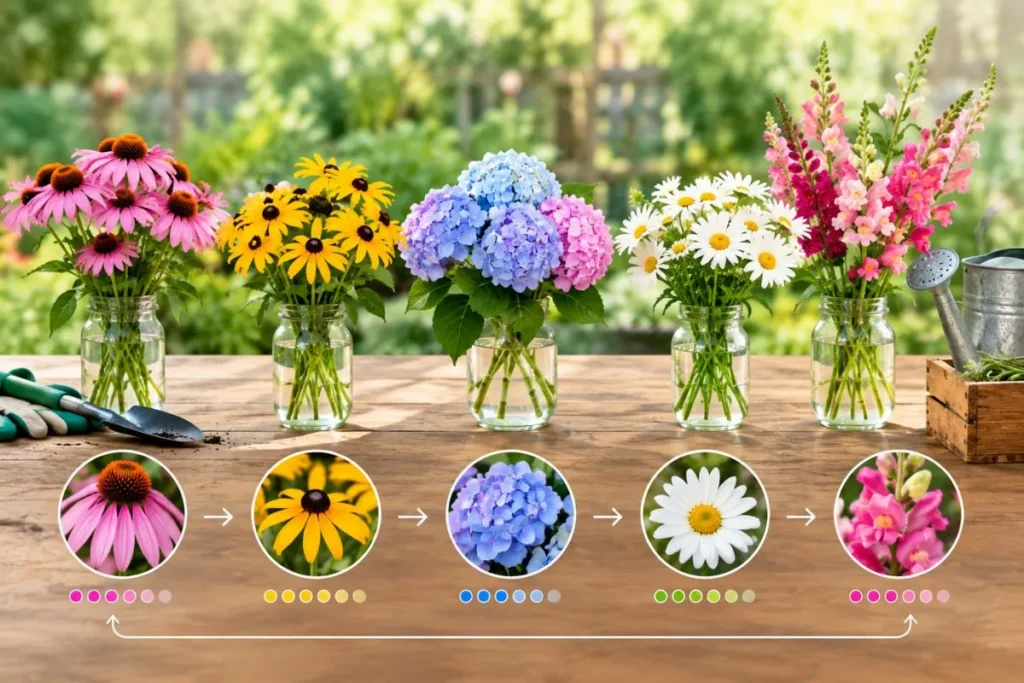
Repeat bloomers are also valuable because regular harvesting can provide more flowers over time. By combining early, mid-season, and late-season varieties, you can create a more productive cut flower garden and have fresh stems available for indoor arrangements for much longer.
Best Annual Flowers for a Cutting Garden
Many people believe annual flowers are only useful for adding temporary color to a garden, but they can be some of the most productive cut flowers to plant. Annuals complete their life cycle in one growing season, yet many produce a generous number of blooms during that time.
That makes them a practical choice when you want plenty of flowers to grow for bouquets without waiting several years for a garden to mature.
The best annual flowers for a cutting garden are usually easy to grow, produce useful stems, and respond well to regular harvesting. You can mix different colors, shapes, and bloom times to create fresh bouquets throughout the season.
For beginners, annuals are also a simple way to start a home cut flower garden without making the project too complicated.
Zinnias
Zinnias are one of the easiest flowers to grow for cutting, especially if you are new to gardening. They come in many bright colors and produce attractive blooms on stems that work well in bouquets.
Their cheerful appearance makes them useful for both simple vase arrangements and larger mixed bouquets.
One of the best things about zinnias is their ability to keep producing flowers when you harvest them regularly. Instead of leaving every flower on the plant, cut mature stems and enjoy them indoors.
With suitable sunlight, water, and growing conditions, zinnias can become a reliable source of fresh cut flowers throughout much of the growing season.
Cosmos
Cosmos have a light, airy appearance that can make a bouquet feel soft and natural. Their slender stems and simple flowers work especially well when mixed with fuller blooms. They are also among the easy cut flowers to grow for gardeners who want attractive results without a complicated routine.
Cosmos are particularly useful when you want to add height without making an arrangement look heavy. Their pink, white, and other colorful flowers can complement many different garden styles.
Cut them regularly and they can continue producing new blooms, giving you more options for flowers for homemade bouquets.
Sunflowers
Sunflowers are hard to miss, and they can make excellent focal flowers in a bouquet. Their large flower heads instantly add a bright, cheerful look to arrangements. Smaller branching varieties can be especially useful for cutting because they may produce multiple stems instead of only one large bloom.
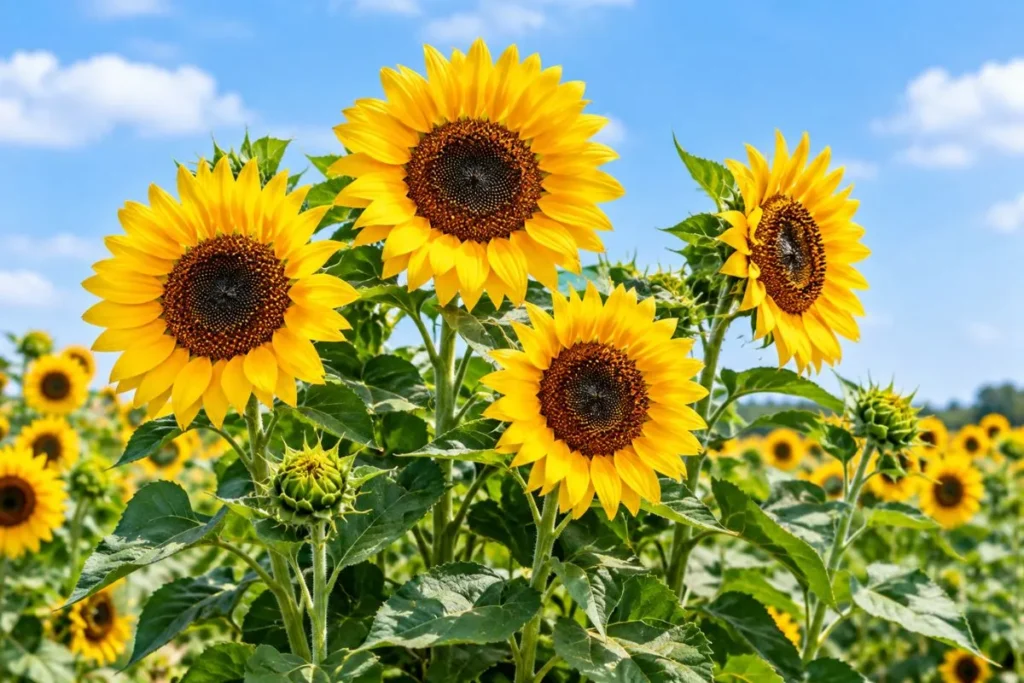
When choosing sunflowers for a cutting garden, think about the final size of the plant and flower head. A variety that produces manageable stems can be easier to arrange indoors.
Sunflowers also pair nicely with smaller flowers, making them useful flowers for floral arrangements when you want one bold bloom to stand out.
Marigolds
Marigolds are another practical choice for gardeners looking for easy flowers for cutting. Their warm yellow, orange, and golden shades can bring plenty of color to a bouquet. They are also familiar garden plants, so they can be a comfortable starting point for beginners.
Their smaller flower heads work well when you want to add detail rather than use them as the main focal point. Mix marigolds with larger blooms and greenery to create a fuller arrangement.
If you enjoy warm-colored bouquets, these colorful cut flowers can be a useful addition to your garden.
Celosia
Celosia stands out because of its unusual flower shapes and strong colors. Depending on the variety, the blooms can have a feathery appearance or a more textured, crested form. This makes celosia useful when an arrangement needs something different from traditional round flowers.
It can add texture and personality to best flowers for flower arrangements, especially when combined with simple blooms such as zinnias or cosmos. Celosia can also be useful in arrangements where you want the flowers to have different shapes rather than making every bloom look similar.
Sweet Peas
Sweet peas are loved for their delicate flowers and pleasant fragrance. They can bring a softer, more romantic feeling to flowers for bouquets, making them a favorite for informal arrangements. Their colors can range from soft pastels to stronger shades, depending on the variety.
One thing to remember is that sweet peas have a more limited growing season in many areas. They are therefore useful when you want to add fragrant cut flowers during their natural blooming period rather than rely on them throughout the entire year.
Harvesting the flowers regularly can also help you enjoy more blooms while they are available.
How to Choose Annuals for Your Cutting Garden
You do not need to grow every annual flower available. Start with a few varieties that give you different flower shapes, colors, and heights. For example, a combination of zinnias, cosmos, sunflowers, and celosia can provide both bold focal blooms and lighter flowers for filling out an arrangement.
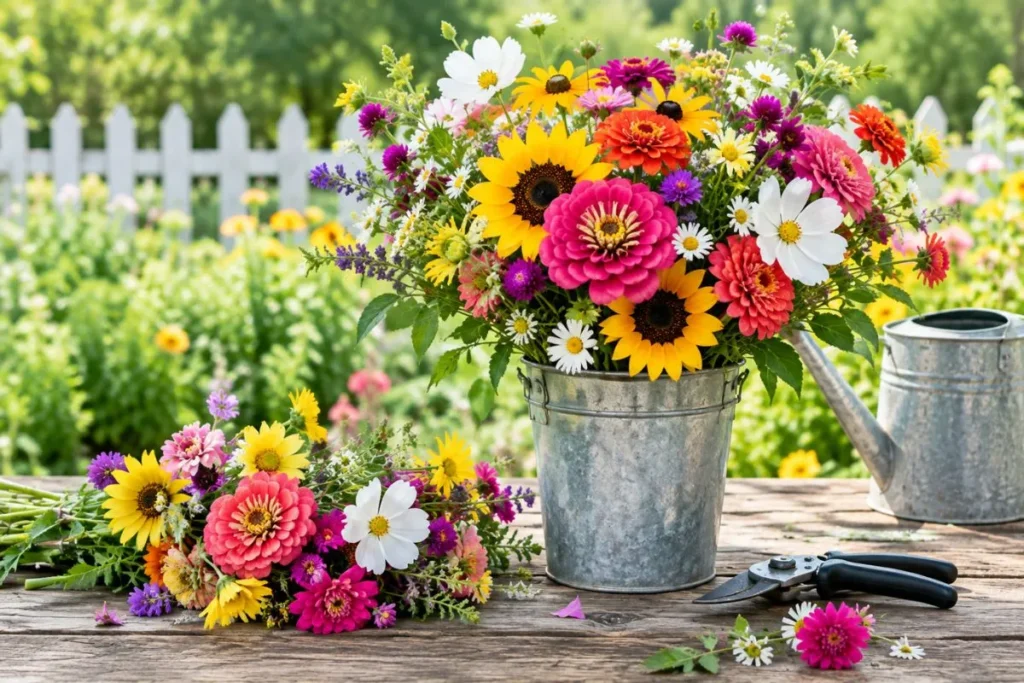
It also helps to choose annuals that match the conditions in your garden. Consider your available sunlight, growing space, watering routine, and local growing season before buying seeds or plants.
A few well-chosen productive cut flowers can be more useful than a large collection of varieties that do not suit your garden.
By combining easy growers with flowers that offer different colors and shapes, you can build a simple cut flower garden that keeps giving you fresh stems. That is what makes annuals such a useful starting point when choosing the best flowers to plant for cutting.
Best Perennial Flowers for Cutting and Bouquets
Many people believe that annuals are the only flowers worth growing for bouquets because they produce lots of blooms in one season. That is not the case. Perennial cut flowers can be a valuable part of a cutting garden because they return year after year once they become established.
They can give you dependable blooms without starting the entire flower garden from scratch every season.
The best perennial flowers for cutting and bouquets can also bring variety to your arrangements. Large blooms can act as focal flowers, while smaller flowers can add texture and movement.
If you combine perennials with annuals, you can create a productive garden that supplies flowers for homemade bouquets, fresh arrangements, and simple vase displays throughout different parts of the growing season.
Peonies
Peonies are known for their large, full blooms and soft, elegant appearance. Their flowers can make a bouquet look impressive without needing many additional blooms. They are especially useful when you want a large focal flower with plenty of visual impact.
Peonies are also popular flowers for floral arrangements because their rounded blooms can work with both simple and more elaborate designs. Their flowering period is relatively short, so they are best treated as a seasonal highlight rather than a flower that supplies stems all summer.
Once established, peony plants can return for many years with proper care. Give them suitable sunlight, well-drained soil, and enough space to grow. Their large flower heads may also need support so the stems stay upright when the plants are in bloom.
Shasta Daisies
Shasta daisies offer a much simpler look than large, densely packed flowers. Their white petals and yellow centers can brighten a bouquet and give it a fresh garden feel. They are useful when you want easy flowers for bouquets that do not overpower the other blooms.
Their clean appearance makes them easy to combine with colorful flowers. You can use them alongside pink, purple, yellow, or orange blooms to create a balanced arrangement. They also work well when you want a relaxed, cottage-garden style rather than a formal bouquet.
Because Shasta daisies are perennial, they can become a dependable part of your garden once established. They are a useful option for gardeners who want low-maintenance cut flowers that return each year.
Black-Eyed Susans
Black-eyed Susans bring warm yellow petals and dark centers to the cutting garden. Their cheerful appearance makes them useful for casual bouquets and natural-looking arrangements. They can also add a strong contrast when paired with flowers in cooler shades.
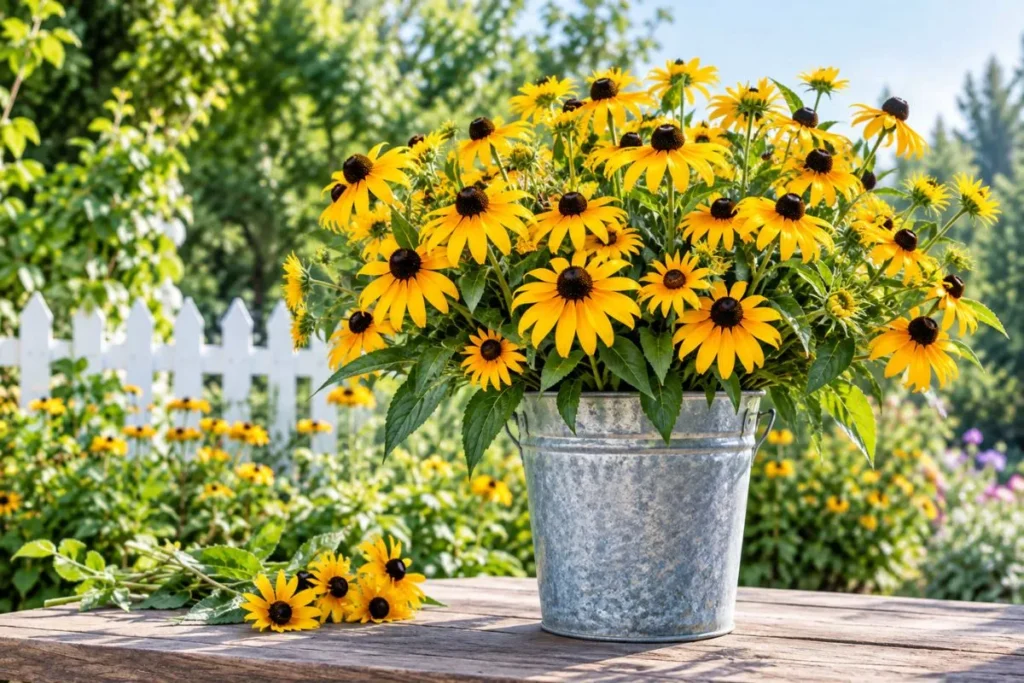
These flowers work particularly well when you want your bouquet to have a relaxed backyard-garden appearance. Their shape is easy to recognize, and the warm colors can pair nicely with greenery and smaller filler flowers.
Black-eyed Susans can also help extend the variety of your cutting garden because they offer a different flower form from rounded blooms such as peonies. This makes them useful when planning garden flowers for cutting with different shapes and textures.
Yarrow
Yarrow may not always be the first flower people think about when planning a bouquet, but it can be extremely useful in a cutting garden. Its clusters of small flowers create a broad, flat shape that works well as a filler.
Instead of taking attention away from larger flowers, yarrow can help connect different parts of an arrangement. Use it around focal blooms to make a bouquet look fuller and more natural. Its flower clusters can also provide useful texture when you are working with flowers for vase arrangements.
Yarrow comes in several colors, so you can choose varieties that fit the look you want. It can also be useful beyond fresh bouquets, particularly for gardeners interested in flowers that can be enjoyed after drying.
Lavender
Lavender is a useful perennial when you want both color and fragrance from your cutting garden. Its purple flower spikes have a distinctive appearance and can add a softer vertical element to an arrangement.
It is particularly useful for gardeners who enjoy fragrant flowers for bouquets. A few lavender stems can add a pleasant scent without making an arrangement look crowded. Lavender can also be combined with larger flowers or used in smaller, simple displays.
Another advantage is its versatility. Lavender can be enjoyed fresh and can also be dried for later use. That makes it a practical choice if you want flowers to grow for bouquets that have more than one purpose.
Why Grow Perennials in a Cutting Garden?
Perennials give your garden a lasting foundation. Once established, many can return for several growing seasons, allowing you to enjoy their flowers without replanting them every year. This can be especially helpful if you want to build a long-term backyard cut flower garden.
They also give you a chance to plan around specific flowering periods. For example, peonies can provide an early seasonal display, while other perennial flowers can take over later. Adding annuals between perennial plants can help fill gaps and give you more variety.
The key is not to choose perennial flowers simply because they look attractive in the garden. Think about how their stems, bloom shapes, colors, fragrance, and flowering periods will work in a vase. When you choose with those factors in mind, perennials can become an
Frequently Asked Questions
What Are the Best Flowers to Plant for Cutting?
Some of the best flowers to plant for cutting include zinnias, cosmos, sunflowers, dahlias, snapdragons, peonies, sweet peas, celosia, lavender, and yarrow. These flowers offer different colors, shapes, textures, and stem lengths, so you can mix them to create attractive bouquets.
Your growing conditions also matter. Choose flowers that suit your sunlight, soil, available space, and local growing season. A combination of annuals and perennials can give you more variety and help extend your supply of fresh blooms.
What Flowers Grow Best for Cut Flower Bouquets?
Flowers that produce attractive stems and hold their appearance after harvesting are especially useful for bouquets. Zinnias, dahlias, snapdragons, cosmos, sunflowers, and peonies are popular choices for cut flower bouquets.
Try combining different flower forms rather than planting only large blooms. A focal flower, a smaller filler, and a flower that adds height can create a fuller and more interesting arrangement.
What Is the Easiest Flower to Grow for Cutting?
Zinnias are often a simple choice for beginners because they grow well in suitable conditions and provide colorful blooms on useful stems. Cosmos, marigolds, and sunflowers can also be good options for a beginner-friendly cutting garden.
If you are new to growing easy cut flowers, start with only a few varieties. Once you understand how your garden performs, you can add more flowers in the next growing season.
What Flowers Last the Longest After Being Cut?
Flowers with a naturally good vase life can include zinnias, sunflowers, snapdragons, and some other varieties depending on the cultivar and how they are handled after harvesting.
However, choosing best long-lasting flowers for cutting is only part of the process. Clean tools, fresh water, clean containers, and removing leaves below the waterline can all help your flowers stay attractive for longer.
What Are the Best Annual Flowers for a Cutting Garden?
Zinnias, cosmos, sunflowers, marigolds, celosia, and sweet peas are useful annual options for a cutting garden. They can provide a wide range of colors and flower shapes during their growing season.
Annuals are especially useful when you want plenty of seasonal blooms and do not mind planting new flowers for the following year. You can also choose different varieties to create a steady supply of fresh cut flowers.
What Are the Best Perennial Flowers for Cutting?
Peonies, Shasta daisies, black-eyed Susans, yarrow, and lavender are examples of perennial flowers for cutting. Once established, perennial plants can return in future seasons and become a reliable part of your garden.
The best choice depends on your growing conditions and the type of bouquet you prefer. Large blooms such as peonies can provide a focal point, while yarrow and lavender can add texture or fragrance.
What Flowers Are Good for a Small Cutting Garden?
A small cutting garden does not need dozens of varieties. Zinnias, cosmos, marigolds, snapdragons, and smaller sunflower varieties can provide plenty of variety without requiring a huge amount of space.
When space is limited, focus on flowers that offer multiple benefits. A plant that produces lots of stems, blooms repeatedly, or works well in several types of arrangements can make your small cutting garden more productive.
What Flowers Are Best for Homemade Bouquets?
The best flowers for homemade bouquets depend on the style you want. Zinnias and dahlias can provide bold focal blooms, while cosmos and sweet peas can create a lighter appearance. Yarrow and statice can work as filler flowers.
You do not have to make every bouquet look professionally arranged. Mixing different colors, flower sizes, and textures can create a natural garden-style bouquet that looks beautiful in a simple vase.
What Are the Best Fragrant Flowers for Bouquets?
Sweet peas and lavender are useful choices when fragrance is important. Other fragrant flowers can also be grown for cutting, depending on your climate and growing conditions.
Keep in mind that fragrance varies between flower types and even between individual varieties. If scent is a major priority, check the characteristics of the specific variety before planting it in your cut flower garden.
What Flowers Can Be Grown for Cutting All Summer?
Zinnias, cosmos, sunflowers, and some other warm-season flowers can provide blooms through much of the summer when grown under suitable conditions. Regular harvesting can also encourage continued production in varieties that respond well to cutting.
For a longer supply, do not rely on one flower alone. Combine plants with different flowering periods so one group can begin blooming as another starts to slow down. This approach can help keep your garden productive and provide more flowers for indoor bouquets throughout the season.
mportant part of your collection of best flowers to grow for cutting.
Conclusion:
Growing your own flowers for cutting does not have to be difficult or require a huge garden. The best flowers to plant for cutting are the ones that suit your growing conditions, give you useful stems, and produce blooms you actually enjoy bringing indoors.
From colorful annuals to returning perennials, there are plenty of options for creating beautiful bouquets at home.
Start with a few reliable varieties instead of trying to grow everything at once. Zinnias, cosmos, sunflowers, dahlias, peonies, lavender, and other flowers for bouquets can give you a good mix of colors, shapes, textures, and fragrances.
As you learn what grows well in your garden, you can gradually add more varieties.
A small cut flower garden can provide more than just pretty blooms. It can give you fresh flowers for your kitchen table, gifts for friends, and simple arrangements whenever you want them.
With thoughtful plant choices and regular harvesting, you can turn even a modest garden into a steady source of beautiful, fresh-cut flowers.

Plant Nest Blog’s author is passionate about plants, gardening, and sustainable living. Through research and practical experience, they share helpful plant care tips, gardening guides, and easy solutions to help readers grow healthier plants and create greener spaces.