
People often think tha plants good for butterflies simply mean colorful flowers that look attractive in a garden. But butterflies need more than pretty blooms.
The right butterfly-friendly plants can provide nectar for adult butterflies, while certain host plants give caterpillars the food they need to grow. If you choose a mix of plants that attract butterflies, your garden can become a useful and welcoming space for these delicate pollinators.
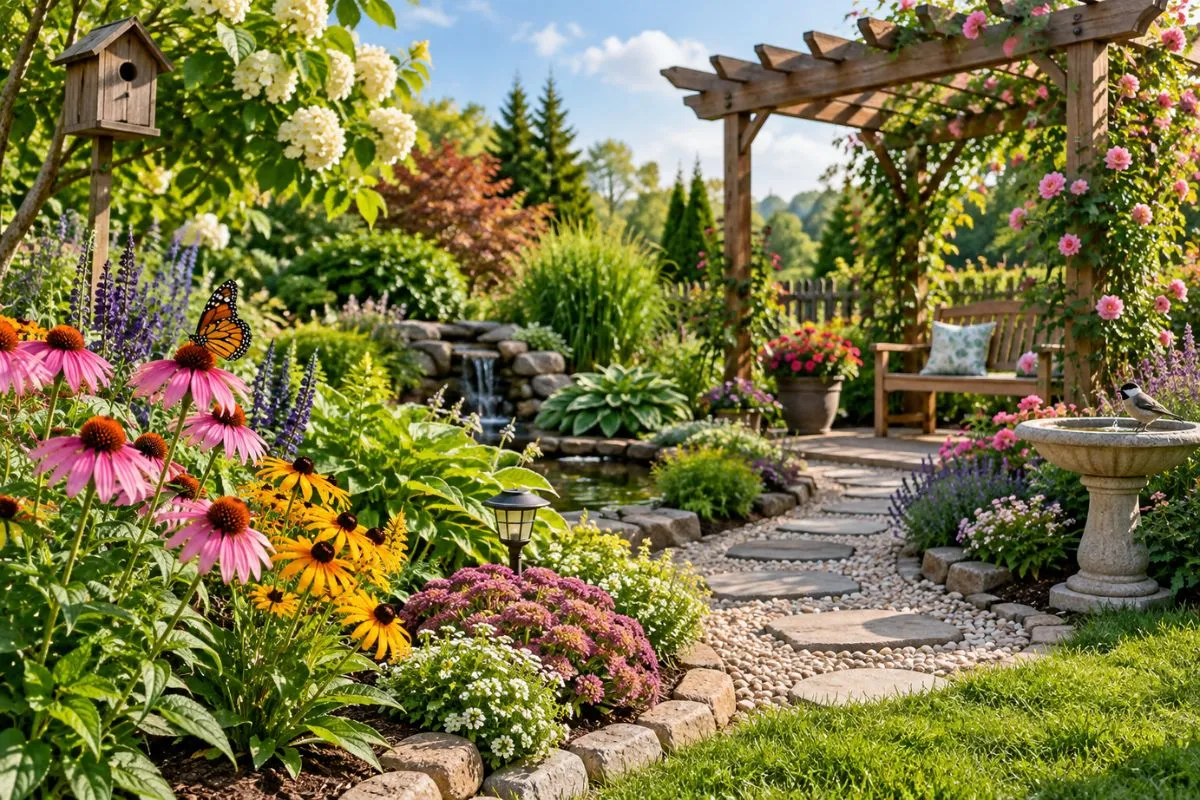
The good news is that creating a butterfly-friendly garden doesn’t have to be difficult. From nectar-rich flowers to native plants for butterflies, there are plenty of choices for different gardens, climates, and growing conditions.
In this guide, you’ll discover how to choose the right butterfly garden plants, what makes a plant useful to butterflies, and how simple plant choices can help create a more inviting butterfly habitat.
What Makes Plants Good for Butterflies?
Not every flowering plant is equally useful to butterflies. A flower may look beautiful to us but offer little food or shelter to butterflies. The best plants good for butterflies provide the resources butterflies need at different stages of their life cycle.
When choosing plants, think beyond color and appearance and look for nectar, suitable host plants, long-lasting blooms, and species that fit your local growing conditions.
Nectar-Rich Flowers
Adult butterflies mainly visit flowers for nectar, which gives them the energy they need to fly, feed, and reproduce. That’s why nectar plants for butterflies are an important part of any butterfly garden.
Flowers that produce plenty of nectar can attract butterflies and keep them visiting your garden regularly.
Good butterfly nectar plants often have flowers that are easy for butterflies to land on and feed from. Planting several nectar-producing plants can also give butterflies different food sources throughout the growing season.
Flat or Easily Accessible Flowers
Flower shape matters, too. Butterflies need flowers where they can easily reach the nectar with their long feeding tube, called a proboscis. Flat flower heads and clustered blooms can provide convenient landing spots while butterflies feed.
This makes many flowers that attract butterflies useful for garden borders, containers, and pollinator beds. Instead of choosing plants only because they look attractive, consider whether their flowers are easy for butterflies to access.
Long-Blooming Plants
A butterfly garden becomes more useful when something is blooming for as much of the season as possible. If every plant flowers at the same time, butterflies may have plenty of food for a short period and very little afterward.
Try combining early-, mid-, and late-season flowering plants for butterflies. This creates a more consistent supply of nectar and can make your garden a better butterfly habitat over time.
Long-blooming plants are especially helpful when you’re looking for low-maintenance plants that attract butterflies without constantly replacing flowers.
Host Plants for Caterpillars
Here’s something many new butterfly gardeners overlook: adult butterflies aren’t the only ones that need plants. Caterpillars need food, too.
Host plants for butterflies provide a place where some butterfly species can lay their eggs and where their caterpillars can feed after hatching. These plants are different from nectar plants because their main purpose is to support the caterpillar stage of the butterfly life cycle.
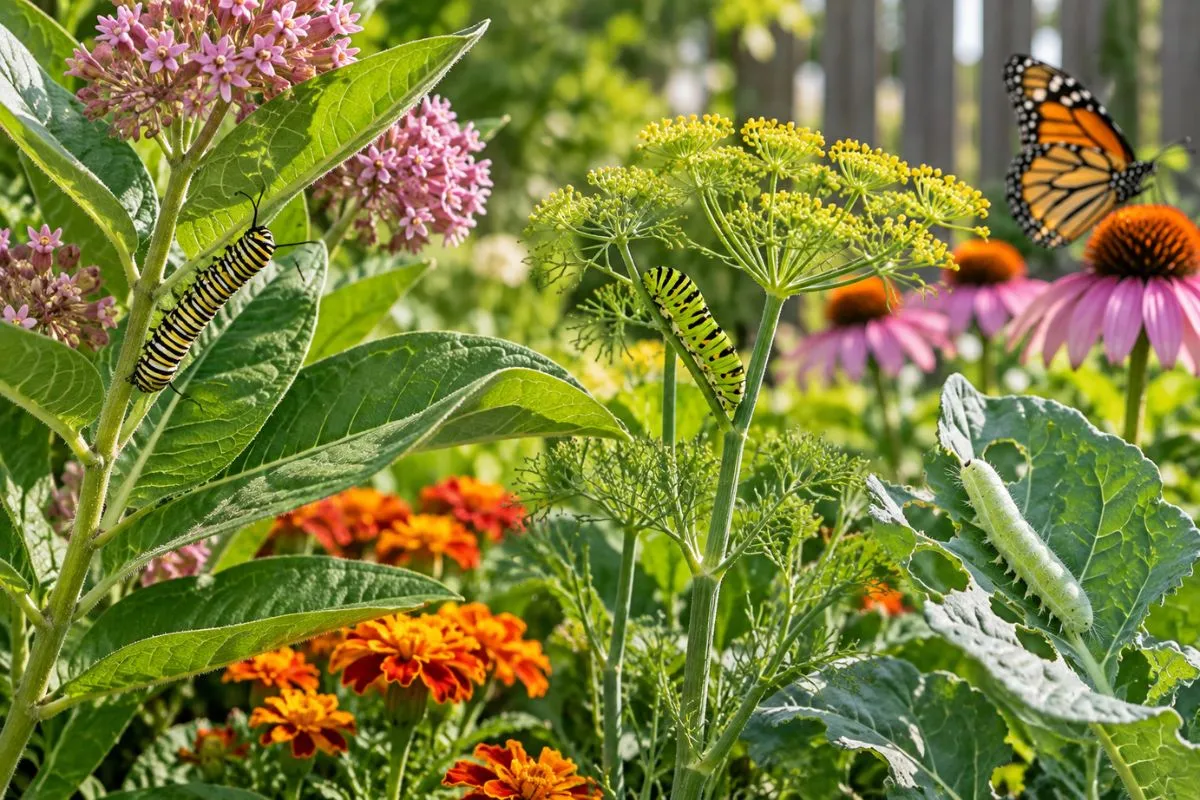
For example, milkweed is an important host plant for monarch butterflies. Other butterfly species depend on particular plant families for their young. So, if your goal is to create a complete butterfly habitat garden, adding butterfly host plants can be just as important as growing nectar-rich flowers.
Native Plants
Native plants can also play an important role in a butterfly-friendly garden. These plants have developed naturally in a particular region and can provide resources that local insects are adapted to use.
Choosing native plants for butterflies can also make garden planning easier because suitable native species are often well adapted to the local climate, soil, and growing conditions.
If you’re searching for native plants good for butterflies and bees, check which native flowering plants and host plants are recommended for your specific area.
The best approach is to create variety. Combine nectar plants, host plants, and native flowers where they fit your garden. This gives butterflies more than one reason to visit and helps turn an ordinary planting area into a more useful butterfly-friendly garden.
Best Plants Good for Butterflies
Many people assume that any colorful flower will automatically make a garden attractive to butterflies. That’s not always the case. Plants good for butterflies should offer useful nectar, suitable landing spots, or food for caterpillars.
The good news is that you don’t need dozens of species to get started. A thoughtful mix of butterfly garden plants can make your outdoor space much more inviting.
Below are some of the best plants for butterflies, including flowering favorites and important host plants. Choose varieties that match your climate, sunlight, and available space.
Milkweed
Milkweed is one of the most important plants for monarch butterflies because it serves as a host plant for their caterpillars. Monarch caterpillars feed on milkweed as they develop, while the flowers can also provide nectar for adult butterflies.
If you’re looking for plants for monarch butterflies, milkweed is a natural place to start. Choose a milkweed species that grows well in your region, and give it enough sunlight and room to spread.
Butterfly Bush
As its name suggests, butterfly bush is a popular choice for butterfly gardens. Its long flower clusters produce nectar that can attract adult butterflies throughout its blooming period.
It works particularly well when planted where butterflies can easily reach the flowers. If you’re searching for butterfly attracting plants, this is one option worth considering.
Just check whether the particular species is suitable for your region, as some butterfly bushes can become invasive in certain areas.
Coneflower
Coneflower adds a bold look to a garden while providing a useful nectar source for butterflies. Its sturdy stems and open flower centers also give butterflies a convenient place to land while feeding.
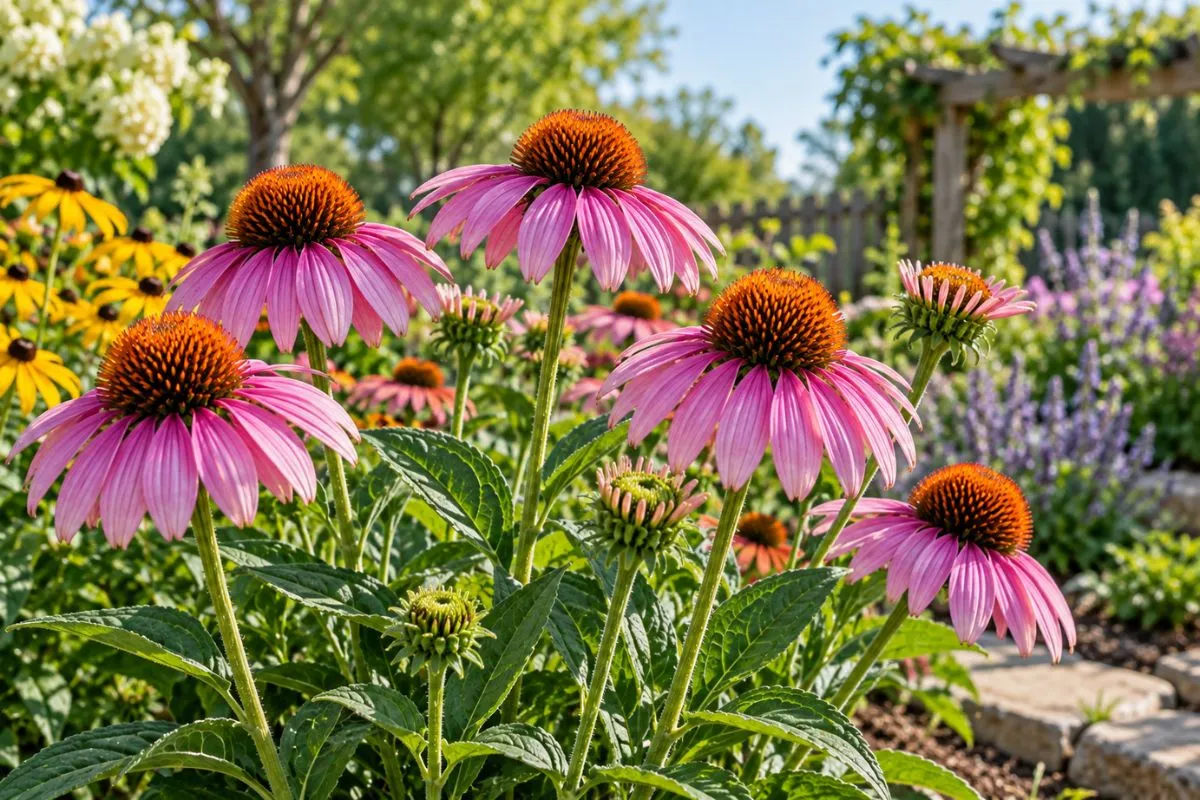
This makes coneflower a practical choice for flowering plants for butterflies, especially in sunny garden beds. Once established, many varieties are relatively easy to maintain.
Zinnias
Zinnias are colorful, cheerful, and beginner-friendly. Their bright blooms can make them excellent plants that attract butterflies, especially when several plants are grown together.
They come in different colors and flower forms, so you can easily fit them into an existing garden design. For anyone searching for easy plants good for butterflies to grow, zinnias are a simple option to consider.
Lantana
Lantana produces clusters of small flowers that can provide nectar for butterflies. Its long flowering period makes it useful when you want color and butterfly activity to continue for an extended time.
It generally prefers warm conditions and plenty of sunlight. If you live in a suitable climate, lantana can be a valuable addition to a butterfly-friendly planting area.
Lavender
Lavender is loved for its fragrance, but its flowers can also attract butterflies and other pollinators. The narrow flower spikes provide accessible nectar while adding a soft, attractive look to garden borders.
It prefers plenty of sunlight and well-drained soil. If your garden tends to stay wet, choose a planting location where excess water can drain away easily.
Verbena
Verbena is another useful choice when you’re looking for plants butterflies love. Its small flowers often appear in clusters, creating plenty of feeding opportunities in one area.
Depending on the species, verbena can work in borders, containers, or larger pollinator gardens. Choose a variety that matches your local growing conditions for the best results.
Marigolds
Marigolds are easy to recognize and simple to grow. Their bright flowers can add warm colors to a garden while offering nectar to visiting pollinators.
They can be especially useful for beginners who want low-maintenance butterfly plants. Grow them in a sunny spot and remove faded flowers regularly if you want to encourage continued blooming.
Black-Eyed Susan
Black-eyed Susan produces daisy-like flowers with a dark central cone. The open flower structure gives butterflies a convenient place to land while searching for nectar.
These hardy flowers can work well in natural-looking borders and pollinator garden plants. Their bright blooms can also add visual interest without requiring an overly complicated garden design.
Asters
Asters can be particularly useful when many summer flowers are beginning to fade. Their blooms can provide nectar later in the growing season, helping extend the period when butterflies can find food.
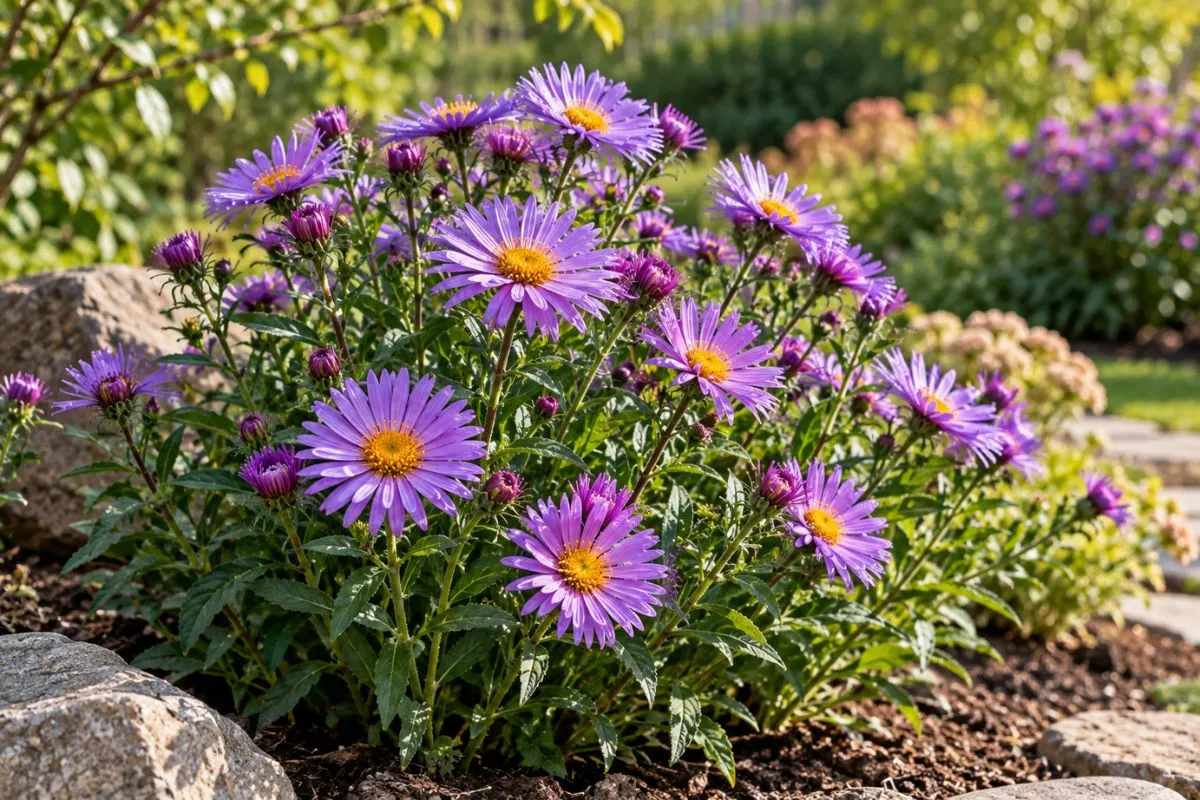
Adding asters alongside earlier-blooming flowers can create a more continuous supply of nectar. This is a smart approach if you’re designing a butterfly habitat garden rather than simply planting a few attractive flowers.
Phlox
Phlox produces clusters of flowers that can bring color and pollinator activity to the garden. Depending on the variety, it can work in different garden settings and growing conditions.
When selecting phlox, consider the amount of sunlight and space available. A healthy plant with plenty of blooms can become a useful part of your collection of garden plants for butterflies.
Bee Balm
Bee balm is known for attracting pollinators, including butterflies. Its unusual flowers add height and texture while giving butterflies another nectar source.
It can work especially well in a mixed pollinator garden where different plants bloom at different times. Give it suitable airflow and growing conditions to help keep the plant healthy.
Pentas
Pentas produces clusters of small, star-shaped flowers that can attract butterflies in warm growing conditions. Its compact flower clusters make it an attractive choice for containers, borders, and pollinator-friendly beds.
If you’re creating a small butterfly garden, pentas can help add color without requiring a huge amount of space.
Cosmos
Cosmos is another beginner-friendly flowering plant that can fit nicely into a butterfly garden. Its open flowers make nectar accessible, while its light, airy growth gives the garden a relaxed appearance.
It can be a good choice when you want best flowering plants that attract butterflies without creating a complicated planting scheme.
Sunflowers
Sunflowers bring height, color, and plenty of garden interest. Their broad flower heads can attract various pollinators and provide convenient landing areas.
Plant them where they can receive plenty of sunlight. Taller varieties may also need support if strong winds are common in your area.
Sedum
Sedum can be useful when you want late-season flowers and a plant that handles relatively dry conditions. Its clusters of tiny flowers can attract butterflies and other pollinators.
Because many sedums tolerate drier soil, they can work well in gardens where water needs to be managed carefully.
Goldenrod
Goldenrod is an excellent late-season flowering option for a pollinator garden. Its yellow flower clusters can provide nectar when some earlier summer flowers have already finished blooming.
It can be especially valuable for gardeners who want to extend the season for plants for pollinators. Choose a suitable species for your area rather than assuming every goldenrod variety will behave the same way.
Dill, Fennel, and Parsley
Don’t overlook herbs when choosing butterfly garden plants. Dill, fennel, and parsley can serve as host plants for certain swallowtail butterflies.
You may notice caterpillars feeding on the foliage. That’s not necessarily a problem. If your goal is to support the butterfly life cycle, those hungry caterpillars are actually a sign that your garden is doing something useful.
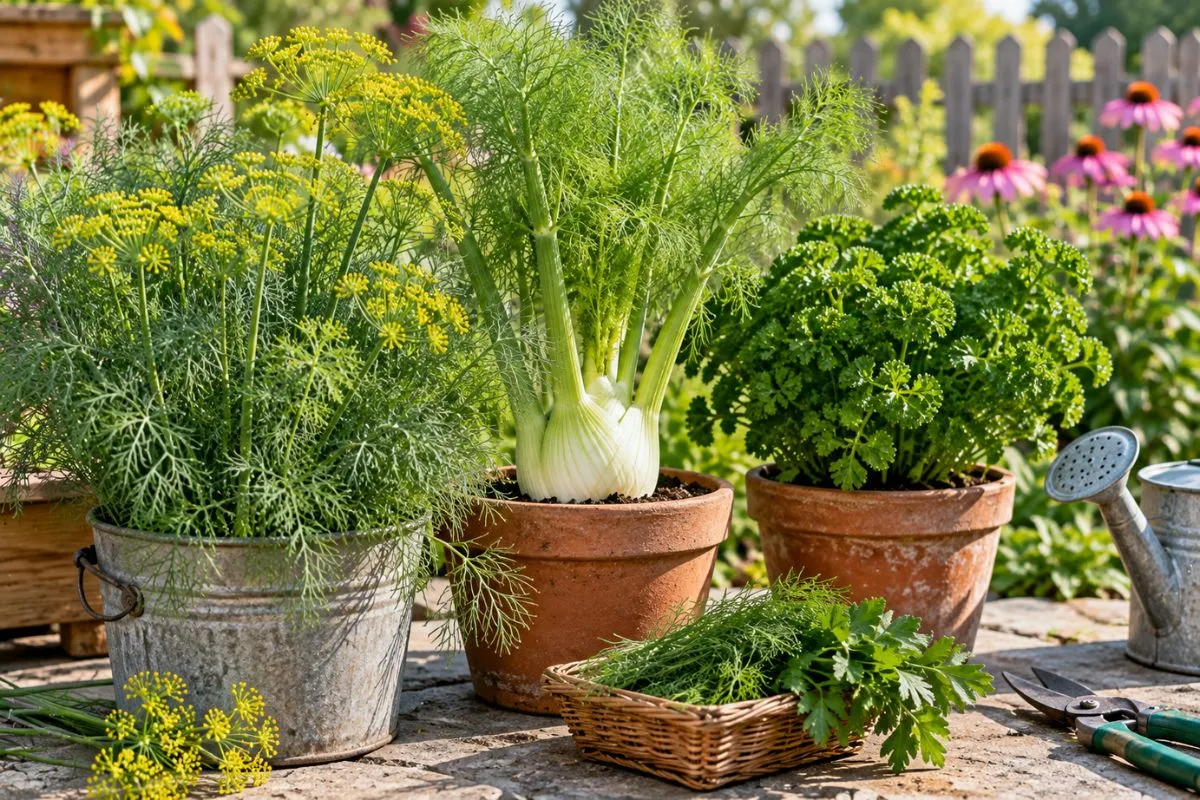
Growing a few herbs specifically for caterpillars can make your garden more than a source of nectar. It can become a small butterfly habitat where butterflies have access to food during different stages of their life.
Choosing the Right Mix of Butterfly Plants
You don’t have to plant all of these species. Start with a few plants good for butterflies that suit your sunlight, soil, climate, and available space.
A strong combination can include colorful nectar plants such as zinnias or coneflowers, along with host plants such as milkweed or herbs for caterpillars. Adding plants with different blooming periods can also help keep useful flowers available throughout more of the growing season.
The goal isn’t simply to create a garden that looks beautiful. It’s to create a space that butterflies can actually use. When you combine nectar sources with host plants and suitable growing conditions, even a modest garden can become a much more welcoming home for butterflies.
Best Nectar Plants for a Butterfly Garden
Many people think a butterfly garden needs dozens of different flowers to keep butterflies interested. That’s not true. A smaller garden can still work well when you choose flowers that provide plenty of nectar and bloom at useful times.
The key is to focus on nectar plants for butterflies that suit your growing conditions and give adult butterflies an easy place to feed.
What Are Nectar Plants?
Nectar plants are flowering plants that produce nectar, a sugary liquid that gives adult butterflies energy. Butterflies use this energy for flying, feeding, mating, and other daily activities. That’s why nectar-producing plants are such an important part of a butterfly-friendly garden.
The best butterfly nectar plants usually have flowers that are easy to reach. Open flower shapes, flat flower heads, and clusters of small blooms can give butterflies convenient places to land and feed. Bright colors can also help make flowers easier for butterflies to locate.
When choosing plants good for butterflies and pollinators, don’t focus only on how attractive a flower looks. Think about what it can provide. A beautiful plant that produces little accessible nectar may be less useful than a simple plant covered in nectar-rich blooms.
Best Nectar Plants for Butterflies
If you’re looking for the best nectar plants for a butterfly garden, consider a mixture rather than relying on just one species. Different plants can bloom at different times, giving butterflies more consistent access to food.
Zinnias
Zinnias are a popular choice for butterfly gardens because their open flowers make nectar easy to reach. Their bright colors can also add plenty of life to garden beds.
They are especially useful for gardeners who want easy butterfly garden plants. Grow them in a sunny location and keep the soil reasonably well drained.
Coneflowers
Coneflowers provide accessible blooms and can fit naturally into a pollinator garden. Their sturdy growth also makes them useful for gardeners who want flowers that can remain attractive through the growing season.
They work well alongside other flowers rich in nectar, helping create a varied food source for visiting butterflies.
Lantana
Lantana produces clusters of small flowers that can offer nectar over a long flowering period in suitable climates. Its colorful blooms can make it a valuable addition to warm-climate butterfly gardens.
If you’re looking for nectar-rich flowers that also add strong visual interest, lantana is worth considering.
Verbena
Verbena produces clusters of small flowers that butterflies can easily visit. Depending on the variety, it can work in containers, borders, or larger pollinator beds.
Its extended flowering can make it useful when you’re trying to create a garden with flowers available for a longer part of the season.
Butterfly Bush
Butterfly bush is well known for attracting adult butterflies with its long flower clusters. It can provide a strong nectar source when it is actively blooming.
However, always check your local growing recommendations before planting it. Some butterfly bush species or cultivars can become invasive in certain regions.
Lavender
Lavender combines fragrance, attractive flower spikes, and nectar for visiting pollinators. It prefers sunny conditions and well-drained soil, so it works particularly well in gardens that aren’t constantly wet.
Its flowers can complement other pollinator garden plants while adding a different texture and form to the garden.
Bee Balm
Bee balm produces distinctive flowers that can attract butterflies and other pollinators. Its upright growth also adds height to mixed planting beds.
It can be a useful choice when you want to combine several plants for pollinators in one garden area.
Asters
Asters can help provide nectar later in the growing season. Adding them to a garden with earlier-blooming plants can help prevent long gaps between flowering periods.
This makes asters particularly useful when your goal is to support a butterfly habitat garden for more than just a few weeks.
Phlox
Phlox produces clusters of flowers that can provide nectar while adding color to the garden. Choose a variety that suits your available sunlight and space.
When combined with other flowering plants, phlox can help create a diverse collection of garden flowers that attract butterflies.
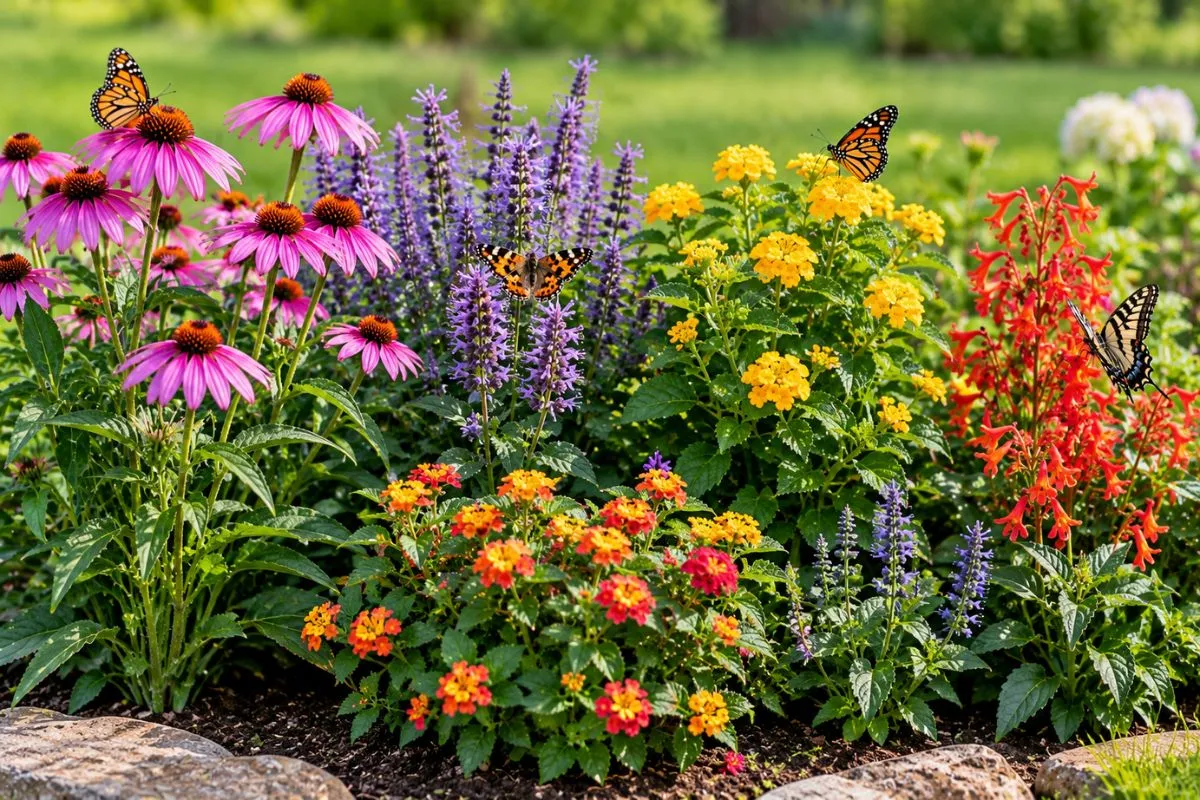
How to Get More From Your Nectar Plants
Simply planting nectar flowers isn’t the whole story. Think about how the plants work together.
Try to choose flowers with different bloom times. For example, one group can provide flowers early in the season, another can peak during summer, and later-blooming plants can continue providing nectar afterward.
Planting several flowers together can also make a stronger visual target for butterflies. Instead of scattering one plant here and another there, consider planting small groups of the same species.
Most importantly, choose plants that are naturally suited to your garden. A nectar plant that struggles with your soil, sunlight, or climate won’t provide as much value as a healthy plant growing in the right conditions.
Nectar Plants vs. Host Plants
It’s important not to confuse nectar plants with host plants. Nectar plants mainly provide food for adult butterflies, while host plants provide food and habitat for caterpillars.
A successful butterfly garden can include both. Nectar-rich flowers help adult butterflies, while host plants support the younger stages of the butterfly life cycle.
So, if you’re planning a garden around the long-tail keyword “best nectar plants for a butterfly garden,” don’t stop at flowering plants. Add suitable host plants too. This creates a more complete environment rather than simply a collection of attractive flowers.
Frequently Asked Questions
What plants are good for butterflies?
Some popular plants good for butterflies include milkweed, zinnias, coneflowers, lantana, verbena, lavender, asters, bee balm, and butterfly bush. The best choice depends on your climate, sunlight, soil, and the butterfly species you want to support.
What is the best plant for attracting butterflies?
There isn’t one single plant that works best everywhere. Plants that attract butterflies can vary by region and butterfly species. A mix of nectar-rich flowers with different bloom times can provide a more reliable food source than depending on one plant alone.
16.3 What flowers attract butterflies the most?
Butterflies are often attracted to nectar-rich flowers that provide an accessible food source. Zinnias, coneflowers, lantana, verbena, asters, and bee balm are examples of flowers that attract butterflies.
Growing several flowering plants together can make your garden more appealing to visiting butterflies.
What plants attract butterflies and caterpillars?
You need both nectar plants and host plants to support different butterfly life stages. Nectar plants feed adult butterflies, while host plants for butterflies provide food for caterpillars. Milkweed, dill, fennel, and parsley are examples of plants used by certain butterfly caterpillars.
What are the best native plants for butterflies?
The best native plants depend on where you live. Local native flowers and host plants can be valuable because they are adapted to the regional environment and can support local wildlife.
If you’re searching for native plants good for butterflies and bees, check local native-plant resources or garden centers for species naturally suited to your area.
What plants are good for butterflies in full sun?
Many butterfly-friendly plants prefer plenty of sunlight. Zinnias, coneflowers, lavender, lantana, sunflowers, milkweed, and some varieties of verbena can work well in sunny locations when their growing requirements are met.
For plants good for butterflies in full sun, choose species that can handle the amount of sunlight and heat your garden receives.
What are the best low-maintenance plants that attract butterflies?
Zinnias, coneflowers, lavender, and some types of sedum can be relatively easy to grow when planted in suitable conditions. The key is choosing plants that naturally match your soil, sunlight, and climate.
A well-matched plant usually needs less troubleshooting than one planted outside its preferred conditions.
What plants do monarch butterflies need?
Monarch caterpillars depend on milkweed plants for food. Adult monarchs also need nectar from flowering plants during their life cycle and migration.
If your goal is to support monarchs, consider growing appropriate milkweed along with nectar-producing flowers suited to your region.
How do I create a butterfly-friendly garden?
Start with a sunny or otherwise suitable growing area and add a mixture of nectar flowers and host plants. Choose species that fit your local conditions and try to have flowers available during different parts of the growing season.
You can also provide sheltered areas, avoid unnecessary pesticide use, and leave some plants available for caterpillars. These simple steps can turn an ordinary planting area into a more useful butterfly-friendly garden.
Do butterflies need host plants?
Yes. Adult butterflies need nectar for energy, but many butterfly species depend on specific host plants during their caterpillar stage. Without suitable host plants, a garden may attract adult butterflies without providing the resources needed for them to complete their life cycle.
That’s why a well-planned butterfly garden should include both nectar plants and appropriate butterfly host plants.
Conclusion:
Creating a butterfly garden doesn’t have to mean filling every corner with flowers. The real goal is to choose plants good for butterflies that provide useful resources throughout their life cycle. Nectar-rich flowers can feed adult butterflies, while suitable host plants can support caterpillars.
Start small with a few plants that match your garden’s sunlight, soil, and climate. Add different flowering plants to extend the availability of nectar, and include host plants when possible. With the right combination, even a simple garden can become a welcoming space for butterflies and other pollinators.
The most important thing is to plant with purpose. Choose butterfly-friendly plants, give them the conditions they need, and let your garden become a place where butterflies can find food, shelter, and suitable plants throughout the season.

Plant Nest Blog’s author is passionate about plants, gardening, and sustainable living. Through research and practical experience, they share helpful plant care tips, gardening guides, and easy solutions to help readers grow healthier plants and create greener spaces.