
Many people believe that any plant with soft, feathery leaves must be dill. That is not always true. Several houseplants with feathery leaves can look surprisingly similar because of their fine, airy foliage.
If you have spotted a house plant that looks like dill, check more than just the leaves. The stem, growth pattern, leaf arrangement, and overall shape can give you much better clues.
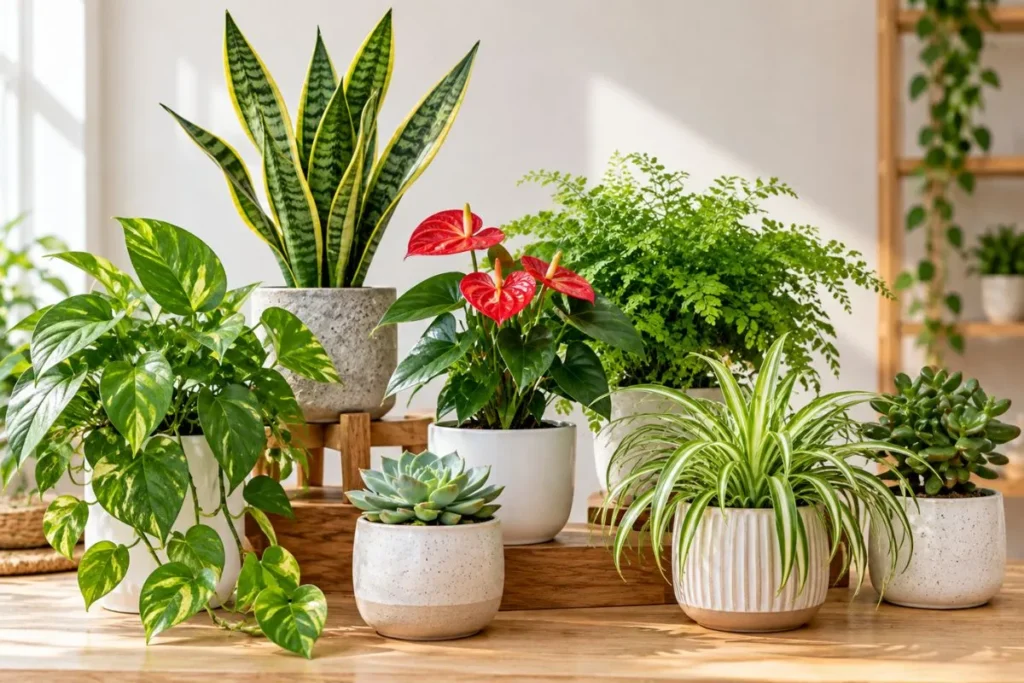
Finding a plant that resembles dill can be a fun little identification challenge, especially when the plant is growing indoors. Some dill-like houseplants have delicate foliage that looks almost herb-like but belong to completely different plant groups.
So, before you decide what you have, take a closer look at its features and compare them with known indoor plant varieties.
Why Some Houseplants Look So Much Like Dill
Many people assume that a house plant that looks like dill must be closely related to dill, but appearance can be misleading. Different plants can develop thin, divided, or airy foliage that creates the same overall look.
This is why some indoor plants with dill-like feathery leaves can seem almost identical at first glance, even though they have completely different growth habits and care needs.
Feathery Leaves Create the Similar Look
The biggest reason a plant similar to dill catches your attention is its leaf shape. Dill has very fine, thread-like foliage that gives it a soft and wispy appearance. Some houseplants with feathery leaves have finely divided or fern-like leaves that create a similar texture.
From a distance, these fine-leaved plants can easily remind you of dill, especially when their foliage is bright green and densely packed.
Leaf Shape Is Not Enough for Identification
A common mistake is to identify a dill-looking houseplant by its leaves alone. Leaf shape is a useful clue, but it does not tell the whole story. When trying to identify houseplants, also check the stem, branching pattern, leaf arrangement, mature size, and overall growth habit.
These details can help you separate a true dill plant from an indoor plant that looks like dill and make indoor plant identification much more accurate.
Houseplants That Can Look Like Dill
Many people think that spotting thin, feathery leaves means they have found dill, but that is not necessarily the case. Several ornamental plants can create a very similar look without actually being dill.
If you are searching for a house plant that looks like dill, the key is to compare the whole plant rather than judging it from one glance. Below are 11 interesting options, along with the features that make each one look dill-like and the clues that help you tell them apart.
Asparagus Fern
Asparagus fern is one of the first plants to consider when you want an indoor plant that looks like dill. Its foliage is soft, fine, and airy, giving the plant a light, feathery appearance.
The tiny structures along its stems can create a texture that reminds you of dill, especially when the plant is viewed from a little distance.
Unlike dill, however, asparagus fern usually develops a fuller and more spreading form. It can also produce long, arching stems that make it look more ornamental.
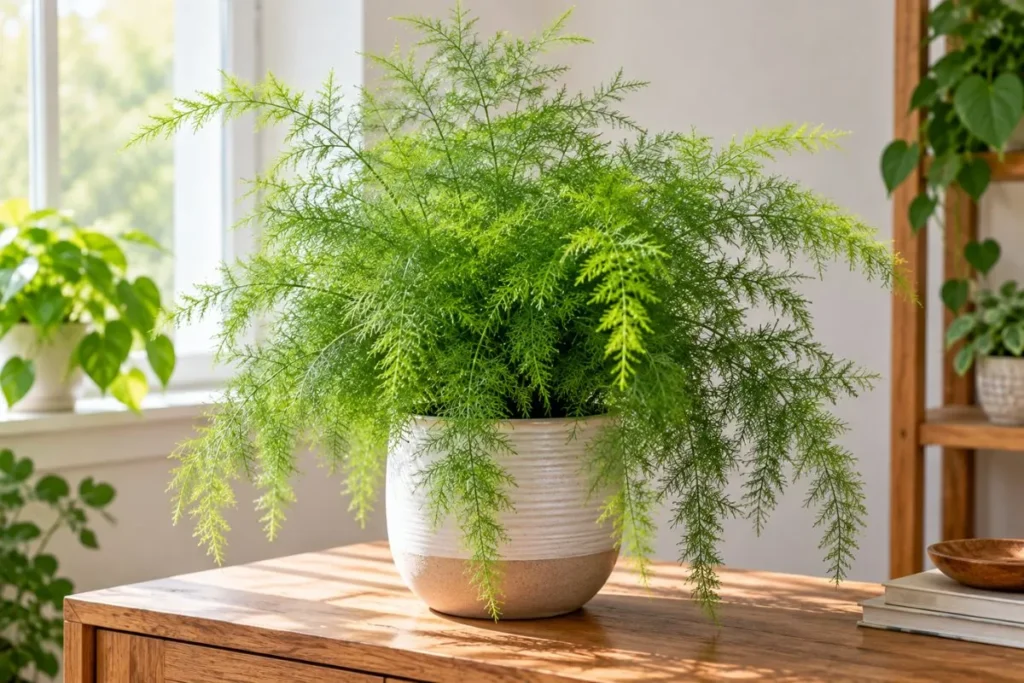
This makes it a popular choice for hanging baskets, shelves, and bright indoor corners. It prefers bright, indirect light and evenly moist soil, but it should not sit in constantly soggy conditions.
If you want a plant that resembles dill but has a softer, bushier appearance, asparagus fern is worth a closer look. Its growth habit is one of the easiest ways to separate it from an actual herb.
Ming Aralia
Ming aralia has finely divided foliage that gives it a delicate, almost fern-like appearance. Its leaves are much more structured than dill, but the narrow leaf sections can still make it look like a dill-like houseplant, particularly when viewed from above or from a distance.
One major clue is its stem. Ming aralia develops woody stems and a small tree-like structure rather than the soft herbaceous form you would expect from dill. As it matures, it can become an attractive upright indoor plant with dense foliage.
This plant works well when you want ornamental foliage plants with an unusual shape. It generally prefers bright, indirect light and consistent moisture without waterlogged soil. Its upright growth also makes it a better choice for someone looking for a taller indoor plant with fine-textured foliage.
Maidenhair Fern
Maidenhair fern is another plant that can catch your eye if you are looking for houseplants with feathery leaves. Its delicate fronds are divided into many small leaflets, creating a soft and airy texture. At first glance, this fine foliage can remind you of dill.
The difference becomes clearer when you look closely. Maidenhair fern has thin, dark stems and rounded or fan-shaped leaflets rather than the very fine thread-like leaves associated with dill. It also grows as a fern, producing fronds from its base instead of developing like a small herb.
This is a beautiful option for people who enjoy delicate foliage houseplants, but it is not usually the easiest choice for beginners. It likes steady moisture, higher humidity, and bright but filtered light. Letting its soil dry out too much can quickly cause its delicate foliage to suffer.
Asparagus Plumosus
Asparagus plumosus, often called plumosa fern, has exceptionally fine foliage and is one of the stronger visual matches for a houseplant with leaves that look like dill. Its stems carry masses of tiny, needle-like structures, creating a soft cloud of green.
Its growth pattern helps distinguish it from dill. Instead of forming the typical upright herb shape, it can develop long, branching stems that spread or climb. This gives it an airy appearance that works especially well in decorative indoor arrangements.
For indoor growing, provide bright, indirect light and good drainage. Keep the growing medium lightly and consistently moist rather than allowing it to become waterlogged. Its fine texture makes it a good choice when your main goal is an unusual, wispy foliage effect.
Asparagus Sprengeri
Asparagus sprengeri is another asparagus relative that can resemble dill because of its fine green foliage. It tends to have a fuller, more cascading appearance, so it works especially well in hanging containers.
The foliage is not actually dill foliage, even though its soft texture can create a similar visual effect. Look at the overall plant shape and you will notice that it produces longer, arching growth rather than the compact upright structure of dill.
This dill-like indoor plant prefers bright, indirect light but can adapt to slightly lower light conditions. Water when the upper layer of soil begins to dry, and make sure excess water can escape through the drainage holes.
Fishtail Fern
Fishtail fern offers a different version of the feathery look. Its fronds are divided and textured, giving the plant an airy appearance that may remind some people of fine herb foliage.
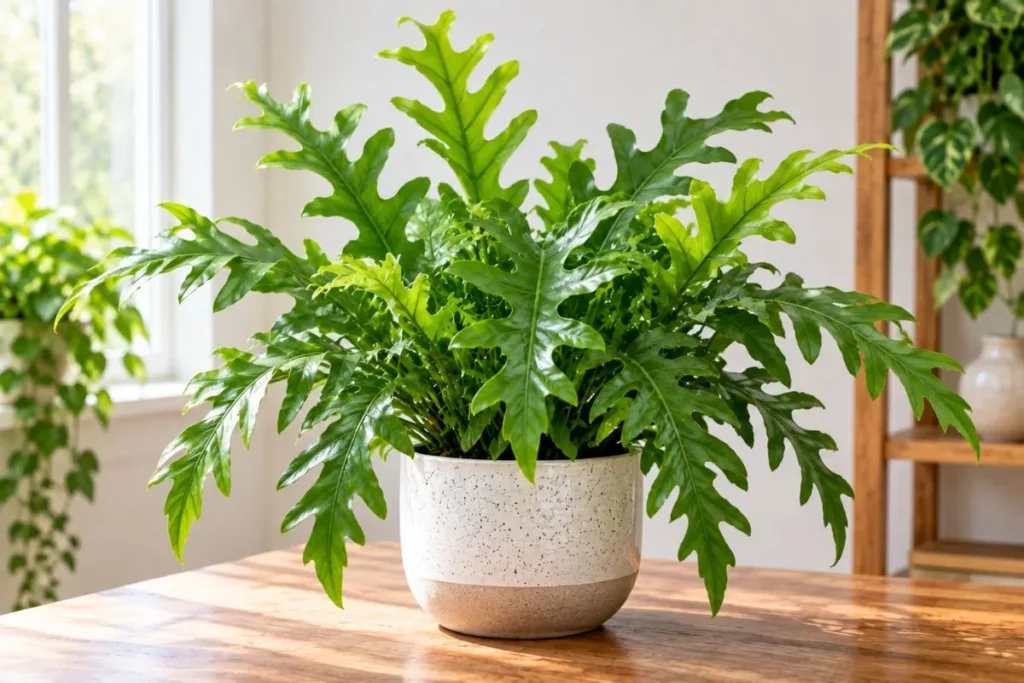
The easiest way to recognize it is by the shape of its individual leaf sections. They are broader and more defined than dill’s extremely fine foliage. The plant also forms a fern-like clump rather than growing as a culinary herb.
It can be a good choice for someone interested in plants with feathery foliage but wanting something more dramatic. Give it suitable filtered light, good drainage, and regular moisture to keep the foliage looking fresh.
Rabbit’s Foot Fern
Rabbit’s foot fern has finely divided fronds that can create a soft, wispy effect. Its foliage may look somewhat dill-like when the plant is young or viewed from a distance, although the leaf structure becomes easier to recognize up close.
A useful identification clue is its fuzzy rhizomes, which grow across the surface of the potting mix. Those unusual rhizomes are completely different from what you would see on dill.
This fern generally appreciates bright, indirect light and moderate to high humidity. It is a good pick for someone who wants unique houseplants with interesting foliage and a distinctive growth habit.
Lace Fern
Lace fern has finely divided foliage that gives it a delicate, lace-like texture. That detailed foliage can create the same airy visual impression people notice when they see dill.
However, the leaflets are more organized into fern fronds, while dill develops much finer herb-like leaves. The plant’s overall structure is another useful clue because it tends to look more like a fern than a kitchen herb.
If you enjoy wispy foliage plants, lace fern can add a light, decorative feel to an indoor plant collection. It generally performs best with filtered light, suitable humidity, and soil that stays lightly moist without becoming saturated.
Asparagus Fern ‘Myersii’
Asparagus fern ‘Myersii’, often called foxtail fern, has dense, upright sprays of fine green growth. Its texture can make it appear similar to dill at first, particularly because the foliage is narrow and closely packed.
The growth habit is the giveaway. Instead of producing thin herb stems, this plant forms upright, bottlebrush-like sprays. Its dense shape also makes it look fuller than most dill plants.
It can work well as a decorative tabletop or floor plant when given enough space. Bright, indirect light and moderate watering usually help maintain healthy growth. Avoid keeping the roots constantly wet.
Sensitive Plant
The sensitive plant has finely divided leaves that give it a delicate, fern-like appearance. This makes it an interesting candidate when searching for a plant that looks like dill indoors.
Its leaves are more noticeably divided and often have a broader structure than dill. Another fascinating feature is its ability to fold its leaflets when touched or disturbed. That movement is a strong identifying feature that sets it apart from ordinary herb plants.
Sensitive plants prefer warmth, bright light, and consistent moisture. They can be more demanding than some other fine-leaved plants, so they are better suited to plant owners who do not mind giving their indoor greenery a little extra attention.
Asparagus Fern ‘Sprengeri’ or Similar Fine-Textured Varieties
Some fine-textured asparagus varieties can also create a surprisingly dill-like appearance because their foliage is made up of masses of tiny green structures. Their airy texture is especially noticeable when several stems grow together.
The main difference is their growth pattern. These plants usually develop arching, trailing, or branching stems rather than the simple herb-like structure associated with dill. Their foliage also tends to remain decorative rather than developing into the familiar form of a culinary herb.
These varieties can be useful when you want green feathery houseplants that add texture without taking up too much visual space. Give them suitable light, avoid overwatering, and prune damaged or overly long growth when needed.
Which One Looks Most Like Dill?
If your main goal is to find a house plant that looks like dill, focus on the plants with the finest, most divided foliage. Asparagus fern and its fine-textured relatives usually create the strongest visual resemblance, while maidenhair fern and other delicate ferns offer a softer interpretation of the same airy look.
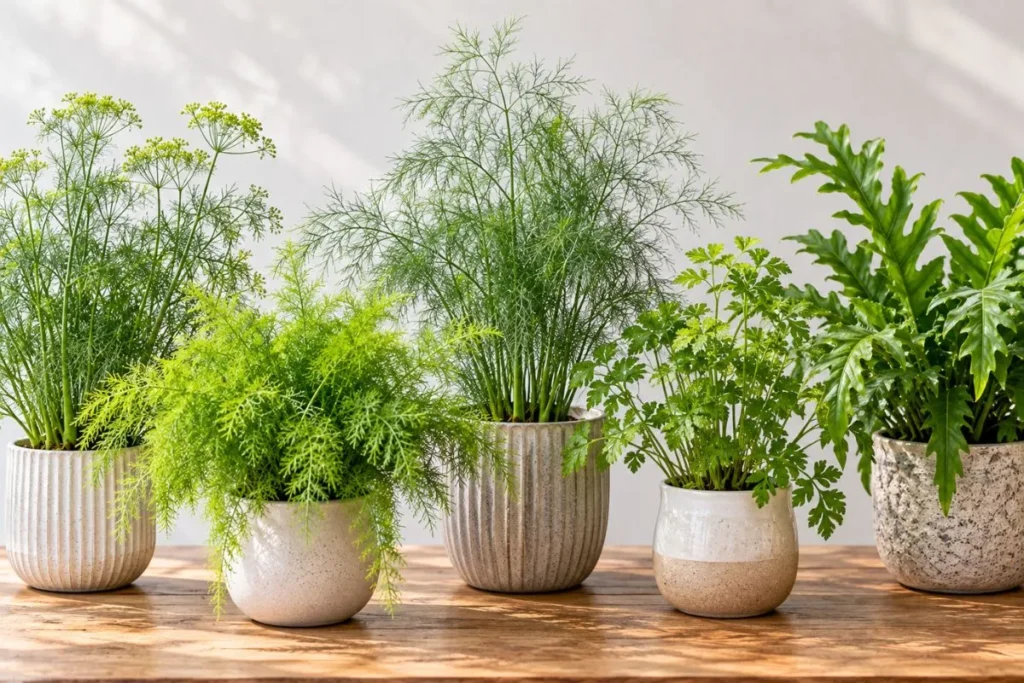
Still, the closest visual match is not always the easiest plant to grow. Before choosing one, consider its light requirements, watering needs, mature size, and growth habit. A plant may have dill-like feathery leaves, but its care routine can be completely different from growing actual dill.
Section 4. How to Tell a Dill-Like Houseplant From Actual Dill
A house plant that looks like dill is not necessarily dill just because its foliage has the same soft, feathery appearance. In fact, relying only on visual similarity can lead to a wrong identification. If you want to know whether you have actual dill or a dill-like houseplant, look at several features together. The leaves, stem, growth habit, and mature features can give you much stronger clues.
Check the Leaf Structure
Start with the leaves because they are usually the first thing you notice. Dill has extremely fine, thread-like leaves that appear almost hair-like. The foliage is soft, delicate, and divided into narrow sections. Some houseplants with feathery leaves can create a similar effect, but their leaflets are often arranged differently.
Look closely at the individual sections instead of viewing the whole plant at once. Are the leaves extremely thin like tiny threads, or do they have small, visible leaflets? Are they arranged along a fern-like frond or spread across a branching stem? These small details can help you distinguish a plant that resembles dill from actual dill.
4.2 Look at the Stem
The stem is another useful clue that many people overlook. Dill normally has a soft, green, herbaceous stem. It does not develop the woody structure you may see on many ornamental houseplants.
When examining an indoor plant that looks like dill, gently observe how its stems develop. A woody, stiff, branching stem points away from dill. Long arching stems, climbing growth, or stems covered with tiny foliage structures can also suggest that you are looking at an ornamental plant rather than a culinary herb.
This is especially helpful when identifying fine-leaved plants that look similar from the top but have very different structures underneath.
Check the Plant’s Growth Habit
Next, step back and look at the entire plant. Growth habit can reveal more than a single leaf ever will. Dill generally grows as an upright herb with delicate foliage arranged along its stems. A dill-looking houseplant may instead grow as a dense clump, an upright woody plant, or a trailing and arching plant.
Ask yourself whether the plant grows upward like an herb, spreads outward, hangs over the edge of its pot, or produces fern-like fronds. These differences are valuable during indoor plant identification.
For example, a plant with long cascading stems and very fine foliage may look like dill at first, but its trailing habit gives you a strong clue that it belongs to a different group. The overall shape, branching pattern, and direction of growth can quickly narrow down the possibilities.
Look for Flowers or Other Identifying Features
If the leaves and stems still leave you unsure, wait for other identifying features to appear. Flowers can be especially useful because many plants that look alike have completely different blooms.
Dill can produce small yellow flowers arranged in flat-topped clusters. An ornamental houseplant similar to dill may produce flowers with a completely different shape, color, or arrangement. Some plants may also have distinctive fruits, berries, rhizomes, leaf movements, or unusual stems that make identification much easier.
Do not rush the process just because the foliage looks familiar. When asking, “What plant has feathery leaves like dill?”, the best answer often comes from combining several characteristics rather than matching one visual feature.
Use Several Clues Together
The easiest way to identify a houseplant with leaves that look like dill is to compare multiple features at once. Check the leaf structure first, then examine the stem, growth habit, mature size, and flowers or other unusual characteristics.
This approach is much more reliable than searching for a picture that looks similar.
Most importantly, never assume an unidentified plant is edible because it resembles dill. A visual match is not proof of identity. Proper identification should always come before using any plant as a culinary herb.
Frequently Asked Questions
What house plant looks like dill?
Several plants can have dill-like foliage, especially those with fine, divided, or feathery leaves. Asparagus fern is one of the more noticeable examples because its soft, airy foliage can look similar to dill from a distance. However, the two plants have different growth habits and care needs.
What is the best house plant that looks like dill?
The best choice depends on the look you want and your growing conditions. Asparagus fern can be a good option if you want fine, airy foliage, while some delicate ferns provide a softer appearance. When choosing a house plant that looks like dill, always consider light, watering, humidity, and available space instead of choosing by appearance alone.
What indoor plant looks like dill?
An indoor plant that looks like dill may have thin, divided, or feathery foliage. Asparagus fern, Ming aralia, maidenhair fern, and other fine-textured plants can create a similar visual effect. Looking at the stems and overall growth pattern can help you identify the plant more accurately.
What plant has feathery leaves like dill?
Plants with finely divided foliage can look surprisingly similar to dill. Asparagus fern is a popular example, while maidenhair fern offers another type of delicate, feathery appearance. The exact leaf structure matters because not every plant with feathery leaves like dill is closely related to it.
Are there plants that look like dill indoors?
Yes. There are several plants that look like dill indoors, especially ornamental plants with fine or wispy foliage. Their similarity usually comes from leaf texture rather than their botanical relationship. Some grow upright, while others trail, spread, or form fern-like fronds.
What houseplant has leaves that look like dill?
A houseplant with leaves that look like dill may include asparagus fern and other finely textured ornamental plants. The closest match depends on how thin and divided the foliage is. Check the individual leaf sections, stem structure, and growth habit before deciding what plant you have.
Is a dill-looking houseplant actually dill?
Not necessarily. A dill-looking houseplant can belong to a completely different plant group. Similar foliage does not prove that a plant is dill. If you are unsure, identify the plant using several characteristics rather than relying on its appearance alone.
Are dill-like houseplants edible?
Never assume an unidentified plant is edible. A dill-like houseplant may be an ornamental species with completely different properties from culinary dill. Only use a plant for cooking after you have positively identified it as an edible species.
What is an easy-care house plant that looks like dill?
Some asparagus fern varieties can provide a dill-like, feathery appearance without requiring the same growing conditions as culinary herbs. However, “easy care” depends on your indoor environment. Choosing a plant that matches your available light and watering routine will usually make care much easier.
15.10 How can I identify a houseplant similar to dill?
Start by examining the foliage closely. Then check the stems, branching pattern, growth habit, mature size, and any flowers or unusual features. Comparing several characteristics gives you a better chance of identifying a houseplant similar to dill correctly.
Conclusion:
Finding a house plant that looks like dill can be surprisingly interesting. Fine, divided, and feathery foliage appears in many different ornamental plants, so two plants can look similar without being related. That is why a quick glance at the leaves is not always enough to identify what you are seeing.
If you come across a plant that resembles dill, take a closer look at its complete structure. Examine the leaves, stems, branching pattern, and growth habit. Flowers and other mature features can also provide useful clues.
These simple checks make indoor plant identification much easier and help you avoid confusing an ornamental plant with a culinary herb.
Whether you want an unusual houseplant, a decorative plant with airy foliage, or simply want to identify something already growing in your home, there are plenty of interesting options to explore.
The right dill-like houseplant should not only match the appearance you love but also fit your home’s light, space, and care conditions.
Most importantly, do not choose or consume a plant based on looks alone. A plant may have beautiful dill-like feathery leaves and still have completely different characteristics. Identify it first, understand its care needs, and then enjoy the unique foliage it brings to your indoor space.

Plant Nest Blog’s author is passionate about plants, gardening, and sustainable living. Through research and practical experience, they share helpful plant care tips, gardening guides, and easy solutions to help readers grow healthier plants and create greener spaces.