
Best Plants to Attract Butterflies are often thought to be nothing more than colorful flowers, but that’s a common misconception. Many people believe that simply planting a few bright blooms is enough to attract butterflies.
In reality, butterflies look for much more than eye-catching colors. They prefer plants that provide nectar, support their life cycle, and create a safe, welcoming habitat throughout the growing season.
They need nectar-rich flowers, safe places to rest, and butterfly host plants where they can lay their eggs. Without the right combination of butterfly-friendly plants, your garden may stay beautiful but still attract very few butterflies.
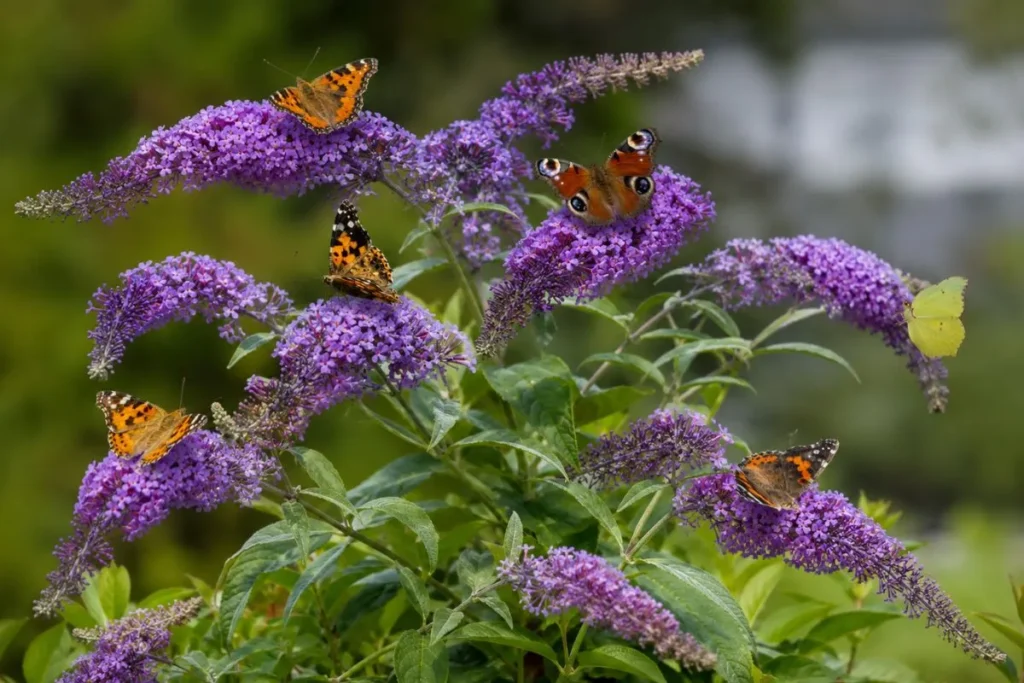
The good news is that creating a butterfly-friendly space is much easier than most people think. Choosing the right plant to attract butterflies can turn even a small backyard, balcony, or patio into a lively habitat full of colorful visitors.
In this guide, you’ll discover the best plant to attract butterflies in the garden, learn how to choose the right species for your climate, and explore flowers that attract butterflies, support other pollinators, and help create a thriving pollinator garden naturally.
What Makes a Plant Attractive to Butterflies?
Not every flowering plant is a butterfly magnet. While butterflies are naturally drawn to colorful blooms, they stay where they can easily find food, shelter, and a safe place to reproduce.
If you’re choosing plants to attract butterflies, it’s important to understand what these beautiful pollinators actually need.
Butterflies Need More Than Pretty Flowers
Butterflies depend on flowers that produce plenty of nectar. Nectar is their main food source and gives them the energy they need to fly, feed, and reproduce. That’s why nectar plants for butterflies are the heart of every successful butterfly garden.
Color also plays a big role. Butterflies are especially attracted to bright shades like purple, pink, orange, yellow, red, and white. However, color alone isn’t enough. They prefer flowers with flat or clustered blooms because these provide a comfortable landing spot while they feed.
Fragrance is another important factor. Many butterfly nectar flowers produce a sweet scent that helps butterflies locate them from a distance. Plants like lavender, salvia, and lantana are excellent examples because they combine vibrant colors with abundant nectar.
If your goal is to grow easy plants to attract butterflies naturally, choose flowers that bloom from spring through fall. A longer blooming season provides a steady food supply and encourages butterflies to visit your garden more often.
The Difference Between Nectar Plants and Host Plants
One of the biggest mistakes gardeners make is planting only nectar flowers. While these flowers feed adult butterflies, they don’t help butterflies complete their life cycle.
Nectar plants provide food for adult butterflies. Every time you see a butterfly sipping nectar, it’s gathering energy from these flowering plants.
Host plants, on the other hand, serve a completely different purpose. Female butterflies lay their eggs on these plants, and once the eggs hatch, the caterpillars feed on the leaves. Without butterfly host plants, butterflies have no place to reproduce, making your garden less valuable for long-term butterfly conservation.
For example, milkweed is one of the most important plants that attract Monarch butterflies naturally because it’s both a favorite egg-laying plant and an essential food source for Monarch caterpillars. That’s why gardeners looking for the best perennial plants to attract butterflies often include milkweed as a top choice.
The healthiest butterfly gardens combine both nectar-rich flowers and host plants. This creates a complete butterfly habitat, supports pollinator populations, and encourages butterflies to return year after year.
Whether you’re building a large backyard landscape or searching for butterfly-friendly plants for small gardens, including both types of plants is the secret to creating a colorful, thriving outdoor space.
How to Choose the Best Plant to Attract Butterflies
Many people think that buying the most popular flowering plant is enough to attract butterflies. In reality, there isn’t one perfect plant to attract butterflies for every garden.
The best choice depends on your local climate, the type of soil you have, and the butterflies that naturally live in your area. By selecting the right plants for your conditions, you’ll enjoy a healthier garden filled with butterflies throughout the growing season.
Consider Your Climate
The first step in choosing plants to attract butterflies is understanding your local climate. A plant that thrives in a warm, sunny region may struggle in cooler areas. Instead of selecting flowers based only on their appearance, choose varieties that naturally grow well where you live.
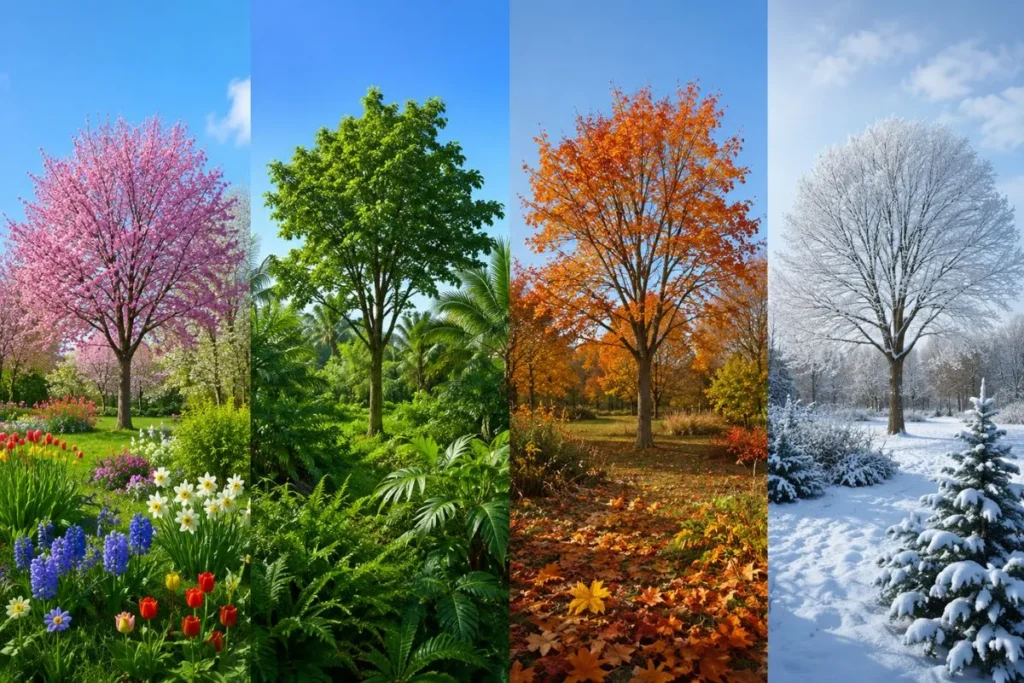
For example, gardeners in hot climates often have great success with lantana, salvia, and verbena because they handle heat and bloom for long periods. In cooler regions, coneflowers, asters, and black-eyed Susans are reliable choices that continue producing nectar when butterflies need it most.
If you’re looking for the best plant to attract butterflies in the garden, always check whether the plant is suitable for your growing zone. Healthy plants produce more flowers, more nectar, and attract more butterflies.
Choose Native Plants Whenever Possible
One of the easiest ways to build a successful butterfly garden is by planting native species. Native butterfly plants have adapted to local weather, rainfall, and soil conditions over many years. Because of this, they usually require less watering, fewer fertilizers, and less maintenance than non-native plants.
More importantly, local butterflies recognize native plants as natural food and breeding sources. Many native flowers also support bees, hummingbirds, and other beneficial insects, making them an excellent choice for anyone creating a pollinator garden.
If your goal is to grow native plants that attract butterflies all year, combine different native species that bloom in spring, summer, and fall. This provides a continuous supply of nectar and keeps your garden active throughout the seasons.
Pick Flowers That Bloom in Different Seasons
Butterflies need food from early spring until late fall. If all your flowers bloom at the same time, butterflies may visit for only a few weeks before moving elsewhere.
A smarter approach is to select flowering plants for pollinators with different blooming periods. Early-season flowers help butterflies after winter, summer flowers provide the largest nectar supply, and late-season blooms support migrating butterflies before colder weather arrives.
Mixing bloom times also makes your garden more colorful throughout the year. Plants like lavender can flower in early summer, zinnias bloom through the hottest months, while asters continue producing flowers well into autumn.
This simple strategy helps you create colorful flowering plants to attract butterflies that provide a reliable food source for months instead of weeks.
Mix Annuals and Perennials
Another smart gardening tip is to grow both annual and perennial flowers. Each type offers unique benefits , and together they create a healthier butterfly habitat.
Annual flowers for butterflies, such as zinnias and cosmos, grow quickly and usually bloom heavily during one season. They are perfect if you want instant color and plenty of nectar.
Perennial butterfly plants, including coneflowers, salvia, and butterfly weed, return every year with very little effort. Once established, they become dependable nectar sources while reducing long-term gardening costs.
If you’re searching for the best perennial plants to attract butterflies, combining them with annual flowers gives you the perfect balance of long-lasting structure and continuous seasonal blooms.
Avoid Pesticides
Even the most beautiful butterfly garden can fail if pesticides are used regularly. Many chemical sprays don’t just kill harmful insects-they also harm butterflies, caterpillars, bees, and other valuable pollinators.
Instead, focus on natural gardening practices. Encourage beneficial insects, remove pests by hand when necessary, and use organic solutions only as a last resort. Healthy gardens naturally develop a balance between insects without relying heavily on chemicals.
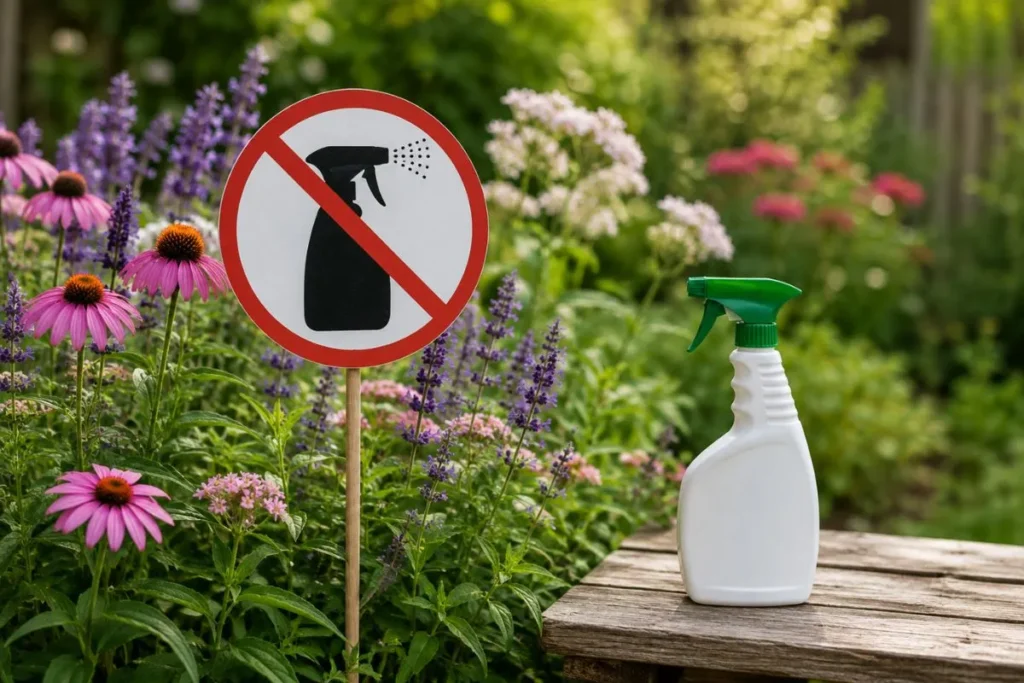
Creating a safe environment is just as important as choosing the right butterfly-friendly plants. Whether you’re growing low-maintenance plants to attract butterflies, designing a backyard pollinator space, or planting butterfly-friendly plants for small gardens, avoiding pesticides allows butterflies to feed, reproduce, and thrive naturally.
By matching plants to your climate, choosing native species, planning for year-round blooms, mixing annuals with perennials, and gardening without harmful chemicals, you’ll build a vibrant butterfly garden that supports pollinators and stays full of life season after season.
Best Plants to Attract Butterflies
Many gardeners believe that every flowering plant will attract butterflies. Unfortunately, that’s not true. Some flowers produce very little nectar, while others don’t provide the food or shelter butterflies need.
If you want a garden filled with colorful butterflies, choosing the right plant to attract butterflies makes all the difference. The plants below are known for their nectar-rich blooms, long flowering seasons, and ability to support healthy butterfly populations.
Milkweed – The Top Choice for Monarch Butterflies
If there’s one plant every butterfly lover should consider, it’s milkweed. It’s widely regarded as one of the best plants that attract Monarch butterflies naturally because Monarch butterflies depend on it throughout their entire life cycle.
Adult butterflies feed on its nectar, while females lay their eggs on the leaves. After the eggs hatch, the caterpillars feed exclusively on milkweed, making it one of the most valuable butterfly host plants you can grow.
Milkweed thrives in full sunlight and prefers well-drained soil. Once established, it requires very little maintenance. Avoid using pesticides around the plant, and let the seed pods mature naturally if you’d like more plants to grow the following season.
If you’re searching for the best perennial plants to attract butterflies, milkweed should be one of your first choices.
Lavender
Lavender is famous for its calming fragrance, but it’s also one of the best flowers that attract butterflies. Its long spikes of purple flowers produce plenty of nectar, giving butterflies a dependable food source throughout the summer.
At the same time, bees are also attracted to its blooms, making lavender an excellent addition to any pollinator-friendly garden.
This plant grows best in full sun with well-drained soil. Once established, it needs very little water, making it an excellent option for gardeners looking for easy plants to attract butterflies naturally. Light pruning after flowering helps encourage healthy growth and more blooms the following season.
Coneflower (Echinacea)
Coneflowers are among the most dependable butterfly-friendly plants because they bloom for a long time and produce large flowers that are easy for butterflies to land on while feeding. Their bright petals and nectar-rich centers attract many butterfly species throughout the growing season.
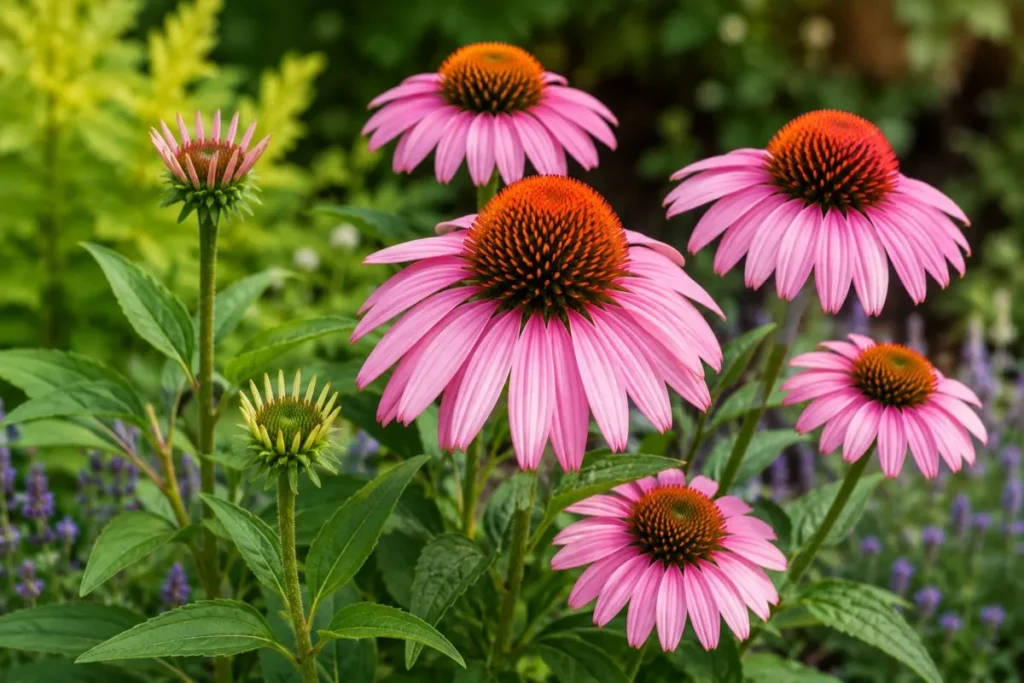
These hardy perennials are drought-tolerant and easy to care for. They perform best in sunny locations and only need regular watering while becoming established. Even after flowering, their seed heads provide food for birds, making coneflowers valuable throughout the year. If you’re looking for the best flowers for butterflies, coneflowers are an excellent choice.
Lantana
Lantana is one of the most colorful flowering plants you can add to your butterfly garden. It produces clusters of bright yellow, orange, pink, purple, and red flowers that bloom continuously from late spring until the first frost. This long flowering season provides butterflies with a reliable nectar source for months.
Lantana loves warm weather and full sunlight. Once established, it’s highly drought-tolerant and requires minimal care. Removing faded flowers encourages even more blooms, making it one of the most low-maintenance plants to attract butterflies.
Zinnias
Zinnias are popular with gardeners because they’re easy to grow and produce vibrant flowers in many different colors. Butterflies are especially attracted to their open blooms, which provide easy access to nectar.
These annual flowers grow quickly from seed and continue blooming throughout the summer when old flowers are removed regularly. If you’re searching for annual flowers for butterflies, zinnias offer one of the simplest ways to fill your garden with color while attracting butterflies naturally.
Butterfly Weed
Despite its name, butterfly weed is one of the most attractive native butterfly plants available. It belongs to the milkweed family and produces brilliant orange flowers that butterflies love. Like common milkweed, it also supports Monarch butterflies by providing both nectar and a place for egg-laying.
Butterfly weed grows best in sunny areas with well-drained soil and becomes very drought-tolerant once mature. Because it develops a deep taproot, it’s best planted in a permanent location where it can continue growing for many years. It’s considered one of the best plants to attract butterflies in the garden, especially if you prefer native species.
Salvia
Salvia produces tall spikes of nectar-rich flowers that bloom for an extended period. Butterflies visit these colorful blooms frequently, while hummingbirds and bees also benefit from the abundant nectar.
This plant thrives in full sunlight and handles dry conditions very well. Removing faded flower spikes encourages additional blooms, giving butterflies even more opportunities to feed throughout the season. Salvia is one of the most dependable butterfly nectar flowers for home gardens.
Bee Balm
Bee balm is another excellent choice if you want a lively garden full of pollinators. Its bright red, pink, purple, or lavender flowers are rich in nectar and attract butterflies, hummingbirds, and bees throughout
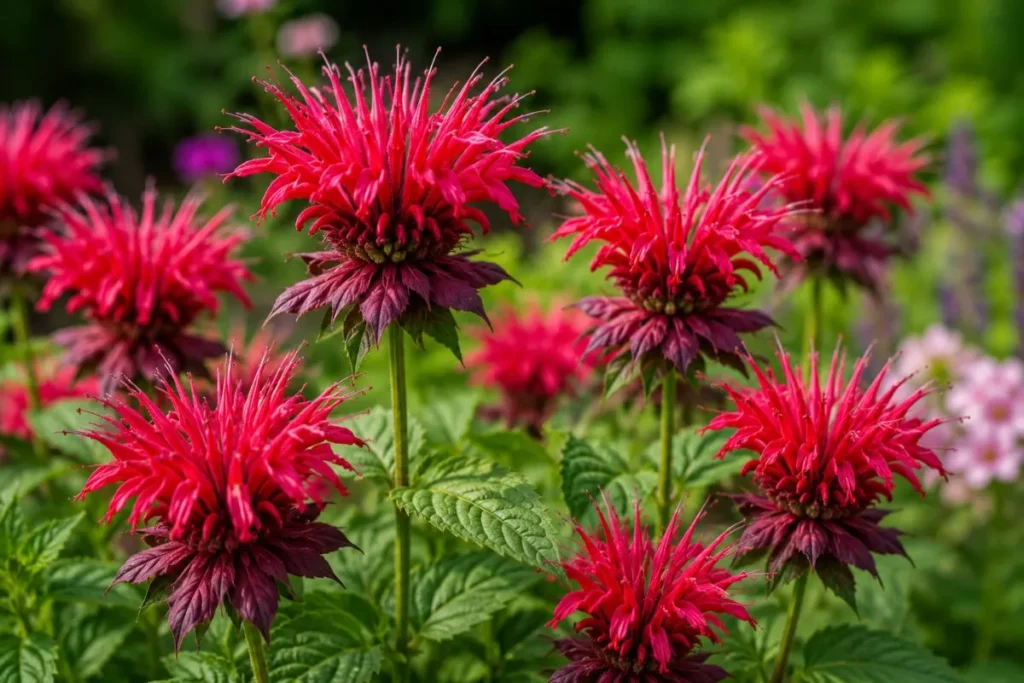
summer.
Bee balm grows well in sunny or partially shaded locations with good air circulation. Dividing mature plants every few years helps keep them healthy and encourages vigorous flowering. If your goal is to grow the best flowers to attract butterflies and bees, bee balm is a fantastic option.
Black-Eyed Susan
Black-Eyed Susans are cheerful, easy-to-grow flowers that brighten the garden while providing nectar for butterflies. Their bright yellow petals stand out from a distance, making them easy for butterflies to spot.
These hardy plants prefer full sunlight and tolerate dry conditions once established. With very little maintenance, they continue blooming for weeks and also provide seeds that birds enjoy later in the season. They are among the most reliable low-maintenance plants to attract butterflies.
Aster
Asters are especially valuable because they bloom late in the season when many other flowers have finished flowering. Their nectar helps butterflies prepare for migration and survive as temperatures begin to cool.
They perform best in sunny areas with consistently moist soil. Adding asters to your garden extends the flowering season and supports butterflies when nectar sources become scarce. They’re an excellent choice if you’re planting native plants that
Best Plants to Attract Monarch Butterflies
Many people think that Monarch butterflies will visit any flower with bright colors. In reality, Monarchs are much more selective than other butterfly species.
While they enjoy nectar from many flowers, they depend on specific plants that attract Monarch butterflies naturally to survive and reproduce.
Planting the right combination of nectar and host plants is the key to welcoming these beautiful butterflies into your garden.
Milkweed – The Most Important Plant
Milkweed is without question the most important plant to attract butterflies, especially Monarchs. Female Monarch butterflies lay their eggs only on milkweed, and the caterpillars feed exclusively on its leaves after hatching.
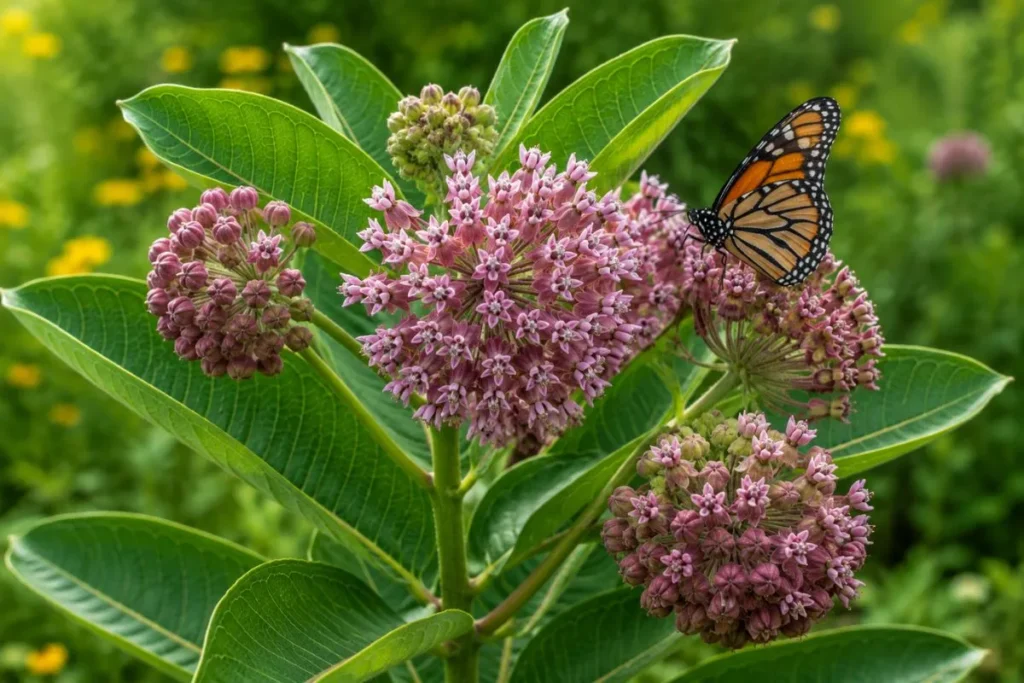
Without milkweed, Monarch butterflies cannot complete their life cycle. This makes it an essential addition to any butterfly-friendly garden.
Butterfly Weed – A Colorful Native Choice
Butterfly weed is a native variety of milkweed that produces brilliant orange flowers packed with nectar. It not only attracts adult Monarch butterflies but also provides a safe place for them to lay eggs. Because it is drought-tolerant and easy to grow, butterfly weed is one of the best perennial plants to attract butterflies for both beginners and experienced gardeners.
Goldenrod – A Valuable Late-Season Nectar Source
Goldenrod is often mistaken for a weed, but it is actually one of the best butterfly-friendly plants for supporting Monarch butterflies during late summer and early fall. Its bright yellow flowers provide a rich supply of nectar when many other plants have stopped blooming, helping Monarchs build the energy they need before migration.
Aster – Essential for Fall Migration
Asters bloom later than most garden flowers, making them one of the most valuable flowers that attract butterflies at the end of the growing season. Their nectar-rich blooms provide an important food source for migrating Monarch butterflies and many other pollinators.
Planting asters alongside milkweed creates a garden that supports Monarchs from spring through fall.
By combining milkweed, butterfly weed, goldenrod, and asters, you can create a healthy habitat that supports every stage of the Monarch butterfly’s life.
These native plants that attract butterflies all year not only add beauty to your garden but also play an important role in protecting one of nature’s most iconic pollinators.
Frequently Asked Questions (FAQ)
What is the best plant to attract butterflies?
There isn’t a single best plant to attract butterflies because different butterfly species prefer different flowers. However, milkweed, lavender, coneflowers, lantana, and salvia are among the most popular choices. Planting a mix of these butterfly-friendly plants provides nectar throughout the growing season and attracts a wider variety of butterflies.
Which flowers attract butterflies the fastest?
Flowers that produce plenty of nectar usually attract butterflies quickly. Zinnias, lantana, verbena, bee balm, and lavender are excellent choices because they bloom heavily and are easy for butterflies to feed from.
Healthy, blooming flowers in sunny locations tend to attract butterflies sooner than newly planted gardens.
What colors attract butterflies the most?
Butterflies are naturally attracted to bright colors such as purple, pink, red, orange, yellow, and white. These colors are easier for them to spot while searching for nectar. Growing a variety of colorful flowers that attract butterflies also makes your garden more appealing to different butterfly species.
Can I attract butterflies in a small garden?
Absolutely. You don’t need a large backyard to create a butterfly-friendly space. Many butterfly-friendly plants for small gardens, such as verbena, lavender, salvia, and zinnias, grow well in containers, raised beds, or balcony planters. As long as the plants receive enough sunlight and produce nectar, butterflies will happily visit.
Do butterflies prefer native plants?
Yes. Native butterfly plants are often the best choice because they naturally grow in your local environment and provide familiar food sources for native butterfly species. They also require less maintenance and help support a healthy ecosystem by benefiting bees, birds, and other pollinators.
Which plants attract butterflies all summer?
Several plants continue blooming throughout the summer, providing a steady supply of nectar. Lantana, zinnias, salvia, verbena, bee balm, and lavender are among the best flowers for butterflies during the warmer months. Mixing these plants helps ensure your garden stays attractive to butterflies from spring until fall.
How can I attract Monarch butterflies naturally?
The easiest way to attract Monarch butterflies is by planting milkweed and butterfly weed. These plants attract Monarch butterflies that naturally provide both nectar for adult butterflies and leaves for Monarch caterpillars to feed on. Adding late-season flowers like asters and goldenrod also helps support Monarchs during migration.
Are butterfly-friendly plants also good for bees?
Yes. Most butterfly-friendly plants are also excellent for bees because they produce nectar and pollen. Lavender, bee balm, salvia, coneflowers, and lantana are perfect examples of flowers to attract both butterflies and bees, helping to create a thriving pollinator garden that benefits many beneficial insects.
Conclusion
Creating a beautiful butterfly garden isn’t about planting the most colorful flowers-it’s about choosing the right plant to attract butterflies that provides food, shelter, and a safe place for butterflies to thrive.
By combining nectar-rich flowers with butterfly host plants, selecting native species, and growing plants that bloom throughout the seasons, you can create a garden that welcomes butterflies year after year.
Whether you’re working with a large backyard or a small patio, there’s no shortage of butterfly-friendly plants to choose from. Start with easy favorites like milkweed, lavender, coneflowers, lantana, or verbena, then gradually add more flowers that attract butterflies as your garden grows.
A diverse mix of plants not only creates a colorful outdoor space but also supports bees, hummingbirds, and other important pollinators.
The best time to start is now. Even adding just a few plants to attract butterflies can make a noticeable difference.
With a little planning and the right plant selection, you’ll soon enjoy a vibrant garden filled with beautiful butterflies while helping protect these valuable pollinators for future generations

Plant Nest Blog’s author is passionate about plants, gardening, and sustainable living. Through research and practical experience, they share helpful plant care tips, gardening guides, and easy solutions to help readers grow healthier plants and create greener spaces.