
Many people think getting seeds from a sunflower is difficult or that you need to buy special seeds from a garden store. The truth is much simpler. If you harvest your sunflower at the right time, you can easily collect healthy seeds straight from the flower.
Whether you want to grow more sunflowers, enjoy roasted seeds as a snack, or feed backyard birds, learning how do you get seeds from a sunflower is easy once you know the right steps.
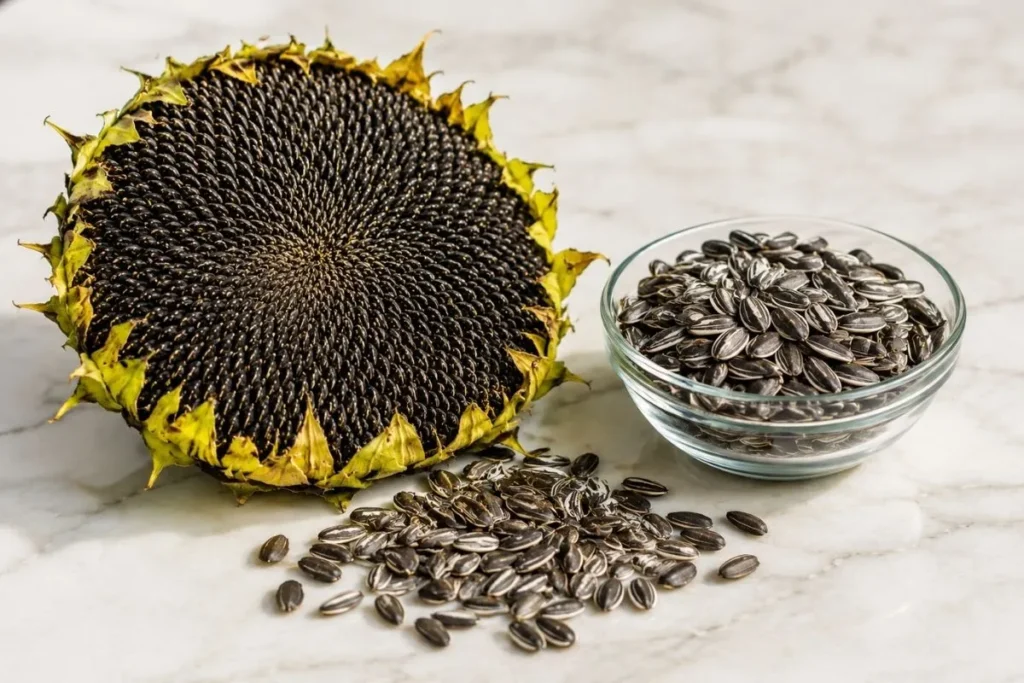
In this guide, you’ll learn how to get seeds from a sunflower from start to finish. We’ll show you when is the best time to harvest sunflower seeds, how to collect them without damaging them, dry and store them properly, and how do you get seeds from a sunflower for planting or eating.
You’ll also discover common mistakes to avoid and simple tips that help you get the biggest and healthiest sunflower seed harvest every time.
When Is the Best Time to Harvest Sunflower Seeds?
Wait Until the Sunflower Is Fully Mature
The best time to harvest sunflower seeds is when the flower has fully matured. Many gardeners make the mistake of picking the flower too early, but patience makes a big difference.
A mature sunflower produces plump, healthy seeds that are much better for planting, storing, or eating. Instead of relying on the number of days since planting, pay close attention to the flower itself. It will clearly show you when it’s ready for harvest.
Signs Your Sunflower Is Ready for Harvest
A few simple signs can tell you when you’ve reached the best time to harvest sunflowers. The back of the sunflower head changes from green to yellow and eventually turns brown.
Most of the bright yellow petals will have dried up or fallen off, and the flower head may start to droop under the weight of the seeds. If you gently rub the center of the flower and the ripe sunflower seeds come out easily, it’s a clear sign the sunflower is ready to harvest.
How Long Does It Take for Sunflower Seeds to Mature?
Most sunflower varieties take around 80 to 120 days to reach maturity, although the exact timing depends on the variety and growing conditions. Warm, sunny weather usually helps seeds mature faster, while cool or rainy conditions can delay the process.
Rather than counting days, it’s always better to watch for the physical signs of a mature sunflower head, as every plant develops at its own pace.
Why Harvesting Too Early Can Ruin Your Seeds
Harvesting before the seeds are fully developed often leads to disappointing results. Immature sunflower seeds usually have soft shells, smaller kernels, and lower sunflower seed viability, making them less likely to germinate if you plan to grow new plants.
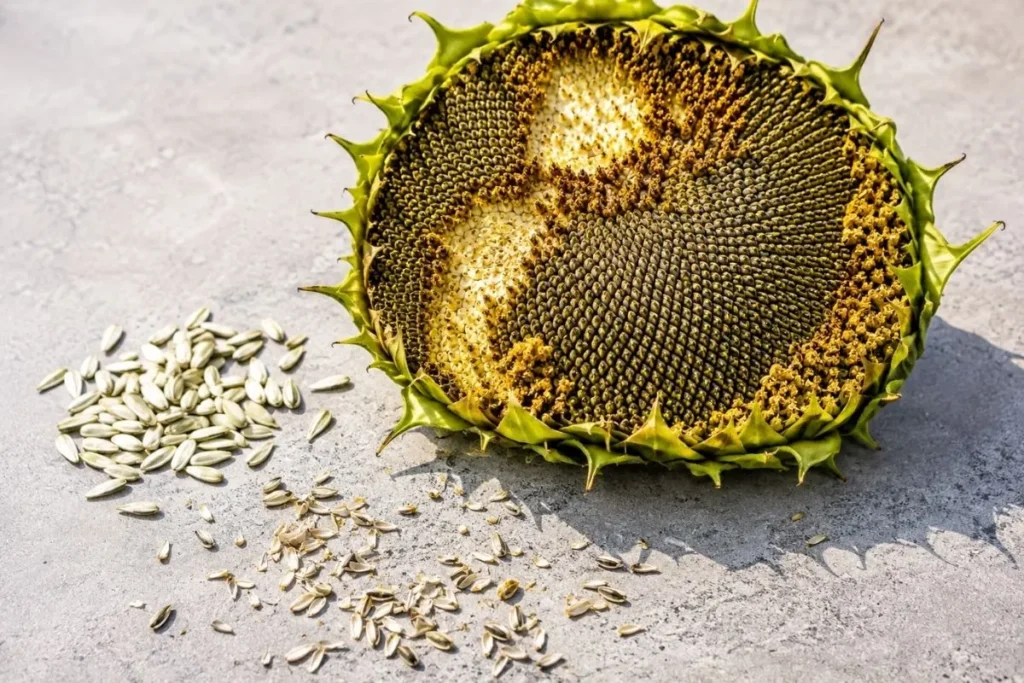
They also don’t store as well and won’t have the rich flavor that edible sunflower seeds are known for. Waiting until the seeds are fully mature gives you the highest-quality harvest.
Don’t Leave the Seeds on the Plant for Too Long
Although it’s important to wait until the seeds are ready, leaving them on the sunflower for too long isn’t a good idea either. Mature seeds attract birds, squirrels, and other wildlife that can quickly reduce your harvest.
Wet weather can also encourage mold and damage the seeds. If you notice the flower is fully mature, it’s best to collect the seeds as soon as possible to protect your backyard sunflower harvest.
Choose a Dry Day for Harvesting
Dry weather is ideal for sunflower seed harvesting. Harvesting on a sunny day after the morning dew has dried helps reduce moisture on the flower head.
Dry seeds are much easier to clean, dry further if needed, and store for long periods without developing mold. Choosing the right weather is a simple step that helps preserve the quality of your sunflower seeds.
The Perfect Time to Harvest
A good rule to remember is that your sunflower is ready when the back of the flower is brown, the petals have mostly fallen away, and the seeds are firm enough to come out with gentle pressure.
Harvesting at this stage gives you the best chance of collecting healthy seeds, whether your goal is saving sunflower seeds for next year’s garden or enjoying fresh, homegrown sunflower seeds as a tasty snack.
What You’ll Need Before Harvesting
Getting everything ready before you begin will make the harvesting process much smoother. Instead of stopping halfway to look for supplies, gather a few simple tools in advance.
These everyday items help you harvest sunflower seeds safely, keep them clean, and reduce waste during the seed collection process.
Garden Scissors or Pruning Shears
A pair of sharp garden scissors or pruning shears is one of the most useful tools for harvesting. They allow you to cut the mature sunflower head neatly without damaging the stem or disturbing the seeds. Clean cuts also make the flower easier to handle while you prepare it for drying.
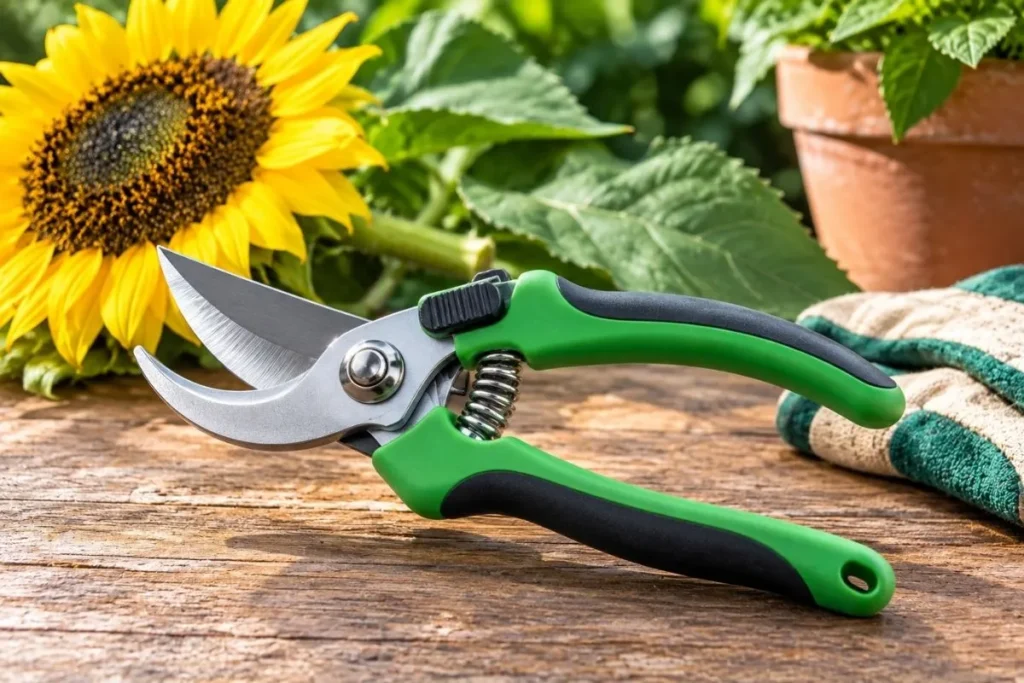
If you don’t have pruning shears, any sharp household scissors can work, provided they’re sturdy enough to cut through the thick sunflower stem.
A Paper Bag
A paper bag is surprisingly useful when collecting flower seeds. After cutting the sunflower head, you can place it inside the bag to protect it from dust, insects, and curious birds while still allowing air to circulate.
Unlike plastic bags, paper bags absorb excess moisture, helping prevent mold during the drying stage.
Many experienced gardeners also cover the flower head with a paper bag before harvesting if birds are eating the seeds.
Gardening Gloves
Sunflower stems and leaves can feel rough on your hands, especially when handling large flowers. A simple pair of gardening gloves gives you a better grip and protects your hands while cutting and moving the flower heads.
Gloves are especially helpful if you’re harvesting several plants at once as part of a larger backyard sunflower harvest.
A Tray or Bucket
As you begin removing seeds, they can scatter quickly. Placing the flower head over a tray, shallow container, or bucket catches loose seeds and keeps your workspace tidy. It also makes harvesting garden seeds much faster because you won’t need to pick seeds up from the ground afterward.
Choose a clean, dry container so your harvested seeds stay free from dirt and debris.
A Clean, Dry Cloth
Once you’ve finished collecting the seeds, a clean cloth comes in handy for wiping away loose plant material or dust. It can also be used to gently pat the sunflower head dry if there’s any leftover moisture before you begin the drying process.
Keeping everything dry from the start helps improve sunflower seed preservation and reduces the risk of mold during storage.
Why These Simple Tools Make a Difference
Using the right tools doesn’t just make harvesting easier it also helps protect the quality of your seeds. Sharp scissors prevent unnecessary damage to the flower, paper bags keep moisture under control, gloves improve handling, and a tray keeps every seed in one place.
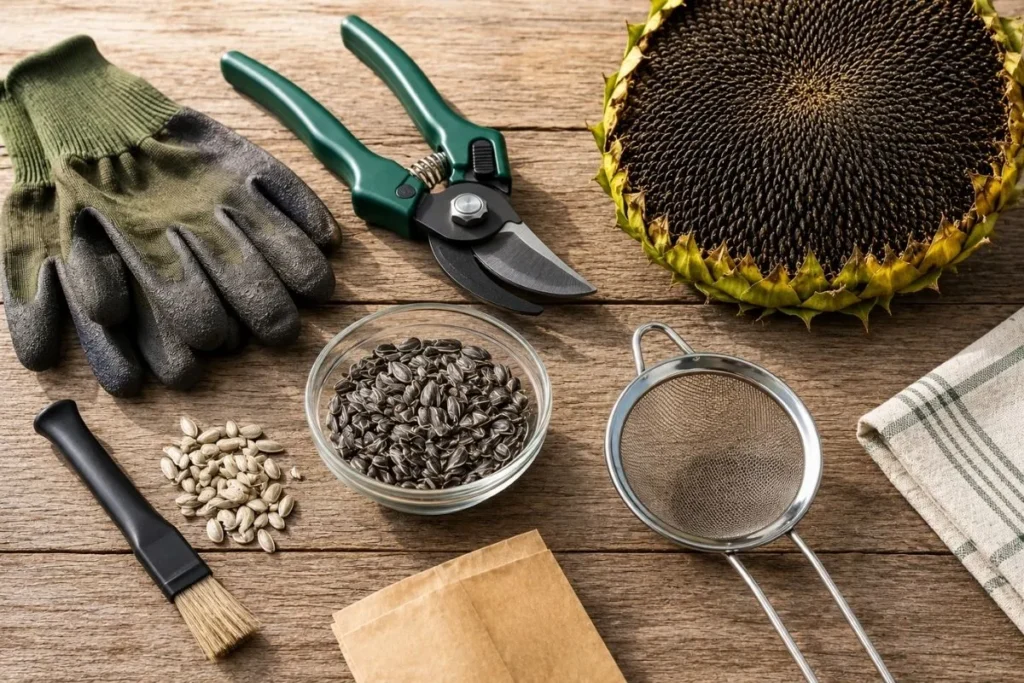
These small preparations can make a big difference whether you’re planning to save seeds for planting, enjoy edible sunflower seeds, or store them for future use.
With these basic supplies ready, you’ll be fully prepared for the next step: cutting the sunflower head and learning exactly how to get seeds from a sunflower without damaging them.
How to Get Seeds from a Sunflower (Step-by-Step Guide)
If you’ve been asking how do you get seeds from a sunflower, this step-by-step guide will walk you through the entire process. From checking whether the flower is ready to cleaning the harvested seeds, every step plays an important role.
By following this method, you’ll know how to get seeds from a sunflower the right way while keeping the seeds healthy and undamaged.
Check if the Flower Is Fully Mature
Before you do anything, make sure your sunflower is completely mature. This is the most important step because harvesting too early can result in seeds that are small, soft, and unlikely to grow.
Look closely at the flower head. The back should be brown instead of green, the bright yellow petals should have mostly dried up or fallen off, and the flower may naturally droop downward.
When you gently rub the center, the ripe sunflower seeds should loosen easily without much effort.
If the seeds still look white or feel soft when pressed, give the flower a little more time. Waiting until the mature sunflower head is fully developed will reward you with larger, healthier seeds that store better and have a much higher germination rate.
Checking these signs carefully is the first step in learning how to get seeds from a sunflower successfully.
Cut the Sunflower Head
Once the flower is ready, it’s time to remove it from the plant.
Using clean garden scissors or pruning shears, cut the stem about 6 to 12 inches below the flower head. Leaving part of the stem attached makes the sunflower much easier to carry and handle during the drying stage.
Avoid pulling or twisting the flower off the plant. This can loosen seeds before you’re ready to collect them and may damage the flower head. A clean cut keeps the seeds secure and makes the next steps much easier.
This simple technique is widely recommended in every reliable sunflower harvesting guide because it helps reduce seed loss during harvesting.
Dry the Sunflower Head
One of the biggest secrets to how do you get seeds from a sunflower is allowing the flower head to dry completely before removing the seeds.
Place the sunflower head in a warm, dry, and well-ventilated location. Many gardeners hang it upside down using string, while others place it inside a paper bag to protect it from dust and insects. Both methods work well as long as air can circulate around the flower.
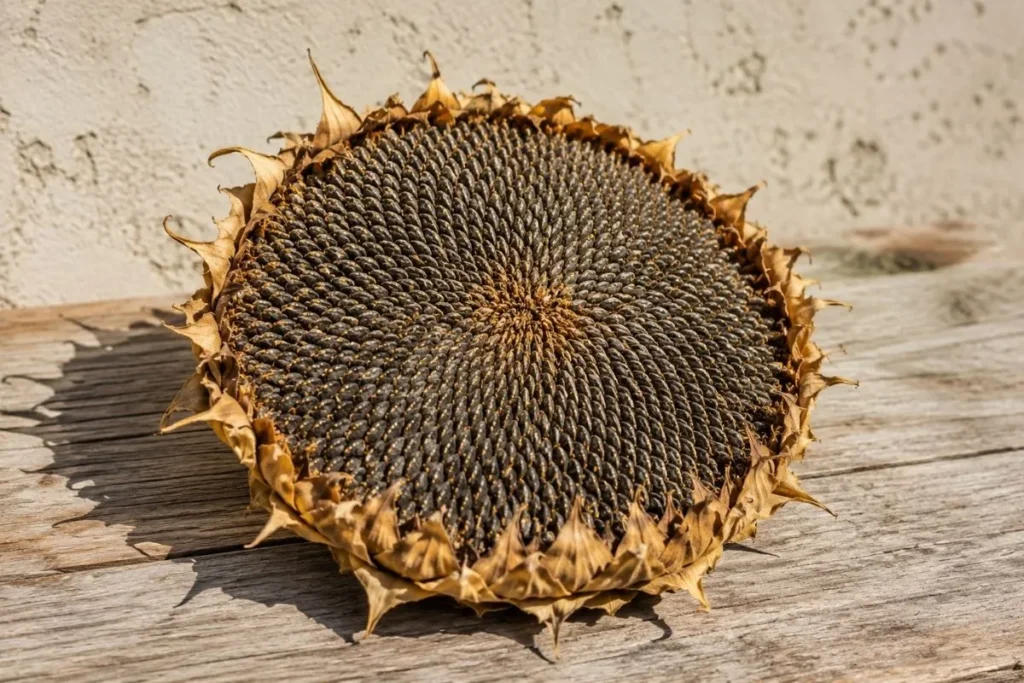
Depending on the humidity, the drying process usually takes one to two weeks. During this time, the seeds continue to harden, making them much easier to remove.
Proper drying is an essential part of how to dry sunflower heads for seed harvesting because it helps prevent mold, improves storage life, and protects the quality of the seeds.
Remove the Seeds
After the sunflower head has dried, it’s finally time for the most satisfying part removing the seeds.
The easiest method is to hold the flower over a tray or bucket and gently rub the center with your hands. As you rub, the seeds will begin to fall out naturally.
If some seeds remain stuck, you can use a fork to gently loosen them without damaging the shells. Wearing gardening gloves also provides extra grip when working with larger flower heads.
This simple process answers one of the most common questions gardeners ask: how to remove seeds from a dried sunflower head. There’s no need for special equipment just a little patience and gentle pressure.
By following this method, you’ll be able to collect sunflower seeds without damaging them, making them suitable for planting or eating.
Clean the Seeds
Once all the seeds have been removed, you’ll notice small pieces of dried petals, flower fibers, and dust mixed in with them.
Spread the seeds on a clean tray and remove any plant debris by hand. You can also gently blow across the seeds or pour them slowly from one container to another so lighter pieces are carried away by the air.
While cleaning, inspect your harvest carefully. Throw away empty, cracked, or damaged seeds and keep only the healthy, fully developed ones.
This final cleaning step improves sunflower seed cleaning, increases storage quality, and helps ensure you’re left with the best seeds for planting, roasting, or long-term storage.
How to Dry Sunflower Seeds Properly
Many people think the job is finished once they remove the seeds from the flower. That’s a common mistake. If you’re wondering how do you get seeds from a sunflower that stay fresh for months and germinate well next season, proper drying is a step you should never skip.
Even seeds that feel dry on the outside can still hold moisture inside, and storing them too soon can lead to mold, spoilage, or poor germination.
Why Drying Sunflower Seeds Is So Important
After you’ve finished removing sunflower seeds from the flower head, they still contain a small amount of natural moisture. If this moisture isn’t removed, the seeds can develop mold during storage or lose their ability to sprout.
Proper drying sunflower seeds helps:
- Extend their storage life.
- Improve sunflower seed preservation.
- Reduce the risk of mold and mildew.
- Maintain good sunflower seed viability for planting.
- Keep edible sunflower seeds fresh and flavorful.
Whether you’re saving seeds for next year’s garden or planning to roast them, drying them properly is essential.
How to Dry Sunflower Seeds the Right Way
Start by spreading the cleaned seeds in a single layer on a baking tray, newspaper, paper towel, or a fine mesh screen. Make sure the seeds aren’t piled on top of each other because crowded seeds dry unevenly.
Place the tray in a warm, dry room with good airflow. A spot away from direct sunlight is ideal, as excessive heat can reduce the quality of seeds intended for planting.
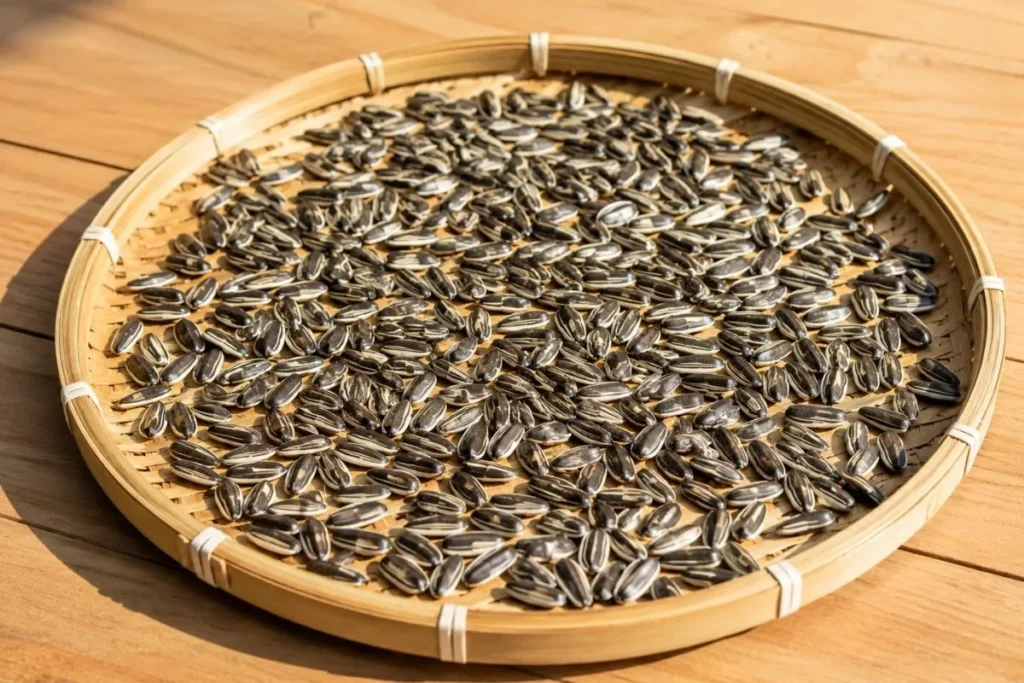
Stir or gently turn the seeds once or twice each day. This allows air to reach every side and helps them dry evenly.
This simple method is one of the safest ways to complete the sunflower seed drying process at home.
How Long Should Sunflower Seeds Dry Before Storing?
A common question gardeners ask is, how long should sunflower seeds dry before storing?
In most homes, sunflower seeds need about 7 to 14 days to dry completely. The exact time depends on humidity, room temperature, and airflow.
Instead of counting days, check the seeds themselves. Properly dried seeds should feel hard, dry, and crisp. The shell should not feel soft or damp when you squeeze it gently.
If you’re unsure, it’s always better to let them dry for an extra day or two than to store them too early.
The Best Surface for Drying Seeds
The surface you choose can also affect the drying process.
Paper towels, newspapers, baking trays, wire racks, or mesh screens all work well because they allow moisture to escape easily. If you’re drying a large batch from a backyard sunflower harvest, a mesh screen is especially useful because air can circulate from both above and below the seeds.
Avoid placing seeds directly on plastic or in airtight containers while they’re drying. Plastic traps moisture and slows the drying process, increasing the risk of mold.
Common Drying Mistakes to Avoid
One of the biggest mistakes is rushing the process. Storing seeds before they’re completely dry can ruin weeks of hard work.
Another common mistake is drying the seeds in direct sunlight or using high heat from an oven or hair dryer. While this may seem like a faster solution, excessive heat can damage the seed inside and lower its germination rate if you plan to use the sunflower seeds for planting.
It’s also important not to leave the seeds in damp areas like garages or basements where humidity is high. A warm, dry room with steady airflow will always give the best results.
How to Know Your Seeds Are Ready
Before moving on to storage, inspect the seeds one last time. Properly dried sunflower seeds should have a hard shell, feel completely dry to the touch, and break cleanly if one is accidentally cracked open. There should be no signs of moisture, stickiness, or mold.
Once your seeds reach this stage, you’ve successfully completed the sunflower seed preparation process. They’re now ready to be stored safely for future planting or enjoyed as delicious edible sunflower seeds.
Frequently Asked Questions (FAQs)
How do you know when sunflower seeds are ready to harvest?
The easiest way to tell is by looking at the flower head. A mature sunflower head will have a brown back, most of its petals will have dried or fallen off, and the seeds will look full and firm. If the seeds come out easily when you rub the center of the flower, it’s the perfect time to harvest.
How to collect sunflower seeds without damaging them?
If you’re wondering how do you get seeds from a sunflower without harming the seeds, start by letting the flower dry completely. Then gently rub the seed head over a tray or bucket to loosen the seeds. Avoid pulling them out forcefully, as this can crack the shells or damage the seeds inside.
How do you get seeds from a sunflower for planting?
Choose seeds from a healthy, fully mature sunflower. After harvesting, clean the seeds and let them dry for about one to two weeks. Store them in a cool, dry place until the next planting season. Properly dried seeds have a much better germination rate and are ideal for growing new sunflowers.
How long should sunflower seeds dry before storing?
Most sunflower seeds should dry for 7 to 14 days in a warm, well-ventilated area. The exact time depends on the humidity in your home. Before storing them, make sure the shells feel completely dry and hard to the touch.
Can you eat sunflower seeds straight from the flower?
Yes, you can, but they taste much better after they have been cleaned and dried. Many people also prefer to roast edible sunflower seeds with a little salt or seasoning to improve their flavor and texture.
Can you plant harvested sunflower seeds immediately?
Yes, but only if it’s the right planting season and the seeds have dried properly. Freshly harvested seeds that still contain moisture may not germinate well. Drying them first helps improve sunflower seed viability and increases the chances of healthy growth.
How long do stored sunflower seeds stay viable?
When stored correctly in an airtight container in a cool, dry place, sunflower seeds for planting can remain viable for around 1 to 3 years. Keeping them away from heat and moisture helps preserve their quality for longer.
Why are some sunflower seeds empty?
Empty seeds usually develop because of poor pollination, lack of water during seed development, insect damage, or harvesting before the seeds have fully matured. Choosing healthy plants and harvesting at the right time helps reduce the number of empty seeds.
Should you wash sunflower seeds before storing them?
No. It’s generally better not to wash sunflower seeds before storage because extra moisture can encourage mold growth. Instead, remove dust and plant debris by hand or with a dry cloth, then allow the seeds to dry completely before storing them.
What’s the easiest way to harvest sunflower seeds at home?
The easiest way is to wait until the flower is fully mature, cut the sunflower head with clean scissors, allow it to dry in a well-ventilated place, and gently rub the seeds into a tray.
This simple method is the safest answer to how do you get seeds from a sunflower while keeping the seeds clean, healthy, and ready for planting or eating.
Conclusion
Learning how do you get seeds from a sunflower is much easier than most people think. Once you know when the flower is ready and follow the right harvesting process, you can collect healthy seeds with very little effort.
From checking for a mature sunflower head to drying, cleaning, and storing the seeds properly, each step helps ensure you get the best results.
Whether your goal is saving sunflower seeds for next year’s garden, growing beautiful new sunflowers, or enjoying homemade edible sunflower seeds, harvesting them yourself is both rewarding and cost-effective.
By harvesting at the right time and taking good care of your seeds, you’ll have a fresh supply that’s ready for planting or snacking whenever you need it.
Now that you know how to harvest sunflower seeds and how to collect sunflower seeds the right way, it’s time to put these tips into practice. The next time your sunflowers bloom, don’t let those valuable seeds go to waste.
Gather them, store them carefully, and enjoy the satisfaction of getting seeds from sunflowers that you grew with your own hands.
Happy gardening, and may every sunflower you grow reward you with a healthy, abundant harvest!
Disclaimer
The information in this article is intended for educational and informational purposes only. The harvesting methods and gardening tips shared here are based on general home gardening practices and may vary depending on your sunflower variety, local climate, and growing conditions.
Always inspect your sunflower plants carefully before harvesting, and use clean gardening tools to help prevent damage to your plants and seeds. If you plan to consume sunflower seeds, make sure they are properly cleaned, dried, and stored to ensure freshness and food safety.

Plant Nest Blog’s author is passionate about plants, gardening, and sustainable living. Through research and practical experience, they share helpful plant care tips, gardening guides, and easy solutions to help readers grow healthier plants and create greener spaces.