
People often believe orchids bloom only once and then die. That’s one of the biggest myths about orchid care. In reality, healthy orchids can bloom again and again for many years when they receive the right care. If you’ve been wondering how to keep orchids blooming, the good news is that it’s much easier than most people think.
Orchids are known for their beautiful flowers, elegant appearance, and long-lasting blooms. However, many plant owners become disappointed when the flowers eventually fall off. They often assume the plant is dead or that they’ll never see another bloom. Fortunately, that’s not true. In most cases, your orchid is simply entering a natural resting phase before preparing for its next blooming season.
Learning how to care for orchids to keep them blooming isn’t about following complicated gardening rules. Instead, it’s about understanding what your orchid needs to stay healthy. Simple habits like providing the right amount of light, watering correctly, maintaining proper humidity, and using the right orchid fertilizer can make a huge difference in how often your plant flowers.
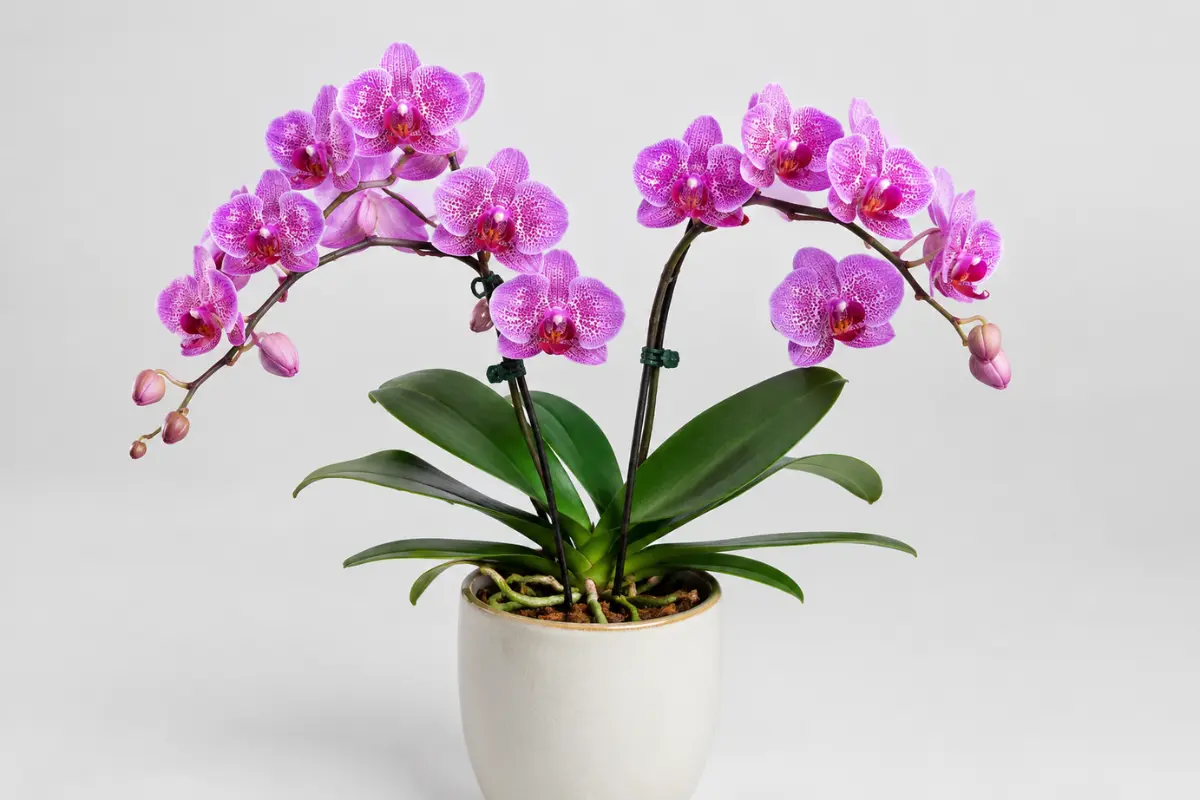
One of the most common questions beginners ask is, how to keep orchids blooming indoors? Since most orchids are grown as houseplants, indoor conditions play a major role in their overall health. Fortunately, with a few adjustments to lighting, temperature, and watering, your orchid can thrive inside your home and produce beautiful blooms year after year.
Every orchid follows a natural orchid bloom cycle, which includes active growth, flowering, and a short resting period known as dormancy. Understanding this cycle helps you avoid unnecessary worry when your orchid stops blooming for a while. Instead of throwing the plant away, you’ll know exactly how to encourage it to flower again.
Understanding the Orchid Bloom Cycle
It is widely believed that an orchid has a problem the moment its flowers fall off. In fact, losing flowers is a completely normal part of an orchid’s life. Every orchid follows a natural orchid bloom cycle, and understanding this cycle is one of the most important steps in learning how to keep orchids blooming successfully.
Once you understand how orchids naturally grow and flower, you’ll know exactly what to expect throughout the year and how to give your plant the care it needs during each stage.
What Is the Natural Orchid Bloom Cycle?
Orchids don’t bloom continuously throughout the year. Like many flowering plants, they go through different growth stages.
The cycle usually begins with active growth, where the plant produces new leaves and roots. Once the plant has stored enough energy, it develops a flower spike that eventually produces beautiful blooms.
Depending on the variety, especially Phalaenopsis orchid care, the flowers can last anywhere from six to twelve weeks, and sometimes even longer with proper care.
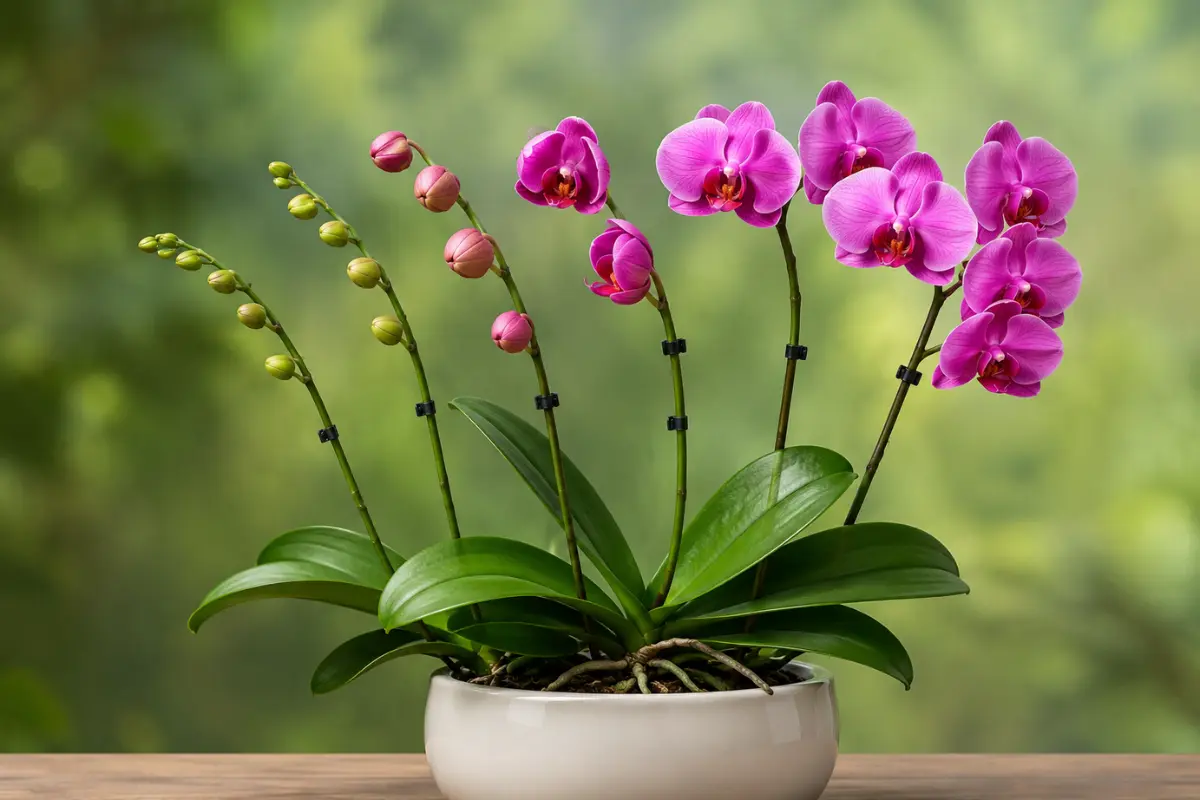
After flowering ends, the orchid enters a resting period. During this time, the plant focuses on growing stronger roots and leaves rather than producing flowers. This resting phase is completely natural and prepares the orchid for its next blooming season.
Understanding this natural rhythm is essential if your goal is how to keep orchids blooming year after year instead of expecting constant flowers.
How Long Do Orchids Usually Bloom?
One reason orchids are so popular is their impressive flower longevity.
Most indoor orchids produce blooms that last much longer than many common houseplants. Under the right growing conditions, the flowers can remain fresh for several weeks or even a few months, making orchids one of the longest-blooming flowering houseplants.
The exact blooming period depends on several factors, including the orchid variety, indoor temperature, light exposure, humidity levels, and the quality of your overall orchid plant care. Some varieties naturally bloom longer than others, while healthy growing conditions help flowers stay vibrant for as long as possible.
Providing your orchid with bright indirect light, proper watering, balanced humidity, and regular feeding during its growing season can significantly extend its blooming period. Healthy plants also have a better chance of producing beautiful blooms again in the future.
Why Do Orchids Enter Dormancy?
Many beginners become concerned when their orchid stops flowering. However, this doesn’t mean the plant is unhealthy.
After blooming, orchids naturally enter orchid dormancy, also called the resting phase. During this period, the plant redirects its energy toward developing stronger leaves and healthier roots instead of producing flowers.
This stage is extremely important because it allows the orchid to recover before its next flowering cycle.
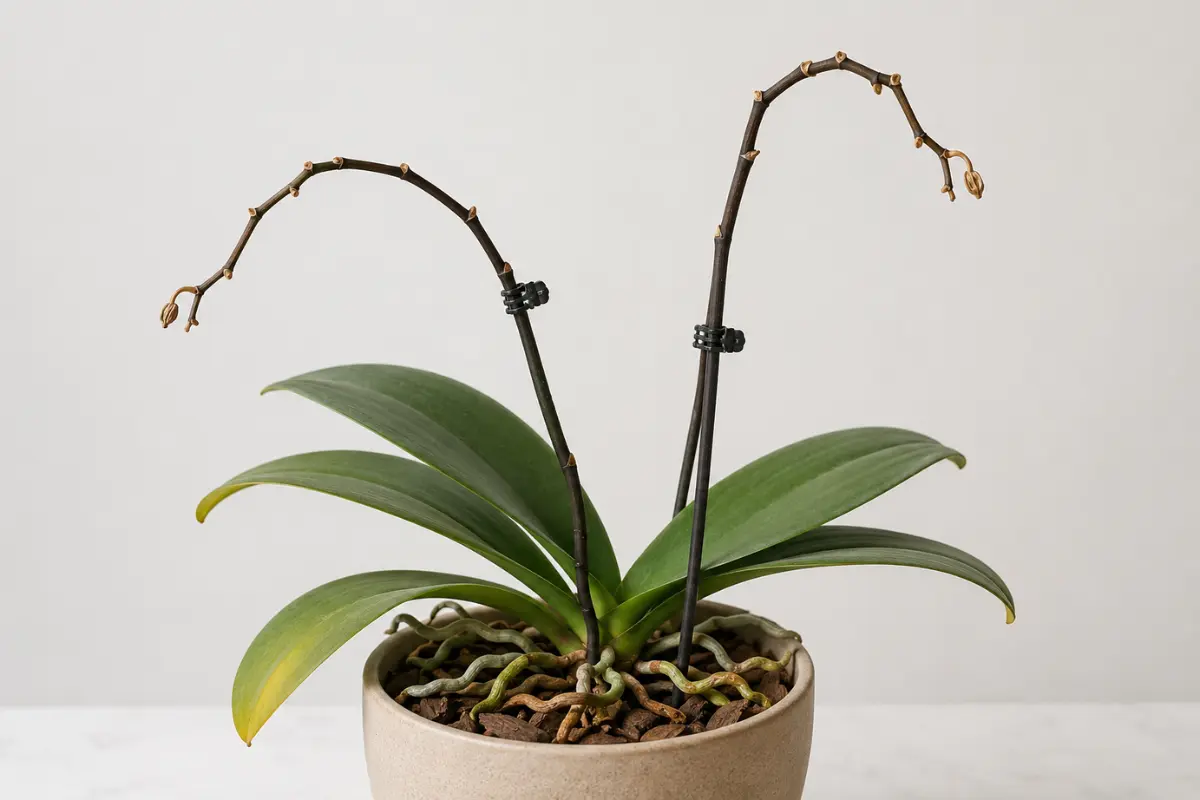
Trying to force continuous blooming can actually weaken the plant over time. Instead, focus on maintaining proper orchid maintenance, watering correctly, and providing suitable growing conditions while the plant rests.
Patience during dormancy often leads to healthier plants and more impressive blooms later.
Why Do Orchids Stop Blooming?
There are several reasons why an orchid may stop producing flowers. In many cases, it’s simply following its natural growth cycle.
However, environmental conditions also play a major role.
Insufficient light is one of the most common reasons orchids fail to bloom. Since orchids rely on bright, indirect sunlight to produce flowers, keeping them in dark rooms can slow flowering.
Incorrect watering is another frequent issue. Both overwatering and underwatering can stress the plant and reduce its ability to bloom.
Poor humidity, lack of nutrients, improper temperatures, and unhealthy roots can also interrupt the orchid flowering guide that nature intends.
Fortunately, most of these issues are easy to correct once you understand your orchid’s needs.
Why Understanding the Bloom Cycle Matters
Knowing your orchid’s natural growth pattern makes caring for it much less stressful.
Instead of worrying every time the flowers fall off, you’ll recognize that your orchid is simply preparing for its next bloom. This understanding also helps you provide the right care at the right time, whether your plant is actively growing, flowering, or resting.
If your goal is how to get orchids to bloom again or how to encourage orchids to rebloom naturally, learning the bloom cycle is the first step toward success.
A healthy orchid doesn’t bloom because of luck. It blooms because its growing conditions consistently support healthy roots, strong leaves, and proper flower development.
In the next section, we’ll explore how to keep orchids blooming by looking at the essential care practices that encourage longer-lasting flowers and repeat blooms throughout the plant’s life.
How to Keep Orchids Blooming
Some people argue that orchids are difficult plants that only expert gardeners can keep blooming. The truth is, orchids are not as demanding as they seem.
Once you understand their basic needs, they become surprisingly easy to care for. If you’ve been wondering how to keep orchids blooming, the answer lies in providing the right balance of light, water, humidity, temperature, nutrients, and regular maintenance.
Let’s go through the most important steps that will help your orchid stay healthy and encourage it to produce beautiful flowers again and again.
Give Your Orchid the Right Amount of Light
Light is one of the biggest factors that determine whether an orchid blooms or not. Without enough light, even a healthy orchid may continue producing leaves but fail to develop flower spikes.
Most indoor orchids, especially Phalaenopsis orchids, grow best in bright, indirect sunlight. A window that receives morning sun or filtered daylight is usually the ideal location. Direct afternoon sunlight can burn the leaves, while very dark areas may prevent blooming altogether.
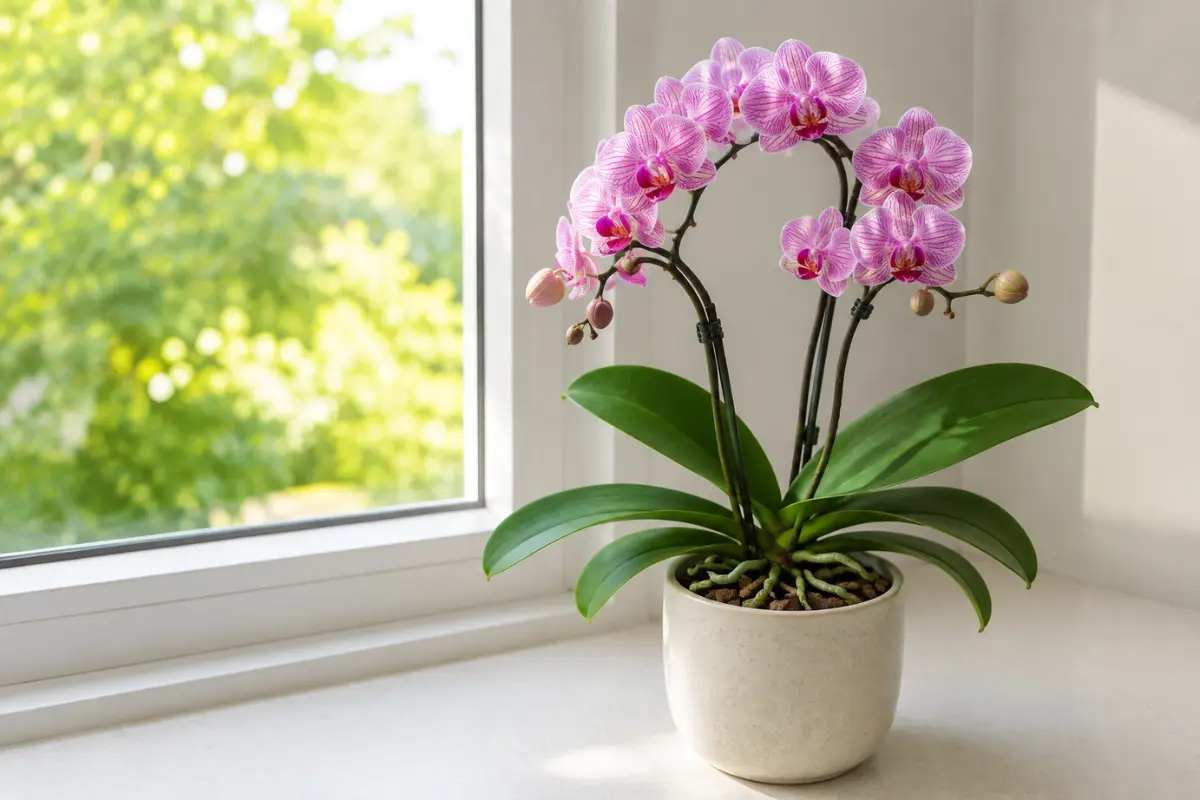
If you’re trying to learn how to keep orchids blooming indoors, start by checking your plant’s location. A room with plenty of natural light will usually produce much better results than a dim corner.
Your orchid will often tell you if it’s receiving the right amount of light. Healthy leaves are usually medium green. Dark green leaves often indicate insufficient light, while yellow or scorched leaves may mean the plant is receiving too much direct sunlight.
Providing the proper orchid light requirements is one of the easiest ways to encourage stronger flower spikes and healthier blooms.
Water Your Orchid Properly
Watering mistakes are one of the most common reasons orchids stop flowering.
Many beginners either water too often or wait until the plant becomes completely dry. Neither approach is ideal. Orchids prefer a balanced watering routine where the potting mix dries slightly between waterings but never remains completely dry for long periods.
If you’ve been asking, how often should you water blooming orchids, the answer depends on your home’s temperature, humidity, and the type of potting mix you’re using. Most indoor orchids need watering about once every 7 to 10 days, although this may vary throughout the year.
Instead of following a strict calendar, check the growing medium before watering. If it feels almost dry and the roots look silvery-gray, it’s usually time to water again. Healthy roots typically turn green after watering, showing they have absorbed enough moisture.
Proper orchid watering tips include watering thoroughly, allowing excess water to drain completely, and never letting the pot sit in standing water. Good drainage helps prevent root rot while supporting healthy growth.
Developing a consistent orchid watering schedule is one of the simplest ways to improve your orchid’s overall health and encourage future blooms.
Maintain Proper Humidity
Orchids naturally grow in tropical environments where the air contains much more moisture than most homes.
Indoor air, especially during winter or when air conditioners are running, can become too dry for orchids. Low humidity may slow growth, cause flower buds to drop, and reduce the plant’s ability to produce long-lasting blooms.
Most orchids prefer humidity levels between 40% and 70%.
One simple way to increase humidity is by placing the pot on an orchid humidity tray filled with water and pebbles. As the water evaporates, it increases moisture around the plant without leaving the roots submerged.
Grouping several plants together can also improve humidity naturally. At the same time, make sure your orchid receives good air circulation. Fresh airflow helps prevent fungal diseases and keeps the leaves healthy.
Balancing orchid humidity with proper ventilation creates an ideal environment for steady growth and successful flowering.
Keep the Right Temperature
Temperature plays a surprisingly important role in orchid flowering.
Most indoor orchids thrive in daytime temperatures between 65°F and 80°F (18°C to 27°C), while slightly cooler nighttime temperatures encourage the development of flower spikes.
A small drop in temperature during the night often signals the orchid that it’s time to prepare for blooming. This natural change closely mimics the conditions orchids experience in their native habitats.
Sudden temperature extremes should be avoided. Placing orchids near heating vents, fireplaces, air conditioners, or drafty windows can stress the plant and reduce its ability to bloom.
Maintaining the proper orchid temperature throughout the year creates stable orchid growing conditions, giving your plant the best opportunity to produce healthy flowers.
Feed Orchids with the Right Fertilizer
Like all plants, orchids need nutrients to grow, produce roots, and develop flowers.
Although orchids don’t require heavy feeding, regular fertilizing provides the energy needed for healthy growth and repeat blooming.
If you’re wondering about the best fertilizer to keep orchids blooming, choose a balanced fertilizer specifically formulated for orchids. Many growers follow the simple rule of feeding lightly but consistently during the active growing season.
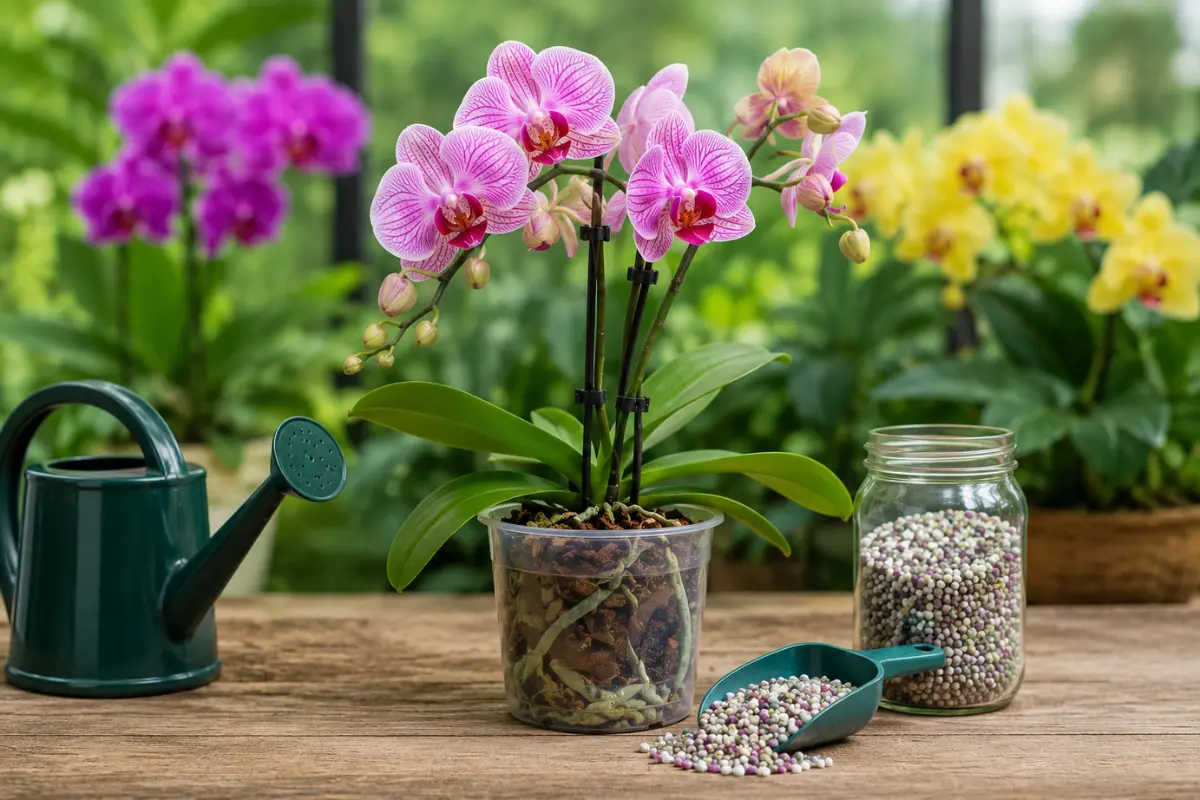
A regular orchid fertilizer schedule helps supply essential nutrients without overwhelming the plant. Applying too much fertilizer can damage roots and reduce flowering, so it’s always better to use a weaker solution more frequently than a strong one occasionally.
Using the right orchid fertilizer not only encourages healthy leaves and roots but also supports stronger flower spikes and larger blooms.
Trim the Flower Spike Correctly
Pruning is another important part of keeping orchids healthy.
Once the flowers fade, many people immediately cut off the flower spike. However, that’s not always the best approach.
If the spike is still green, it may produce another branch of flowers or even a new flower spike. In this case, trimming just above a healthy node may encourage additional blooms.
If the spike has turned brown or completely dried out, it’s best to remove it near the base of the plant. This allows the orchid to focus its energy on producing new leaves, stronger roots, and future flower spikes.
Learning proper orchid pruning tips and understanding orchid flower spike care helps improve your chances of successful reblooming.
With consistent care, many orchids reward growers with beautiful flowers year after year.
Best Growing Conditions for Healthy Orchid Blooms
It is commonly thought that watering alone is enough to keep orchids healthy. While watering is important, orchids also need the right environment to thrive. Even if you follow a perfect watering routine, poor potting media, unhealthy roots, or the wrong container can prevent your orchid from blooming.
Creating the proper growing conditions gives your orchid the strong foundation it needs for long-term health and repeat flowering.
Use the Right Potting Mix
One of the biggest mistakes beginners make is planting orchids in regular garden soil.
Unlike most houseplants, orchids naturally grow on tree bark rather than in dense soil. Their roots need plenty of airflow along with consistent moisture.
A quality orchid potting mix usually contains materials such as bark, coconut husk, charcoal, or perlite. These ingredients provide excellent drainage while allowing the roots to breathe.
Using the correct potting mix reduces the risk of root rot and creates healthier growing conditions that support future blooms.
Choose the Right Pot
The container you choose is just as important as the potting mix.
Many orchid growers prefer clear plastic pots because they allow light to reach the roots and make it easier to monitor root health and moisture levels.
Regardless of the material, every orchid pot should have plenty of drainage holes. Proper drainage prevents excess water from collecting around the roots and helps maintain healthy airflow.
Selecting the right container is a simple step that can greatly improve your overall orchid plant care routine.
Keep Orchid Roots Healthy
Healthy roots are essential if you want beautiful flowers.
Strong orchid roots are usually firm and green after watering, while dry roots often appear silvery-gray. On the other hand, soft, dark, or mushy roots may indicate orchid root rot, which is commonly caused by excessive moisture and poor drainage.
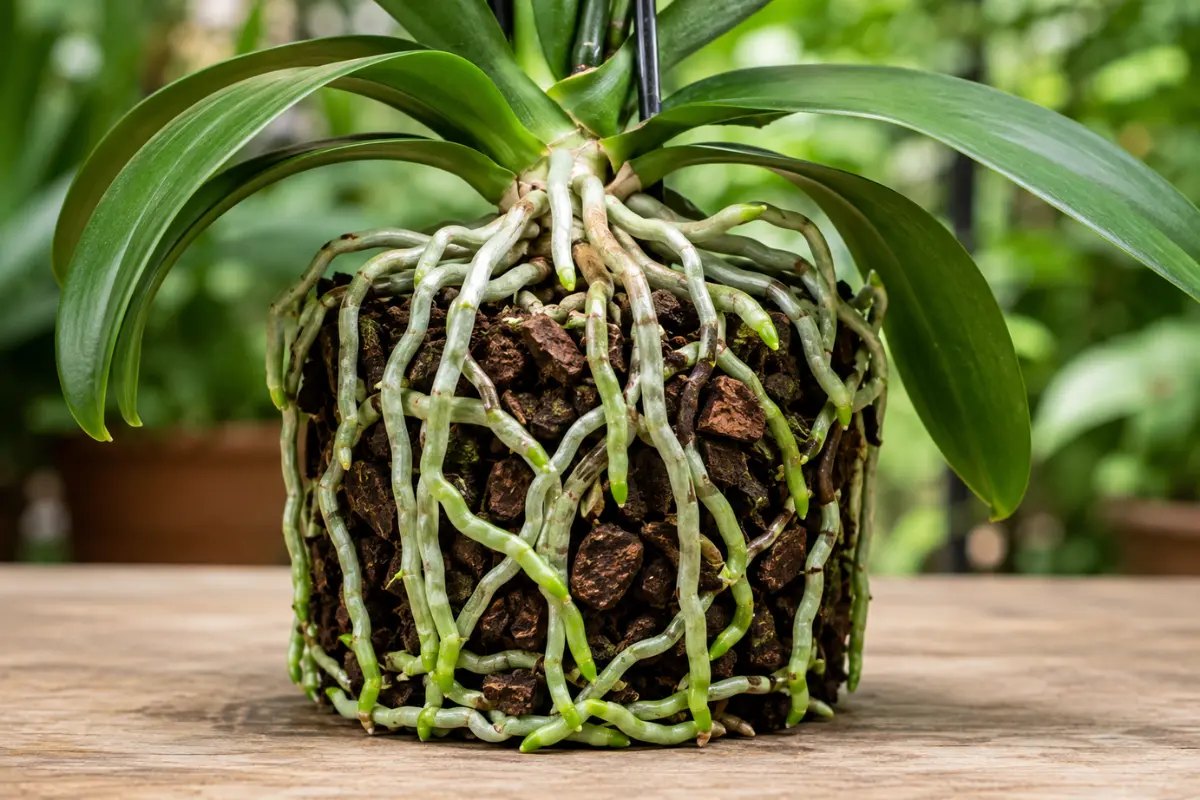
Regularly checking your roots allows you to identify problems before they become serious.
Good orchid root care includes watering correctly, using an airy potting mix, and avoiding containers that trap excess water.
Healthy roots absorb nutrients more efficiently and provide the energy needed for continuous growth and blooming.
Prevent Root Rot Before It Starts
Root rot is one of the leading causes of unhealthy orchids.
Fortunately, preventing it is much easier than treating it.
Allow the potting mix to dry slightly between waterings, always use containers with proper drainage, and avoid letting water collect around the roots for long periods.
These simple habits greatly reduce the risk of orchid root rot prevention while creating a healthier environment for long-term growth.
Create the Ideal Growing Environment
Successful orchid care isn’t about one single factor. It’s the combination of proper lighting, watering, humidity, temperature, airflow, healthy roots, and the right potting mix that encourages repeat flowering.
When all of these conditions work together, your orchid becomes stronger, develops healthier leaves and roots, and is much more likely to produce beautiful blooms during every orchid blooming season.
If your goal is how to get orchids to bloom again or how to make orchids bloom longer, creating the right growing environment is one of the most effective things you can do.
Now that you understand the ideal conditions for healthy orchids, the next step is learning exactly how to encourage your orchid to rebloom after its flowers have faded.
How to Get Orchids to Bloom Again
A lot of people think that once an orchid finishes flowering, it’s reached the end of its life. That’s simply not true. In fact, most healthy orchids are capable of blooming again and again
. If you’ve been wondering how to get orchids to bloom again, the key is to give your plant the right care after the flowers fade and be patient while it prepares for its next blooming cycle.
Reblooming doesn’t happen overnight. Orchids need time to recover, store energy, and grow new leaves and roots before they produce another flower spike. By creating the right conditions, you can significantly increase your chances of enjoying beautiful blooms year after year.
Let Your Orchid Recover After Flowering
Once the last flower drops, don’t assume something is wrong with your plant. Your orchid is simply entering its resting phase, where it focuses on growing stronger instead of producing flowers.
During this time, continue your regular orchid care routine.
Keep providing bright indirect light, water the plant correctly, and maintain proper humidity. Healthy leaves and roots are signs that your orchid is preparing for its next bloom.
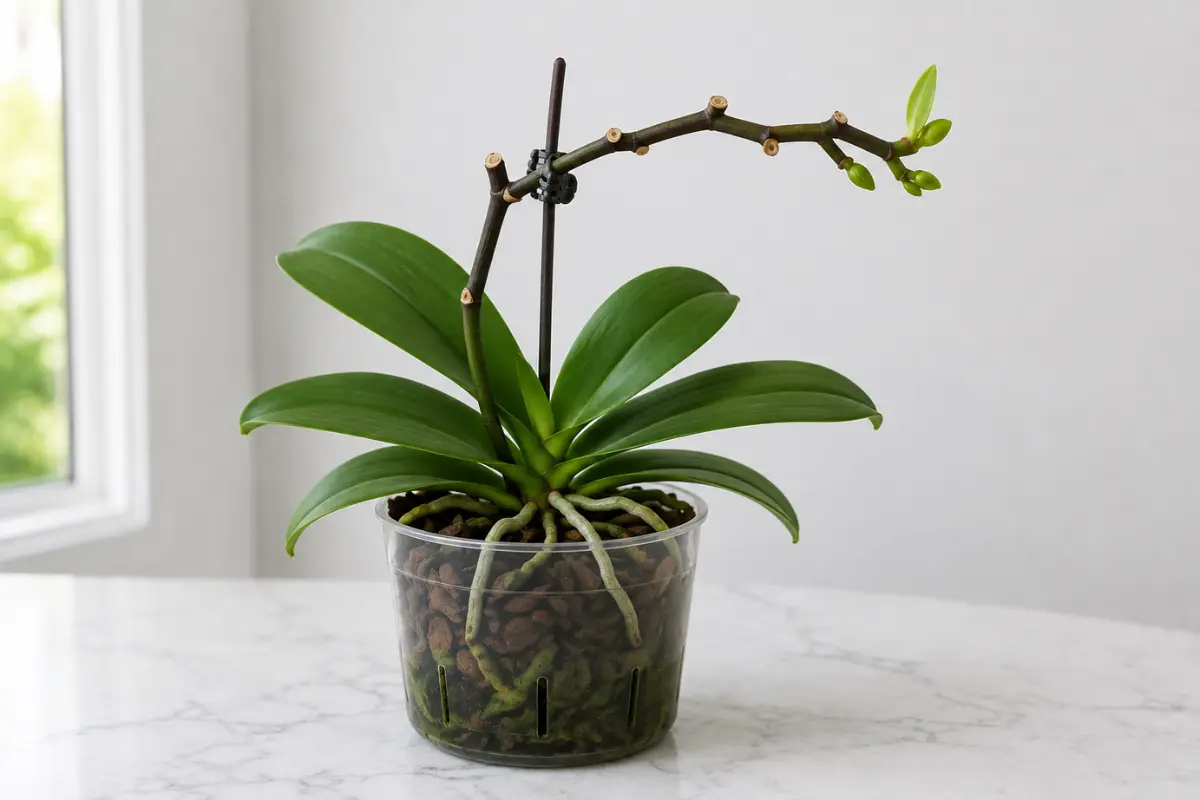
One of the biggest mistakes people make is neglecting their orchid after the flowers disappear. Even though the plant isn’t blooming, it still needs consistent care to build enough energy for future flowers.
Be Patient During Dormancy
Patience is one of the most important parts of successful orchid care.
Every orchid goes through a natural resting period known as orchid dormancy. Depending on the variety and growing conditions, this phase can last several weeks or even a few months.
Many beginners throw away perfectly healthy orchids because they think the plant has stopped growing. In reality, the orchid is quietly developing stronger roots and leaves behind the scenes.
If your goal is how to encourage orchids to rebloom naturally, allow the plant to complete its natural growth cycle instead of trying to force it to flower too soon.
Continue Proper Watering
Even during dormancy, orchids still need water.
However, they often require slightly less water than they do while actively blooming. Always check the potting mix before watering instead of following a fixed schedule.
Water thoroughly when the growing medium feels almost dry, and allow any excess water to drain away completely. Avoid letting the roots sit in standing water, as this can lead to root rot.
Following consistent orchid watering tips keeps the roots healthy and gives the plant the strength it needs to produce another flower spike.
Keep Feeding Your Orchid
Your orchid continues to use nutrients even when it isn’t flowering.
Applying a balanced orchid fertilizer during the active growing season helps the plant develop healthy leaves, strong roots, and future flower spikes.
If you’re searching for the best fertilizer to keep orchids blooming, choose one specifically made for orchids and apply it according to the manufacturer’s recommendations. Feeding lightly but consistently is usually more effective than using too much fertilizer at once.
A good orchid fertilizer schedule supports healthy growth without damaging the roots.
Give It Enough Light
Light remains one of the biggest factors in repeat blooming.
If your orchid has healthy leaves but refuses to produce flowers, insufficient light may be the reason.
Move your orchid to a location where it receives bright, indirect sunlight for several hours each day. Avoid placing it in harsh afternoon sun, which can burn the leaves.
Providing the correct orchid light requirements helps trigger the growth of new flower spikes and encourages reliable reblooming.
Encourage New Flower Spikes
One of the clearest signs that your orchid is preparing to bloom again is the appearance of a new flower spike.
This usually develops after the plant has completed its resting period and has received the proper combination of light, water, humidity, nutrients, and temperature.
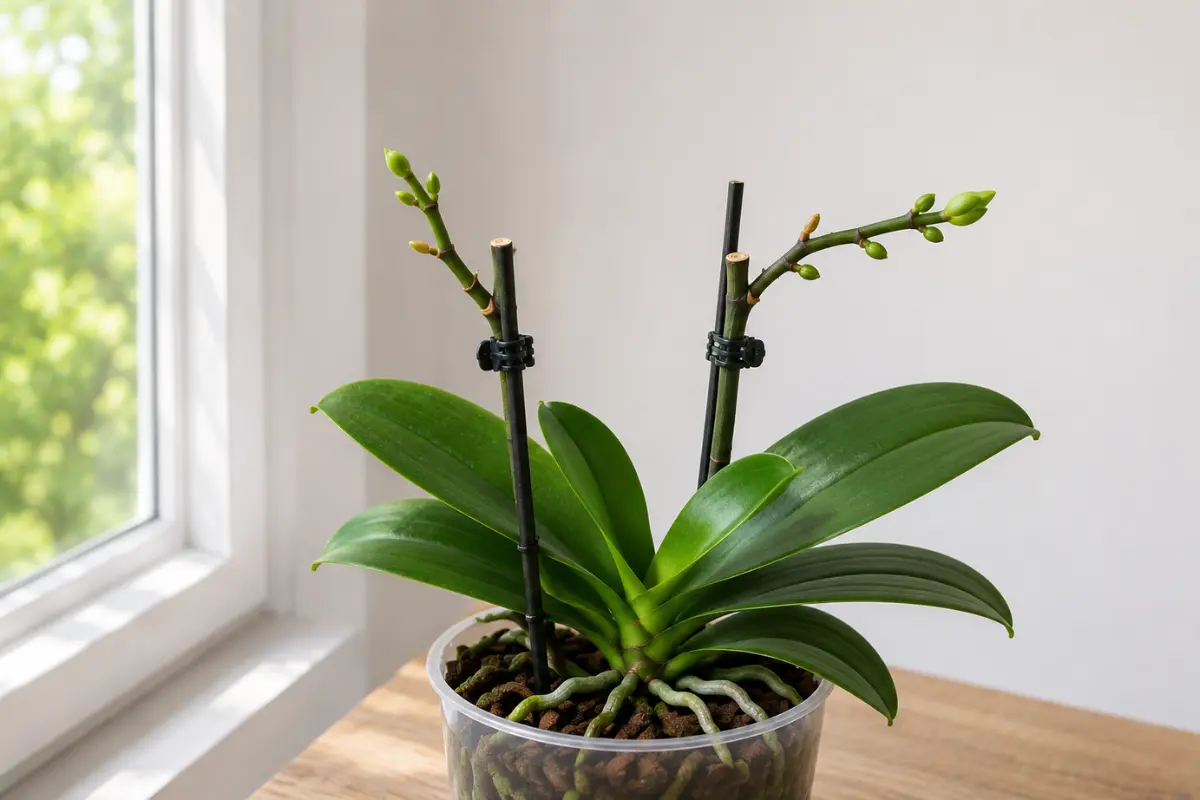
A slight drop in nighttime temperature can also encourage many orchids, especially Phalaenopsis orchids, to begin forming flower spikes. Even a difference of a few degrees between day and night can help stimulate flowering.
This simple environmental change is one of the easiest ways to help orchids bloom again naturally.
Avoid Common Reblooming Mistakes
Many orchids fail to rebloom because of small but common care mistakes.
Overwatering can damage the roots, while insufficient light may prevent flower spikes from forming. Skipping fertilizer for long periods can also reduce the plant’s energy reserves, making flowering less likely.
Another mistake is constantly moving the orchid from one location to another. Orchids prefer stable growing conditions and often respond better when left in a consistent environment.
Avoiding these common problems gives your orchid the best opportunity to flower again.
How to Encourage Orchids to Bloom Naturally
If you’re wondering how to encourage orchids to bloom, focus on creating the conditions that orchids naturally enjoy rather than trying quick fixes.
Healthy roots, bright indirect light, proper watering, balanced humidity, good air circulation, and regular feeding all work together to support blooming.
Instead of forcing flowers, you’re helping the plant grow stronger. A healthy orchid naturally has a much better chance of producing beautiful blooms during each flowering season.
Signs Your Orchid Is Ready to Bloom Again
As your orchid becomes healthier, you’ll begin noticing positive signs that another blooming cycle is approaching.
New leaves indicate active growth, while healthy green roots show that the plant is absorbing water and nutrients efficiently. Eventually, you’ll notice a new flower spike emerging from the base of the leaves.
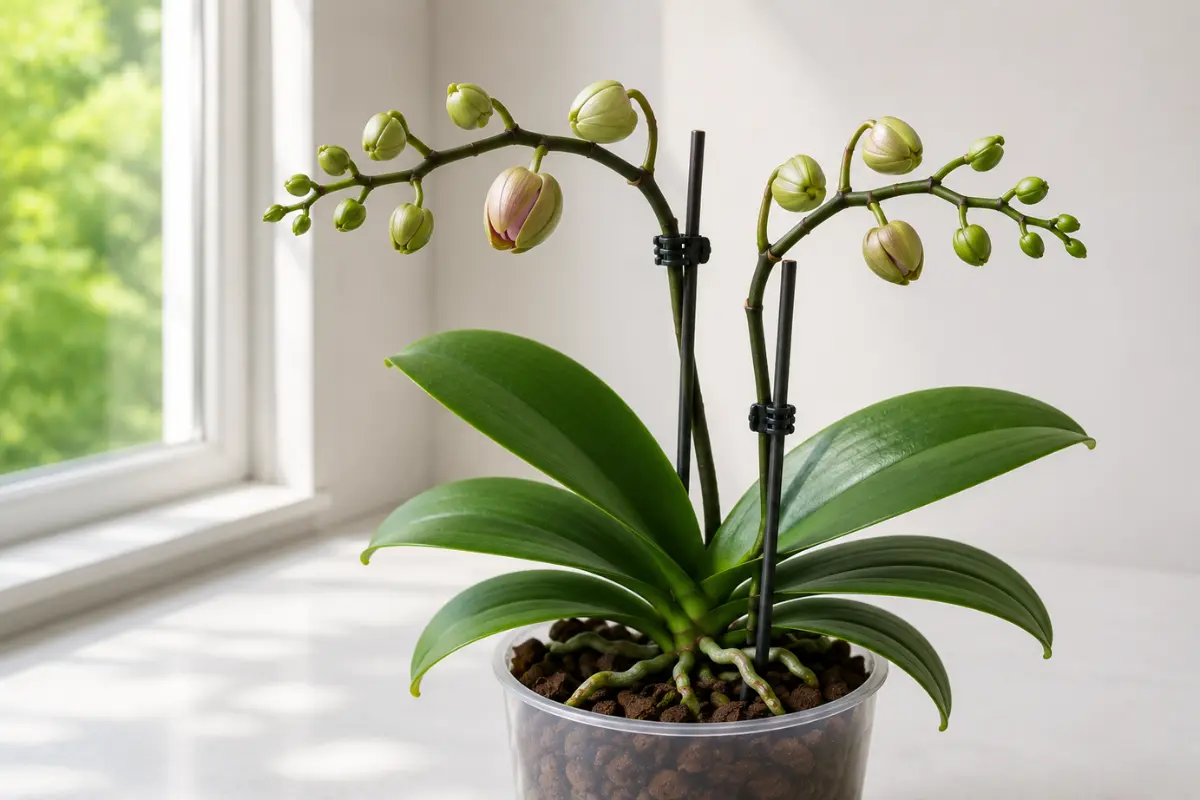
This is one of the most exciting moments for any orchid grower because it signals that fresh blooms are on the way.
When you continue providing proper orchid plant care, your orchid can reward you with spectacular flowers year after year.
The Secret to Repeat Orchid Blooms
The real secret behind how to get orchids to bloom again isn’t a special fertilizer or a complicated technique. It’s consistency.
Orchids thrive when they receive the right amount of light, water, humidity, nutrients, and patience throughout the year. By maintaining stable growing conditions and respecting the plant’s natural bloom cycle, you’ll greatly improve your chances of enjoying repeat blooms.
Frequently Asked Questions (FAQs)
Many orchid owners have the same questions when trying to keep their plants healthy and blooming. Here are the answers to the most common questions about how to keep orchids blooming.
How to keep orchids blooming?
To keep orchids blooming, provide bright indirect light, water only when the potting mix is nearly dry, maintain humidity between 40% and 70%, fertilize regularly during the growing season, and keep the plant in stable temperatures. Consistent care is the key to healthy, repeat blooms.
How do you keep orchids blooming?
The best way to keep orchids blooming is by meeting their basic growing needs. Make sure they receive enough light, avoid overwatering, use a quality orchid potting mix, and fertilize with an orchid-specific fertilizer. Healthy roots and leaves create the foundation for long-lasting flowers.
How to keep orchids blooming indoors?
If you’re wondering how to keep orchids blooming indoors, place your orchid near a bright window with indirect sunlight. Keep the room humid, avoid sudden temperature changes, and water the plant correctly. Indoor orchids also benefit from good air circulation and occasional feeding during active growth.
How to keep orchids blooming after flowers fall off?
Don’t throw your orchid away after the flowers fade. Continue watering, fertilizing, and providing proper light while the plant enters its natural resting period. With patience and consistent care, most healthy orchids will produce another flower spike and bloom again.
How to get orchids to bloom again?
To get orchids to bloom again, allow the plant to complete its dormancy period, provide bright indirect light, maintain healthy roots, fertilize regularly, and expose the plant to slightly cooler nighttime temperatures. These conditions naturally encourage the development of new flower spikes
How to help orchids bloom again?
Helping orchids bloom again starts with keeping the plant healthy all year. Avoid overwatering, use the correct potting mix, ensure proper humidity, and never place the orchid in a dark location. Strong roots and healthy leaves increase the chances of repeat blooming.
How to encourage orchids to bloom naturally?
The easiest way to encourage orchids to bloom naturally is to recreate their preferred environment. Give them bright filtered light, balanced humidity, proper watering, and regular fertilizer. A slight drop in nighttime temperature can also encourage flower spike development in many orchid varieties.
How often should you water blooming orchids?
Most blooming orchids need watering every 7 to 10 days, although this varies depending on temperature, humidity, pot size, and potting mix. Instead of watering on a fixed schedule, check the growing medium and water when it becomes almost dry.
What is the best fertilizer to keep orchids blooming?
A balanced fertilizer specially formulated for orchids is usually the best choice. Feeding lightly every two to four weeks during the growing season supports healthy leaves, roots, and flowers. Avoid over-fertilizing, as too much fertilizer can damage the roots.
Why is my orchid not blooming?
There are several reasons an orchid may stop blooming. The most common causes include insufficient light, improper watering, low humidity, lack of nutrients, unhealthy roots, or the plant simply being in its natural dormancy period. Correcting these issues usually encourages blooming again.
Conclusion
Many people believe orchids are difficult to grow and impossible to keep blooming. The truth is much simpler. Once you understand your orchid’s natural growth cycle and provide the right care, these beautiful plants can reward you with stunning flowers year after year.
Now that you know how to keep orchids blooming, you understand that success isn’t about complicated gardening techniques. It’s about consistency.
Giving your orchid the right amount of light, watering it properly, maintaining healthy humidity levels, feeding it with the right fertilizer, and providing suitable growing conditions all work together to encourage repeat blooms.
It’s also important to remember that orchids naturally go through a resting period after flowering. This doesn’t mean your plant is dying. Instead, it’s storing energy to produce new leaves, stronger roots, and another flower spike.
Being patient during this stage is one of the biggest secrets to successful orchid care.
If your goal is how to get orchids to bloom again or how to make orchids bloom longer, focus on keeping your orchid healthy throughout the entire year instead of only caring for it while it’s flowering.
Healthy roots, proper lighting, balanced humidity, and a regular care routine will always produce better results than quick fixes.

Plant Nest Blog’s author is passionate about plants, gardening, and sustainable living. Through research and practical experience, they share helpful plant care tips, gardening guides, and easy solutions to help readers grow healthier plants and create greener spaces.