
Many people think that learning how to care for a foliage plant is difficult and that indoor plants need constant attention to stay healthy. In reality, that isn’t true. Most foliage plants are easy to care for once you understand their basic needs. You don’t need expensive products or years of gardening experience to grow beautiful indoor plants. A little knowledge, a simple routine, and consistent care are often all it takes to keep your plants thriving.
If you’re wondering how to care for a foliage plant indoors, you’ve come to the right place. Whether you’ve just brought home your first houseplant or already have a growing indoor collection, knowing the right care techniques will help your plants stay vibrant and healthy. Foliage plants are loved for their stunning leaves, but they also make your home feel more welcoming and bring a touch of nature indoors. Many people even choose them because they are among the easiest plants to maintain.
One of the biggest reasons foliage plants struggle is not because they’re difficult to grow, but because they receive inconsistent care. Overwatering, poor lighting, using the wrong soil, or placing a plant in an unsuitable location can all affect its growth. The good news is that these problems are easy to avoid once you understand the basics of foliage plant care. Small changes in your daily routine can make a noticeable difference in the health of your plants.
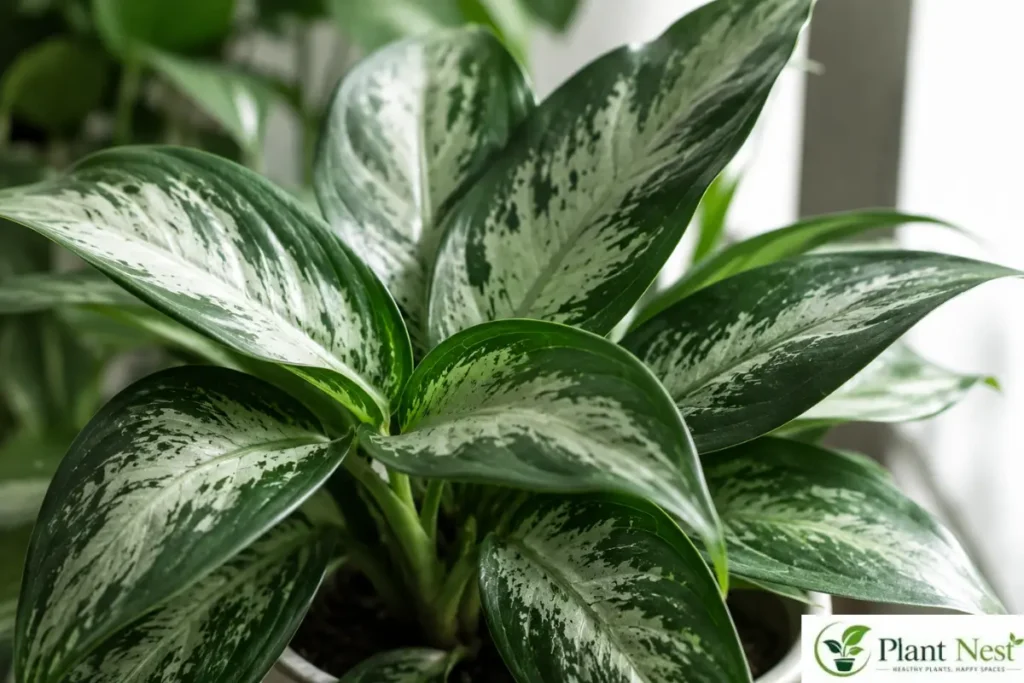
Every foliage plant has its own preferences, but most share similar requirements. They generally thrive in bright indirect light, prefer well-draining soil, enjoy moderate humidity, and benefit from regular but careful watering. Creating a consistent indoor foliage plant care routine helps plants establish strong roots, develop healthy leaves, and continue growing throughout the year.
This guide will show you the best way to care for a foliage plant from the very beginning. You’ll learn how to choose the right location, understand watering needs, improve humidity, select the best soil for indoor foliage plants, avoid common mistakes, and create ideal growing conditions. Whether you’re looking for a beginner’s guide to caring for foliage plants or simply want to improve your existing plant care routine, you’ll find practical advice that is easy to follow.
By the end of this guide, you’ll know how to keep foliage plants healthy indoors with confidence. Instead of guessing what your plant needs, you’ll understand how to provide the right environment for steady growth, lush green leaves, and long-lasting beauty.
What Is a Foliage Plant?
Before learning more about how to care for a foliage plant, it’s important to understand exactly what a foliage plant is. Knowing how these plants grow and what makes them different from other houseplants will help you provide the care they need. Once you understand their natural growing habits, it becomes much easier to keep them healthy and encourage steady growth indoors.
What Is a Foliage Plant?
A foliage plant is a type of plant that is mainly grown for its attractive leaves rather than its flowers. While some foliage plants may produce blooms from time to time, their real beauty comes from their colourful, patterned, glossy, or uniquely shaped leaves. This is why they remain attractive throughout the year, even when they are not flowering.
Foliage plants are available in a wide variety of shapes, sizes, and colours. Some have large tropical leaves that create a bold statement, while others have compact, elegant foliage that fits perfectly on desks, shelves, or windowsills. Popular indoor foliage plants include Pothos, Monstera, Philodendron, Snake Plant, ZZ Plant, Chinese Evergreen, Spider Plant, Rubber Plant, and Peace Lily. Each variety has its own unique appearance, but the general principles of caring for foliage plants are very similar.
Unlike flowering plants that use much of their energy to produce blooms, foliage plants focus on growing healthy leaves and strong stems. Because of this, your main goal is to maintain lush foliage through proper watering, suitable lighting, balanced feeding, and a stable indoor environment. Healthy leaves are usually the best sign that your plant is receiving the right care.
How Are Foliage Plants Different from Flowering Plants?
Although both foliage plants and flowering plants can grow indoors, they are appreciated for different reasons. Flowering plants are mainly grown for their colourful blooms, which often appear only during certain seasons. Their flowers require additional energy, and they may need different fertilisers or care routines while they are blooming.
Foliage plants, however, are valued for their leaves throughout the entire year. Their rich green colours, attractive patterns, and interesting textures provide long-lasting beauty without depending on flowers. This makes them one of the most popular choices for indoor gardening because they continue to look attractive in every season.
Another advantage is that many foliage plants naturally grow beneath the canopy of larger trees in tropical forests. As a result, they are well adapted to bright indirect light and can often tolerate lower light conditions better than many flowering plants. This natural adaptability makes learning how to care for a foliage plant at home much easier for beginners.
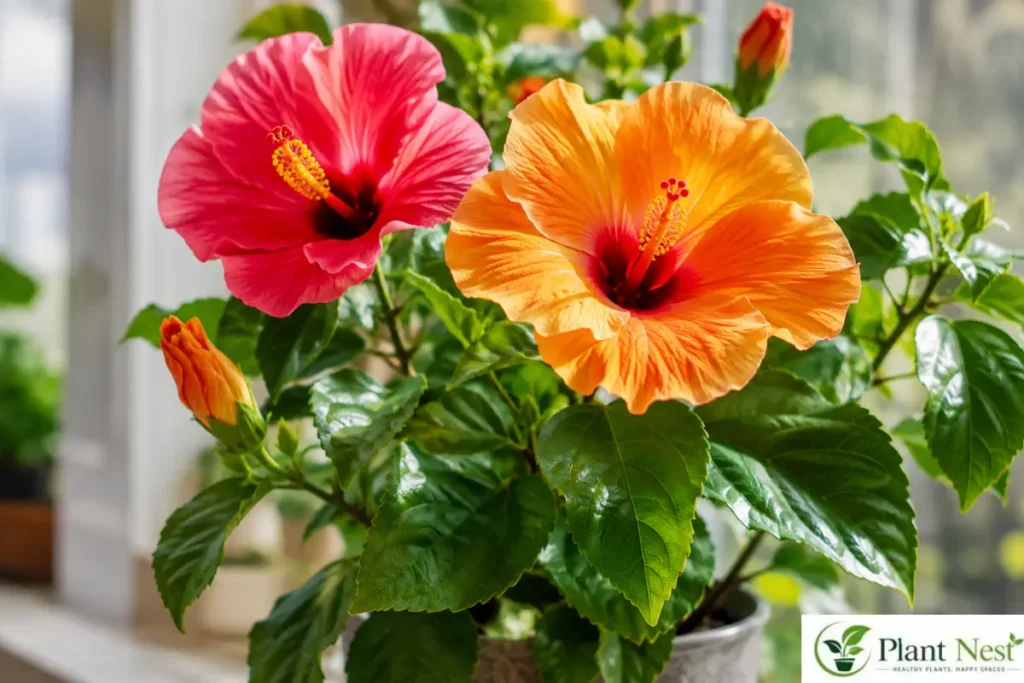
Why Are Indoor Foliage Plants So Popular?
Indoor foliage plants have become a favourite choice for homeowners because they combine beauty with easy maintenance. Their vibrant leaves instantly make a room feel fresher, warmer, and more inviting. Whether you prefer a modern living room, a cosy bedroom, or a stylish office, there is a foliage plant that complements every space.
Many people also choose foliage plants because they are beginner-friendly. Popular varieties such as Pothos, Snake Plant, ZZ Plant, and Chinese Evergreen can tolerate small care mistakes while continuing to grow well. This makes them ideal for anyone following a beginner’s guide to caring for foliage plants for the first time.
Another reason these plants are so widely loved is their adaptability. Most indoor foliage plants grow happily in average household temperatures and don’t require complicated care schedules. When provided with suitable light, well-draining soil, regular watering, and occasional feeding, they reward you with healthy green leaves that remain attractive throughout the year.
Foliage plants also encourage people to build a simple and enjoyable care routine. Checking the soil before watering, wiping dust from the leaves, and occasionally rotating the pot to encourage even growth are small tasks that make a significant difference over time. These habits not only improve plant health but also help you become more confident in how to keep foliage plants healthy indoors.
Understanding what foliage plants are and why they thrive indoors provides the perfect foundation before moving on to their practical care requirements. Once you recognise their natural needs, you’ll find that growing healthy indoor plants is far easier than many people imagine.
How to Care for a Foliage Plant: The Complete Beginner’s Guide
One of the biggest misconceptions is that how to care for a foliage plant, but that isn’t the case. You don’t need to follow a strict schedule or spend money on expensive plant products to grow healthy indoor plants. What really matters is understanding your plant’s environment and responding to its needs. Once you learn a few simple principles, caring for foliage plants becomes easy, enjoyable, and much more successful.
Choose the Right Location
The first step in how to care for a foliage plant indoors is choosing the right place for it to live. Even the healthiest plant can struggle if it’s placed in the wrong location. Light, temperature, humidity, and airflow all work together to influence growth, so it’s worth taking a few minutes to find the ideal spot.
Most indoor foliage plants thrive in bright, indirect light. This means they should receive plenty of natural daylight without sitting directly under harsh afternoon sun. A position near an east-facing window or a few feet away from a south- or west-facing window with a sheer curtain is often ideal. This type of light allows the leaves to produce energy without becoming scorched.
If your home doesn’t receive much sunlight, don’t worry. Several popular foliage plants, including Snake Plants, ZZ Plants, Chinese Evergreens, and Cast Iron Plants, adapt well to lower light conditions. Although their growth may be slower, they can still remain healthy when given proper care.
It’s also important to avoid placing plants next to heaters, radiators, fireplaces, air conditioners, or drafty doors and windows. Sudden temperature changes can stress the plant and affect its ability to grow. Keeping your plant in a stable environment is one of the best ways to care for a foliage plant and encourages stronger, healthier foliage over time.
Choosing the right location from the beginning reduces stress on the plant and creates the perfect foundation for long-term growth.
Understand Light Requirements
Light is one of the most important factors in successful foliage plant care. Every plant uses light to produce energy through photosynthesis, but too much or too little light can quickly affect its health.
Bright, indirect light suits the majority of indoor foliage plants because it closely matches the conditions found beneath the canopy of tropical forests where many of these species naturally grow. Gentle, filtered sunlight encourages steady growth while protecting delicate leaves from damage.
Too much direct sunlight often causes leaves to fade, develop brown patches, or become crispy around the edges. Variegated varieties can also lose their vibrant colours if exposed to intense sunlight for long periods.
On the other hand, insufficient light usually results in slower growth, smaller leaves, pale colouring, and long, stretched stems as the plant reaches towards the nearest light source. If you notice these signs, moving the plant closer to a brighter location can often solve the problem.
Rotating your plant every couple of weeks is another simple habit worth adopting. Since indoor light usually comes from one direction, plants naturally lean towards it. Turning the pot slightly every now and then encourages balanced growth and helps produce an evenly shaped plant with healthier foliage.
Learning how your plant responds to light is one of the easiest ways to improve indoor foliage plant care without making complicated changes.
Water Your Foliage Plant Correctly
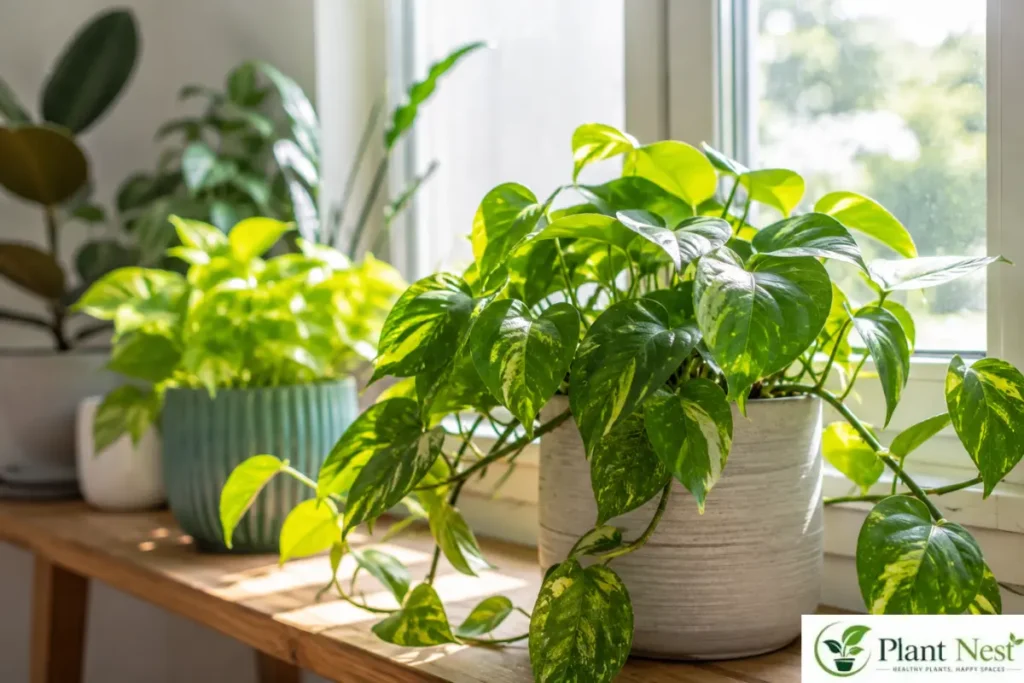
If there’s one area where most beginners make mistakes, it’s watering. Many people assume watering on the same day every week is the safest approach, but plants don’t follow calendars. They respond to changing temperatures, humidity, seasons, and growth rates. Understanding how often should you water a foliage plant depends on observing the plant rather than following a fixed schedule.
Before watering, always check the soil. Insert your finger a couple of centimetres into the potting mix. If the top layer feels dry, it’s usually time to water. If it still feels damp, wait another day or two before checking again. This simple habit helps prevent both overwatering and underwatering.
When watering, do it thoroughly so moisture reaches the entire root system. Continue until excess water drains from the bottom of the pot, then empty any collected water from the saucer. Allowing roots to sit in standing water for long periods increases the risk of root rot, one of the most common problems affecting indoor plants.
Overwatering often causes yellow leaves, soft stems, unpleasant smells from the soil, and weakened roots. Underwatering, however, usually leads to drooping leaves, dry soil, curling foliage, and brown leaf edges. Learning to recognise these early warning signs helps you adjust your routine before permanent damage occurs.
Seasonal changes also influence watering needs. During spring and summer, plants usually grow faster and use more water. In autumn and winter, growth naturally slows, meaning most foliage plants require less frequent watering. Adjusting your routine throughout the year is an important part of how to keep foliage plants healthy indoors.
Maintain Proper Humidity
Humidity is often overlooked, yet it plays a major role in keeping foliage plants healthy. Many popular indoor plants originate from tropical environments where the air contains much more moisture than a typical home. Dry indoor air, especially during winter or in air-conditioned rooms, can make it difficult for plants to thrive.
Low humidity commonly causes brown leaf tips, dry edges, curling leaves, and slower growth. While some plants tolerate dry conditions better than others, species such as Calatheas, Ferns, Peace Lilies, and many Philodendrons appreciate higher humidity levels.
Fortunately, increasing humidity doesn’t have to be complicated. Grouping several plants together naturally raises moisture levels around them because they release water vapour into the air through transpiration. Placing a tray filled with water and pebbles beneath the pot can also create a slightly more humid environment as the water evaporates. In particularly dry homes, a small humidifier provides one of the most effective long-term solutions.
Bathrooms and kitchens often have naturally higher humidity, making them suitable locations for many tropical foliage plants if enough natural light is available.
Maintaining suitable humidity encourages stronger leaves, healthier growth, and fewer stress-related problems, making it an essential part of caring for foliage plants successfully.
Keep the Right Temperature
Temperature affects almost every aspect of plant growth, from water absorption to leaf development. Fortunately, most indoor foliage plants grow well within the same temperature range that people find comfortable.
Generally, temperatures between 18°C and 27°C provide ideal growing conditions for most leafy houseplants. Consistency is more important than achieving an exact number. Sudden temperature fluctuations caused by open windows, heating vents, fireplaces, or air conditioning can place unnecessary stress on plants.
Cold drafts may cause leaves to yellow or drop unexpectedly, while excessive heat can dry the soil too quickly and cause wilting. Keeping plants away from radiators and direct heat sources allows them to grow more steadily throughout the year.
Night-time temperatures can naturally be slightly cooler than daytime temperatures, but dramatic changes should be avoided whenever possible. A stable indoor environment helps plants maintain healthy root systems and produce continuous new growth.
When combined with suitable light, careful watering, and balanced humidity, maintaining the right temperature completes the foundation of the best way to care for a foliage plant. These simple habits work together to create ideal growing conditions, allowing indoor foliage plants to stay vibrant, resilient, and healthy for many years.
Best Soil for Indoor Foliage Plants
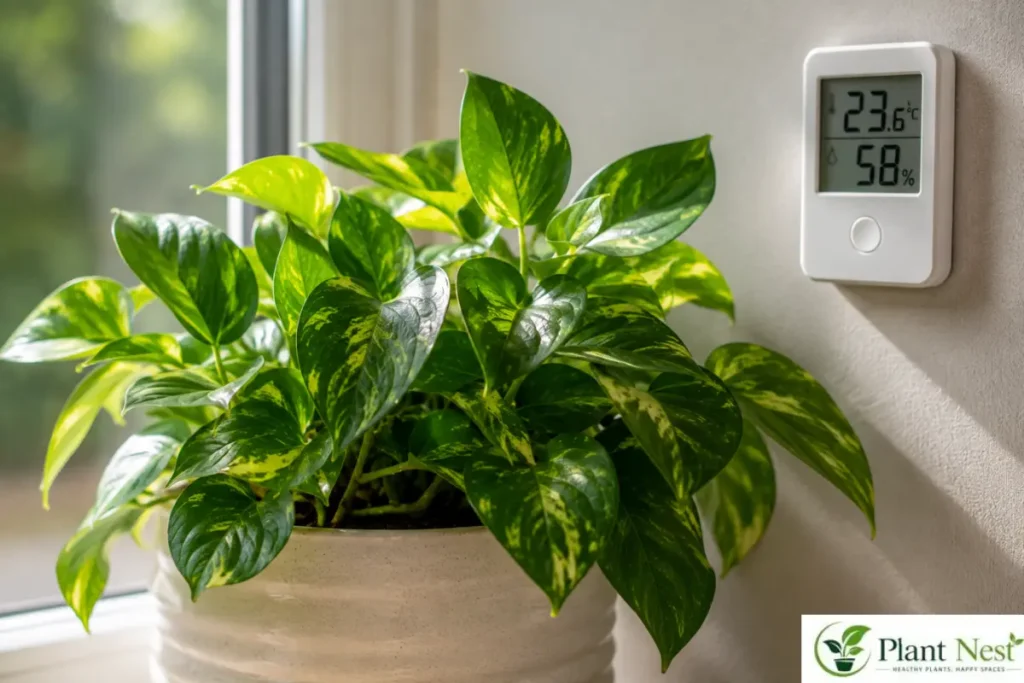
Many beginners assume that any bag of potting soil will work when learning how to care for a foliage plant, but that’s one of the biggest misconceptions in indoor gardening. The truth is that even if you provide the perfect amount of light and water, your plant can still struggle if it’s growing in the wrong soil.
Healthy foliage starts below the surface, and strong roots need the right environment to absorb water, oxygen, and nutrients. Choosing the best soil for indoor foliage plants is one of the smartest investments you can make for long-term plant health.
Choosing the Right Potting Mix
If you’re serious about how to care for a foliage plant indoors, don’t overlook the importance of a quality potting mix. Soil isn’t simply something that keeps a plant standing upright. It acts as the plant’s support system, storing moisture, supplying nutrients, and providing enough air around the roots for healthy growth.
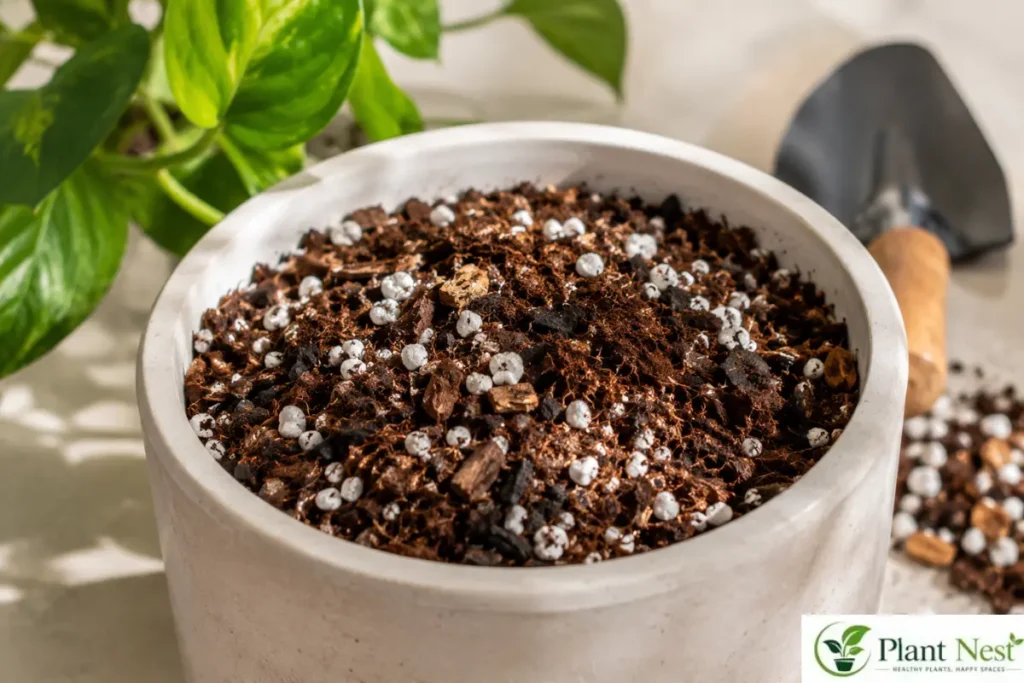
A good potting mix should feel light and airy rather than heavy or compact. When soil becomes too dense, water drains slowly and oxygen struggles to reach the roots. Over time, this creates an unhealthy environment where roots can weaken, leading to slow growth and poor overall plant health.
The best soil for indoor foliage plants usually contains a blend of organic materials and ingredients that improve drainage. Peat moss or coco coir helps the soil retain just enough moisture without becoming waterlogged, while perlite and pumice create tiny air pockets that allow roots to breathe. Bark chips or composted organic matter also improve soil structure and provide nutrients that support healthy leaf development.
Different foliage plants may have slightly different preferences, but most tropical houseplants thrive in a loose, moisture-retentive, and well-draining growing medium. Plants such as Monstera, Philodendron, Pothos, Peace Lily, Chinese Evergreen, and Rubber Plant all benefit from soil that balances water retention with excellent airflow around the roots.
It’s also important to remember that potting soil naturally breaks down over time. As it ages, it becomes more compact, making it harder for water and oxygen to move freely through the container.
This is one reason why refreshing the soil during repotting is an important part of indoor foliage plant care. Fresh potting mix gives the roots more space to expand and provides a healthier growing environment.
When choosing soil, avoid using ordinary garden soil for indoor containers. Garden soil is often too heavy, may contain pests or weed seeds, and usually doesn’t drain well inside pots. A high-quality indoor potting mix is specifically designed to provide the balance that container-grown foliage plants need.
If you’re following a beginner’s guide to caring for foliage plants, choosing the right soil from the start will make many other aspects of plant care much easier. Healthy roots lead to healthier stems, greener leaves, and stronger overall growth.
Importance of Good Drainage
Good drainage is just as important as choosing the right soil. In fact, even the highest-quality potting mix can’t protect your plant if excess water has nowhere to escape. Understanding drainage is a key part of the best way to care for a foliage plant, because roots need both water and oxygen to survive.
When water remains trapped inside the pot for too long, the soil becomes saturated and pushes out the oxygen that roots depend on. Without enough oxygen, roots begin to weaken and eventually rot. Once root rot develops, the plant struggles to absorb water and nutrients, often causing yellow leaves, wilting, stunted growth, and an unhealthy appearance.
This is why every indoor foliage plant should be grown in a pot with drainage holes. These openings allow excess water to flow out after watering, preventing moisture from collecting around the roots. Decorative containers without drainage may look attractive, but they significantly increase the risk of overwatering unless used as outer cachepots with a separate nursery pot inside.
The type of container you choose also plays a role in drainage. Terracotta pots naturally absorb some moisture through their porous walls, helping the soil dry slightly faster. Plastic pots retain moisture for longer, making them suitable for plants that enjoy consistently moist soil. Neither option is better than the other; the right choice depends on your watering habits, your home’s environment, and the specific needs of your plant.
Another important habit is emptying saucers or decorative trays after watering. Leaving water sitting beneath the pot allows the soil to absorb that moisture again, keeping the roots constantly wet. Allowing excess water to drain away completely creates a much healthier environment for root development.
Good drainage also works hand in hand with proper watering. Even when you know how often should you water a foliage plant, the roots still need time to breathe between watering sessions. A combination of well-draining soil and a pot with drainage holes creates the perfect balance, allowing the roots to receive moisture without remaining constantly wet.
One of the easiest ways to check whether your drainage is working properly is to observe how water moves through the pot. After watering, excess water should begin flowing from the drainage holes within a short time. If water pools on the surface for several minutes or drains very slowly, the soil may be compacted or the drainage holes may be blocked. Addressing these issues early helps prevent future problems.
Many common plant issues that people blame on watering are actually caused by poor drainage. Improving the soil structure and ensuring proper drainage often transforms a struggling plant into a healthy one without changing anything else in the care routine.
Choosing the best soil for indoor foliage plants and providing effective drainage create the perfect foundation for healthy roots. Once the root system is strong, your foliage plant is far better equipped to absorb nutrients, produce vibrant green leaves, and continue growing steadily throughout the year. These simple but essential steps make how to keep foliage plants healthy indoors much easier, helping your plants stay lush, resilient, and beautiful for years to come.
Indoor Foliage Plant Care Routine
One common assumption is that how to care for a foliage plant means following a complicated schedule every day. In reality, healthy plants don’t need constant attention. They simply need consistent care. A simple routine that includes feeding, pruning, and repotting at the right time is far more effective than doing too much all at once. Once these habits become part of your regular routine, keeping indoor foliage plants healthy feels easy rather than overwhelming.
Fertilise at the Right Time
One of the most overlooked parts of indoor foliage plant care is feeding your plants. While good soil provides nutrients for a while, those nutrients gradually become depleted as the plant grows. Regular fertilising replaces what the plant has used and supports the production of strong roots, healthy stems, and lush green leaves.
The best way to care for a foliage plant is to fertilise only during its active growing season, which is usually from spring to early autumn. During this period, plants produce new leaves more quickly and require additional nutrients to support healthy development. Feeding during winter is usually unnecessary because most indoor foliage plants naturally slow their growth.
A balanced liquid fertiliser designed for houseplants is often the easiest option for beginners. It provides essential nutrients that encourage steady growth without being too strong. Always follow the recommended application rate because using more fertiliser does not make plants grow faster. Instead, excessive feeding can damage the roots and cause brown leaf edges or salt build-up in the soil.
Organic fertilisers are another excellent choice for people who prefer a more natural approach. Products made from compost, worm castings, seaweed, or fish emulsion release nutrients more gradually and improve overall soil health over time. Although they may work a little slower, they help create a healthier growing environment for long-term plant care.
It’s also worth paying attention to your plant’s appearance. Pale leaves, slow growth, or unusually small new leaves can sometimes indicate that nutrients are running low. However, before adding fertiliser, make sure the plant is receiving enough light and proper watering, as these factors often affect growth more than feeding alone.
Developing a sensible feeding schedule is an important part of how to keep foliage plants healthy indoors. Providing nutrients when your plant actually needs them encourages balanced growth without creating unnecessary stress.
Pruning for Healthy Growth
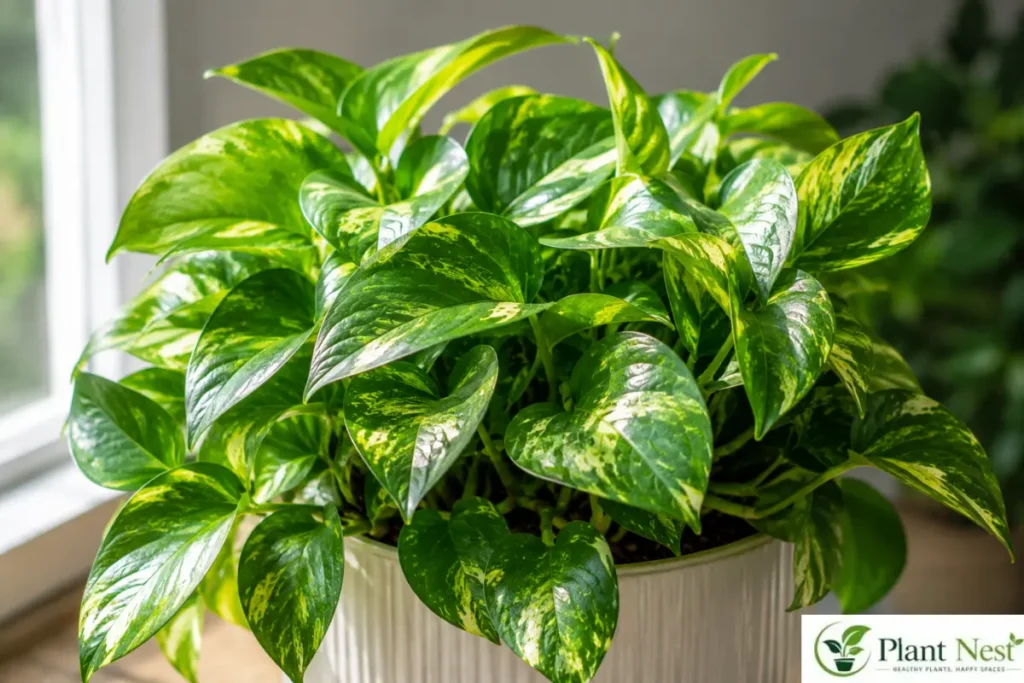
Pruning often sounds intimidating, especially if you’re new to houseplants, but it’s actually one of the simplest ways to improve the appearance and health of your plant. Knowing when and how to prune is an essential part of caring for foliage plants, as it encourages fresh growth while helping the plant use its energy more efficiently.
The first step is removing leaves that have turned yellow, become damaged, or dried out completely. These leaves no longer contribute much to the plant and may attract pests or diseases if left in place. Using clean, sharp scissors or pruning shears helps create a neat cut that heals quickly.
Pruning also encourages many foliage plants to become fuller and bushier. When long stems are trimmed just above a healthy leaf node, new shoots often develop from that point. Instead of producing one long stem with a few leaves, the plant begins creating multiple branches, giving it a thicker and more attractive appearance.
Cleaning the leaves is another simple maintenance task that is often overlooked. Dust naturally settles on indoor plants and blocks some of the light reaching the leaves. Wiping the foliage gently with a soft, damp cloth helps improve photosynthesis while allowing the plant to breathe more efficiently. It also makes it easier to spot pests before they become a serious problem.
While pruning, take a few moments to inspect both the upper and lower surfaces of the leaves. Early signs of spider mites, mealybugs, aphids, or fungal problems are much easier to deal with when discovered quickly. This regular inspection forms part of a healthy indoor foliage plant care routine and helps prevent small issues from becoming major ones.
Pruning should always be done carefully. Removing too much foliage at one time can stress the plant and slow its recovery. A few thoughtful cuts are usually far more beneficial than aggressive trimming.
Repotting When Necessary
Repotting is another important step in how to care for a foliage plant indoors, but many people either do it too often or avoid it completely. The key is knowing when your plant actually needs more space rather than following a fixed timetable.
As foliage plants grow, their roots gradually fill the pot. Eventually, there is very little room left for new root growth, making it harder for the plant to absorb water and nutrients. This is known as becoming root-bound, and it often slows overall growth.
Several signs indicate that it may be time to repot. Roots growing through the drainage holes are one of the clearest signals. You may also notice that water drains through the pot unusually quickly because there is very little soil left to hold moisture. Some plants begin producing smaller leaves, while others stop growing altogether despite receiving good care.
When repotting, avoid choosing a container that is much larger than the current one. A pot around 2 to 5 centimetres wider than the existing container is usually enough. Moving into an oversized pot can leave too much unused soil around the roots, causing it to stay wet for longer than necessary and increasing the risk of root rot.
Fresh potting mix is just as important as the new container. Over time, old soil becomes compacted and loses its ability to provide proper airflow and drainage. Replacing it with a fresh, well-draining mix gives the roots access to more oxygen and nutrients, creating better conditions for future growth.
Spring is generally considered the best way to care for a foliage plant when it comes to repotting because plants naturally enter their active growing season. This allows them to establish new roots more quickly and recover faster from the temporary stress of being moved.
After repotting, place the plant back in suitable light and water it thoroughly to help the new soil settle around the roots. Avoid fertilising immediately, as fresh potting mix usually contains enough nutrients for the first few weeks. Giving the plant time to adjust before resuming its normal feeding routine helps reduce stress and encourages healthy recovery.
Repotting isn’t something you’ll need to do every year for every plant, but checking the root system regularly ensures your foliage plants continue to grow without becoming restricted. Combined with sensible fertilising and regular pruning, it forms an essential part of a complete beginner’s guide to caring for foliage plants.
A consistent maintenance routine doesn’t have to be complicated. Feeding at the right time, removing damaged growth, and repotting only when necessary are simple habits that make a noticeable difference. Together, these practices strengthen the root system, encourage lush green foliage, and create the ideal conditions for long-term success. When these routines become part of your regular schedule, you’ll find that how to keep foliage plants healthy indoors becomes second nature, allowing your indoor garden to remain vibrant and thriving throughout the year.
Common Foliage Plant Problems and Simple Solutions
Many people think that once a foliage plant starts looking unhealthy, there’s no way to save it. Fortunately, that’s rarely true. Most plant problems develop gradually and can be corrected if you spot them early. Learning how to care for a foliage plant also means recognising warning signs before they become serious. Yellow leaves, brown edges, slow growth, or pest attacks are usually your plant’s way of telling you that something in its environment needs to change. The good news is that most of these problems have simple solutions.
Yellow Leaves
Yellow leaves are one of the most common concerns for indoor gardeners. Although it’s natural for an older leaf to turn yellow occasionally, several yellow leaves appearing at once usually indicate that something isn’t right.
Overwatering is often the main cause. When the soil remains wet for too long, the roots cannot absorb oxygen properly, causing the leaves to lose their healthy green colour. Poor drainage, compacted soil, or watering too frequently can all contribute to this problem. In some cases, underwatering, poor lighting, or nutrient deficiencies may also cause yellowing.
The first step is to check the soil before watering again. If it feels consistently wet, allow it to dry slightly before the next watering. Make sure your pot has drainage holes and that excess water can escape easily. If the soil has become old or compacted, replacing it with fresh, well-draining potting mix can significantly improve root health. This simple adjustment is often enough to restore healthy growth and is an important part of how to keep foliage plants healthy indoors.
Brown Leaf Tips
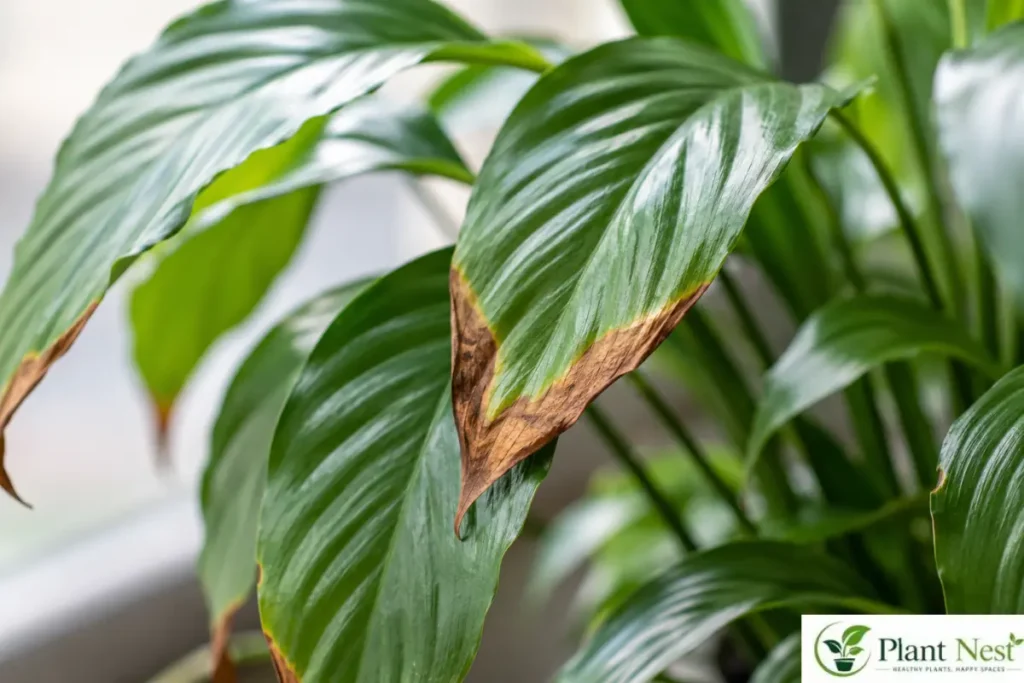
Brown tips are another issue that many people notice, especially on tropical foliage plants. While they may seem alarming, they usually point to environmental conditions rather than disease.
Dry indoor air is one of the most common causes, particularly during winter when heating systems reduce humidity levels. Irregular watering, excessive fertiliser, or minerals from hard tap water can also cause the leaf tips to dry out.
Increasing humidity around your plant often solves the problem. Placing plants closer together, using a humidifier, or positioning them in naturally humid rooms such as kitchens can help. Maintaining a consistent watering routine and flushing the soil occasionally with clean water also removes excess fertiliser salts that may build up over time.
Keeping the leaves healthy instead of simply trimming off brown edges addresses the real cause rather than just improving appearance. This is one of the best ways to care for a foliage plant over the long term.
Drooping Leaves
Drooping leaves are often the first sign that a plant is under stress. Many people immediately assume the plant needs water, but that’s not always the case.
Both underwatering and overwatering can cause leaves to droop. Dry soil usually causes the leaves to become limp because the roots cannot deliver enough moisture to the rest of the plant. On the other hand, overly wet soil damages the roots, making it difficult for them to absorb water even though plenty is available.
Before reaching for the watering can, always check the moisture level in the soil. If it’s dry, water thoroughly. If it’s already damp, allow it to dry slightly before watering again. Also consider recent changes in temperature, light, or the plant’s location, as sudden environmental changes can temporarily cause drooping.
Understanding what your plant is communicating is a valuable skill in how to care for a foliage plant indoors, allowing you to solve problems before permanent damage occurs.
Slow Growth
Many indoor gardeners become concerned when their foliage plant stops producing new leaves. However, slow growth doesn’t always indicate a serious problem.
Plants naturally grow more slowly during autumn and winter as daylight hours decrease. During spring and summer, they become more active and usually produce fresh foliage more regularly. If your plant isn’t growing during the active season, inadequate light, nutrient deficiencies, overcrowded roots, or poor soil may be responsible.
Moving the plant to a brighter location with indirect sunlight often encourages stronger growth. If the soil has been in the pot for several years, replacing it with fresh potting mix and feeding with a balanced houseplant fertiliser during the growing season can also help.
Patience is important. Healthy growth takes time, and consistent care usually produces better results than making frequent changes. Following a steady indoor foliage plant care routine allows plants to recover naturally.
Root Rot
Root rot is one of the most serious problems affecting indoor foliage plants, but it is also one of the most preventable. It develops when roots remain constantly wet for extended periods, allowing fungi and bacteria to attack the weakened root system.
Early signs often include yellow leaves, drooping stems, slow growth, soft roots, and a sour smell coming from the pot. If left untreated, the damage can spread quickly throughout the entire root system.
If you suspect root rot, carefully remove the plant from its pot and inspect the roots. Healthy roots should be firm and light in colour. Dark, mushy, or foul-smelling roots should be trimmed away using clean scissors. Repot the plant into fresh, well-draining soil and reduce watering until new growth begins to appear.
Preventing root rot is much easier than treating it. Choosing the best soil for indoor foliage plants, using containers with drainage holes, and watering only when necessary remain the most effective ways to protect your plant.
Pest Problems
Even healthy indoor plants can occasionally attract pests. Fortunately, most infestations can be controlled easily when detected early.
Spider mites are among the most common pests found on foliage plants. They are tiny and difficult to see, but they often leave fine webbing beneath the leaves and cause tiny pale spots across the foliage. Dry indoor conditions encourage their development, so increasing humidity and wiping the leaves regularly can help reduce their numbers.
Mealybugs appear as small white, cotton-like clusters around stems and leaf joints. They feed on plant sap, weakening the plant over time. Removing them with a cotton bud dipped in rubbing alcohol or using insecticidal soap usually controls light infestations effectively.
Fungus gnats are small flying insects that often appear when soil stays consistently damp. While the adult insects are mostly a nuisance, their larvae feed on organic matter in wet soil and can damage delicate roots. Allowing the top layer of soil to dry between watering helps reduce their population significantly.
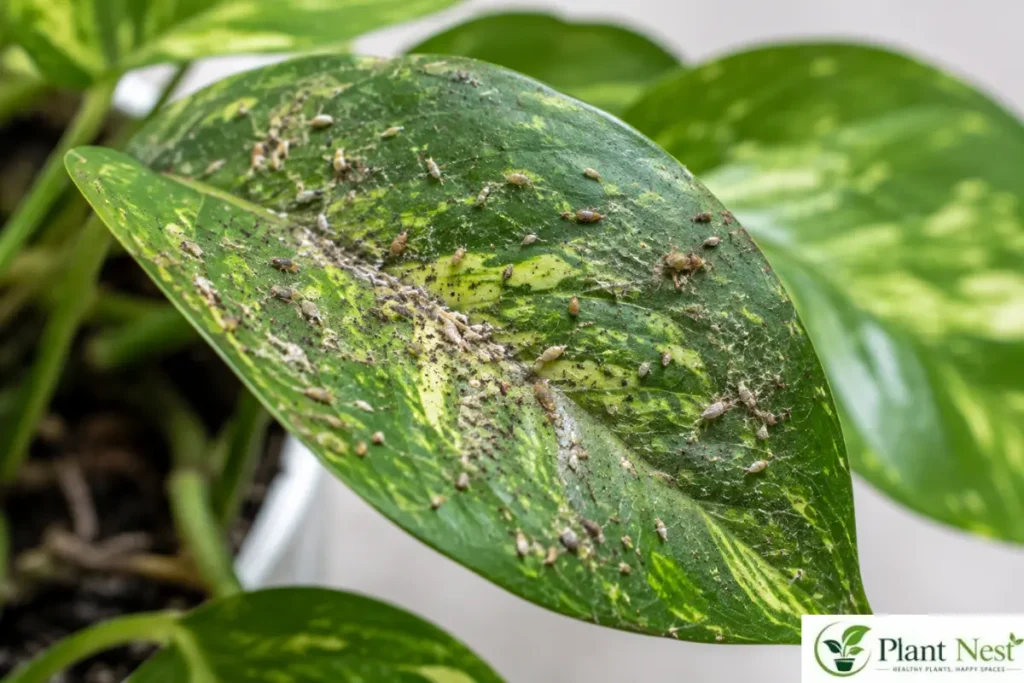
Aphids are small green, black, or brown insects that gather on new shoots and young leaves. They reproduce quickly but are relatively easy to remove using a gentle spray of water or insecticidal soap before they spread throughout the plant.
The best defence against pests is regular observation. Inspect your foliage plants every week, paying close attention to the undersides of leaves and new growth. Early detection allows you to deal with problems before they become severe and is one of the simplest habits in caring for foliage plants.
Most plant problems are not permanent. They are simply signals that something in the growing environment needs adjusting. By paying attention to your plant’s leaves, roots, and overall appearance, you can identify issues early and respond with confidence. As you continue learning how to care for a foliage plant, you’ll discover that healthy plants are usually the result of consistent observation, small adjustments, and patience rather than complicated care routines.
Frequently Asked Questions (FAQs)
Many people have similar questions when they first start learning how to care for a foliage plant. Below are clear, practical answers to some of the most common concerns. These FAQs will help you avoid beginner mistakes and keep your indoor foliage plants healthy throughout the year.
How do you care for a foliage plant indoors?
The best way to care for a foliage plant indoors is to provide bright, indirect light, water only when the top layer of soil feels dry, use a well-draining potting mix, and grow the plant in a container with drainage holes. Keep the temperature stable, maintain moderate humidity, and feed the plant during its active growing season. Regularly clean the leaves and inspect for pests to ensure healthy growth.
How often should you water a foliage plant?
There is no fixed watering schedule because every home has different temperatures, humidity levels, and lighting conditions. Instead of watering on specific days, check the soil first. If the top 2–3 centimetres feel dry, it’s usually time to water. Most indoor foliage plants need more frequent watering during spring and summer than in autumn and winter.
What is the best soil for indoor foliage plants?
The best soil for indoor foliage plants is light, well-draining, and rich in organic matter. A quality potting mix containing coco coir or peat moss, perlite, bark, or compost allows the roots to receive both moisture and oxygen. Avoid using ordinary garden soil indoors because it becomes compacted and drains poorly.
How do you keep foliage plants healthy indoors?
Learning how to keep foliage plants healthy indoors starts with consistency. Place your plant in the right light, water only when needed, provide proper humidity, feed during the growing season, and repot when the roots become crowded. Cleaning the leaves and checking regularly for pests also helps prevent common problems before they become serious.
Why are my foliage plant leaves turning yellow?
Yellow leaves are usually caused by overwatering, poor drainage, or old soil that remains wet for too long. In some cases, insufficient light, underwatering, or nutrient deficiencies may also contribute. Checking the soil moisture and improving drainage are often the first steps towards solving the problem.
Can foliage plants survive in low light?
Yes, many foliage plants can tolerate lower light conditions, although their growth may be slower. Plants such as Snake Plant, ZZ Plant, Chinese Evergreen, Cast Iron Plant, and Pothos are excellent choices for rooms with limited natural light. However, even low-light plants still benefit from some indirect daylight to stay healthy.
How often should I fertilise a foliage plant?
Most indoor foliage plants benefit from fertiliser every four to six weeks during spring and summer when they are actively growing. Feeding is usually reduced or stopped during autumn and winter because growth naturally slows. Always follow the manufacturer’s instructions to avoid over-fertilising.
When should I repot a foliage plant?
Repot your foliage plant when the roots begin growing through the drainage holes, water drains too quickly, or growth slows despite proper care. Spring is usually the best time to repot because the plant can establish new roots more quickly during its active growing season. Choosing a pot that is only slightly larger than the current one encourages healthy root development.
Conclusion
Learning how to care for a foliage plant doesn’t have to be complicated. Once you understand the basics, you’ll realise that healthy indoor plants rely on consistency rather than perfection. Choosing the right location, using the best soil for indoor foliage plants, watering carefully, maintaining suitable humidity, and following a simple care routine all work together to support strong roots and vibrant green leaves.
Remember that every plant grows at its own pace. Instead of expecting instant results, pay attention to the small changes your plant shows over time. Healthy new leaves, steady growth, and firm stems are all signs that your care routine is working. If problems such as yellow leaves, brown tips, or slow growth appear, don’t be discouraged. Most issues are easy to correct once you identify the cause and make small adjustments.
If you’re following this beginner’s guide to caring for foliage plants, start with easy-to-grow varieties and build your confidence one plant at a time. As you gain experience, you’ll become better at recognising what your plants need and when they need it. Caring for indoor plants soon becomes an enjoyable habit rather than a difficult task.
The best way to care for a foliage plant is to stay observant, be patient, and provide consistent care throughout the year. Small efforts made regularly will always produce better results than occasional intensive care. With the tips shared in this guide, you’ll know how to keep foliage plants healthy indoors and enjoy beautiful, thriving houseplants that add colour, freshness, and life to your home for many years to come.

Plant Nest Blog’s author is passionate about plants, gardening, and sustainable living. Through research and practical experience, they share helpful plant care tips, gardening guides, and easy solutions to help readers grow healthier plants and create greener spaces.