
Many people assume every houseplant needs a bright, sunny windowsill to grow well, but that’s a common myth. In reality, many of the 17 Best Plants for Low Light Indoors come from tropical forests, where they naturally grow beneath dense tree canopies with very little direct sunlight. Because they’ve adapted to shaded conditions, these plants are perfectly suited to homes, flats and offices that don’t receive strong natural light.
If you’ve been reluctant to add greenery because your rooms seem too dark, you’ll be pleased to know there are plenty of attractive, low-maintenance options that thrive in low-light spaces.
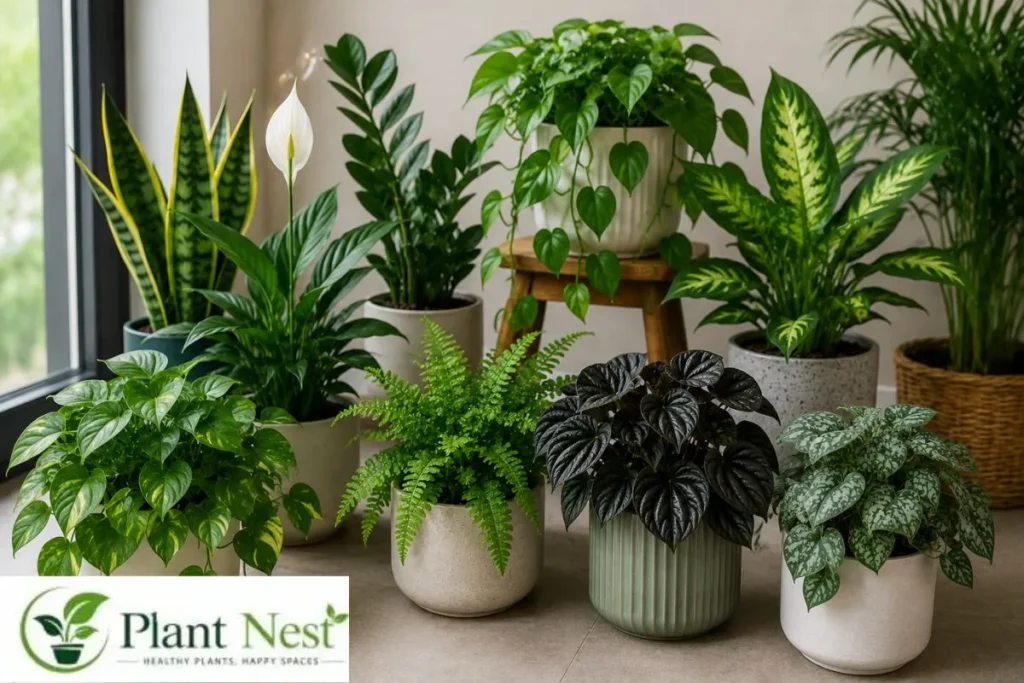
From cosy bedrooms to compact apartments and busy workspaces, the right houseplants can brighten your interior without demanding constant attention.
Many shade-tolerant varieties offer eye-catching foliage, distinctive leaf shapes and rich green colour while requiring minimal care. In this guide, you’ll discover the 17 Best Plants for Low Light Indoors, learn which varieties perform best in darker rooms, and pick up practical care tips to help them stay healthy and vibrant for years to come.
What Does “Low Light” Actually Mean?
One of the most common reasons people struggle with houseplants is misunderstanding what “low light” actually means. Many assume it describes a dark room with little or no daylight, but that’s a misconception. Even the 17best plants for low light indoors need light to produce energy through photosynthesis and maintain healthy growth.
Before choosing a houseplant, it’s worth assessing the lighting in your home. Understanding the difference between low light and no light will help you select varieties that naturally suit your space, making them easier to care for and far more likely to thrive.
Understanding Low Light Conditions Inside Your Home
Low light refers to areas that receive gentle, indirect natural light rather than direct sunshine. These spaces are bright enough to carry out everyday tasks during the day without switching on a lamp, but the sunlight never falls directly onto the plants. Many shade-loving houseplants flourish in these conditions because they naturally grow beneath the dense canopy of tropical forests, where bright sunlight is filtered by taller trees.
Typical low-light spots include rooms with north-facing windows, living areas shaded by neighbouring buildings or mature trees, hallways with indirect daylight, bedrooms where curtains stay closed for much of the day, offices that rely mainly on artificial lighting, bathrooms with frosted or small windows, and corners positioned well away from a bright window. While these locations aren’t suitable for sun-loving species, they’re ideal for many resilient indoor plants that prefer softer light.
Signs Your Home Has Low Natural Light
If you’re unsure whether your home falls into the low-light category, there are a few simple clues to look for. Rooms that rarely receive direct sunshine, have soft shadows instead of sharp ones, and feel bright without ever becoming sunny are generally considered low-light spaces.
You may also notice that nearby buildings, large trees or bulky furniture reduce the amount of daylight entering the room. If artificial lighting is needed for part of the day, it’s another sign that natural light is limited. In these conditions, choosing shade-tolerant indoor plants will give you far better results than growing species that depend on prolonged direct sunlight.
Interestingly, many popular houseplants actually perform better away from harsh afternoon sun. Strong direct light can scorch delicate leaves, whereas filtered light helps preserve healthy foliage and vibrant colour.
Can Plants Survive Without Sunlight?
A question many beginners ask is whether plants can survive without sunlight. The simple answer is no. Every plant needs light to produce the energy required for growth, so complete darkness isn’t suitable for any living plant over the long term.
That said, there’s an important difference between direct sunlight and usable light. Many indoor plants don’t need hours of bright sunshine to stay healthy. Instead, they thrive in consistent indirect light, making them ideal for north-facing rooms, shaded interiors and homes with limited natural daylight.
If a room receives almost no daylight, an LED grow light can provide an effective substitute by supplying the light spectrum plants need for photosynthesis. This is especially useful for basements, windowless offices or particularly dark spaces. For most homes, however, choosing the 17best plants for low light indoors is enough to create a healthy indoor garden without relying on additional equipment.
Spending a few minutes assessing your home’s lighting before buying a plant can prevent unnecessary frustration. When you match the right plant to the right location, you’ll enjoy healthier growth, fewer maintenance issues and a greener, more inviting home with much less effort.
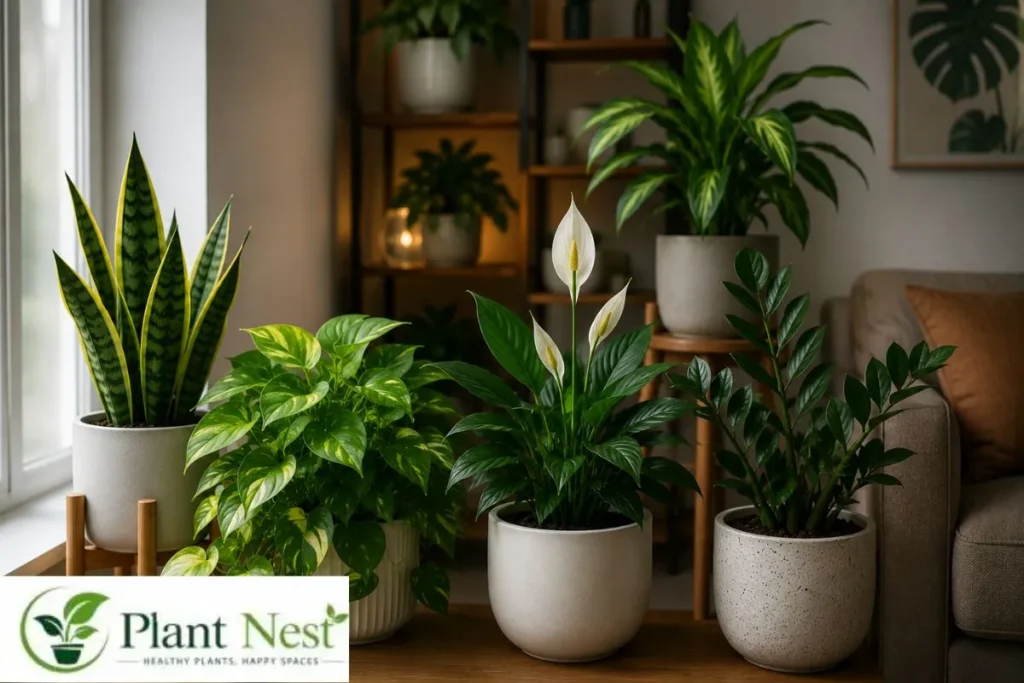
How We Selected the 17 Best Plants for Low Light Indoors
It’s easy to assume that any plant labelled as “low light” will thrive in every dim corner of your home. In reality, that’s rarely the case. While many houseplants can tolerate reduced light, only a select few continue to grow well, produce healthy foliage and remain attractive over time. That’s why our list of the 17 best plants for low light indoors is based on proven performance in real homes rather than marketing claims.
Instead of choosing plants simply because they’re popular, we focused on varieties that are dependable, easy to maintain and well suited to everyday living. Whether you’re decorating a small flat, brightening an office or adding greenery to a bedroom with limited sunlight, each recommendation has been carefully selected for long-term success.
Easy to Care For
Not everyone has the time to follow a detailed plant care routine, especially beginners. For that reason, we prioritised species that are naturally forgiving and require very little maintenance.
The plants featured in this guide cope well with occasional missed watering, adapt easily to indoor environments and continue to look healthy without constant attention. They’re excellent choices for anyone who wants attractive greenery without a demanding care schedule.
Adaptability to Indoor Conditions
Every home has a unique environment. Some rooms stay warm throughout the year, while others are cooler or have lower humidity levels. We selected plants that perform well across a range of indoor conditions rather than those that need perfectly controlled environments.
These adaptable varieties thrive in homes, flats and offices, making them ideal for busy lifestyles. Their ability to adjust to different light levels and indoor climates also makes them easier to maintain over the long term.
Attractive Foliage Throughout the Year
While flowering plants provide seasonal colour, foliage delivers year-round beauty. That’s why we gave priority to houseplants with lush leaves, interesting textures and striking patterns that remain decorative in every season.
From glossy green foliage to elegant variegated leaves, these plants add colour, depth and natural character to living rooms, bedrooms and workspaces. They’re chosen not only for their resilience but also for their ability to enhance interior décor.
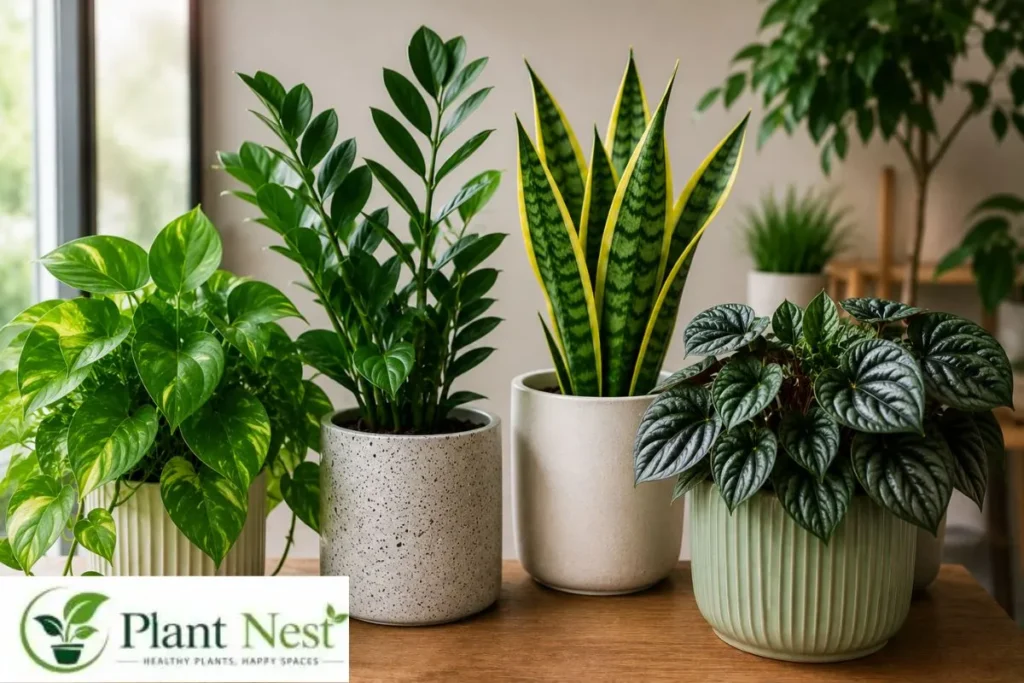
Proven Performance in Low-Light Spaces
Some plants merely survive in low-light conditions, while others continue producing healthy new growth. We selected species with a well-established reputation for thriving in shaded indoor environments instead of simply tolerating them.
These reliable houseplants have consistently proven themselves in homes with limited natural light, making them dependable choices for anyone looking to build a successful indoor plant collection.
Suitable for Beginners
Starting with easy-going plants makes indoor gardening far more enjoyable. That’s why many of the varieties in this guide are ideal for first-time plant owners.
These forgiving plants recover well from minor care mistakes, settle quickly into new surroundings and don’t require specialist knowledge. They’re perfect for building confidence while enjoying healthy, long-lasting houseplants.
Growth Habit and Space Requirements
No two homes have the same amount of space, so we included a balanced mix of compact plants, upright growers and larger statement varieties.
Whether you need a small plant for a desk, a shelf for an empty corner or a feature plant for your living room, you’ll find options that suit different layouts without overwhelming the space. Choosing the right growth habit also makes ongoing care much easier.
Air-Purifying Benefits
Although houseplants shouldn’t be relied upon to clean indoor air on their own, many contribute to a fresher and more pleasant living environment. Several plants featured in this guide are widely appreciated for their air-purifying qualities and are popular additions to bedrooms, living rooms and home offices.
When combined with good ventilation and regular care, they help create a healthier, more inviting indoor space while adding natural beauty to your home.
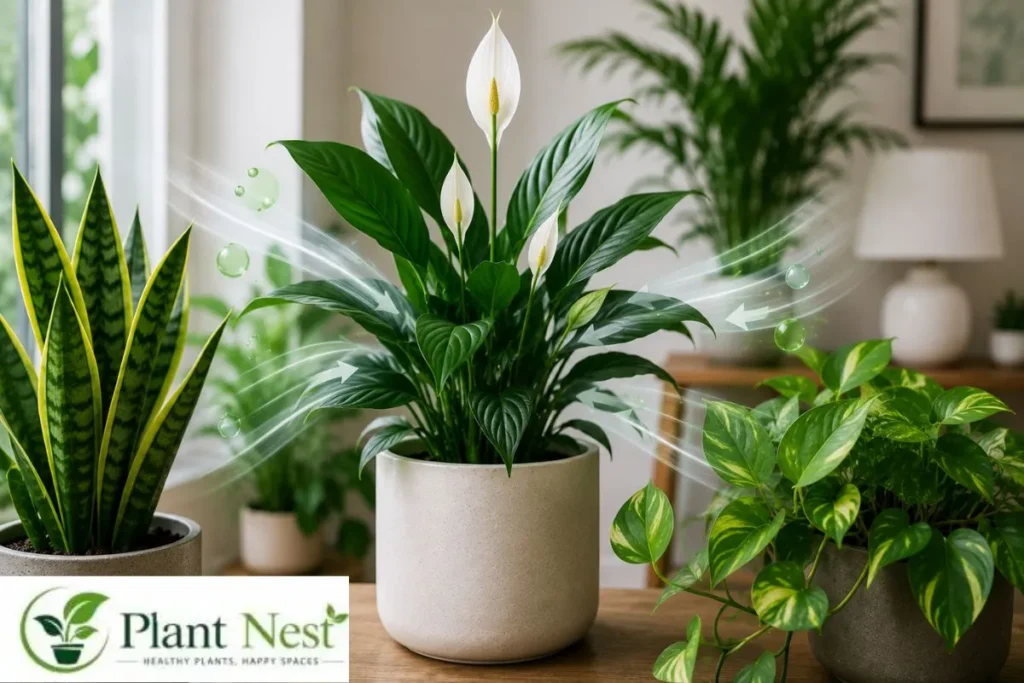
Perfect for Homes, Flats and Offices
Modern interiors often have limited space and less natural light than we’d like. Every plant in this guide has been chosen with those everyday conditions in mind.
Whether you’re styling a compact flat, brightening a workspace or bringing life to a cosy bedroom, these plants fit comfortably into a variety of settings. Many grow happily on shelves, desks, side tables and unused corners, making them practical options even when space is at a premium.
By following these selection standards, we’ve created a carefully researched list that prioritises reliability over popularity. The 17 best plants for low light indoors offer an ideal combination of beauty, adaptability and easy care. Whether you’re searching for beginner-friendly houseplants, low-maintenance greenery or elegant foliage plants that flourish in shaded spaces, the next section will help you find the perfect option for your home.
17 Best Plants for Low Light Indoors
Many people assume that shade-loving houseplants are plain, slow-growing and lacking in character. In reality, the 17 best plants for low light indoors include some of the most striking and adaptable varieties you can grow. From elegant trailing vines to bold tropical foliage, these plants prove you don’t need a sun-filled room to enjoy a thriving indoor garden.
Whether you’re decorating a compact flat, brightening a home office or adding life to a cosy bedroom, there’s a low-light plant to suit every space. Below are 17 reliable houseplants that combine attractive foliage with easy care, making them ideal for beginners and experienced plant lovers alike.
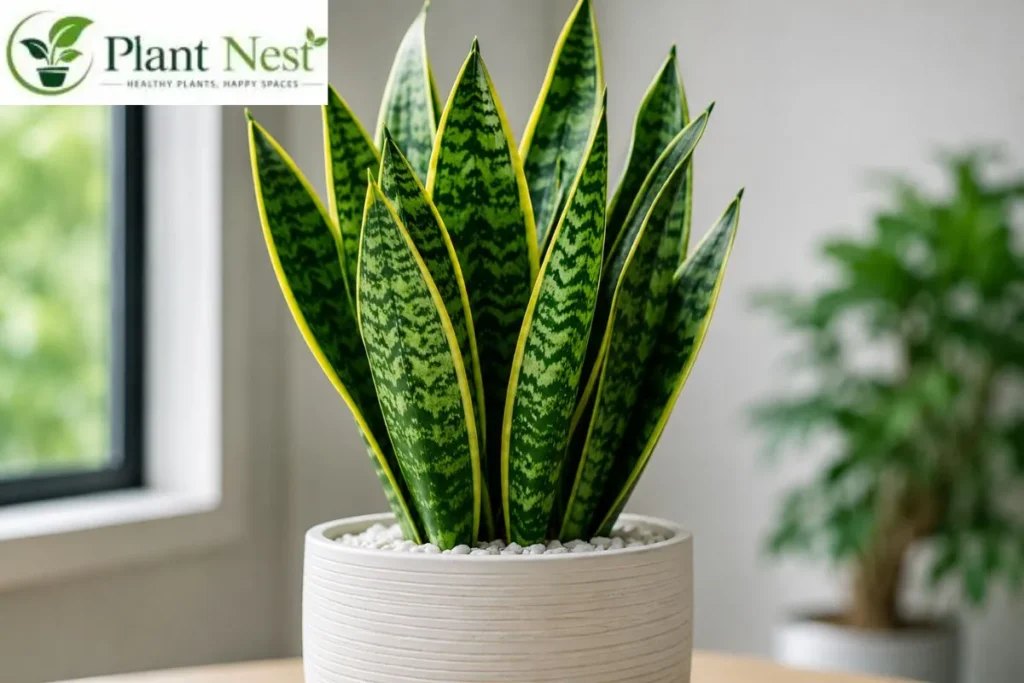
Snake Plant (Sansevieria)
The Snake Plant is one of the toughest houseplants available and a standout choice among the 17 best plants for low light indoors. Its upright, sword-like leaves create a sleek, modern look while taking up very little space.
It grows happily in low light but also adapts to brighter, indirect conditions. Allow the soil to dry completely before watering, as excess moisture is the main cause of root problems. Its slow growth and minimal care requirements make it perfect for bedrooms, hallways and offices. Plant it in a free-draining compost and avoid watering to a fixed schedule.
ZZ Plant (Zamioculcas zamiifolia)
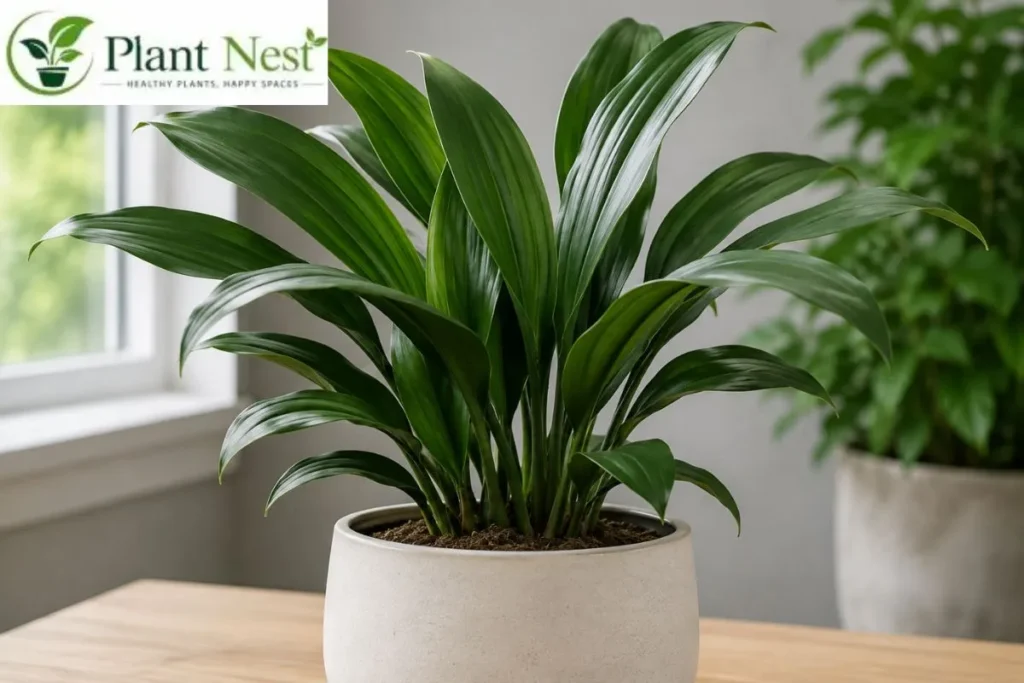
The ZZ Plant has earned its reputation for thriving where many other houseplants struggle. Its glossy, deep green foliage stays attractive throughout the year, even in dimly lit rooms.
Because it stores water in thick underground rhizomes, it only needs watering every few weeks. It copes well with dry indoor air and grows at a steady pace. This is an excellent choice for busy households and offices, although it should be kept out of reach of children and pets because all parts of the plant are toxic if ingested.
Pothos (Epipremnum aureum)
Pothos is a favourite for anyone looking for an easy-care trailing plant. Its cascading vines and heart-shaped leaves bring instant greenery to shelves, bookcases and hanging baskets.
Although it grows faster in bright, indirect light, it performs surprisingly well in lower-light conditions. Water once the top layer of compost feels dry, and trim the vines occasionally to encourage fuller, bushier growth.
Peace Lily (Spathiphyllum)
The Peace Lily combines elegant white blooms with lush green foliage, making it one of the most decorative low-light houseplants.
It prefers evenly moist soil and appreciates slightly higher humidity than many indoor plants. One of its most useful features is that its leaves naturally droop when it needs watering, making care straightforward. Keep it away from strong afternoon sun to prevent leaf scorch.
Cast Iron Plant (Aspidistra elatior)
True to its name, the Cast Iron Plant is exceptionally resilient and copes well with neglect.
Its broad, dark green leaves tolerate low light, inconsistent watering and fluctuating indoor temperatures. Although it grows slowly, it remains attractive year after year, making it a dependable option for hallways, offices and shaded living spaces.
Chinese Evergreen (Aglaonema)
Chinese Evergreen is admired for its colourful foliage, with many varieties displaying silver, cream or pink markings that brighten darker interiors.
Keep the soil lightly moist without allowing it to become waterlogged. While moderate humidity encourages healthy growth, this adaptable plant performs well in most homes and is suitable for both beginners and experienced growers.
Philodendron
Philodendrons are among the easiest tropical houseplants to grow, thanks to their forgiving nature and attractive foliage.
Most varieties thrive in indirect light and only need watering when the top layer of soil has dried. Whether climbing or trailing, they’re ideal for shelves, hanging planters and bookcases, adding lush greenery with very little effort.
Spider Plant (Chlorophytum comosum)
The Spider Plant is a classic favourite known for its arching leaves and dangling baby plants.
It grows well in lower light, although brighter indirect light encourages faster growth. Water regularly, ensuring excess moisture drains away freely. It’s also one of the easiest houseplants to propagate, making it perfect for beginners.
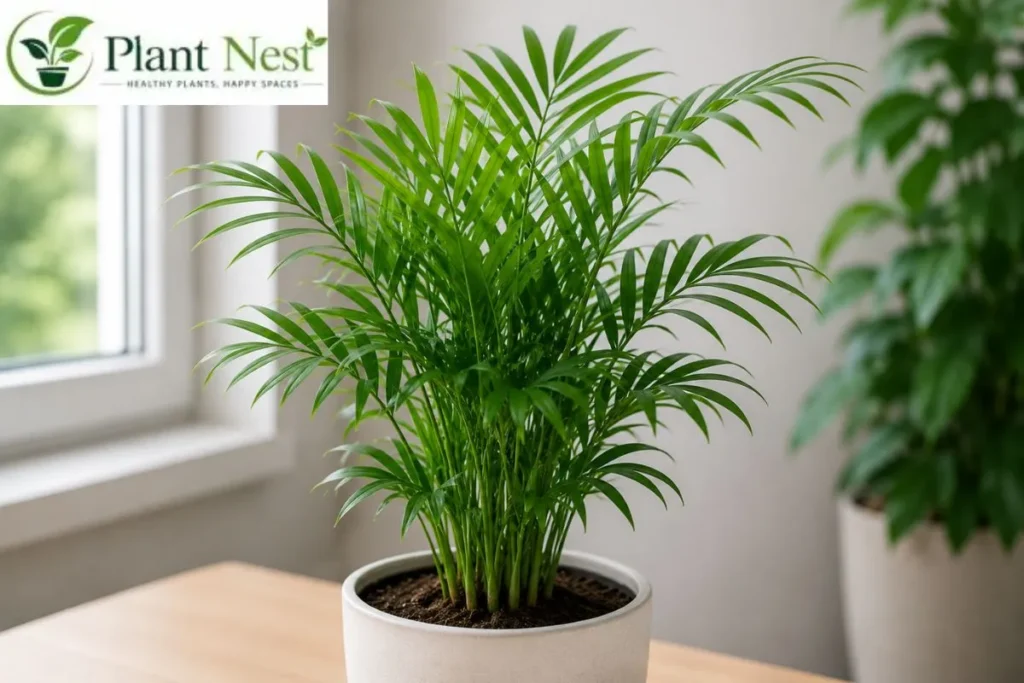
Parlour Palm (Chamaedorea elegans)
The Parlour Palm brings a relaxed tropical feel to indoor spaces without requiring intensive care.
Its delicate fronds tolerate low-light conditions remarkably well, making it an excellent choice for bedrooms, offices and smaller living areas. Keep the soil lightly moist and avoid prolonged dryness for the healthiest growth.
Heartleaf Philodendron
With its glossy, heart-shaped leaves and elegant trailing stems, the Heartleaf Philodendron is ideal for adding greenery to shelves and hanging baskets.
It grows steadily in indirect light and only requires occasional watering. Pinching back the stems encourages a fuller, more compact appearance over time.
Dracaena
Dracaena varieties are valued for their upright growth and elegant foliage, adding height and structure to indoor displays.
These low-maintenance plants tolerate low light well and prefer the compost to dry slightly between waterings. Their slow, controlled growth makes them particularly suitable for offices and living rooms.
Lucky Bamboo
Despite its common name, Lucky Bamboo isn’t a true bamboo. Even so, it’s one of the easiest ornamental plants to grow indoors.
It adapts well to low-light environments and can be grown either in water or a well-drained potting mix. Its compact size makes it an attractive addition to desks, shelves and coffee tables.
Aglaonema
Aglaonema deserves a place on its own thanks to the wide variety of colourful cultivars available.
Its vibrant foliage adds brightness to shaded interiors while remaining remarkably easy to care for. Water moderately and avoid leaving the roots sitting in soggy soil. It performs especially well in bedrooms and office spaces with limited daylight.
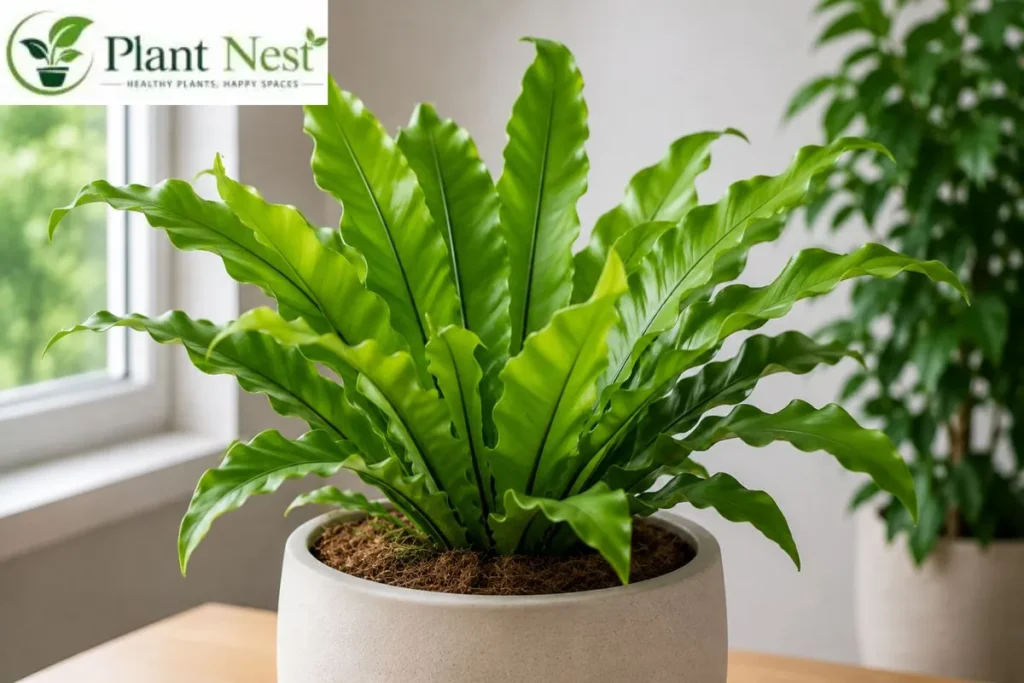
Bird’s Nest Fern
If you enjoy bold tropical foliage, the Bird’s Nest Fern is an excellent choice. Its broad, wavy fronds create a lush, architectural look.
Unlike many low-light houseplants, it prefers consistently moist soil and higher humidity, making bathrooms an ideal location. Avoid watering directly into the centre of the rosette to reduce the risk of rot.
English Ivy
English Ivy creates an elegant cascading display from hanging baskets, wall planters and elevated shelves.
It adapts well to lower light levels, although it appreciates bright, indirect light whenever possible. Keep the compost lightly moist and prune regularly to encourage dense, healthy growth.
Dieffenbachia
Dieffenbachia is grown for its large, beautifully patterned leaves that instantly brighten indoor spaces.
It prefers indirect light, moderate watering and average household humidity. As the sap can irritate the skin and the plant is toxic if consumed, position it safely away from children and pets. Wiping the leaves occasionally will help maintain their natural shine.
Prayer Plant (Maranta)
The Prayer Plant is admired for its striking patterned foliage and its unusual habit of folding its leaves upwards in the evening.
It grows best in indirect light with evenly moist soil and moderate humidity. Although it needs slightly more attention than some of the other plants on this list, its colourful leaves make it a rewarding choice for bedrooms, living rooms and home offices.
The 17 best plants for low light indoors prove that limited sunlight doesn’t have to limit your choices. From resilient favourites like the Snake Plant and ZZ Plant to tropical beauties such as the Peace Lily and Bird’s Nest Fern, there’s an option for every home and every level of experience. By choosing plants that naturally thrive in lower light, you can enjoy healthy, attractive greenery with minimal effort while creating a fresher and more welcoming indoor space.
Best Plants for Different Rooms in Your Home
Choosing the right houseplant isn’t just about light levels. Every room has its own environment, from humid bathrooms to dry home offices and peaceful bedrooms. Matching plants to the conditions in each space makes them easier to care for and helps them stay healthy for years.
The 17 best plants for low light indoors include options for almost every part of the home. Whether you’re looking to brighten a cosy bedroom, add life to your workspace or maximise a small flat, selecting the right plant for the right location will give you the best results.
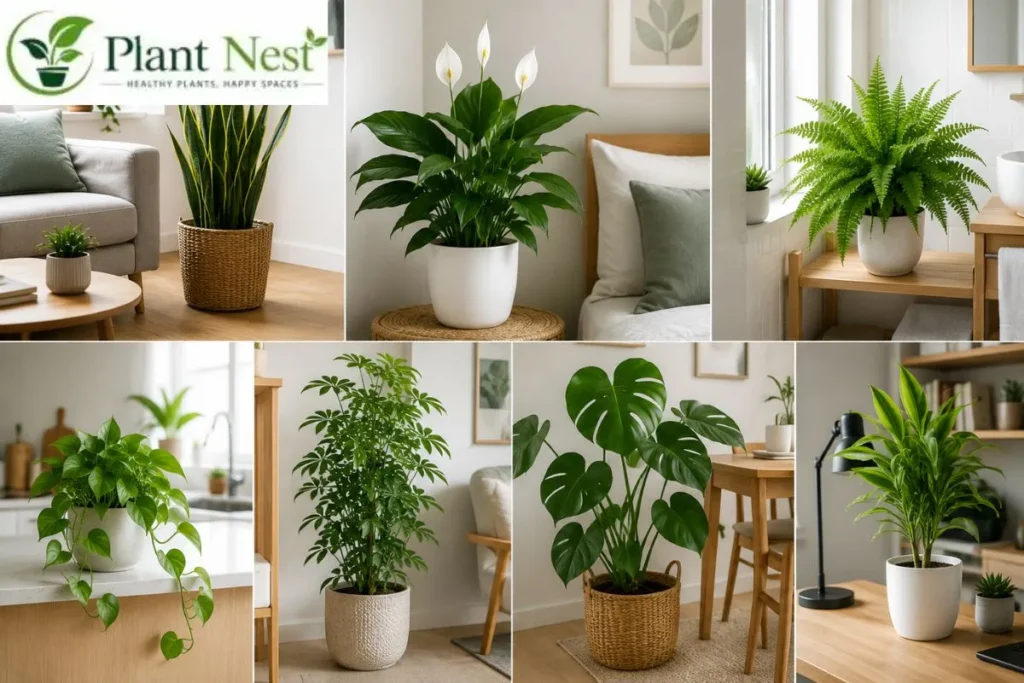
Best House Plants for Low Light Bedrooms
A bedroom should feel calm, comfortable and relaxing, making it an ideal place for low-light houseplants. The Snake Plant, Peace Lily, Heartleaf Philodendron and Parlour Palm are all excellent choices for spaces with filtered daylight or indirect light.
These plants provide attractive foliage without demanding constant attention. Their easy-care nature makes them perfect if you want to create a peaceful retreat with minimal maintenance.
Best Plant Indoor Low Light for Home Offices
Home offices often receive limited natural light, but that doesn’t mean they have to feel dull. The ZZ Plant, Chinese Evergreen, Dracaena and Lucky Bamboo all thrive in lower-light conditions and fit neatly on desks, shelves or in unused corners.
These reliable plants require very little care, allowing you to enjoy a greener, more inviting workspace without interrupting your daily routine.
Best Low Light Plants for Indoors in Apartments
Limited floor space doesn’t mean you have to compromise on greenery. Many apartment-friendly plants are compact, versatile and well suited to lower light levels.
Pothos, Spider Plant, Parlour Palm and Heartleaf Philodendron are ideal choices for smaller homes. Display them in hanging baskets, on floating shelves or on stylish plant stands to add natural charm while keeping valuable floor space free.
Best Plants for Low Light in Small Spaces
Even the smallest rooms can benefit from indoor plants when you choose compact varieties. Lucky Bamboo, Chinese Evergreen, Spider Plant and smaller Snake Plant cultivars are all excellent options for shelves, side tables and narrow windowsills.
Their manageable size allows you to introduce greenery without making the room feel cluttered. Mixing upright plants with trailing varieties also helps create visual interest while making the most of limited space.
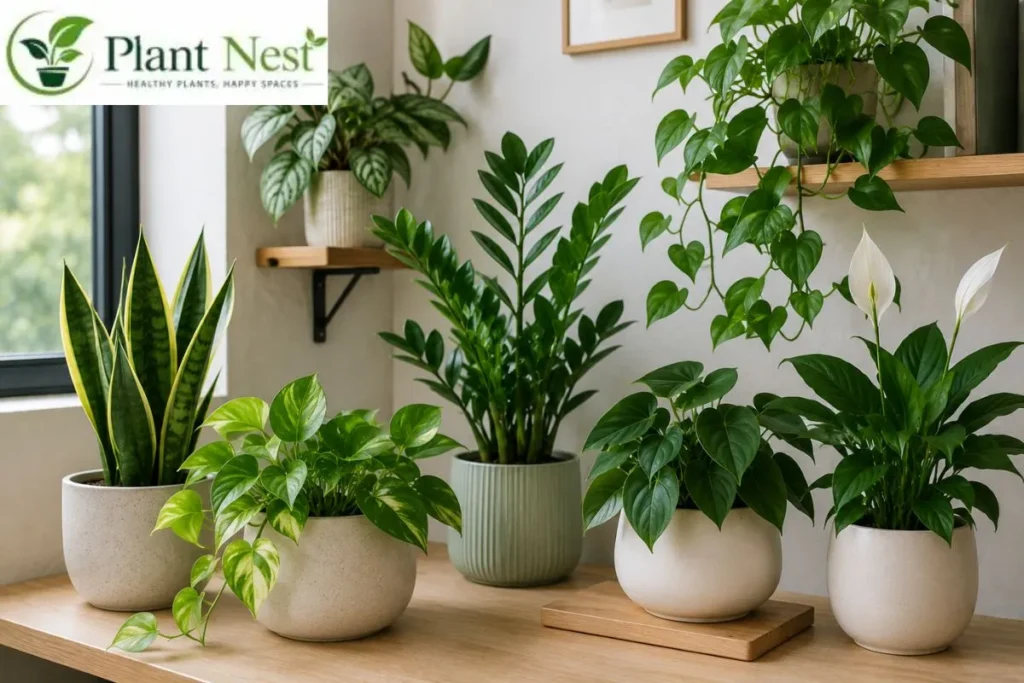
Best House Plants for Low Light Bathrooms
Bathrooms often provide the higher humidity that many tropical plants enjoy. Bird’s Nest Fern, Peace Lily and Parlour Palm all grow well in these conditions, provided the room receives some indirect natural light.
These plants add a fresh, spa-like atmosphere while benefiting from the extra moisture in the air. If your bathroom has very little daylight, place them near the brightest available spot or rotate them into a brighter room every few weeks to maintain healthy growth.
Choosing the right plant for each room is one of the easiest ways to enjoy long-lasting success with indoor gardening. The 17 best plants for low light indoors include versatile options for bedrooms, bathrooms, offices, apartments and compact living spaces. By matching each plant to the conditions it naturally prefers, you’ll enjoy healthier growth, easier maintenance and a greener, more welcoming home.
Frequently Asked Questions
What are the best plants for low light indoors?
The 17 best plants for low light indoors include reliable favourites such as the Snake Plant, ZZ Plant, Pothos, Peace Lily, Chinese Evergreen, Cast Iron Plant and Parlour Palm. These houseplants adapt well to rooms with limited natural light and require very little maintenance, making them suitable for both beginners and experienced plant owners.
Which indoor plants survive in dark rooms?
No houseplant can survive indefinitely in complete darkness, but several species cope exceptionally well with very low light. The Snake Plant, ZZ Plant, Cast Iron Plant and Chinese Evergreen are among the most dependable choices for darker rooms. If a space receives almost no natural daylight, an LED grow light can provide the light needed to support healthy growth.
Can indoor plants live without sunlight?
Plants cannot survive without light because they rely on it for photosynthesis. However, many low-light varieties don’t need direct sunshine. Bright, indirect light or filtered daylight is usually enough to keep them healthy. For windowless rooms, a quality grow light is an effective alternative.
Which low-light plant is the easiest to care for?
The Snake Plant is widely regarded as one of the easiest indoor plants to maintain. It tolerates occasional missed watering, adapts well to indirect light and rarely develops problems when grown in well-draining soil. The ZZ Plant and Pothos are also excellent low-maintenance options for busy households.
Which indoor plant needs the least sunlight?
Among the 17 best plants for low light indoors, the ZZ Plant, Snake Plant, Cast Iron Plant and Chinese Evergreen are some of the most tolerant of low-light conditions. While every plant needs some light to survive, these varieties perform particularly well in shaded indoor spaces.
Which indoor plant grows fastest in low light?
Pothos is one of the fastest-growing houseplants for low-light environments. Although it grows more vigorously in bright, indirect light, it still produces long trailing vines in shaded rooms with regular watering and occasional feeding. Heartleaf Philodendron is another fast-growing choice that adapts well to lower light levels.
What are the best plants for apartments with low light?
If your flat receives limited natural light, choose plants that are compact, resilient and easy to maintain. Snake Plant, ZZ Plant, Spider Plant, Pothos and Parlour Palm are all excellent options. They thrive in smaller spaces and don’t require intensive care, making them ideal for apartment living.
Which plants need little water and little sunlight?
If you’re looking for houseplants that can cope with occasional neglect, consider the Snake Plant, ZZ Plant, Cast Iron Plant or Dracaena. These hardy varieties tolerate low light, need infrequent watering and are well suited to busy households or frequent travellers.
Are low-light plants suitable for offices?
Yes, many low-light houseplants thrive in office environments where natural daylight is limited. The ZZ Plant, Snake Plant, Lucky Bamboo and Chinese Evergreen are excellent choices for desks, reception areas and meeting rooms. As well as adding greenery, they help create a more pleasant and welcoming workspace.
Which pet-friendly plants grow well in low light?
Several low-light houseplants are considered safer for homes with pets. Spider Plant, Parlour Palm and Prayer Plant are among the most popular pet-friendly choices. Even so, it’s always wise to check a plant’s safety before bringing it home, particularly if your cat or dog is prone to chewing leaves.
Conclusion
Choosing the right indoor plant is easier than you might think, even if your home receives very little natural light. As this guide has shown, there are plenty of attractive, low-maintenance options that thrive in shaded spaces. Whether you’re searching for the 17 best plants for low light indoors to brighten a bedroom, home office or small flat, selecting a plant that suits your space and routine is the key to long-term success.
If you’re new to indoor gardening, start with one or two reliable varieties and get familiar with their simple care requirements. As your confidence grows, you can gradually introduce more plants to different areas of your home. Building your collection over time makes it easier to care for each plant while creating a healthier, more vibrant indoor environment.
Low-light houseplants offer far more than easy maintenance. They bring natural beauty, texture and a calming atmosphere to your living space, making even the darkest corners feel fresher and more welcoming.
Take time to compare your options and choose the variety that best matches your home’s lighting conditions, available space and personal style. With consistent but minimal care, the 17 best plants for low light indoors can reward you with healthy growth and year-round greenery, even where sunlight is limited.
Start with the plant that fits your needs today and enjoy the lasting satisfaction of creating a beautiful indoor garden that continues to thrive for years to come.

Plant Nest Blog’s author is passionate about plants, gardening, and sustainable living. Through research and practical experience, they share helpful plant care tips, gardening guides, and easy solutions to help readers grow healthier plants and create greener spaces.