
Many people assume that a few houseplants can completely clean the air in their home, but that’s a common misconception. While the 17best air purifier plants can help create a fresher and more pleasant indoor environment, they’re not a substitute for good ventilation or a high-quality air purifier. What they do offer is improved comfort, natural beauty, increased humidity in some cases, and a greener living space that supports better indoor air quality over time.
If you want an easy, natural way to make your home feel healthier and more inviting, indoor plants are well worth considering. In this guide, you’ll discover the 17best air purifier plants for every type of home and lifestyle. Whether you’re furnishing a compact flat, decorating a family home, or adding greenery to your office, you’ll find attractive, easy-care options that suit both beginners and experienced plant lovers.
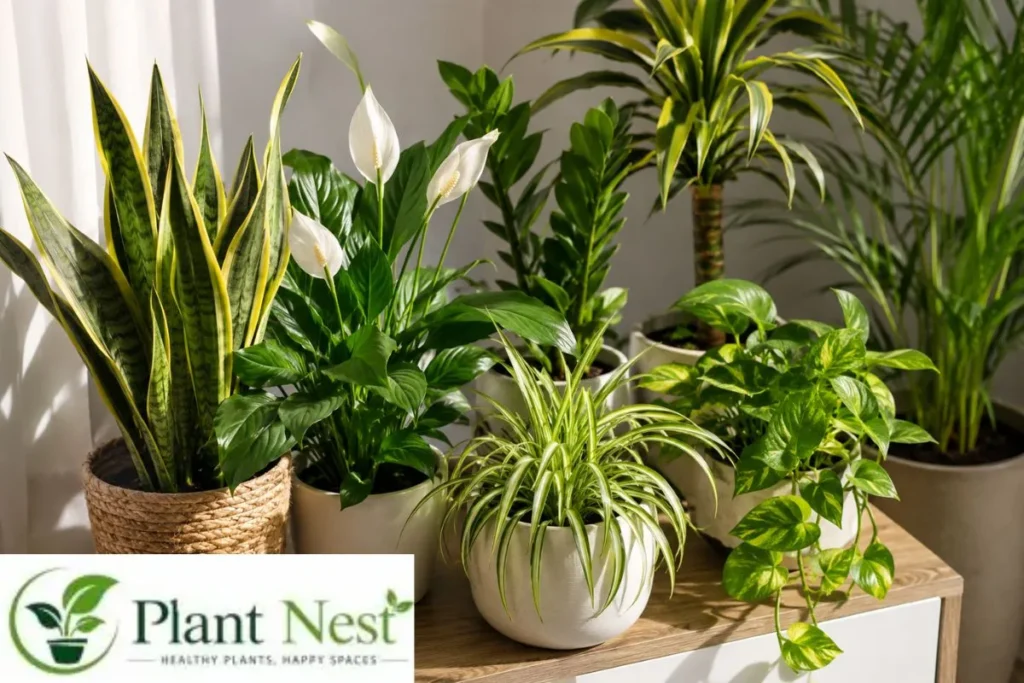
Many air-purifying houseplants do more than brighten a room. They create a calming atmosphere, soften interior spaces, and bring a touch of nature indoors, making them ideal for areas where you spend most of your day, whether working, relaxing, or sleeping. Even if you’ve never cared for a houseplant before, plenty of low-maintenance varieties thrive with minimal attention.
By the end of this guide, you’ll understand how indoor plants contribute to a healthier living environment, which varieties are best suited to different rooms, and the simple care they need to flourish. You’ll also learn how to avoid common mistakes and choose the right plants for your home, bedroom, office, or flat, helping you create a greener, more relaxing space with confidence.
What Are Air Purifier Plants and How Do They Work?
What Are the 17 Best Air Purifier Plants?
The 17 best air purifier plants are popular indoor species that can help create a fresher, more comfortable living environment. Through photosynthesis, they absorb carbon dioxide and release oxygen, making indoor spaces feel healthier and more inviting.
Although they can’t replace a mechanical air purifier, they offer a range of natural benefits that make them a valuable addition to any home or workplace.
One of the biggest reasons people choose indoor plants is that they combine style with practicality. They add colour, texture, and life to a room while contributing to a more relaxing atmosphere.
Rather than relying solely on electrical appliances, many homeowners use houseplants to bring a touch of nature indoors.
How Plants Support Indoor Air Quality Naturally
Plants improve indoor environments through several natural processes. During daylight hours, they use sunlight to convert carbon dioxide into energy and release oxygen as a by-product. This is one of the reasons oxygen-producing houseplants remain a favourite choice for bedrooms, living rooms, and home offices.
Their benefits don’t stop there. The leaves of many indoor plants can collect small amounts of dust and airborne particles, helping to keep surfaces cleaner. At the same time, the roots and beneficial microorganisms in the potting soil help break down certain organic compounds over time.
While these effects are relatively modest, they can contribute to a more pleasant indoor environment when combined with good ventilation and regular cleaning.
The Role of Leaves, Roots and Soil
Every part of a plant plays an important role in keeping it healthy and supporting its natural functions.
The leaves exchange gases with the surrounding air through tiny openings called stomata. They absorb carbon dioxide, release oxygen, and can trap small amounts of dust. Wiping the leaves occasionally helps them function efficiently while keeping plants looking their best.
Healthy roots absorb water and nutrients, providing the foundation for strong growth. Without a healthy root system, plants cannot perform these natural processes effectively.
The soil is equally important. Beyond supporting the plant, it contains beneficial microorganisms that help break down organic matter and encourage healthy root development. Together, the plant and its growing medium create a small but effective natural ecosystem.
Air Purifier Plants vs Electronic Air Purifiers
One of the most common misconceptions is that indoor plants clean the air as effectively as electronic air purifiers.
In reality, they serve different purposes.
Air purifiers use powerful fans and advanced filtration systems, such as HEPA filters, to remove dust, pollen, smoke, pet dander, and other airborne particles quickly and efficiently.
Indoor plants work much more gradually. Their greatest strengths lie in creating a calming atmosphere, enhancing your home’s appearance, adding natural greenery, and providing modest support for indoor air quality.
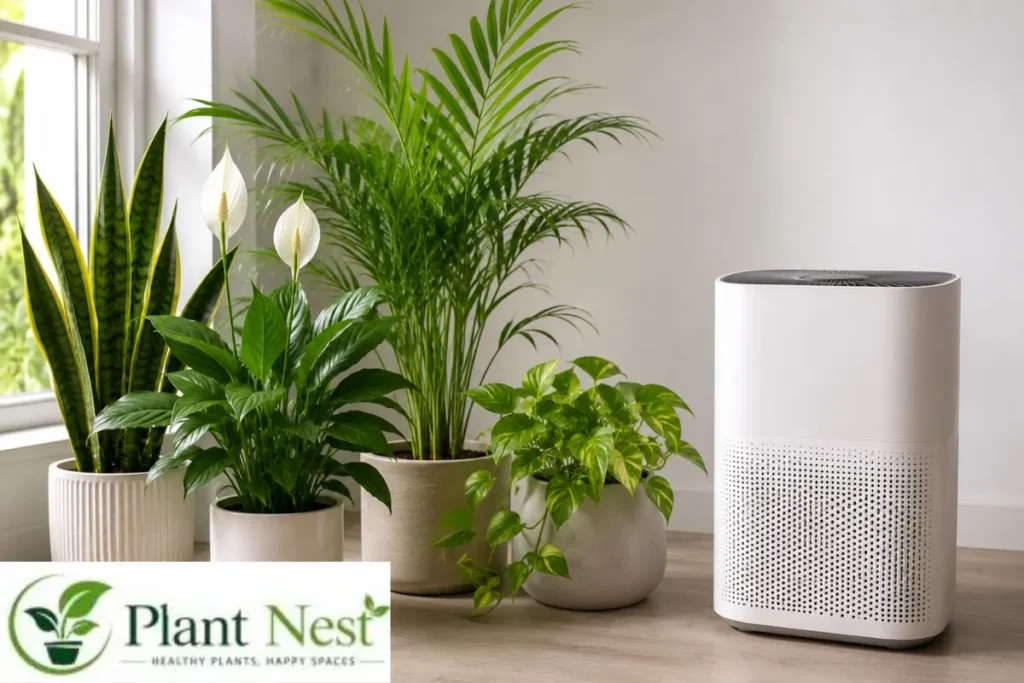
Rather than choosing one over the other, many homeowners use both. An air purifier tackles airborne pollutants, while houseplants make the space feel warmer, fresher, and more inviting.
Common Indoor Pollutants Found at Home
Many people assume outdoor air is always more polluted than indoor air, but that’s not always the case. Poor ventilation can allow pollutants to build up inside your home over time.
Common indoor contaminants include dust, pet dander, cooking fumes, candle smoke, mould spores, pollen carried in from outside, and volatile organic compounds (VOCs) released by paints, furniture, carpets, cleaning products, and air fresheners.
Although indoor plants cannot eliminate these pollutants on their own, they can play a supporting role in a healthier home. Combined with regular cleaning, good airflow, and an effective air purifier, they help create a cleaner and more comfortable living environment.
Why Indoor Air Purifier Plants Are So Popular
Indoor plants have become a staple of modern home design for good reason. They instantly make a room feel more welcoming while adding colour, texture, and natural character.
Whether displayed in a bedroom, lounge, kitchen, or home office, greenery creates a calm and relaxing atmosphere. With so many varieties available, it’s easy to find plants that suit compact flats, spacious homes, or busy lifestyles. Even first-time plant owners can choose hardy, low-maintenance species that thrive with minimal care.
Should You Add Air Purifier Plants to Your Home?
If you’re looking to create a healthier, more attractive living space, indoor plants are a worthwhile investment.
The 17 best air purifier plants won’t remove every airborne pollutant, but they offer far more than decorative appeal. They bring nature indoors, enhance your décor, encourage a sense of wellbeing, and help make your home feel fresher and more inviting.
Whether you’re refreshing a bedroom, upgrading a home office, or simply adding more greenery to your living space, the right selection of indoor plants is an easy way to create a calmer and more enjoyable home environment.
Why More People Are Choosing the 17 Best Air Purifier Plants
Benefits of Growing the 17 Best Air Purifier Plants at Home
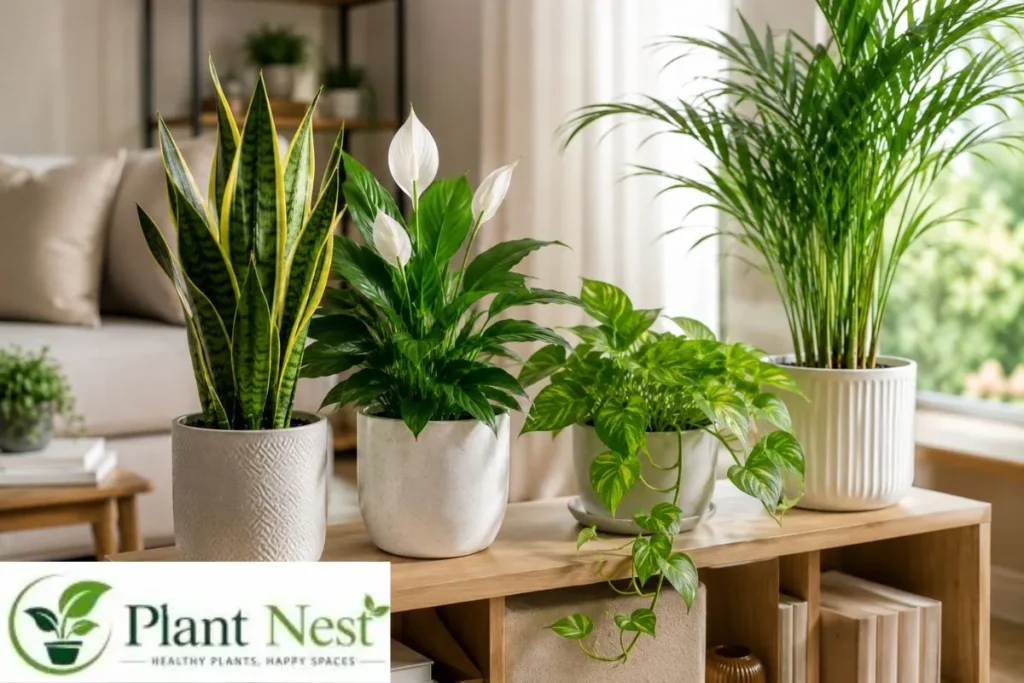
Many people assume the only reason to buy indoor plants is to improve air quality, but that’s only part of the story. The 17 best air purifier plants offer far more than that. They add colour, texture, and life to your home while creating a calmer, more welcoming atmosphere. Although their impact on air quality is modest, their ability to transform a living space is what makes them such a popular choice.
Whether you’re furnishing a new home or refreshing an existing one, indoor plants bring lasting value. They blend effortlessly with almost any décor, require very little space, and offer a simple way to make your surroundings feel brighter, greener, and more inviting.
Support Better Indoor Air Quality
One of the main reasons people choose air-purifying houseplants is their ability to contribute to a fresher indoor environment. During photosynthesis, plants absorb carbon dioxide and release oxygen, helping maintain a balanced atmosphere indoors.
While they can’t match the performance of an electronic air purifier, they complement other healthy habits such as regular ventilation and routine cleaning. If you spend long hours indoors, adding a few carefully selected plants can make your home or office feel fresher and more comfortable.
Enhance the Look of Every Room
Few decorative features make as much impact as healthy indoor plants. They instantly add natural colour, texture, and character, turning empty corners into attractive focal points.
Whether your style is modern, minimalist, rustic, or traditional, there’s a plant to suit every interior. Larger varieties create statement displays, while compact plants are perfect for desks, shelves, and windowsills.
Beyond their visual appeal, they soften a room and create a warm, lived-in feel that artificial décor rarely achieves.
Create a Calmer Living Space
Your home should be somewhere you can switch off and recharge. Indoor plants help create that sense of calm by bringing a little of the outdoors inside.
Research suggests that spending time around greenery may promote relaxation and reduce everyday stress. That’s why many people place plants in bedrooms, reading nooks, and home offices. A few well-positioned plants can make these spaces feel more peaceful without adding extra work to your daily routine.
Help Maintain Comfortable Humidity
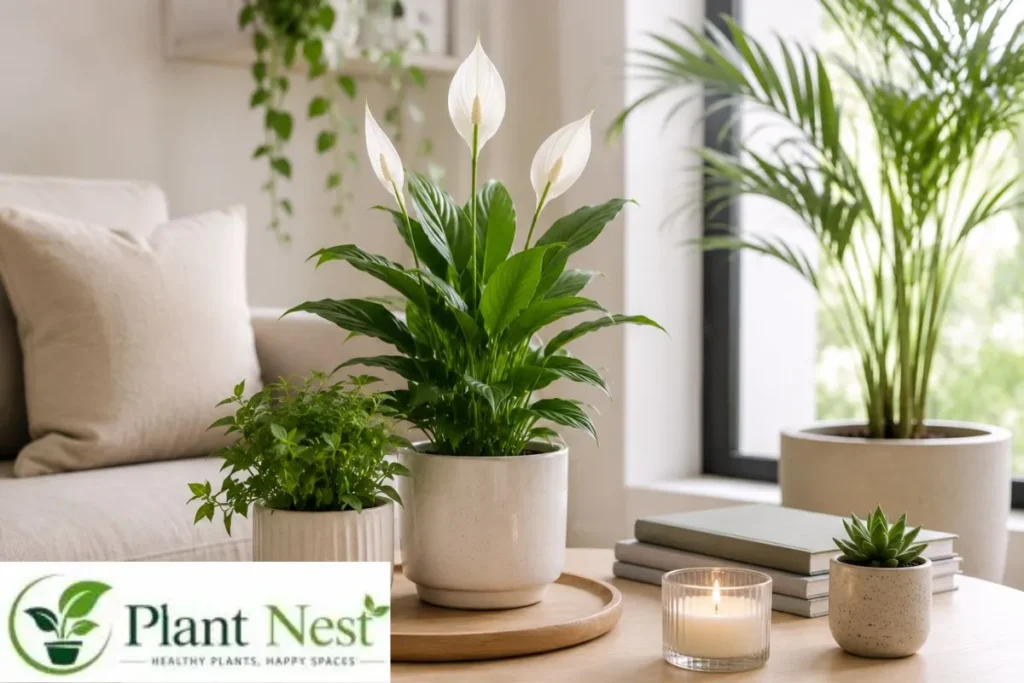
Dry indoor air is a common problem during winter or in homes that rely heavily on heating and air conditioning. As plants release moisture through a natural process called transpiration, they can contribute to slightly higher humidity levels.
Although the effect is subtle, several healthy plants grouped together may help reduce that dry feeling, making indoor spaces feel more comfortable throughout the year.
Bring Nature Indoors
Not everyone has access to a garden, but indoor plants make it easy to enjoy greenery wherever you live. Whether you’re in a city flat, a townhouse, or a family home, they offer a simple way to reconnect with nature.
Even a handful of plants placed on a windowsill, bookshelf, or coffee table can completely change the atmosphere of a room. Many people also find that caring for plants becomes a relaxing hobby, adding another rewarding aspect to indoor gardening.
Perfect for Busy Lifestyles
A common myth is that houseplants demand constant attention. In reality, many popular varieties are remarkably easy to care for.
If you’re just getting started, you’ll find plenty of beginner-friendly plants that thrive with occasional watering and indirect light. Varieties such as Snake Plant, ZZ Plant, Spider Plant, and Pothos are well known for their resilience, making them ideal for busy professionals, students, and frequent travellers.
An Affordable Way to Refresh Your Home
Updating your home doesn’t have to involve expensive furniture or major renovations. Sometimes, adding a few healthy plants creates a bigger impact than replacing decorative accessories.
Many indoor plants are inexpensive to buy, easy to maintain, and continue growing for years with minimal care. Instead of changing your décor every season, you can enjoy living plants that mature alongside your home while offering long-term value.
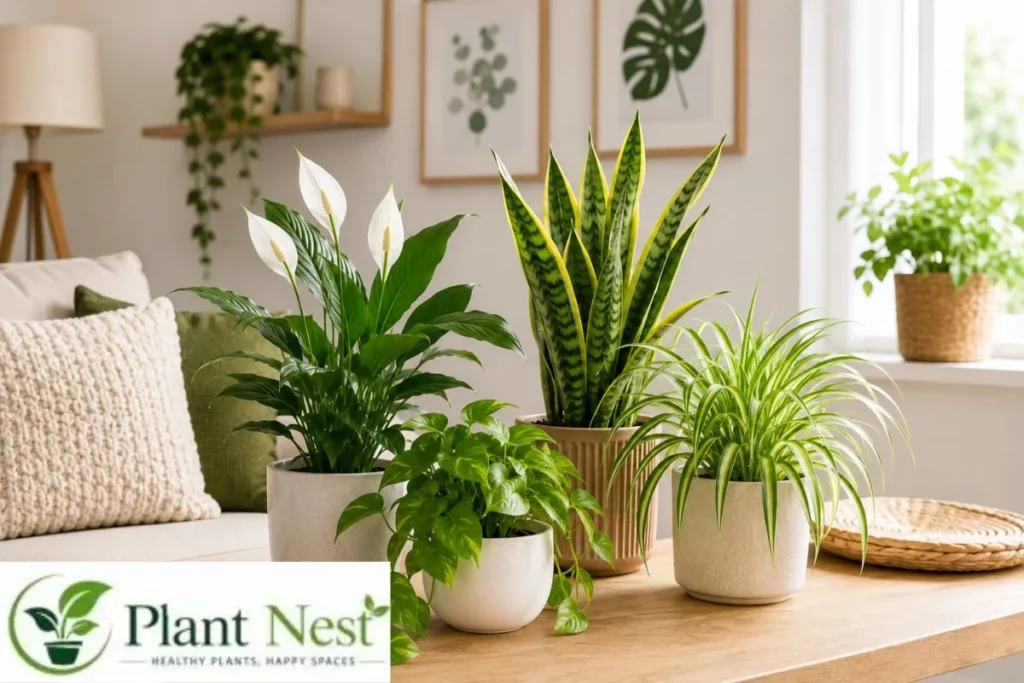
Encourage a Healthier Lifestyle
Keeping indoor plants often inspires healthier daily habits. Many plant owners become more conscious of opening windows for fresh air, keeping their homes clean, and taking time to care for their indoor garden.
Watching new leaves appear and seeing plants thrive under your care is genuinely rewarding. Over time, your home feels more vibrant, peaceful, and closely connected to nature, making everyday living that little bit more enjoyable.
Why the 17 Best Air Purifier Plants Are Worth Adding to Your Home
The growing popularity of the 17 best air purifier plants isn’t simply about cleaner air. These versatile houseplants enhance your home’s appearance, create a more relaxing atmosphere, introduce natural greenery, and encourage a healthier lifestyle.
Whether you’re searching for easy-care indoor plants, stylish home décor, or practical ways to make your living space feel fresher, adding a few carefully chosen varieties is a simple investment that delivers lasting benefits.
17 Best Air Purifier Plants for Every Home
17 Best Air Purifier Plants You Can Grow Indoors
Many people assume only rare or expensive plants are worth growing indoors, but that’s far from the truth. The 17 best air purifier plants are widely available, affordable, and easy to care for, making them suitable for beginners and experienced plant lovers alike. You don’t need a large budget or advanced gardening skills to enjoy the benefits of indoor greenery.
The secret is choosing plants that suit your home’s lighting, available space, and the amount of care you can realistically provide. Below are 17 popular houseplants that combine attractive foliage with easy maintenance, helping you create a greener and more welcoming indoor environment.
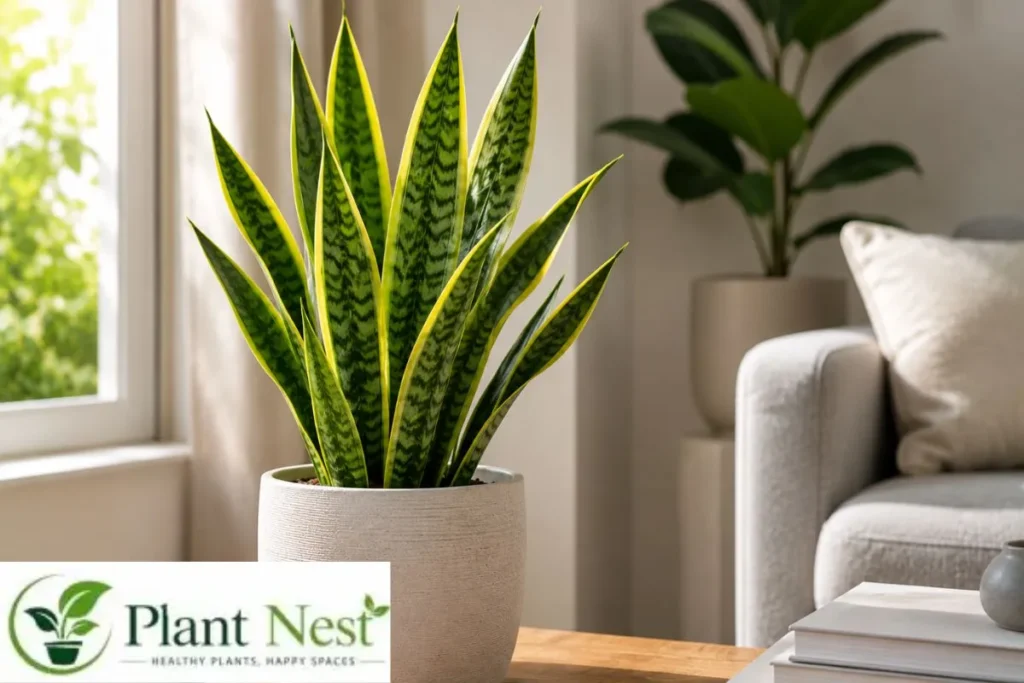
Snake Plant (Sansevieria)
The Snake Plant is one of the most reliable houseplants you can own. Its tall, upright leaves bring a sleek, modern look to any room while requiring very little attention.
It thrives in low to bright indirect light and only needs watering when the compost has dried out completely. This makes it an excellent choice for beginners, busy households, and anyone who occasionally forgets to water their plants.
Ideal for bedrooms, living rooms, offices, and hallways, the Snake Plant is exceptionally hardy. However, it should be kept out of reach of pets, as it can be mildly toxic if chewed.
Spider Plant (Chlorophytum comosum)
Spider Plants are among the easiest indoor plants to grow. Their graceful, arching leaves add colour and movement to shelves, hanging baskets, and windowsills.
They prefer bright, indirect light but adapt well to moderate conditions. Water when the top layer of soil feels dry to the touch.
One of their biggest attractions is the production of small plantlets, making propagation simple. They’re also considered one of the safest options for households with cats and dogs.
Peace Lily (Spathiphyllum)
With elegant white flowers and glossy green foliage, the Peace Lily adds a touch of sophistication to any interior.
It grows best in medium to low indirect light and likes consistently moist soil without becoming waterlogged. As an added bonus, it naturally releases moisture into the surrounding air, helping create a more comfortable indoor environment.
Peace Lilies are well suited to bedrooms, lounges, and home offices. However, they are toxic to pets and should be positioned safely.
Aloe Vera
Aloe Vera is best known for the soothing gel inside its leaves, but it’s also an attractive and easy-care houseplant.
Its thick, fleshy leaves store water, allowing it to tolerate dry conditions with ease. Place it in bright sunlight and only water once the soil has dried completely.
It’s an excellent choice for kitchens, sunny windowsills, and home offices. Keep it away from pets, as it may cause digestive irritation if ingested.
Pothos (Devil’s Ivy)
Pothos is loved for its trailing vines and heart-shaped leaves, making it a favourite for shelves, hanging baskets, and cupboards.
It adapts to almost any indoor lighting, from low light to bright indirect sun, and only needs watering when the soil begins to dry.
Its forgiving nature makes it perfect for beginners, although it isn’t considered safe for pets.
Bamboo Palm
If you’re after a tropical feel, the Bamboo Palm is an excellent choice.
Its feathery fronds add height, texture, and softness to living rooms, entrance halls, and larger offices. It grows best in bright, filtered light with consistently moist soil.
Another advantage is that it’s generally regarded as safe for cats and dogs.
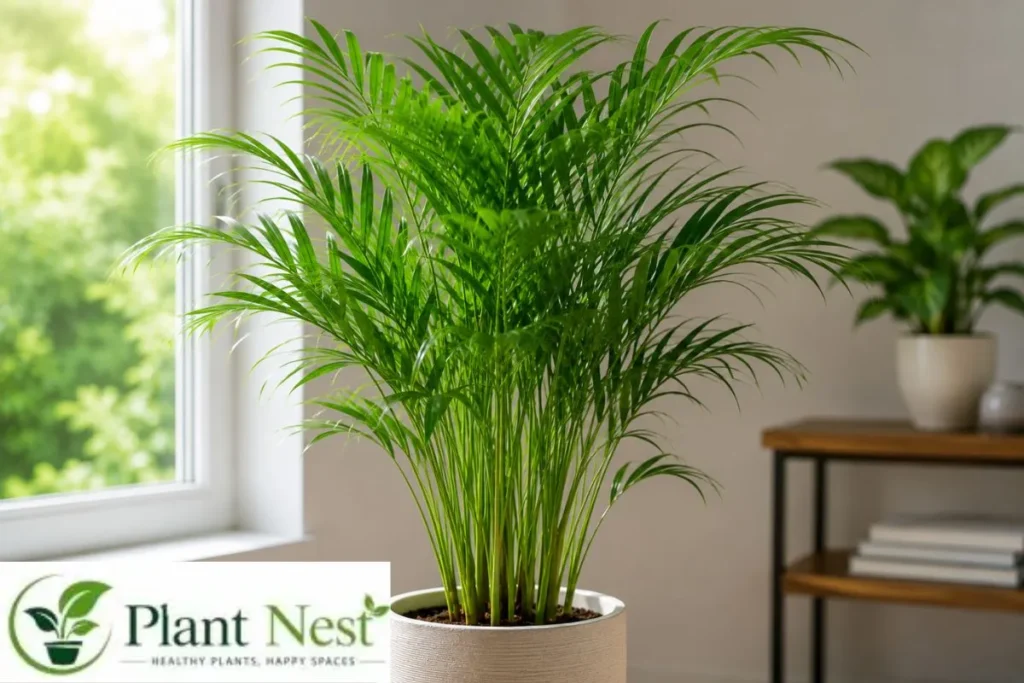
Areca Palm
The Areca Palm is a graceful plant that instantly brightens indoor spaces with its elegant arching fronds.
It prefers bright, indirect light and regular watering, allowing the top layer of soil to dry slightly between watering sessions.
Perfect for larger rooms and home offices, it’s also one of the more pet-friendly indoor palms.
Rubber Plant (Ficus elastica)
The Rubber Plant makes a bold statement with its large, glossy leaves and upright growth.
It thrives in bright, indirect light and only needs watering once the top few centimetres of soil have dried out.
Its striking appearance makes it ideal for spacious living areas or offices. Bear in mind that its sap may be harmful if consumed by pets.
Boston Fern
Boston Fern is admired for its lush, arching fronds that soften any room with vibrant greenery.
It performs best in indirect light, consistently moist soil, and humid conditions, making bathrooms and kitchens particularly suitable locations.
Regular misting helps keep the foliage healthy, and it’s generally considered safe for household pets.
English Ivy
English Ivy is a versatile trailing plant that’s perfect for hanging baskets, shelves, and decorative planters.
It prefers bright, indirect light and evenly moist soil. Occasional trimming encourages fuller, healthier growth.
Although attractive, English Ivy is toxic to cats and dogs, so careful placement is essential.
Chinese Evergreen
Chinese Evergreen is valued for its colourful patterned foliage and ability to thrive in lower light conditions.
It requires very little maintenance, needing water only after the upper layer of soil has dried.
Its adaptability makes it an excellent option for offices, bedrooms, and flats with limited natural light. Like several tropical houseplants, it should be kept away from pets.
Dracaena
Dracaena is available in several attractive varieties, offering colourful foliage and an architectural appearance.
It grows well in bright or moderate indirect light and prefers moderate watering without leaving the soil overly wet.
This elegant plant suits living rooms, hallways, and offices, but it isn’t pet-friendly.
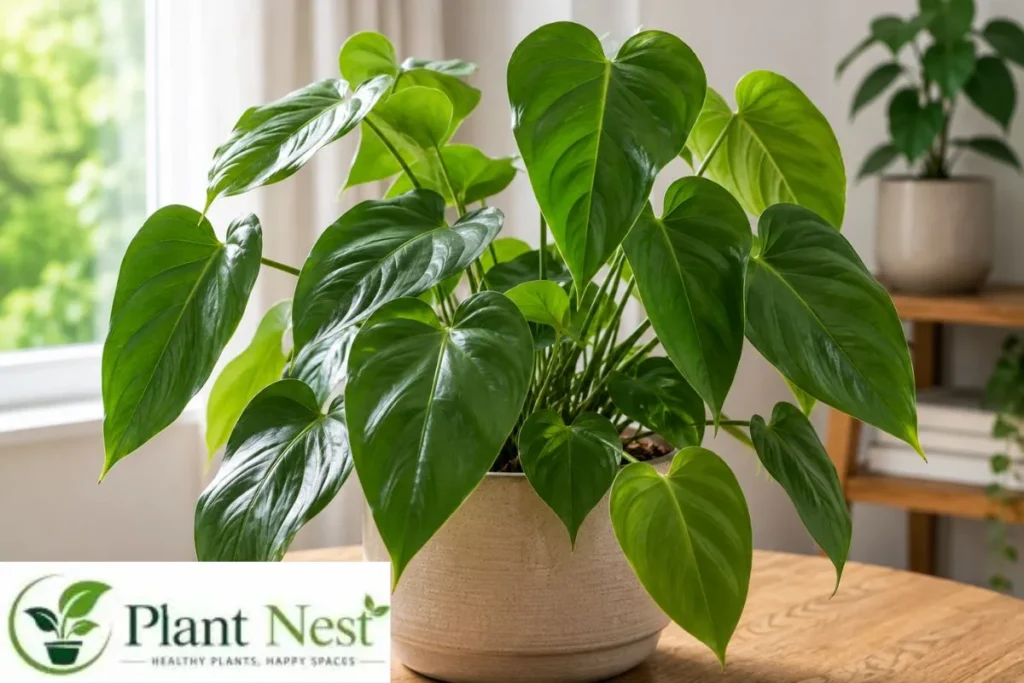
Philodendron
Philodendrons are popular for their lush, heart-shaped leaves and easy-going nature.
Whether climbing or trailing, they adapt well to indoor environments with bright, indirect light and occasional watering once the soil begins to dry.
They’re ideal for shelves, hanging planters, and plant stands but should be kept out of reach of pets.
ZZ Plant
The ZZ Plant has earned a reputation as one of the toughest indoor plants available.
It tolerates low light, irregular watering, and busy lifestyles without losing its glossy green appearance.
Ideal for offices, bedrooms, and apartments, it’s an excellent low-maintenance choice. However, it contains compounds that can irritate pets if chewed.
Weeping Fig (Ficus benjamina)
The Weeping Fig is a classic indoor tree that adds height and elegance to larger living spaces.
It prefers bright, filtered light and evenly moist soil. Once established, it becomes a long-lasting feature in your home.
Although beautiful, it isn’t considered safe for pets.
Parlour Palm
The Parlour Palm has been a favourite houseplant for generations thanks to its graceful appearance and easy-care nature.
It grows well in low to medium indirect light and requires only moderate watering, making it perfect for smaller homes and flats.
Its compact size makes it ideal beside sofas, reading chairs, or office desks, and it’s safe for both cats and dogs.
Bird’s Nest Fern
Bird’s Nest Fern is instantly recognisable by its bright green, wavy leaves that grow from a central rosette.
It prefers medium indirect light, consistently moist compost, and moderate humidity, making it well suited to bathrooms, kitchens, and shaded living rooms.
This tropical-looking plant is also considered pet-friendly, making it a safe choice for animal-loving households.
Choosing the Right Air Purifier Plant for Your Home
The 17 best air purifier plants aren’t necessarily the largest or most expensive varieties. The best choice depends on your available space, natural light, maintenance routine, and whether you have children or pets.
If you’re new to indoor gardening, start with reliable favourites such as the Snake Plant, Spider Plant, Pothos, or ZZ Plant. For larger spaces, palms and Rubber Plants create impressive focal points, while compact species are perfect for flats, bedrooms, and home offices.
By choosing plants that suit your lifestyle, you’ll enjoy attractive greenery that’s easy to care for and enhances the comfort of your home. Whether you’re looking for beginner-friendly houseplants, stylish indoor greenery, or practical ways to freshen up your living space, these 17 varieties offer an excellent place to start.
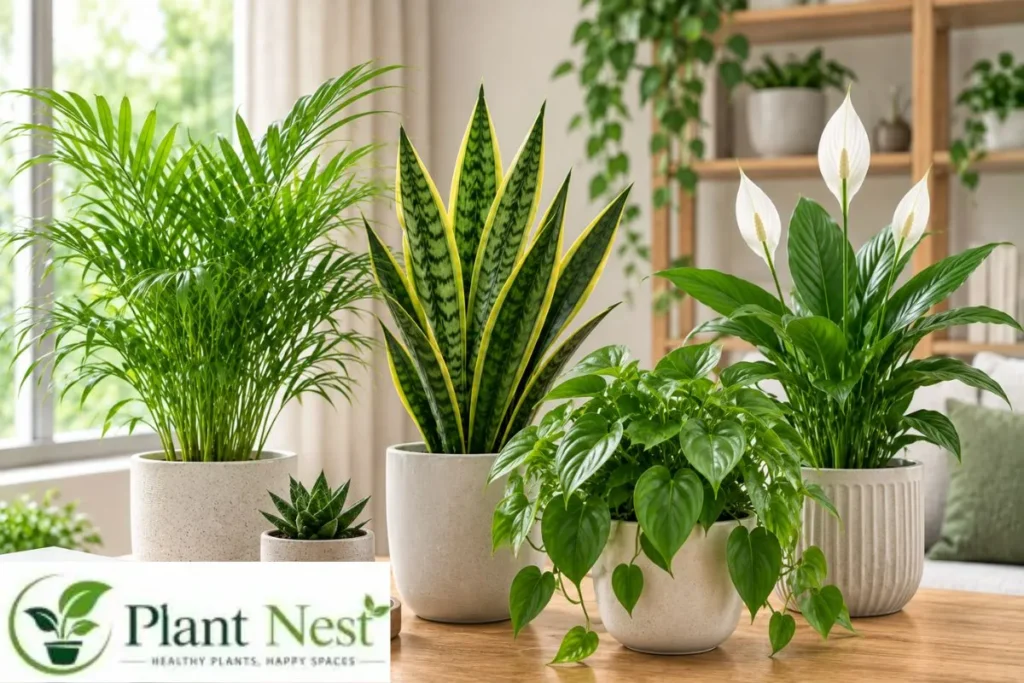
Best Plants for Air Purification in Different Rooms
Many people assume that any houseplant will thrive in any room, but that’s rarely the case. Every space has its own conditions, from natural light and humidity to temperature and available space. Choosing plants that suit those conditions not only helps them grow better but also makes caring for them much easier.
The 17 best air purifier plants perform at their best when matched to the right environment. Whether you’re decorating a spacious living room, a cosy bedroom, a compact flat, or a home office, selecting suitable plants will help you create a healthier, greener, and more inviting home.
Best Plants Air Purification
The right indoor plant should complement both your home and your lifestyle. Before choosing one, consider how much natural light the room receives, how much space is available, and how often you’ll be able to water and maintain it. A well-matched plant is more likely to thrive, rewarding you with healthy growth and lasting beauty.
Best Air Filter Plants
Living rooms are often the brightest and most spacious areas of the home, making them ideal for larger statement plants. Snake Plant, Rubber Plant, Bamboo Palm, Areca Palm, and Weeping Fig all work beautifully in these spaces, adding height, texture, and natural character.
Position them near a bright window with indirect sunlight, rotate the pots every few weeks to encourage even growth, and avoid overwatering. These striking plants not only enhance your décor but also become eye-catching focal points within the room.
Best Air Purifying Plants Indoor
Bedrooms should feel peaceful, uncluttered, and relaxing, so low-maintenance plants are usually the best choice. Spider Plant, Snake Plant, Peace Lily, and Parlour Palm are excellent options that fit comfortably on bedside tables, dressers, or windowsills.
A small collection of healthy plants adds softness and greenery without overwhelming the space. Their attractive foliage blends effortlessly with both contemporary and traditional interiors, helping create a calm and restful atmosphere.
Best Plants for Clean Indoor Air
A comfortable home office can make a real difference to your productivity, and indoor plants are an easy way to make the space feel more welcoming. ZZ Plant, Chinese Evergreen, Dracaena, and Pothos thrive in typical indoor conditions while requiring very little maintenance.
Place them on your desk, a nearby shelf, or in an unused corner where they can enjoy filtered natural light. Their lush green leaves bring warmth and character to your workspace without becoming a distraction.
Best Indoor Plants for Purifying Air
Small homes and flats can benefit just as much from indoor greenery as larger properties. Compact varieties such as Aloe Vera, Spider Plant, Pothos, Snake Plant, and Parlour Palm fit neatly onto shelves, coffee tables, windowsills, and hanging planters.
Making use of vertical space is a practical way to display plants without taking up valuable floor space. Even a handful of carefully placed houseplants can make a compact room feel brighter and more vibrant.
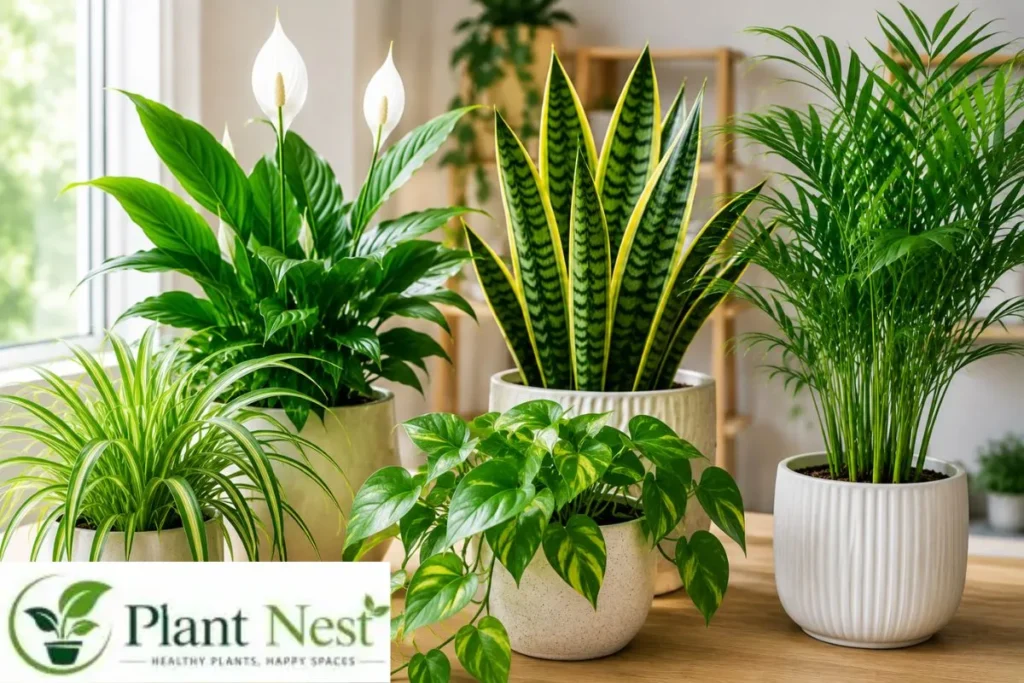
Best Houseplants for Purifying Air
If you’re new to indoor gardening or have a busy schedule, start with plants that are known for their resilience. Snake Plant, ZZ Plant, Spider Plant, and Pothos are all forgiving varieties that cope well with occasional missed watering and varying light levels.
Beginning with easy-care plants allows you to build confidence while learning what works best in your home. As your experience grows, you can gradually expand your indoor plant collection with more varieties.
Best Air Filter Plants
Before bringing a new plant home, take a few moments to assess your environment. Think about the amount of natural light available, the space you have, your watering routine, and whether children or pets share your home.
Choosing plants that suit your lifestyle is far more important than simply following trends. By selecting the right varieties for each room, you’ll enjoy healthier plants, easier maintenance, and a home that feels greener, fresher, and more welcoming all year round.
Frequently Asked Questions (FAQs)
FAQs About the 17 Best Air Purifier Plants
Do air purifier plants really improve indoor air quality?
Yes, the 17 best air purifier plants can help create a fresher indoor environment by absorbing carbon dioxide, releasing oxygen during photosynthesis, and collecting small amounts of dust on their leaves. However, they aren’t a substitute for proper ventilation or a high-quality air purifier.
For the best results, combine indoor plants with regular cleaning, good airflow, and effective air filtration to maintain a healthier living space.
Which plant is best for improving indoor air quality?
There’s no single plant that’s perfect for every home. The best choice depends on factors such as natural light, available space, and how much maintenance you’re happy to provide.
Popular options include Snake Plant, Spider Plant, Peace Lily, Areca Palm, and Pothos. These varieties are attractive, easy to care for, and adapt well to a wide range of indoor environments.
How many air purifier plants should I keep indoors?
There’s no ideal number that suits every home. A small room may only need one or two healthy plants, while larger living areas can comfortably accommodate several.
Rather than filling every available space, focus on choosing plants that fit your home and caring for them properly. A few thriving plants will always have a greater impact than a room full of neglected ones.
Are air purifier plants safe for pets?
Some houseplants are pet-friendly, while others can be harmful if chewed or swallowed.
Spider Plant, Bamboo Palm, Areca Palm, Boston Fern, and Parlour Palm are generally considered safer choices for homes with cats and dogs. In contrast, Peace Lily, Pothos, Snake Plant, Rubber Plant, and Philodendron should be kept well out of reach of pets.
Before bringing any new plant home, it’s always worth checking whether it’s suitable for your household.
Which air purifier plants are the easiest to care for?
If you want low-maintenance houseplants, you’ll find plenty of reliable options. Snake Plant, ZZ Plant, Spider Plant, Pothos, and Aloe Vera are all known for their resilience and ability to cope with occasional missed watering.
These hardy varieties are ideal for beginners, busy households, and anyone looking for attractive indoor plants that don’t require constant attention.
Can air purifier plants replace an air purifier?
No. Although indoor plants provide several natural benefits, they can’t match the performance of an electronic air purifier fitted with HEPA or other advanced filters.
Air purifiers are specifically designed to remove airborne particles quickly and efficiently. Plants work more gradually, so using both together is the most effective way to create a cleaner and more comfortable indoor environment.
Which air purifier plant is best for a bedroom?
Snake Plant, Spider Plant, Peace Lily, and Parlour Palm are all excellent bedroom choices. They’re compact, attractive, and easy to maintain, making them well suited to smaller spaces.
Choose a plant that matches your bedroom’s lighting conditions, and avoid overcrowding the room. A few carefully placed plants usually create a more relaxing atmosphere than filling every surface with greenery.
Which indoor plant produces the most oxygen?
All healthy green plants produce oxygen as part of photosynthesis, but no single houseplant generates enough oxygen to dramatically change the air in a room.
Instead of searching for one “best” oxygen-producing plant, create a balanced collection of healthy indoor plants that suits your home. This approach enhances your décor, introduces more natural greenery, and helps create a fresher, more welcoming living environment.
Conclusion
Choosing the 17 best air purifier plants is a simple and affordable way to make your home feel fresher, greener, and more inviting. While houseplants can’t replace an electronic air purifier, they do much more than brighten a room. They add natural beauty, create a calming atmosphere, and contribute to a healthier indoor environment when paired with good ventilation and regular cleaning.
The secret to success is selecting plants that suit your home’s lighting, available space, and your daily routine. Whether you prefer the hardy Snake Plant, the elegant Peace Lily, the tropical charm of the Areca Palm, or the beginner-friendly Spider Plant, there’s a perfect option for every home and level of experience.
If you’re just starting your indoor gardening journey, begin with one or two easy-care varieties and build your collection over time. With the right care, these plants will continue to thrive, bringing lasting colour, character, and a sense of wellbeing to your living space.
Now it’s your turn to bring nature indoors. Choose the plants that best suit your home, enjoy the beauty they add to every room, and create a space that’s more comfortable, relaxing, and welcoming for you and your family.

Plant Nest Blog’s author is passionate about plants, gardening, and sustainable living. Through research and practical experience, they share helpful plant care tips, gardening guides, and easy solutions to help readers grow healthier plants and create greener spaces.