
People often feel that growing new houseplants requires buying seeds, expensive supplies, or special gardening skills. However, that’s not always true. Learning how to propagate heartleaf philodendron is much easier than you might think.
This beautiful indoor plant can grow new roots from healthy stem cuttings, allowing you to create more plants from an existing vine. With a few simple steps, you can turn one heartleaf philodendron into several healthy plants without spending extra money.
The best part is that you can choose between water propagation and soil propagation, depending on your preference and available supplies. Both methods can work well when you use healthy cuttings with at least one node.
Give your cuttings suitable warmth, bright indirect light, and proper moisture to encourage root development. With a little patience and consistent care, you can enjoy new Philodendron hederaceum plants right at home.
What Is Heartleaf Philodendron and Why Is It Easy to Propagate?
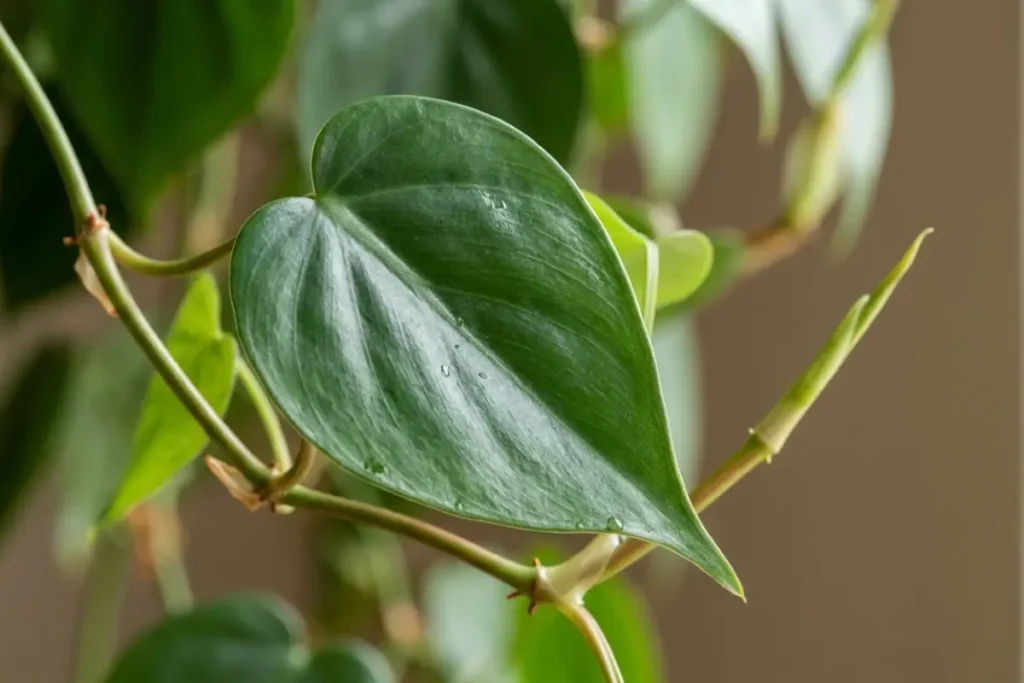
The Heartleaf Philodendron is a beautiful, low-maintenance houseplant known for its heart-shaped green leaves and trailing vines. It is easy to propagate because its stems develop roots from nodes, allowing you to grow new plants with just a few healthy cuttings. With a little water, patience, and proper care, you can easily multiply this lovely plant at home.
What Is Heartleaf Philodendron?
The heartleaf philodendron (Philodendron hederaceum) is a popular tropical houseplant loved for its attractive, heart-shaped green leaves and long, trailing vines. Its beautiful foliage makes it a great choice for hanging baskets, shelves, and indoor plant displays.
This plant grows naturally in warm, humid environments and can adapt well to indoor conditions when it receives proper care. Its low-maintenance nature also makes it a wonderful option for beginners who want to grow healthy houseplants without dealing with complicated gardening routines.
Why Is Heartleaf Philodendron Easy to Propagate?
One reason heartleaf philodendron is easy to propagate is its ability to develop new roots from healthy stem nodes. These small sections along the vine contain growth points that can produce new roots and shoots under suitable conditions.
You don’t need seeds or an expensive propagation setup to get started. A healthy stem cutting with at least one node can be enough to grow a new plant. This natural rooting ability makes heartleaf philodendron propagation a simple and rewarding project for indoor gardeners.
How Do Heart-Shaped Leaves and Trailing Vines Support Growth?

The heart-shaped leaves give this plant its familiar appearance, while its flexible trailing vines allow it to spread and grow in different directions. As the vines become longer, they develop additional nodes and sometimes small aerial roots.
These aerial roots help the plant attach itself to nearby surfaces in its natural growing environment. For propagation, healthy sections of these vines provide useful material for creating new plants. You can also trim longer vines to encourage a fuller appearance while using suitable cuttings to expand your indoor plant collection.
Why Do Nodes and Aerial Roots Matter for Propagation?
Nodes are essential when propagating heartleaf philodendron because they contain the growth points needed to develop new roots and shoots. Aerial roots may already appear around some nodes, making those sections useful choices for propagation.
When selecting a cutting, look for a healthy stem with at least one visible node rather than choosing a leaf alone. This small detail can make a big difference because a leaf without a node cannot normally develop into a complete new vine.
What Makes Heartleaf Philodendron a Good Plant for Beginners?
Heartleaf philodendron is a beginner-friendly houseplant because it grows well indoors and responds nicely to simple propagation methods. You can grow new plants in water or directly in suitable soil without needing advanced gardening equipment.
Its trailing vines also make it easy to find suitable stem sections for propagation. With healthy cuttings, proper moisture, and bright indirect light, even beginners can enjoy growing multiple plants from one mother plant.
What Is the Best Time to Propagate Heartleaf Philodendron?
Many people believe that heartleaf philodendron can only be propagated during spring and summer. However, that’s not entirely true. You can propagate this indoor plant at different times of the year if you provide suitable growing conditions.
Still, choosing the right season can make a noticeable difference in how quickly your cuttings develop roots. Warm temperatures, longer daylight hours, and active plant growth generally make spring and summer the best time to propagate heartleaf philodendron.
Why Is Spring the Best Time to Propagate Heartleaf Philodendron?
Spring is an excellent season for heartleaf philodendron propagation because the plant naturally begins producing fresh growth after the slower winter months.
During this period, healthy vines become more active, making it easier to find suitable stem cuttings for propagation. The warmer indoor environment also supports root development and helps new cuttings establish themselves.
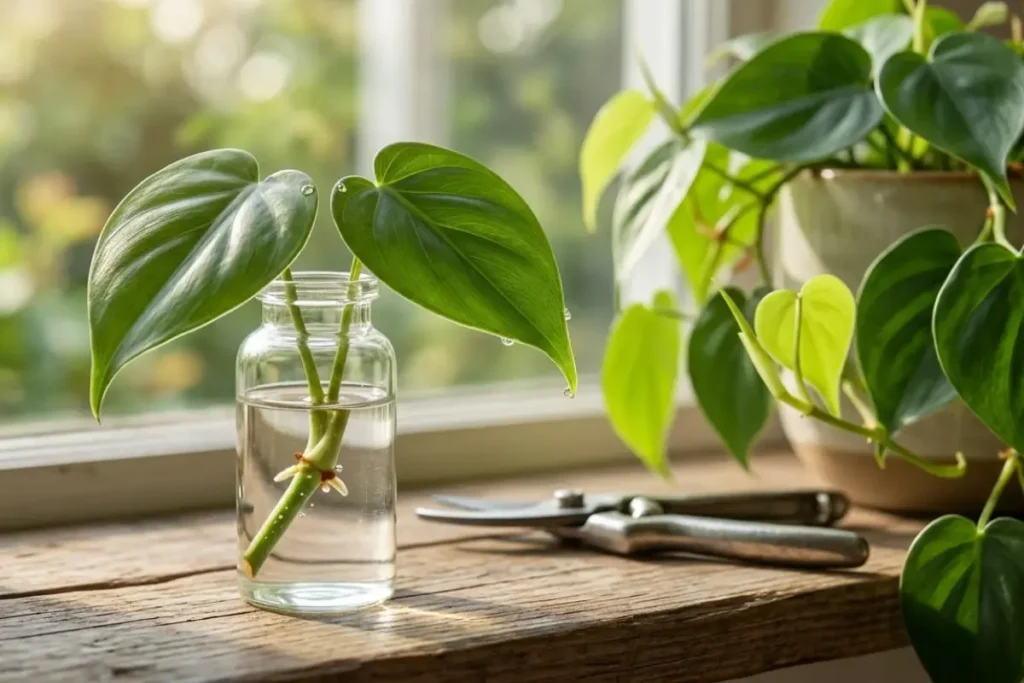
Another advantage is the increasing amount of natural daylight. Bright, indirect sunlight provides the energy cuttings need to support healthy growth. If you want to grow heartleaf philodendron from cuttings, spring offers a good opportunity to start with fresh, healthy stems and encourage strong root development.
Is Summer a Good Time for Philodendron Propagation?
Yes, summer is another great time to propagate heartleaf philodendron. Warm conditions usually encourage faster root development, and the plant can continue growing actively throughout the season. You can use healthy vine cuttings to grow new plants in water or soil.
However, avoid placing your cuttings in harsh direct sunlight, especially near hot windows. Excessive heat can dry out the growing medium and stress young cuttings.
Keep them in a bright location with indirect light, maintain suitable moisture, and protect them from extreme temperatures. These simple steps can help your philodendron cuttings develop healthy roots during summer.
Can You Propagate Heartleaf Philodendron During Fall and Winter?
You can propagate heartleaf philodendron during fall and winter, but the process may take longer than it does during warmer months. Shorter daylight hours and cooler temperatures can slow plant growth and root development. This doesn’t mean propagation is impossible; it simply requires a little more attention.
If you want to propagate your plant during colder months, keep the cuttings in a warm indoor location. Avoid placing them near cold windows, heating vents, or drafty doors.
You can also use a suitable grow light if your room doesn’t receive enough natural daylight. Maintaining consistent conditions can help your cuttings develop roots even when outdoor temperatures drop.
How Do Seasonal Changes Affect Rooting Speed?
Seasonal changes can influence how quickly heartleaf philodendron cuttings produce new roots. During spring and summer, warmer temperatures and longer daylight hours generally support active growth. As a result, cuttings may establish roots more quickly when they receive proper care.
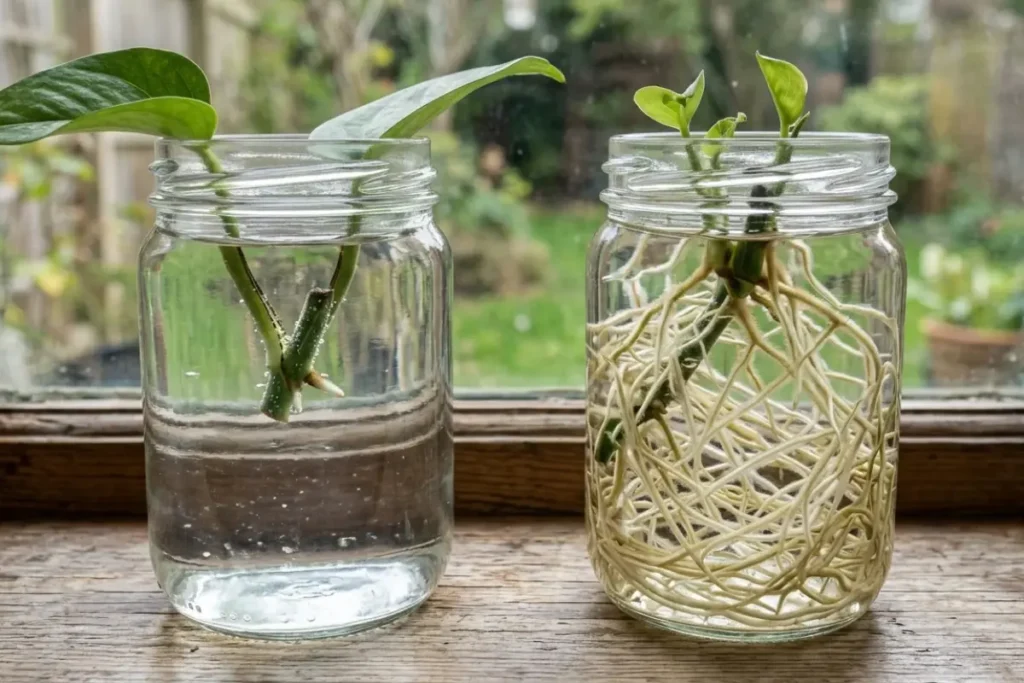
During fall and winter, cooler conditions and reduced daylight can slow this process. The rooting speed also depends on the cutting’s health, the presence of a suitable node, moisture levels, and growing conditions. Don’t worry if your cuttings take longer to root during colder months. Avoid disturbing them frequently, and give them enough time to develop a healthy root system.
What Do You Need Before Propagating Heartleaf Philodendron?
Many people believe that propagating houseplants requires expensive gardening equipment and special tools. However, that’s not the case with heartleaf philodendron. You only need a few basic supplies to get started. Having the right materials ready before taking cuttings can make the process easier and help you avoid unnecessary problems. Whether you plan to use water propagation or soil propagation, preparing your tools and containers beforehand will give your cuttings a better start.
Sharp and Clean Pruning Scissors
Sharp pruning scissors are one of the most important tools for heartleaf philodendron propagation. They help you make clean cuts without crushing or damaging the delicate stems. Before cutting your plant, clean the blades with rubbing alcohol and allow them to dry. This simple step helps reduce the risk of transferring bacteria or fungi to fresh cuttings.
Avoid using dull scissors because they can leave rough, damaged edges that may affect the cutting’s health. If you regularly propagate indoor plants, investing in a small pair of quality pruning shears can make your gardening tasks much easier.
Healthy Heartleaf Philodendron Mother Plant
A healthy mother plant gives you better material for successful propagation. Before taking any cuttings, check your heartleaf philodendron for firm stems, fresh leaves, and signs of active growth. Avoid selecting vines with yellowing leaves, black spots, mushy stems, or visible pest damage.
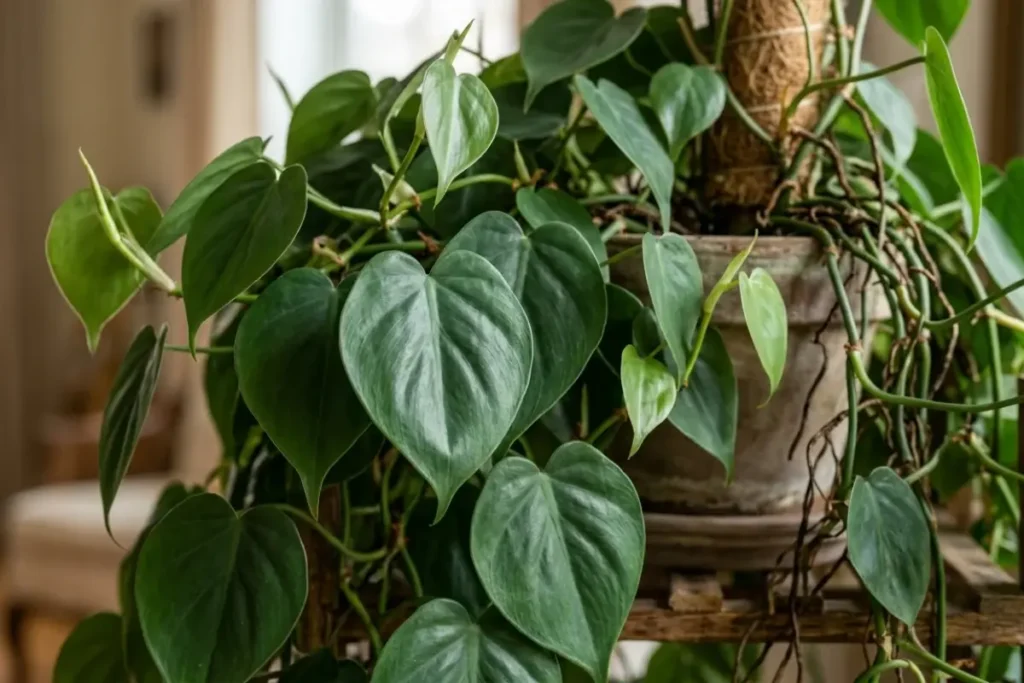
Choose a strong section of the plant that looks healthy and has well-developed nodes. Taking cuttings from a healthy mother plant increases the chances of successful root development and helps you grow stronger new plants. Also, avoid removing too many vines at once because the original plant needs enough healthy foliage to continue growing.
Clean Glass Jar or Propagation Container
If you want to propagate heartleaf philodendron in water, prepare a clean glass jar or transparent container. A clear container allows you to observe root development without removing the cutting from the water. You can easily check whether roots are growing and notice changes in water quality.
Choose a container that holds the cutting comfortably without squeezing its stem. Wash it thoroughly before use to remove dust, dirt, and unwanted residue. A small glass jar, drinking glass, or clean propagation vessel can work well. Make sure the container is stable enough to support the cutting without tipping over.
Fresh, Clean Water
Fresh water is another essential supply for water propagation. You don’t need any expensive liquid rooting solution to get started. Clean tap water can work if your local water quality is suitable for houseplants. If your tap water contains high levels of minerals or other unwanted substances, filtered water is another option.
Prepare enough water to cover the node while keeping the leaves above the waterline. Avoid filling the jar completely because submerged leaves can become damaged or start rotting. Keep an eye on the water level and replace it when it becomes cloudy or dirty. Clean water helps create a better environment for developing roots.
Small Pots with Drainage Holes
If you plan to use soil propagation, you’ll need small plant pots with drainage holes at the bottom. These holes allow extra water to escape and help prevent the potting mix from becoming excessively wet. Poor drainage can create problems for developing roots, especially when young cuttings are still establishing themselves.
Choose a pot that comfortably holds the cutting without leaving too much empty space around it. Small nursery pots or basic plastic containers with drainage holes are suitable options. Before planting, make sure the container is clean and ready to use.
Well-Draining Potting Mix
A suitable potting mix is important when propagating heartleaf philodendron directly in soil. Avoid using heavy garden soil because it can hold too much water and reduce airflow around developing roots. Instead, choose a loose, well-draining houseplant mix that allows roots to receive enough moisture and oxygen.
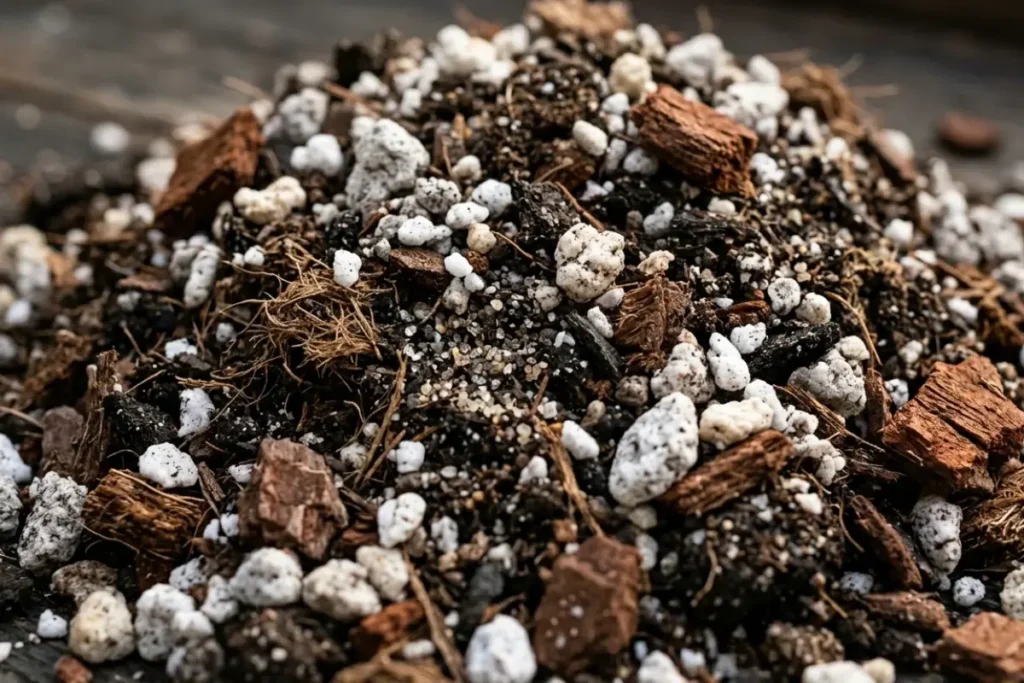
You can use a quality indoor potting mix or prepare your own blend with ingredients such as coco coir or peat moss and perlite. Coco coir helps retain moisture, while perlite improves drainage and airflow. A balanced growing medium makes it easier to maintain suitable moisture levels during soil propagation.
Frequently Asked Questions About How to Propagate Heartleaf Philodendron
Can You Propagate Heartleaf Philodendron from a Single Leaf?
No, a single heartleaf philodendron leaf usually cannot grow into a complete new plant. Successful propagation requires a stem section with at least one healthy node.
The node contains the growth point needed to develop new roots and shoots. If you want to grow a new plant, choose a healthy cutting that includes both a leaf and a node.
Can You Propagate Heartleaf Philodendron Without Roots?
Yes, you can propagate heartleaf philodendron without existing roots. In fact, most stem cuttings start without roots and develop them after being placed in water or suitable soil.
Just make sure your cutting has at least one healthy node. Keep the growing conditions suitable, and give the cutting enough time to establish its root system.
Can You Propagate Heartleaf Philodendron Directly in Soil?
Yes, direct soil propagation is an effective way to grow new heartleaf philodendron plants. Take a healthy stem cutting with at least one node and place the node into a moist, well-draining potting mix.
Keep the soil lightly moist without making it soggy. Provide bright, indirect light and suitable warmth to encourage healthy root development.
How Long Does It Take for Heartleaf Philodendron Cuttings to Grow Roots?
Heartleaf philodendron cuttings often begin developing roots within 2 to 4 weeks under suitable conditions. However, the exact time depends on temperature, light, cutting health, and propagation method.
Some cuttings may take longer, especially during colder months. Check for healthy root growth without repeatedly pulling the cutting out of its container.
Should Heartleaf Philodendron Cuttings Be Kept in Direct Sunlight?
No, avoid placing newly prepared cuttings in harsh direct sunlight. Strong sunlight can overheat the container, dry out the growing medium, and stress developing roots. Instead, choose a bright location with indirect sunlight. A spot near a window with filtered natural light is usually a good option for encouraging healthy growth.
How Often Should You Change the Water During Propagation?
You don’t need to change the water every day. Check the container regularly and replace the water when it becomes cloudy, dirty, or develops an unpleasant smell.
Many indoor gardeners refresh the water about once a week, although conditions can vary. Also, refill the container when the water level drops so the node remains submerged.
Can You Propagate Heartleaf Philodendron in Winter?
Yes, you can propagate heartleaf philodendron during winter, but root development may be slower because of cooler temperatures and shorter daylight hours.
Keep your cuttings in a warm indoor location and provide bright, indirect light. Avoid cold drafts and excessive watering. If natural light is limited, a suitable grow light can help support the propagation process.
Do Heartleaf Philodendron Cuttings Need Rooting Hormone?
No, rooting hormone is not necessary for successful heartleaf philodendron propagation. Healthy stem cuttings can develop roots naturally when they have suitable nodes and growing conditions. You can use rooting hormone if you prefer, but it isn’t essential. Clean cutting tools, proper moisture, and suitable light are more important.
Why Are My Heartleaf Philodendron Cuttings Turning Yellow?
Yellow leaves on heartleaf philodendron cuttings can develop for several reasons. Excessive moisture, poor water quality, insufficient light, or natural stress after cutting may contribute to the problem. If the stem becomes soft, dark, or mushy, rot may be developing. Check the cutting carefully, remove badly damaged material, and improve its growing conditions.
When Should I Move Water-Propagated Cuttings into Soil?
Move your water-propagated heartleaf philodendron cuttings into soil when they have developed several healthy roots, ideally around 2 to 3 inches long. Choose a small pot with drainage holes and use a loose, well-draining potting mix. Plant the roots carefully without bending or breaking them. After transplanting, keep the soil lightly moist while the cutting adjusts to its new growing environment.
Conclusion:
Learning how to propagate heartleaf philodendron is a simple and rewarding way to grow more beautiful indoor plants without spending money on new ones.
Whether you choose water propagation or soil propagation, the process becomes easier when you understand how to select healthy stem cuttings, identify suitable nodes, and provide the right growing conditions.
You don’t need expensive gardening tools or advanced skills to get started. A few basic supplies and a little patience can help you turn one healthy plant into several new additions to your indoor garden.
Remember that successful propagation depends on more than simply placing a cutting in water or soil. Choose healthy vines, use clean pruning scissors, maintain suitable moisture, and provide bright indirect light.
Avoid common mistakes such as using cuttings without nodes, overwatering, or exposing young plants to harsh sunlight. Give your cuttings enough time to develop strong roots before moving them into permanent pots.
If you’re a beginner, start with a few cuttings and experiment with the method that works best for your growing conditions. Don’t feel discouraged if your first attempt takes longer than expected.
Every cutting develops at its own pace, and small improvements in care can make a big difference. With the right approach, you can enjoy healthy new heartleaf philodendron plants and create a fuller, greener indoor space.

Plant Nest Blog’s author is passionate about plants, gardening, and sustainable living. Through research and practical experience, they share helpful plant care tips, gardening guides, and easy solutions to help readers grow healthier plants and create greener spaces.