
Many beginners believe that how to grow pepper plant is all about planting a seed and watering it every day. That sounds easy, but it can lead to weak growth or poor fruit production. Pepper plants need the right balance of sunlight, moisture, soil, warmth, and nutrients.
The good news is that once you understand these basics, growing pepper plants at home becomes much simpler.
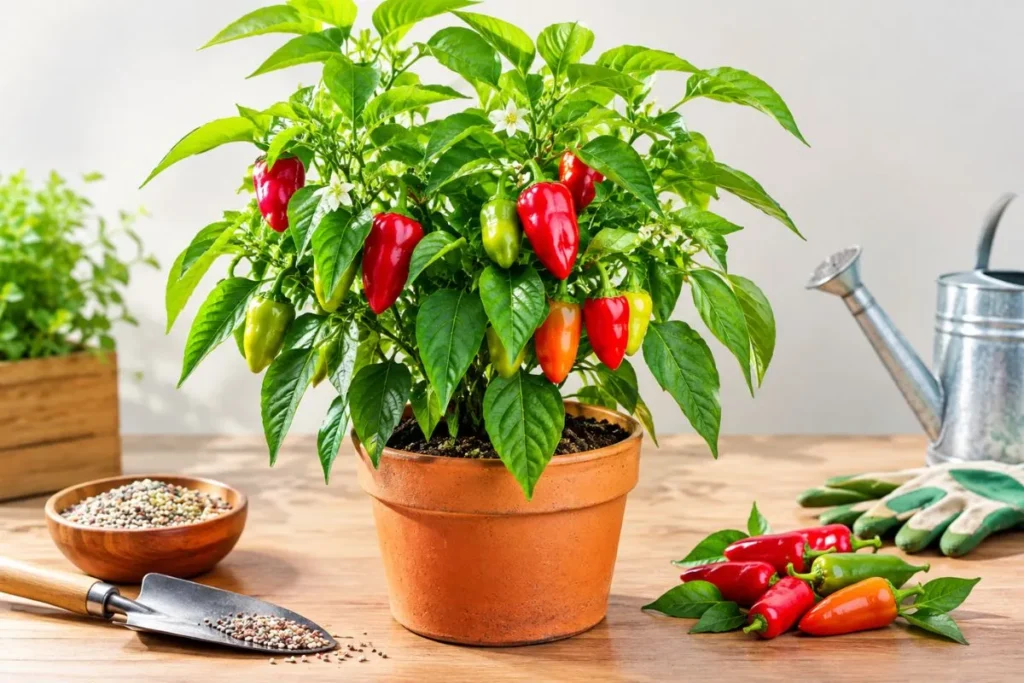
Whether you want to grow sweet peppers, hot peppers, or bell peppers, you do not need a huge garden. You can grow healthy pepper plants in a garden bed, pot, or container with the right care.
In this guide, you will learn the essential steps for growing peppers at home, from choosing healthy plants to giving them the conditions they need for strong growth and a good harvest.
How to Grow Pepper Plant
A common mistake is thinking that growing a pepper plant means simply putting a seed in soil and watering it every day. In reality, how to grow pepper plant successfully depends on several simple things working together.
Your plant needs healthy soil, enough sunlight, suitable moisture, warmth, and regular care as it grows.
The good news is that you do not need to be an experienced gardener. Once you understand the basic steps, growing pepper plants becomes much easier.
Whether you want to grow peppers in a garden, pot, or container, following a simple routine can help your plant develop strong roots, healthy leaves, flowers, and eventually fresh peppers.
Choose Healthy Seeds or Seedlings
Start with good-quality pepper seeds or a healthy young seedling. Avoid plants with damaged leaves, weak stems, or obvious signs of pests or disease.
If you are starting from seeds, choose a pepper variety that suits your growing space and climate. Healthy starting material gives your plant a better foundation for steady growth.
Use Fertile, Well-Draining Soil
Pepper plants need soil that holds enough moisture but does not stay soaked. Poor drainage can create problems for the roots, while very poor soil may not provide enough nutrients for healthy growth.
For growing peppers at home, use fertile soil with good drainage. If you are growing in a container, choose a suitable potting mix rather than heavy garden soil.
Give the Plant Enough Sunlight
Sunlight plays an important role in healthy pepper plant growth. Place your plant in a bright, sunny location where it can receive plenty of direct light.
Good light supports healthy leaves and helps the plant produce flowers and fruit. If your pepper plant receives too little light, growth may become weak and fruit production may suffer.
Water Consistently
Pepper plants need regular moisture, but that does not mean keeping the soil constantly wet. Check the soil before watering and water when it starts to dry rather than following a rigid schedule.
Both overwatering and underwatering can cause problems. Consistent pepper plant watering is especially important when the plant is actively growing and producing fruit.
Provide Suitable Fertilizer
As your plant grows, it needs nutrients to support leaves, roots, flowers, and fruit. Start with fertile soil and provide fertilizer when the plant needs additional nutrition.
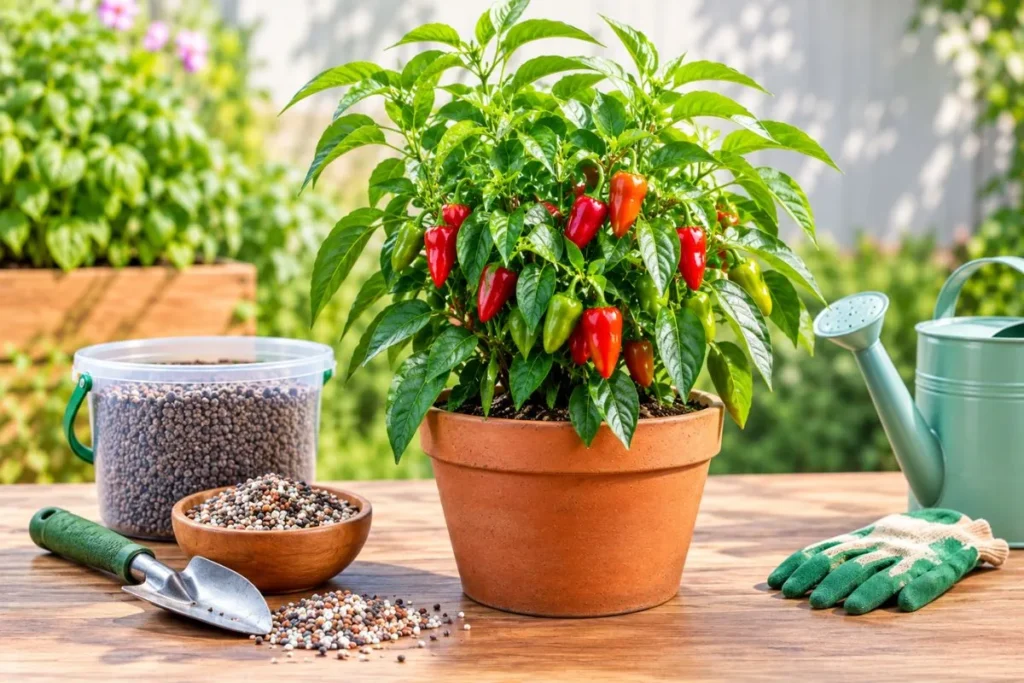
Use a suitable fertilizer according to its label instructions. Avoid assuming that more fertilizer will automatically produce more peppers. Balanced pepper plant nutrients are more important than excessive feeding.
Give the Plant Enough Growing Space
Pepper plants need room for their roots, leaves, and branches to develop. Crowding plants too closely can reduce airflow and make everyday care more difficult.
If you are growing peppers in containers, choose a container that gives the plant enough room to grow. Make sure it also has proper drainage holes.
Check for Pests and Plant Problems
Do not wait until a problem becomes serious. Regularly look at the leaves, stems, flowers, and soil for signs of pests, disease, or unusual growth.
Common pepper plant problems can include yellowing leaves, slow growth, damaged foliage, flower drop, or poor fruit production. Finding problems early makes them easier to manage.
Harvest at the Right Time
Once your plant begins producing peppers, check the fruit regularly. The ideal harvest time depends on the pepper variety and whether you prefer the fruit green or fully mature.
Careful harvesting can also help protect the plant and its branches. With proper care throughout the growing season, your pepper plant harvest can provide fresh peppers for your kitchen.
Choose the Right Pepper Variety
A common belief is that any pepper seed will grow well in any location. That is not quite true. The variety you choose can make a big difference in how well your plant grows, especially if you are growing peppers in pots, containers, or a small home garden.
Before you start growing pepper plants, think about the type of pepper you actually want and the space and conditions you can provide.
Sweet Peppers vs. Hot Peppers
The first choice is simple: do you want sweet peppers or hot peppers?
Sweet peppers are usually mild and include popular types such as bell peppers. They are a good option if you want crisp peppers for salads, cooking, stuffing, or everyday meals.
Bell pepper plant growing can work well in both garden beds and suitable containers when the plant gets enough light and room for its roots.
Hot peppers, on the other hand, include many chili varieties with different levels of heat. Some produce small fruits, while others grow larger peppers. If you enjoy spicy food, growing a hot pepper plant can be a fun way to have fresh chilies available at home.
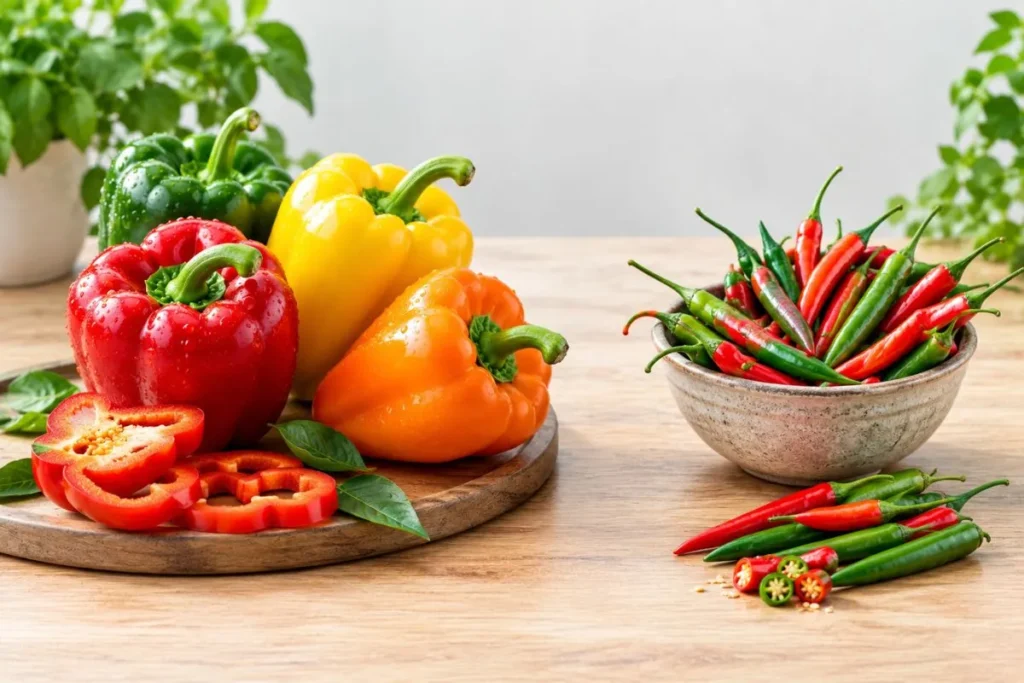
The care requirements are broadly similar, but individual varieties can differ in size, growing time, fruit shape, and heat level. So, when choosing seeds, check the information on the seed packet instead of assuming every pepper plant grows the same way.
For beginners, it is also useful to choose a variety that matches the space available. A compact pepper variety may be more practical for a balcony or container, while larger varieties may perform better when they have more room.
Choose a Variety for Your Growing Space
Your growing space should influence your choice of pepper variety. If you have a sunny garden, you have more flexibility. If you are working with a balcony, patio, windowsill, or another small area, look for a variety that stays relatively compact.
For growing peppers in pots, choose a plant that can comfortably develop in a container. A compact variety can make container pepper gardening easier because it usually needs less space than a large, sprawling plant.
If you have limited outdoor space, you can also explore indoor pepper plants. Indoor growing requires careful attention to light and temperature, so choose a variety that fits your setup rather than simply picking the largest pepper plant available.
Think about three things before buying seeds:
- Available space: Small spaces usually work better with compact plants.
- Pepper type: Choose sweet, bell, or hot peppers based on what you actually want to eat.
- Growing conditions: Consider the amount of sunlight, warmth, and care you can provide.
This simple choice can make the rest of your pepper plant care routine much easier. When the variety matches your space and growing conditions, you give the plant a better chance to develop healthy leaves, flowers, and fruit.
How to Grow Pepper Plants From Seeds
Many people think that how to grow pepper plants from seeds simply means burying a seed in soil and waiting for a plant to appear. That approach can work sometimes, but it is not the most reliable way to start.
Pepper seeds need the right warmth, moisture, planting depth, and early care to germinate properly. A little attention at this stage can give your seedlings a much stronger start.
Starting peppers from seeds is also one of the most rewarding ways to grow your own food. You can choose the exact pepper variety you want and watch it develop from a tiny seed into a productive plant.
With a few simple steps, even a beginner can successfully handle pepper plant germination at home.
Choose Quality Pepper Seeds
Good seeds are the first step toward successful planting pepper seeds. Choose seeds from a reliable source and check the packet for the variety, planting information, and recommended growing conditions.
Fresh, properly stored seeds generally give you a better starting point. Avoid seeds that appear damaged, moldy, or unusually discolored.
Think about the type of pepper you want before planting. You may choose sweet peppers, bell peppers, or hot peppers depending on your taste and growing space.
If you are saving seeds from a pepper you already have, remember that seeds from some hybrid varieties may not produce plants identical to the original pepper. For predictable results, labeled seeds of a known variety are usually the simpler choice.
Start Pepper Seeds Indoors
Starting seeds indoors gives young plants a protected environment while they are still small and delicate. This can be especially useful when outdoor conditions are not yet suitable.
Use a small seed tray, starter container, or another clean container with drainage. Fill it with a light, well-draining seed-starting medium. Avoid packing the growing medium too tightly because young roots need room to develop.
Place the seeds in the medium and keep it evenly moist. Do not flood the container. Excess water can reduce air around the roots and create problems for developing seedlings.
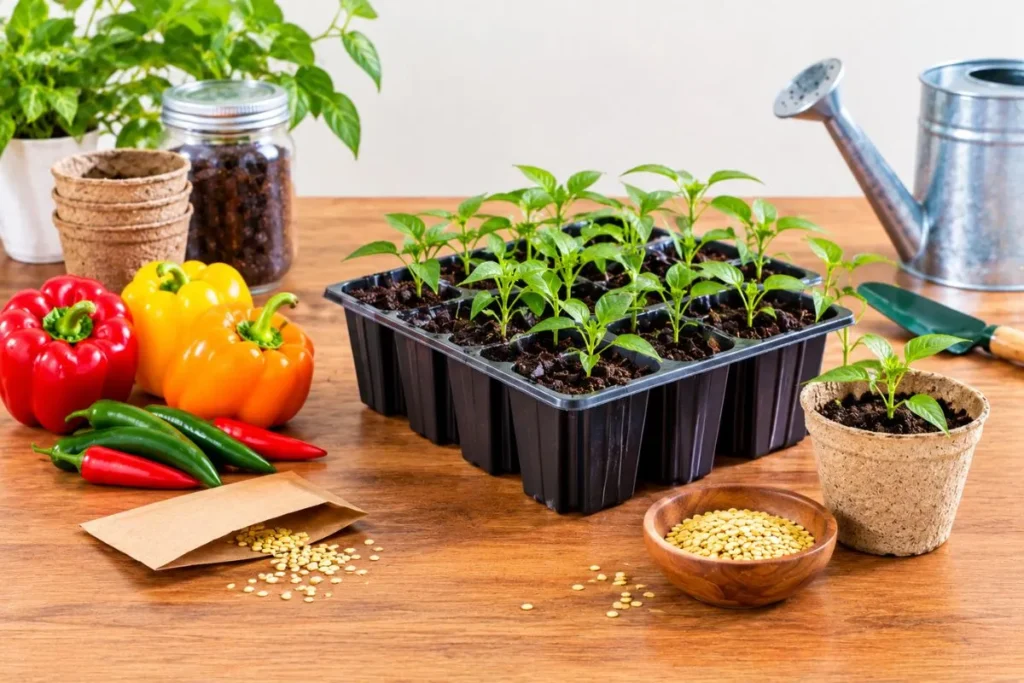
Warm conditions are important during pepper seed germination. Keep the seed containers in a warm location and follow the instructions for your particular pepper variety.
Once seedlings appear, move them into a bright location. Young plants need adequate light so they can develop strong stems instead of becoming tall and weak.
How Deep to Plant Pepper Seeds
Planting depth matters more than many beginners realize. If you plant a pepper seed too deeply, the young seedling may struggle to reach the surface. If it is planted too shallowly, the seed can dry out or become exposed.
A good rule is to follow the planting depth recommended on your seed packet. Different varieties can have slightly different requirements.
After placing the seed, gently cover it with the growing medium. Do not press the soil down heavily. Then moisten the surface carefully so the seed has enough moisture to begin the germination process.
During this stage, avoid constantly digging around to check whether the seed has sprouted. Disturbing the seed can damage the developing root. Give it suitable warmth, moisture, and time.
Pepper Seed Germination
Pepper plant germination begins when the seed absorbs enough moisture and starts developing a root and shoot. The exact time can vary depending on the variety and growing conditions.
Warmth is particularly important. If the growing medium is too cold, germination may take longer. Moisture also needs to stay reasonably consistent. Letting the seed completely dry out can interrupt the process, while keeping it soaked can create other problems.
Once the seedlings emerge, give them enough light and continue providing careful moisture. At this stage, avoid heavy feeding unless the growing medium or seed-starting instructions specifically call for it.
Watch your young seedlings as they develop their first leaves. Strong, upright growth is a good sign. If seedlings become unusually tall and thin, they may not be receiving enough light.
Simple Seed-Starting Checklist
Before you begin how to grow pepper plants from seeds, make sure you have quality pepper seeds, a clean container or seed tray, a suitable seed-starting medium, good drainage, a warm growing location, consistent moisture, and adequate light after germination.
With these basics in place, your tiny pepper seeds have a much better chance of becoming strong seedlings ready for the next stage of growth.
How to Grow Pepper Plant From Seedlings
Many beginners believe that once a pepper seedling has appeared, the difficult part is over. Not quite. Young seedlings are still sensitive to changes in light, water, temperature, and root space. Giving them the right care during this stage helps them develop stronger roots and prepare for healthy growth.
If you are learning how to grow pepper plant from an already established seedling, focus on a gentle transition. Avoid rushing the plant into a large garden bed or container before it is ready. A healthy transplant should have a sturdy stem, healthy leaves, and a developing root system.
When Are Pepper Seedlings Ready to Transplant?
A pepper seedling is generally ready to move when it has developed several healthy leaves and looks strong enough to handle the change.
Look for a seedling with a sturdy stem, healthy green leaves, active new growth, and a well-developed root system. Avoid transplanting a weak, damaged, or severely stressed seedling. Give it time to recover and establish stronger growth first.
Prepare the New Growing Space
Before pepper plant transplanting, prepare the new pot, container, or garden area. The growing medium should be suitable for peppers and should drain excess water properly.
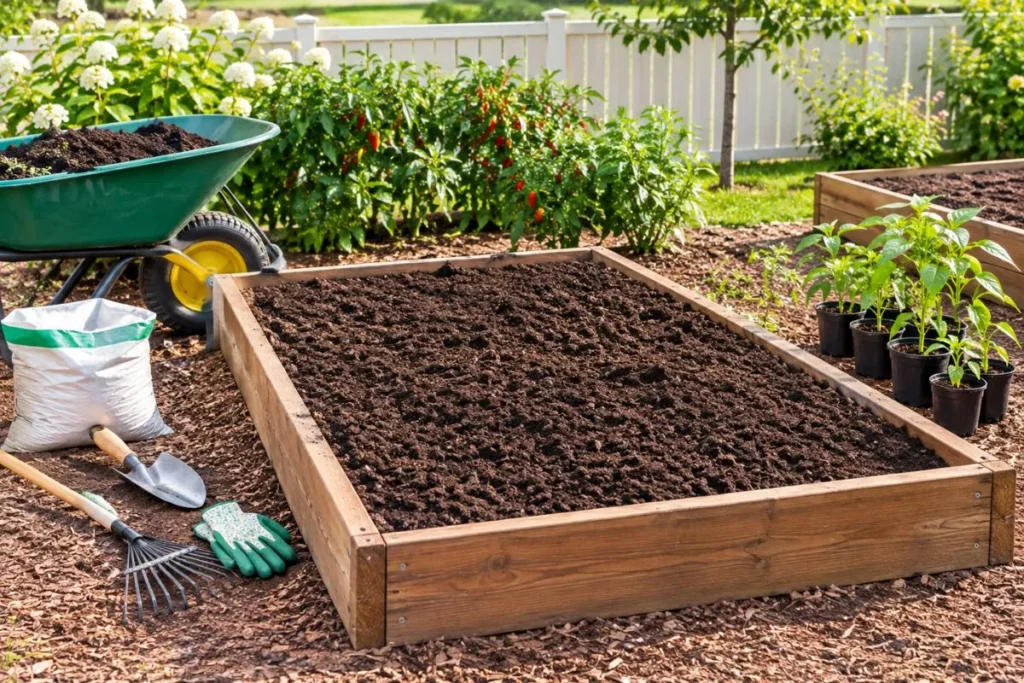
If you are growing pepper plants in containers, make sure the container has drainage holes. Fill it with suitable growing medium and leave enough space for watering without soil spilling over the sides.
Preparing everything before removing the seedling makes the process quicker and reduces unnecessary stress on the roots.
Transplant Pepper Seedlings Carefully
Remove the seedling gently and try to disturb the roots as little as possible. Handle the plant by the root ball or leaves rather than squeezing the delicate stem.
Place the seedling into its new growing space and cover the roots with soil. Keep the plant positioned securely without packing the soil too tightly around it.
Water gently after transplanting. This helps settle the growing medium around the roots and gives the plant a chance to adjust to its new home.
Help the Seedling Adjust After Transplanting
A freshly transplanted pepper plant may look slightly stressed for a short time. This is normal. Avoid making several major changes at once.
Keep the moisture consistent and place the plant in a suitable growing location. If the seedling was previously protected indoors, gradually introduce it to stronger outdoor conditions rather than moving it suddenly into harsh conditions.
This adjustment period is important for pepper seedling care. Give the plant time to develop stronger roots before expecting rapid new growth.
Give Young Pepper Plants Enough Space
As the seedling grows, its roots and branches need room to develop. Crowding can make watering, feeding, and general pepper plant care more difficult.
If you are growing several plants, follow the spacing recommendations for your specific variety. Compact varieties may need less space than larger plants.
Giving each plant enough room also helps improve airflow around the leaves, which is useful for maintaining healthy plants.
Watch for Transplant Stress
After moving a seedling, keep an eye on its leaves and overall growth. Temporary drooping can happen after transplanting, especially if the roots were disturbed.
However, continued wilting, yellowing, or very slow growth may indicate that something else needs attention. Check the moisture level, drainage, light, and growing conditions before making further changes.
The goal is simple: help the seedling settle in without overwatering, excessive feeding, or constant disturbance.
FAQs About Growing Pepper Plants
Growing pepper plants can seem complicated when you are just starting. In reality, most common questions come down to a few basic needs: sunlight, water, soil, warmth, nutrients, and regular care. Here are simple answers to the questions beginners often ask about how to grow pepper plant successfully.
How long does it take to grow peppers?
The growing time depends on the pepper variety and growing conditions. Some varieties produce peppers relatively quickly, while others need a longer growing season. Starting with healthy seeds or seedlings and providing suitable conditions can help the plant develop steadily.
How much sunlight does a pepper plant need?
Pepper plants generally grow best in a bright location with plenty of direct sunlight. Good sunlight supports healthy leaves, flowering, and fruit production. If your plant receives too little light, growth may become weak and it may produce fewer peppers.
How often should you water pepper plants?
Water when the soil begins to dry rather than following a strict daily schedule. The exact frequency depends on temperature, container size, soil, and growing conditions. Keep the soil consistently moist without leaving it constantly waterlogged.
Can you grow pepper plants in pots?
Yes. Growing pepper plants in pots is a practical option for balconies, patios, and other small spaces. Choose a suitable container with drainage holes and enough room for the roots to develop. Compact pepper varieties can be especially useful for container gardening.
What is the best soil for pepper plants?
Pepper plants prefer fertile, well-draining soil that provides moisture without becoming waterlogged. For containers, use a quality potting mix designed for container plants. Good drainage is important because constantly wet soil can cause root problems.
Why are my pepper plant leaves turning yellow?
Yellow leaves can have several causes, including watering problems, poor drainage, nutrient issues, stress, or natural aging of older leaves. Check the soil moisture, drainage, light, and overall plant condition before changing your care routine.
Why is my pepper plant not producing fruit?
A pepper plant may fail to produce fruit because of insufficient light, unsuitable temperatures, poor pollination, excessive stress, or an imbalance in growing conditions. Make sure the plant receives enough sunlight, consistent moisture, and suitable nutrition.
Why are my pepper flowers falling off?
Flower drop can happen when the plant is under stress. Temperature changes, inconsistent watering, poor pollination, and other growing conditions can contribute to the problem. Keep conditions as stable as possible and avoid letting the plant become severely dry or waterlogged.
Do pepper plants need fertilizer?
Pepper plants need nutrients for healthy growth, flowering, and fruit production. Fertile soil may provide some of what the plant needs, but additional fertilizer can be useful as the plant grows. Always follow the fertilizer label and avoid overfeeding.
Can you grow pepper plants indoors?
Yes, you can grow some pepper plants indoors if they receive enough light, warmth, suitable soil, and proper watering. A sunny window may work, although indoor plants may need additional lighting when natural light is limited.
How do you get more peppers from one plant?
Focus on the plant’s basic needs rather than using excessive fertilizer or complicated techniques. Provide enough sunlight, consistent moisture, suitable nutrients, healthy soil, and enough growing space. Regularly check for pests and other problems so they can be addressed early.
When should you harvest peppers?
The best harvest time depends on the pepper variety and your preferred stage of ripeness. Some peppers can be harvested while green, while others develop a different color and flavor when fully mature. Check the characteristics of your specific variety before harvesting.
Conclusion:
Many people think how to grow pepper plant successfully requires expert gardening skills or a large garden. It does not. The basics are simple: start with a healthy variety, use fertile and well-draining soil, provide enough sunlight, water consistently, and give the plant suitable warmth and nutrients.
Whether you are growing peppers in a garden, pot, container, or indoors, regular care makes a big difference. Keep checking your plant for pests, yellowing leaves, poor growth, or flower problems so you can respond early.
The key is consistency. Give your pepper plant the conditions it needs, avoid overwatering or overfeeding, and be patient as it grows. With the right care, growing pepper plants at home can be simple, rewarding, and a great way to enjoy fresh peppers from your own space.

Plant Nest Blog’s author is passionate about plants, gardening, and sustainable living. Through research and practical experience, they share helpful plant care tips, gardening guides, and easy solutions to help readers grow healthier plants and create greener spaces.