
A common misconception is that learning how to grow black eyed susan is difficult and that these flowers need constant care to bloom well. The truth is just the opposite. Black Eyed Susan (Rudbeckia) is one of the easiest flowering plants to grow.
It thrives in full sun, adapts to different soil types, and rewards even beginner gardeners with bright, long-lasting blooms. If you want a colorful, low-maintenance garden flower that attracts butterflies and bees while adding beauty to your landscape, Black Eyed Susan is an excellent choice.
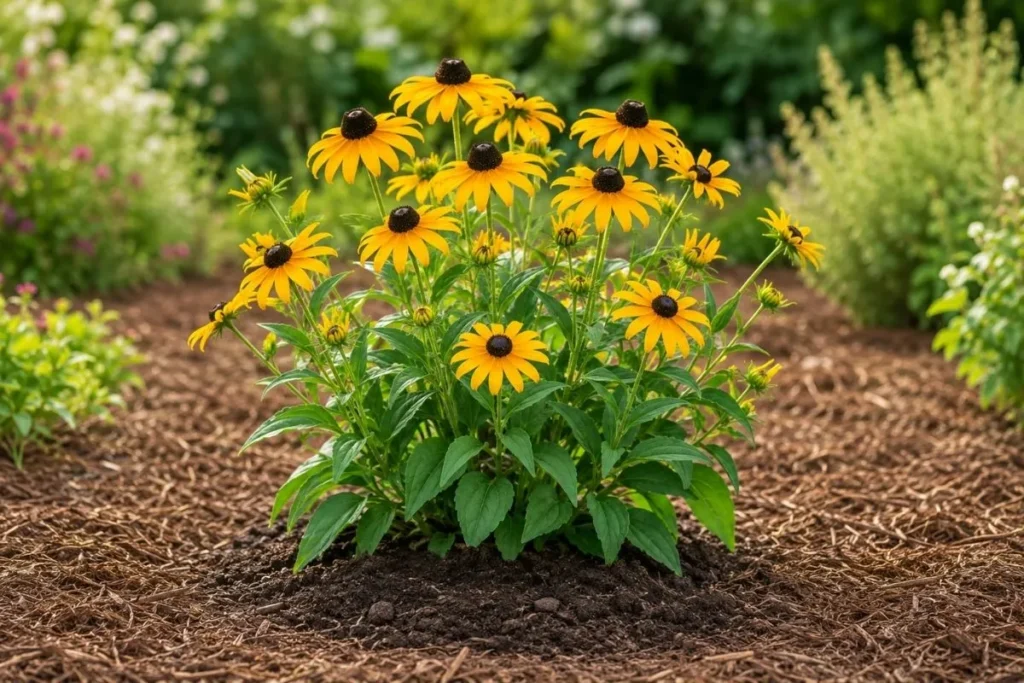
In this complete Black Eyed Susan growing guide, you’ll learn everything you need to successfully grow Black Eyed Susan from start to finish.
We’ll cover the best time to plant, the ideal soil and sunlight conditions, how to grow Black Eyed Susan from seed, watering and fertilizing tips, pruning, companion plants, common problems, and simple maintenance techniques to keep your flowers blooming all summer.
Whether you’re planting in garden beds or containers, this guide will help you grow healthy, vibrant Rudbeckia with confidence.
What Is Black Eyed Susan?
A Beautiful and Easy-to-Grow Flower
Black Eyed Susan, scientifically known as Rudbeckia, is a popular flowering plant recognized for its bright golden-yellow petals and dark brown or black center.
Native to North America, it has become a favorite among gardeners because it is beautiful, hardy, and incredibly easy to grow. Whether you’re creating a cottage garden, a pollinator garden, or simply adding color to your backyard, Black Eyed Susan fits perfectly into almost any landscape.
Annual vs. Perennial Varieties
One question many beginners ask is whether Black Eyed Susan is an annual or a perennial.
The answer depends on the variety. Some types complete their life cycle in one growing season, while many popular varieties are hardy perennial flowers that return year after year with very little maintenance.
Choosing the right variety helps you decide whether you want seasonal color or a long-term addition to your garden.
Why Gardeners Love Rudbeckia
There are many reasons why gardeners enjoy growing Black Eyed Susan. It tolerates heat, dry conditions, and poor soil better than many flowering plants.
It also requires very little care once established, making it one of the best easy perennial flowers for beginners. Besides its low-maintenance nature, Rudbeckia attracts bees, butterflies, and other beneficial pollinators, making it a valuable addition to any pollinator-friendly flower garden.
Bloom Colors and Flowering Season
Although the classic Black Eyed Susan is famous for its bright yellow flowers with dark centers, modern varieties are available in shades of golden yellow, orange, bronze, and even deep red-brown.
Most plants begin blooming in early summer and continue producing flowers until fall, making them one of the most reliable summer blooming perennials for continuous color throughout the growing season.
Growth Habit and Mature Size
Black Eyed Susan grows in upright clumps with sturdy stems and green foliage. Most varieties reach between 2 and 4 feet tall and spread about 1 to 2 feet wide.
Their neat growth habit makes them ideal for flower beds, borders, walkways, wildlife gardens, and mixed landscapes. Since they require minimal pruning and care, they are considered one of the easiest low-maintenance garden flowers to grow.
Why It’s Perfect for Beginners
If you’re new to gardening, learning how to grow Rudbeckia is a great place to start. These plants are forgiving, resilient, and capable of thriving in a wide range of growing conditions.
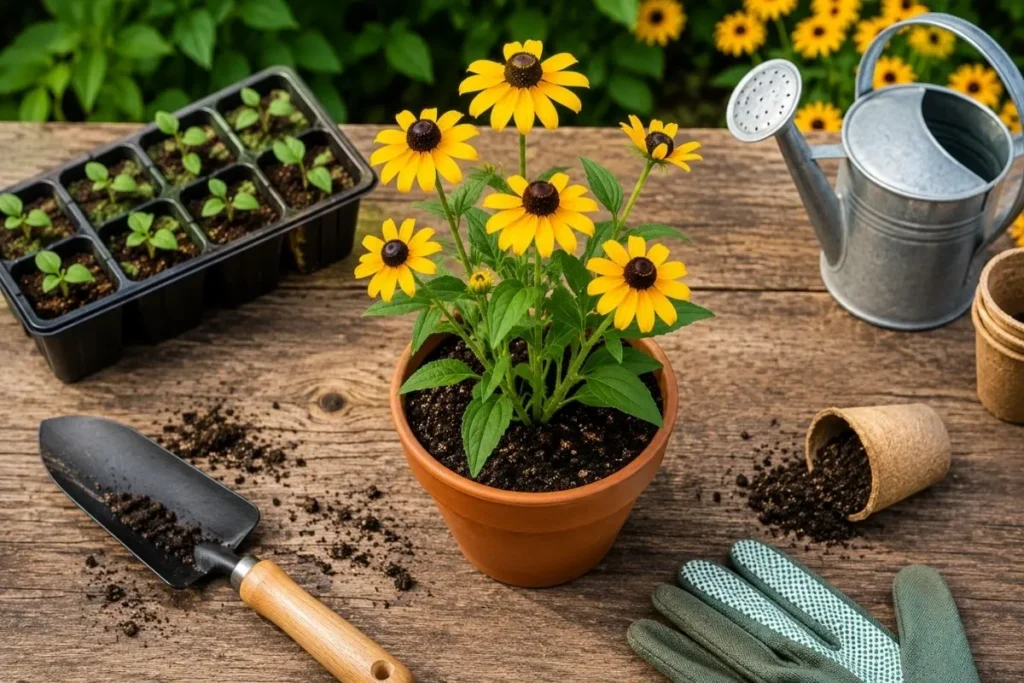
With proper sunlight, occasional watering, and basic care, Black Eyed Susan rewards gardeners with months of colorful blooms, making it one of the most dependable flowering plants for both beginners and experienced gardeners alike.
Why You Should Grow Black Eyed Susan
Many people assume that the most beautiful flowers are also the hardest to maintain. That’s not the case with Black Eyed Susan. If you’re wondering how to grow Black Eyed Susan flowers successfully, you’ll be happy to know that this plant is both attractive and incredibly easy to care for.
It offers months of vibrant blooms without demanding constant attention, making it one of the best choices for beginners and experienced gardeners alike.
An Easy Flower for Beginners
One of the biggest reasons people love growing Black Eyed Susan is its simplicity. Unlike many flowering plants that require frequent pruning, rich soil, or complicated care routines, Black Eyed Susan adapts well to different growing conditions.
Once planted in a sunny location with well-drained soil, it quickly establishes itself and continues to thrive with only basic maintenance.
If you’re learning how to grow Rudbeckia for the first time, this flower is an excellent place to start. Even gardeners with limited experience can enjoy healthy plants and colorful blooms without spending hours working in the garden.
Its forgiving nature makes it one of the most popular easy perennial flowers for home landscapes.
Long-Lasting Blooms That Brighten Your Garden
Every gardener wants flowers that provide lasting beauty, and Black Eyed Susan does exactly that. Instead of blooming for only a short period, it produces cheerful yellow flowers from early summer through early fall.
This extended flowering season keeps your garden looking fresh and colorful when many other plants have already finished blooming.
The bright golden petals and dark center create a striking contrast that stands out in flower beds, borders, and landscape designs. Whether planted in groups or mixed with other summer blooming perennials, Black Eyed Susan adds warmth and visual interest throughout the growing season.
A Low-Maintenance Garden Favorite
Many gardeners simply don’t have time to care for high-maintenance plants every week. Fortunately, Black Eyed Susan is known as one of the easiest low-maintenance garden flowers you can grow. Once established, it requires only occasional watering during prolonged dry periods and benefits from simple seasonal care.
Because it naturally adapts to different soil conditions and grows vigorously with minimal effort, it’s a practical choice for busy homeowners. If your goal is to create a beautiful landscape without constant maintenance, learning how to grow Black Eyed Susan is well worth your time.
Excellent Drought Tolerance
Weather can be unpredictable, especially during the hottest months of the year. One of the greatest advantages of Black Eyed Susan is its ability to tolerate dry conditions better than many other flowering plants.
After developing a strong root system, the plant becomes remarkably resilient during periods of limited rainfall. This makes it one of the most reliable drought-tolerant flowers for gardens in warmer climates.
While regular watering encourages the healthiest growth, mature plants continue performing well even when water is less available, making them an excellent option for gardeners looking to conserve water.
Naturally Deer Resistant
If deer frequently visit your garden, you know how frustrating it can be to see flowers disappear overnight. Although no plant is completely deer-proof, Black Eyed Susan is widely recognized as one of the more dependable deer-resistant flowers.
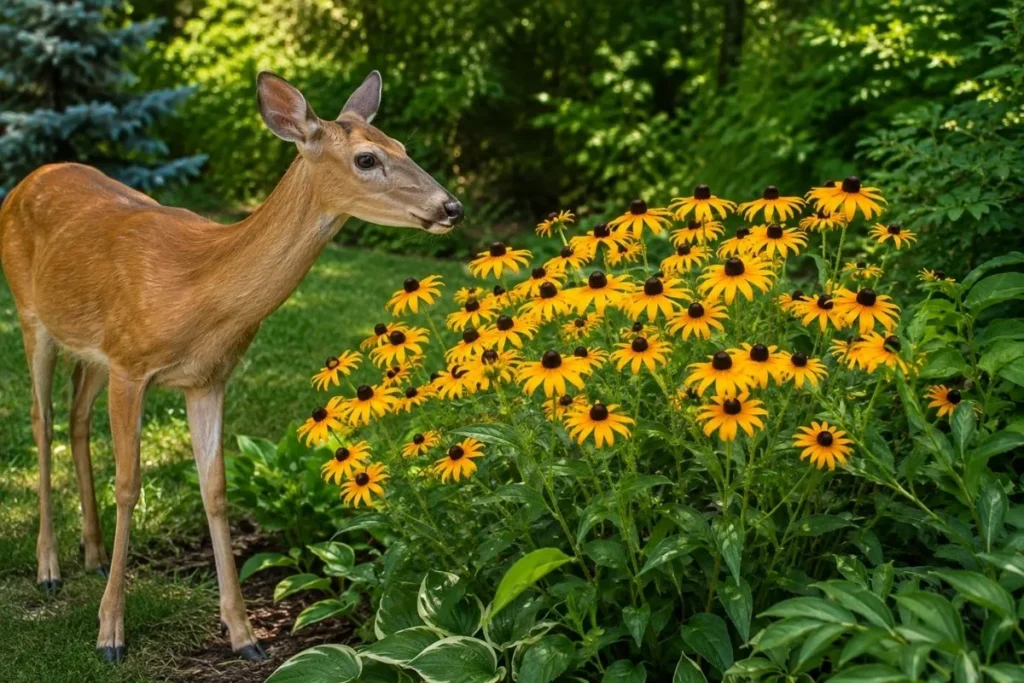
The plant’s coarse leaves and slightly rough texture are generally less appealing to deer than many other ornamental flowers. As a result, gardeners often include Rudbeckia in landscapes where deer browsing is a recurring problem.
While occasional nibbling may occur, serious damage is much less common compared to more tender flowering plants.
A Magnet for Bees and Butterflies
Growing flowers isn’t just about adding color to your yard it’s also about supporting local wildlife. Black Eyed Susan is one of the best pollinator-friendly flowers because its nectar-rich blooms attract bees, butterflies, and other beneficial insects throughout the growing season.
Pollinators play a vital role in helping many plants produce flowers, fruits, and seeds. By adding Black Eyed Susan to your garden, you’re creating a healthier environment that benefits both your landscape and local ecosystems.
This is one reason why the plant is frequently recommended for butterfly gardens and wildlife-friendly landscapes.
Perfect for Borders, Flower Beds, and Landscaping
Another reason gardeners enjoy growing Black Eyed Susan is its versatility. Its upright growth habit and vibrant flowers allow it to fit naturally into almost any garden style.
Whether you’re designing colorful flower beds, outlining garden pathways, creating mixed borders, or planting large naturalized areas, Black Eyed Susan blends beautifully with many other flowering plants.
It pairs especially well with ornamental grasses, coneflowers, salvias, and other flowering landscape plants, helping create a balanced and visually appealing garden.
Because it continues blooming for months while requiring very little care, it’s also an excellent choice for homeowners looking to improve their curb appeal without increasing their gardening workload.
Best Time to Plant Black Eyed Susan
Many people believe you can plant Black Eyed Susan at any time of the year and still expect healthy growth. While this flower is known for being hardy and easy to grow, planting it at the right time makes a huge difference.
Choosing the proper season gives the roots enough time to establish, encourages stronger growth, and results in more vibrant blooms throughout the flowering season.
Plant Black Eyed Susan at the Right Time for the Best Results
If you’re wondering when is the best time to plant Black Eyed Susan, the answer depends on your local climate and whether you’re planting seeds or young nursery plants.
In most regions, spring is considered the ideal planting season because the soil begins to warm up and the danger of frost has passed. These conditions help young plants establish quickly and prepare for a healthy blooming season.
Fall is another excellent planting time, especially in areas with mild winters. Planting in early fall allows the roots to grow before winter dormancy begins. When spring arrives, the plants already have a strong root system, giving them a head start on new growth and flower production.
Whether you’re following a Black Eyed Susan planting guide or learning how to grow Black Eyed Susan for the first time, timing your planting correctly will improve your chances of growing healthy, long-lasting plants.
Spring vs. Fall Planting
Spring planting is the most popular option because the weather is gradually warming, rainfall is often more consistent, and young plants have an entire growing season to become established.
Gardeners who buy nursery-grown plants usually transplant them during spring once temperatures remain consistently above freezing. If you’re planning to grow Black Eyed Susan in a new flower bed, this is often the easiest and safest time to get started.
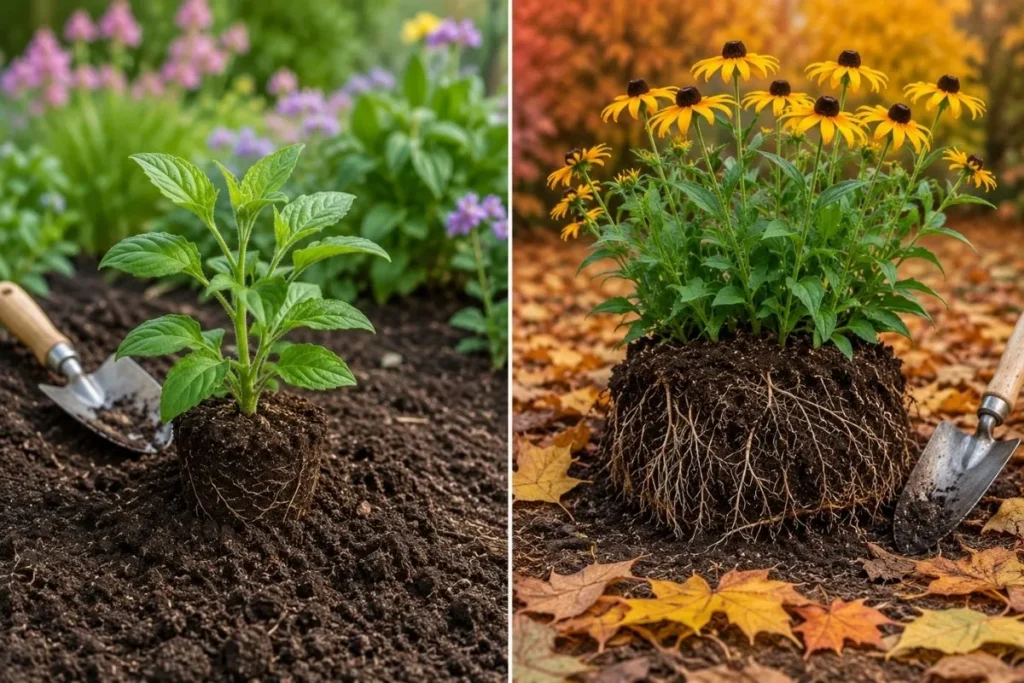
Fall planting offers its own advantages. Cooler temperatures reduce stress on newly planted flowers, while the still-warm soil encourages root development. Since the plant isn’t spending energy producing flowers during this period, it can focus entirely on building a healthy root system.
By the following summer, you’ll often notice stronger plants with even better blooms.
Both seasons work well, but choosing between them depends on your local weather conditions and gardening goals.
Consider Your Local Climate
Climate plays an important role in determining the best planting schedule. Gardeners living in cooler northern regions usually achieve the best results by planting in spring after the final frost date. This protects young plants from freezing temperatures and gives them plenty of time to grow before winter returns.
In warmer southern regions, early fall planting is often preferred because it allows plants to establish before the intense summer heat arrives. Mild winter temperatures encourage steady root growth without exposing plants to extreme cold.
Understanding your regional climate helps you decide the perfect planting window and improves your success when growing Black Eyed Susan.
USDA Growing Zones
Black Eyed Susan performs well across a wide range of climates, which is one of the reasons it’s such a popular native flowering plant. Most perennial varieties grow successfully in USDA Hardiness Zones 3 through 9, where they return year after year with proper care.
Gardeners living in colder zones can still enjoy these beautiful flowers by planting after the last frost, while those in warmer regions may benefit from planting during the cooler months.
Checking your USDA hardiness zone before planting helps you choose the best variety for your location and ensures healthier plants throughout the growing season.
Soil Temperature Matters More Than Air Temperature
Many beginners pay attention only to the weather forecast, but soil temperature is just as important. Black Eyed Susan grows best when the soil has warmed enough to encourage root development.
For most varieties, the ideal soil temperature is around 60°F to 70°F (15°C to 21°C). Planting in cold, wet soil can slow germination and delay root growth, especially if you’re learning how to grow Black Eyed Susan from seed.
Waiting until the soil reaches the proper temperature allows seeds to sprout more quickly and helps young plants establish faster.
If you’re direct sowing seeds outdoors, be patient and avoid planting too early. Warm soil provides the best environment for successful germination and healthy growth.
Signs That It’s the Right Time to Plant
Instead of relying only on the calendar, pay attention to the conditions in your garden. The best time to plant arrives when the risk of frost has passed, the soil is easy to work with, and daytime temperatures remain consistently mild.
These conditions create the perfect environment for roots to grow and plants to settle into their new location.
If you’re transplanting nursery-grown plants, choose a calm, cloudy day or plant during the early morning or evening. This reduces transplant shock and helps the plant adjust more quickly to its new surroundings.
Choosing the Best Location
Many people believe that because Black Eyed Susan is a hardy plant, it will grow equally well anywhere in the garden. While it can tolerate a range of conditions, choosing the right location is one of the most important steps if you want healthier plants, stronger stems, and more vibrant blooms.
The better the growing spot, the easier it becomes to grow Black Eyed Susan successfully for years to come.
Plant Black Eyed Susan in Full Sun for the Best Blooms
If you’re learning how to grow Black Eyed Susan, sunlight should be your first priority. These cheerful flowers thrive in full sun, which means they need at least 6 to 8 hours of direct sunlight every day.
Plenty of sunshine helps the plant produce more flowers, develop sturdy stems, and maintain its bright, healthy foliage throughout the growing season.

When Black Eyed Susan receives enough sunlight, it blooms more heavily and continues flowering from summer into fall.
Plants grown in sunny locations are also generally healthier because sunlight helps reduce excess moisture on the leaves, lowering the risk of common fungal diseases.
If your goal is to enjoy a garden full of colorful summer blooming perennials, planting Black Eyed Susan in a bright, open area is one of the best decisions you can make.
Can Black Eyed Susan Grow in Partial Shade?
Although Black Eyed Susan prefers full sun, it can still grow in partial shade. If your garden receives around 4 to 6 hours of direct sunlight, the plants will usually survive and produce flowers. However, the overall performance may not be as impressive.
Plants growing in shaded areas often become taller and leggier as they stretch toward the light. They may also produce fewer flowers and have weaker stems that are more likely to bend or flop over. The blooms can appear smaller, and the flowering season may be shorter than plants grown in full sun.
If partial shade is your only option, choose a location that receives morning sunlight. Morning sun is gentler than the intense afternoon heat while still providing enough light for healthy growth.
Good Air Circulation Keeps Plants Healthy
Many gardeners overlook the importance of airflow, but it plays a major role in keeping Black Eyed Susan plants healthy. Good air circulation allows leaves to dry quickly after rain or watering, reducing the chances of fungal diseases such as powdery mildew and leaf spot.
Avoid planting Black Eyed Susan in overcrowded flower beds or tightly enclosed spaces where air cannot move freely. Instead, select an open location where gentle breezes can circulate around the plants. This simple step helps maintain healthier foliage and reduces future maintenance.
Proper airflow also benefits nearby flowering landscape plants, creating a healthier environment for your entire garden.
Give Each Plant Enough Space
Spacing is another important factor that’s often ignored by beginner gardeners. It may be tempting to plant flowers close together for an instant full look, but overcrowding creates unnecessary problems later.
Most Black Eyed Susan varieties should be planted about 18 to 24 inches apart, depending on the mature size of the cultivar. This spacing gives each plant enough room to spread naturally, improves airflow, and allows sunlight to reach every part of the plant.
Proper spacing also makes watering, pruning, and seasonal maintenance much easier. As the plants mature, they’ll fill in the space naturally, creating a lush display without competing for nutrients, water, or sunlight.
Following these spacing recommendations is an important part of any reliable Black Eyed Susan planting guide.
The Best Places to Grow Black Eyed Susan
One reason growing Black Eyed Susan is so popular is its versatility. These flowers adapt beautifully to many different landscape designs and can be used in both formal and informal gardens.
They make an excellent choice for colorful flower beds, mixed borders, cottage gardens, wildlife gardens, and naturalized landscapes. Their upright growth habit also makes them attractive along walkways, driveways, fences, and property borders where they create long-lasting visual interest.
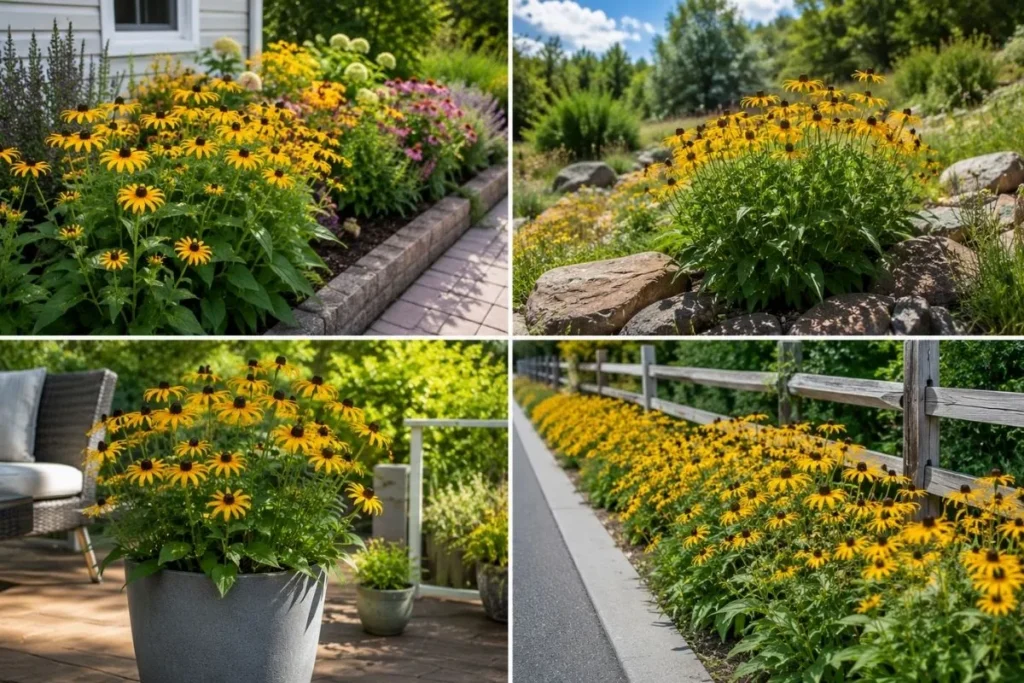
Because Black Eyed Susan pairs well with ornamental grasses, coneflowers, salvias, bee balm, and other full sun flowering plants, it’s easy to design a vibrant garden that blooms throughout the season.
Their bright yellow flowers also provide a beautiful contrast against purple, blue, and white flowering companions.
If you’re looking for creative flower bed ideas, planting Black Eyed Susan in groups rather than individually creates a much stronger visual impact and gives your garden a more natural appearance.
Avoid These Common Location Mistakes
Even though Black Eyed Susan is a tough and adaptable plant, a poor planting location can limit its growth and flowering potential. Avoid placing it under large trees where roots compete for moisture and nutrients.
Deep shade should also be avoided because it leads to fewer blooms and weak, stretched stems.
Similarly, avoid areas where water collects after heavy rain. While Black Eyed Susan tolerates short dry periods, it dislikes constantly soggy soil, which can lead to root problems over time.
Choosing a location with well-drained soil and plenty of sunshine gives the plant the ideal conditions to thrive.
Frequently Asked Questions (FAQs)
Many people think growing Black Eyed Susan is complicated because there are so many questions about planting, blooming, and care. The truth is that most concerns have simple answers.
Once you understand the basics of how to grow Black Eyed Susan, you’ll find that this hardy Rudbeckia is one of the easiest flowering plants to maintain. Below are answers to some of the most commonly searched questions to help you grow healthy, vibrant flowers with confidence.
How Long Does Black Eyed Susan Take to Grow?
If you’re growing Black Eyed Susan from seed, germination usually takes between 7 and 21 days when the soil is warm enough. Most plants begin producing flowers during their first growing season, although some perennial varieties may bloom more heavily in their second year after establishing a stronger root system.
If you’re planting nursery-grown seedlings instead of seeds, you can expect much faster results, with flowers often appearing within a few weeks under the right growing conditions.
Does Black Eyed Susan Come Back Every Year?
Yes, many varieties of Black Eyed Susan are perennials, meaning they return every year. These hardy plants go dormant during winter and begin producing fresh growth when temperatures warm up in spring.
However, some varieties are grown as annuals and complete their life cycle in one season. Before purchasing, always check the plant label or seed packet to determine whether your chosen variety is annual or perennial.
Can Black Eyed Susan Grow in Shade?
Black Eyed Susan grows best in full sun and produces the most flowers when it receives at least six hours of direct sunlight each day. While it can tolerate partial shade, too much shade often results in fewer blooms, weaker stems, and slower growth.
For the healthiest plants and the brightest flowers, choose a sunny location with well-drained soil.
Is Black Eyed Susan Easy to Grow?
Absolutely. One reason how to grow Black Eyed Susan is such a popular search topic is because it’s one of the easiest flowers for beginners. Once established, it tolerates heat, occasional drought, and different soil conditions while requiring very little maintenance.
With basic watering, seasonal pruning, and plenty of sunshine, even first-time gardeners can enjoy beautiful blooms throughout the growing season.
How Tall Does Black Eyed Susan Grow?
The mature height depends on the variety you’re growing. Most Black Eyed Susan plants reach between 2 and 4 feet (60 to 120 cm) tall and spread about 1 to 2 feet (30 to 60 cm) wide.
Compact varieties are perfect for containers and small flower beds, while taller types work well in borders and larger landscape designs.
Can I Grow Black Eyed Susan from Seed?
Yes. In fact, how to grow Black Eyed Susan from seed is one of the most common questions among beginner gardeners. Seeds can be started indoors several weeks before the last expected frost or sown directly outdoors once the soil has warmed in spring.
Growing from seed is an affordable way to fill flower beds, create pollinator gardens, or establish colorful landscape borders.
Why Isn’t My Black Eyed Susan Blooming?
If your plant isn’t producing flowers, there are several possible reasons. The most common causes include insufficient sunlight, excessive fertilizer, overcrowding, or planting in soil that stays too wet.
Providing full sun, avoiding overfeeding, and removing spent flowers regularly can encourage healthier growth and improve blooming throughout the season.
How Do I Keep Black Eyed Susan Healthy?
Keeping Black Eyed Susan healthy is surprisingly simple. Plant it in well-drained soil, provide plenty of sunlight, water during extended dry periods, and remove faded flowers to encourage continuous blooming.
It’s also helpful to divide mature plants every few years to improve airflow and prevent overcrowding. With these simple care practices, your plants can remain healthy and productive for many seasons.
Is Black Eyed Susan Invasive?
Most garden varieties are not considered invasive. However, because they self-seed easily, they may spread naturally if spent flowers are left on the plant.
If you prefer a more controlled garden, simply remove faded blooms before seeds develop. If you enjoy a naturalized landscape, allowing some seeds to mature can produce new plants the following year.
Can Black Eyed Susan Survive Drought?
Yes. Once established, Black Eyed Susan is widely recognized as one of the best drought-tolerant flowers for home gardens. Its deep root system helps it withstand periods of dry weather much better than many other flowering plants.
Although occasional watering during prolonged drought encourages better flowering, mature plants continue to perform well with relatively little irrigation, making them an excellent choice for low-maintenance and water-wise landscapes.
Conclusion
Many gardeners hesitate to plant new flowers because they assume they’ll require constant attention and years of gardening experience. Thankfully, that’s not the case with Black Eyed Susan.
As you’ve seen throughout this guide, learning how to grow Black Eyed Susan is much easier than most people think. With the right planting time, a sunny location, well-drained soil, and a little routine care, this beautiful Rudbeckia will reward you with vibrant blooms season after season.
From understanding the best time to plant and choosing the ideal growing location to learning proper watering, fertilizing, pruning, and maintenance techniques, you now have everything you need to grow Black Eyed Susan successfully.
Whether you decide to grow Black Eyed Susan from seed, plant nursery-grown seedlings, or expand an existing flower bed, these hardy plants are an excellent choice for beginners and experienced gardeners alike. Their long flowering season, drought tolerance, and ability to attract butterflies and bees make them one of the most rewarding additions to any garden.
The key to success is consistency rather than perfection. Give your plants plenty of sunlight, avoid overwatering, provide enough space for healthy growth, and perform simple seasonal maintenance. These small efforts will help your Black Eyed Susan stay healthy, produce more flowers, and return year after year if you’re growing perennial varieties.
If you’re looking for a colorful, low-maintenance garden flower that delivers reliable results without demanding endless care, Black Eyed Susan is hard to beat. It’s a perfect choice for flower beds, borders, cottage gardens, wildlife gardens, and backyard landscapes. As your plants mature, you’ll not only enjoy months of bright blooms but also create a welcoming habitat for pollinators that benefits your entire garden.
Now that you know how to grow Black Eyed Susan, it’s time to put these tips into practice. Start with a sunny spot, follow the simple care guidelines you’ve learned, and watch your garden come alive with cheerful yellow flowers. With a little patience and the right approach, you’ll soon discover why growing Black Eyed Susan remains a favorite among gardeners around the world.
Happy gardening, and may your Black Eyed Susan growing guide lead you to a garden filled with healthy plants, vibrant color, and beautiful blooms for many seasons to come!
Disclaimer
This article is for informational and educational purposes only.
Gardening results may vary based on your climate, soil, and plant variety.
The tips shared are general recommendations and may not suit every location.
Always follow the instructions provided on seed packets or plant labels.
Consult a local gardening expert for advice specific to your area.
We strive to keep the information accurate and up to date.
However, we cannot guarantee specific gardening results.
Use the information in this guide at your own discretion.

Plant Nest Blog’s author is passionate about plants, gardening, and sustainable living. Through research and practical experience, they share helpful plant care tips, gardening guides, and easy solutions to help readers grow healthier plants and create greener spaces.